

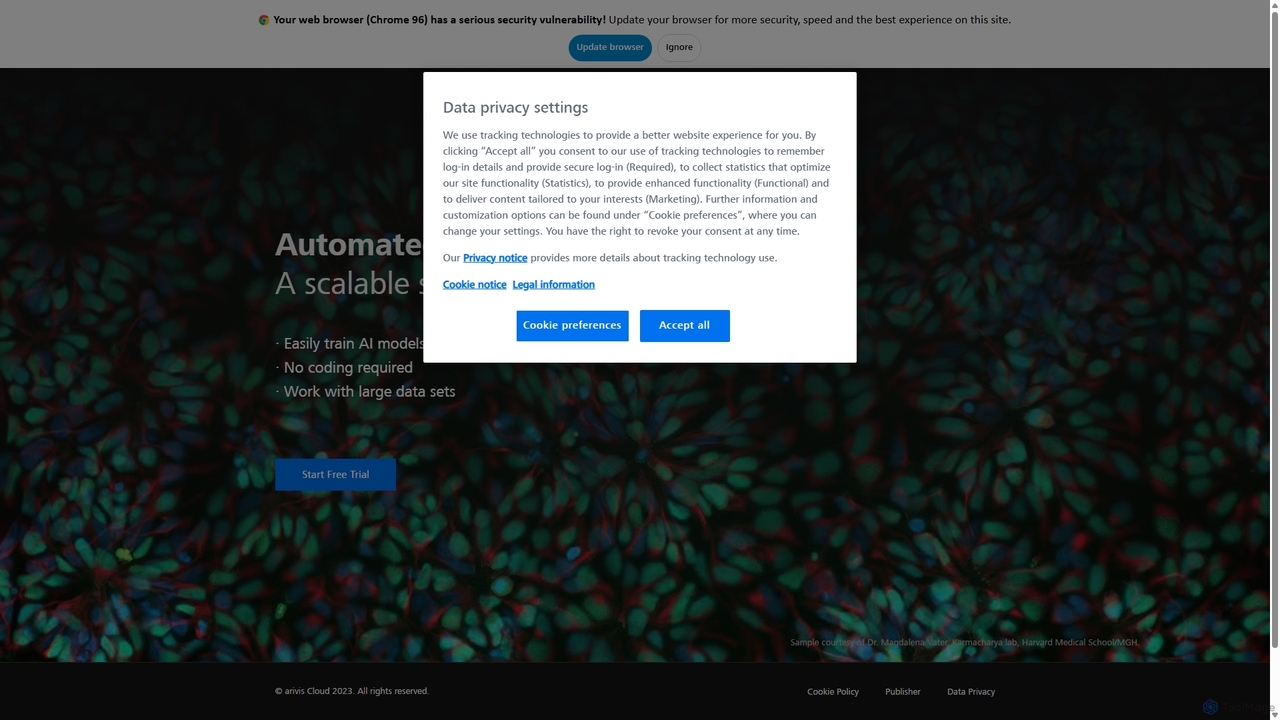
APEER Overview
APEER, now integrated into the arivis Cloud ecosystem, is a revolutionary platform designed to make advanced, AI-driven image analysis accessible to the scientific community, particularly those in life sciences, biology, and biotechnology. It addresses the critical bottleneck of manual image analysis in research, which is often time-consuming, subjective, and difficult to scale. By providing an intuitive, cloud-based environment, APEER allows researchers to automate complex analysis tasks, transforming raw microscopy images into quantitative, reproducible data without requiring any programming expertise.
The platform is built on state-of-the-art deep learning algorithms, enabling users to tackle challenging segmentation problems that are difficult or impossible with traditional methods. Whether it's identifying individual cells in a dense culture, counting synapses in neuronal images, or quantifying puncta in autophagy studies, APEER provides the tools to build and deploy custom AI models tailored to specific research needs.
How to use APEER
APEER is designed with a user-friendly, guided workflow that simplifies the process of creating and applying sophisticated AI models. The typical process involves several straightforward steps:
- Upload Data: Users begin by securely uploading their microscopy images to the cloud platform. The system supports various common image formats used in scientific research.
- Annotate: To train a custom model, the user needs to teach the AI what to look for. This is done through an intuitive annotation interface, where the user simply outlines or marks a few representative examples of the objects of interest (e.g., cells, nuclei, synapses).
- Train the Model: With the annotations provided, the user can start the model training process with a single click. APEER's powerful cloud infrastructure handles all the complex computations, training a deep learning model (for semantic or instance segmentation) based on the provided examples.
- Apply & Automate: Once the model is trained and validated, it can be applied to analyze large batches of images automatically. This creates a standardized and reproducible workflow that can process thousands of images, saving hundreds of hours of manual work.
- Review & Export: The platform provides tools to review the analysis results. The quantitative data, such as object counts, sizes, and intensities, can then be easily exported for further statistical analysis and publication.
Core Features of APEER
- AI-Powered Segmentation: Utilizes advanced deep learning for both semantic (pixel-level classification) and instance (object detection and separation) segmentation.
- No-Code AI Model Training: An intuitive, guided workflow allows researchers without a computer science background to train their own custom AI models.
- Cloud-Based Platform: Eliminates the need for expensive local hardware. Provides secure data storage, powerful processing capabilities, and accessibility from anywhere.
- Automated Workflows: Enables the creation of end-to-end analysis pipelines to process large datasets with high throughput and consistency.
- Reproducibility: Ensures that analysis is objective and comparable across different users, teams, and experiments, enhancing the reliability of research findings.
- Collaboration: As a cloud platform, it facilitates sharing of data, models, and workflows among team members and collaborators.
Use Cases for APEER
APEER is versatile and can be applied to a wide range of biological imaging applications:
- Neuroscience: Automating the tedious process of counting synapses in neuron images, enabling researchers to study neural connectivity at scale.
- Cell Biology: Analyzing cellular processes like autophagy by automatically detecting and quantifying puncta, as demonstrated by researchers at JNCASR.
- Oncology: Segmenting and counting cancer cells in tissue samples to assess tumor morphology or the effectiveness of treatments.
- Drug Discovery: High-throughput screening of compounds by automatically analyzing their effects on cell cultures from thousands of images.
Advantages of APEER
The platform offers significant advantages over manual or traditional analysis methods. Users report saving hundreds of hours, enabling them to shift focus from tedious counting to higher-level scientific questions. It dramatically increases throughput, allowing the analysis of thousands of cells per day instead of just a few dozen. Furthermore, it removes the subjective bias inherent in manual analysis, leading to highly reproducible and reliable data. By democratizing access to deep learning, APEER empowers any biologist or researcher to perform cutting-edge image analysis.
Pricing and Plans
APEER (as part of arivis Cloud) offers a free trial for new users to explore the platform's capabilities. For continued use and access to full features, it operates on a subscription-based model. Specific pricing details are typically provided upon request to cater to the varying needs of academic labs, research institutions, and biotech companies. Interested users are encouraged to contact their sales team for a customized quote.
APEER Alternatives
BioGPT
BioGPT is a specialized AI assistant for biologists, researchers, and students. It accelerates scientific discovery by solving complex biology problems, reviewing papers, analyzing data, visualizing results, designing experiments, and testing hypotheses across fields like genomics, neuroscience, and cancer biology.
Research
JADBio
JADBio is a no-code Automated Machine Learning (AutoML) platform designed for life sciences and biotechnology. It specializes in analyzing complex, high-dimensional biological data (omics) to accelerate biomarker discovery, identify predictive biosignatures, and build accurate predictive models for precision medicine and translational research.
Machine Learning
InsightAI
InsightAI is an AI-powered research assistant designed for the medical and life sciences fields. It streamlines the research process by generating scientific summaries, formulating hypotheses, creating experimental designs, and identifying potential drug targets. By integrating with peer-reviewed databases like PubMed, NIH Clinical Trials, and MyGene, InsightAI provides reliable, data-driven insights, saving researchers significant time on literature reviews and data analysis, thereby accelerating scientific discovery.
Academic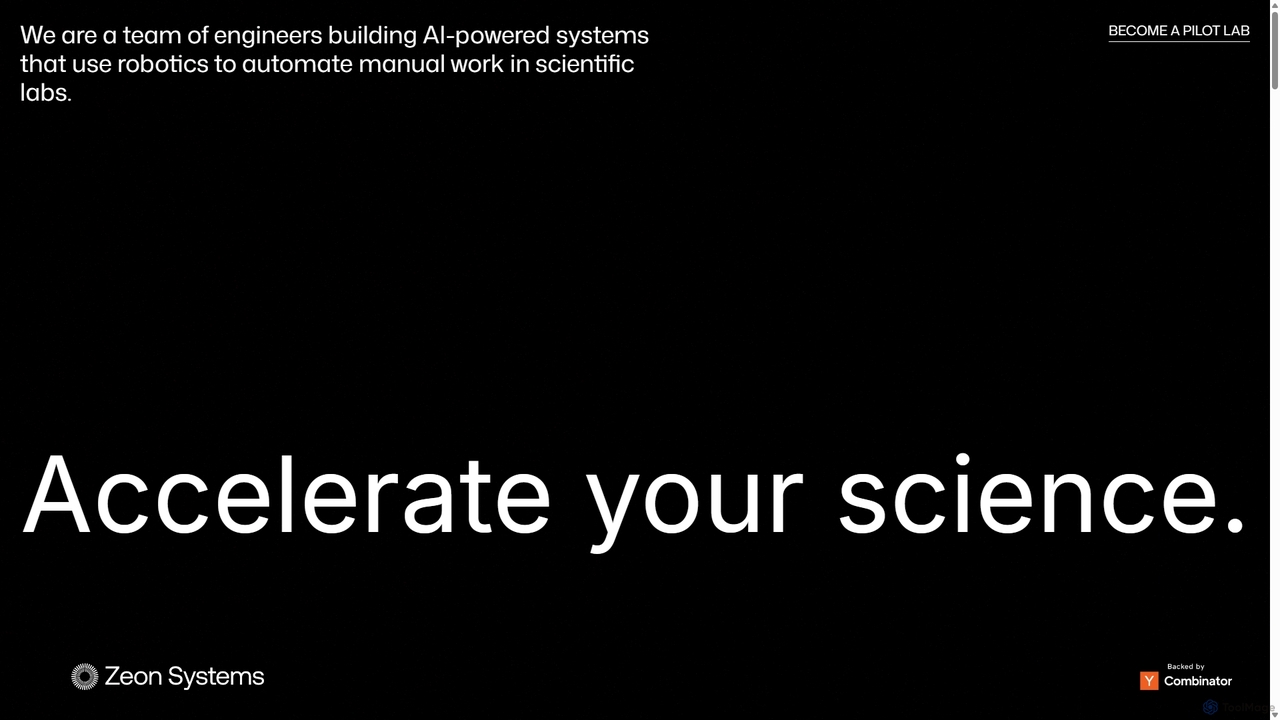
Zeon Systems
Zeon Systems is an AI-powered, full-stack lab automation platform designed for accessibility. It combines intelligent software with off-the-shelf robotic arms to automate complex experiments in biology, chemistry, and materials science. Users can describe protocols in plain English, and the system translates them into precise robotic actions, eliminating the need for coding or specialized training.
No Code
floatz
floatz is an AI-powered platform for the biotech and pharmaceutical industries, specializing in target validation and prioritization. It provides a "Foundational Evidence Audit" to de-risk R&D pipelines, using computational due diligence to assess the biological relevance and commercial viability of therapeutic targets, helping companies secure funding and make confident investment decisions.
BiotechnologyAPEER Categories
APEER Jobs
APEER Embed Widget
Copy this embed code to place the badge on your blog, article, or product site and send readers directly to this ToolMage detail page.

Related AI tools
BioGPT
BioGPT is a specialized AI assistant for biologists, researchers, and students. It accelerates scientific discovery by solving complex biology problems, reviewing papers, analyzing data, visualizing results, designing experiments, and testing hypotheses across fields like genomics, neuroscience, and cancer biology.
ResearchZeon Systems
Zeon Systems is an AI-powered, full-stack lab automation platform designed for accessibility. It combines intelligent software with off-the-shelf robotic arms to automate complex experiments in biology, chemistry, and materials science. Users can describe protocols in plain English, and the system translates them into precise robotic actions, eliminating the need for coding or specialized training.
No CodeInsightAI
InsightAI is an AI-powered research assistant designed for the medical and life sciences fields. It streamlines the research process by generating scientific summaries, formulating hypotheses, creating experimental designs, and identifying potential drug targets. By integrating with peer-reviewed databases like PubMed, NIH Clinical Trials, and MyGene, InsightAI provides reliable, data-driven insights, saving researchers significant time on literature reviews and data analysis, thereby accelerating scientific discovery.
Academic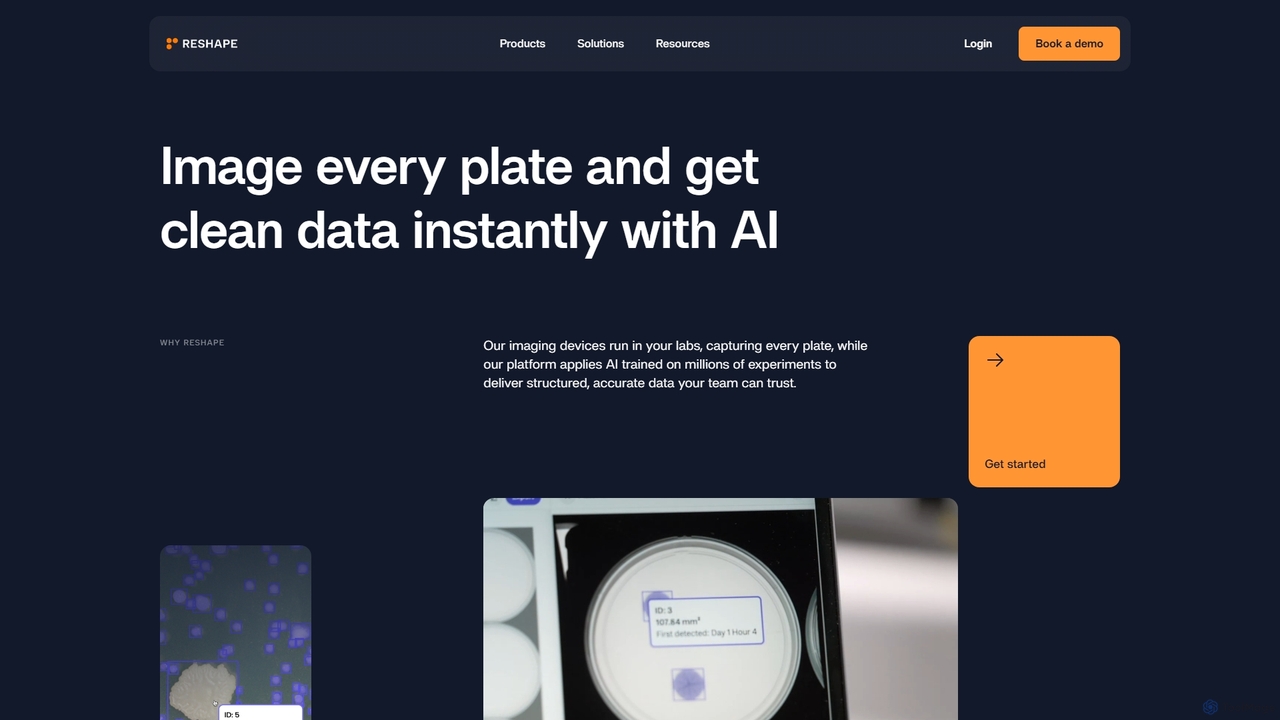
Reshape Biotech
Reshape Biotech provides an AI-powered lab automation platform that combines automated imaging hardware with a cloud-based analysis system. It's designed for R&D and QC labs in biotechnology, agriculture, and food science to automate plate imaging, analyze experiments with AI, and generate structured, reproducible data, significantly accelerating research and development cycles.
Laboratory Automationfloatz
floatz is an AI-powered platform for the biotech and pharmaceutical industries, specializing in target validation and prioritization. It provides a "Foundational Evidence Audit" to de-risk R&D pipelines, using computational due diligence to assess the biological relevance and commercial viability of therapeutic targets, helping companies secure funding and make confident investment decisions.
Biotechnology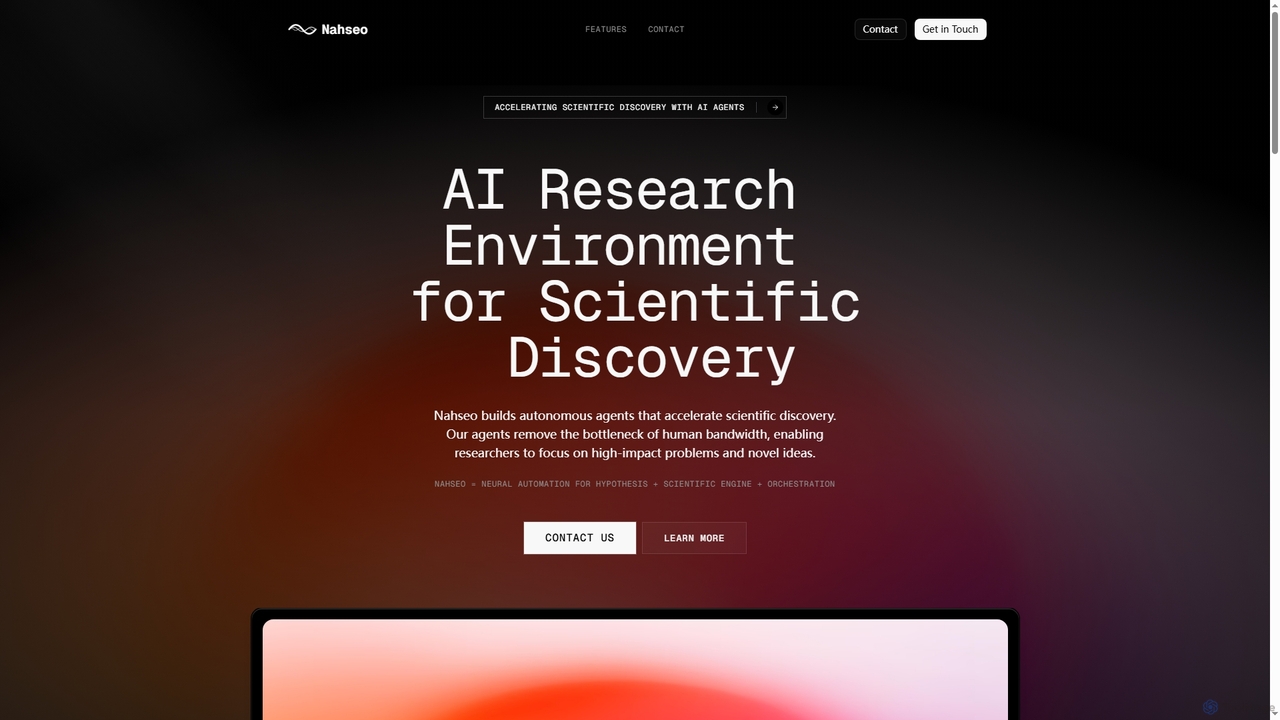
Nahseo
Nahseo is an AI research environment that deploys autonomous agents to accelerate scientific discovery. It helps researchers overcome human bandwidth limitations by automating literature analysis, hypothesis generation, and experiment design, fostering data-driven decision-making across various scientific domains.
Autonomous Agents
1910genetics
1910genetics is a biotechnology company revolutionizing drug discovery with its multimodal AI platform, ITO™. Powered by lab automation, it accelerates the design of both small and large molecule therapeutics, aiming to make previously undruggable targets treatable for diseases like cancer, and neurological or autoimmune disorders.
Predictive Modeling
Benchling
Benchling is a cloud-based R&D platform for life sciences, using AI to accelerate scientific discovery. It unifies Electronic Lab Notebook (ELN), LIMS, and molecular biology tools to centralize data, streamline workflows, and enable collaboration for biotech and pharmaceutical research.
Analytics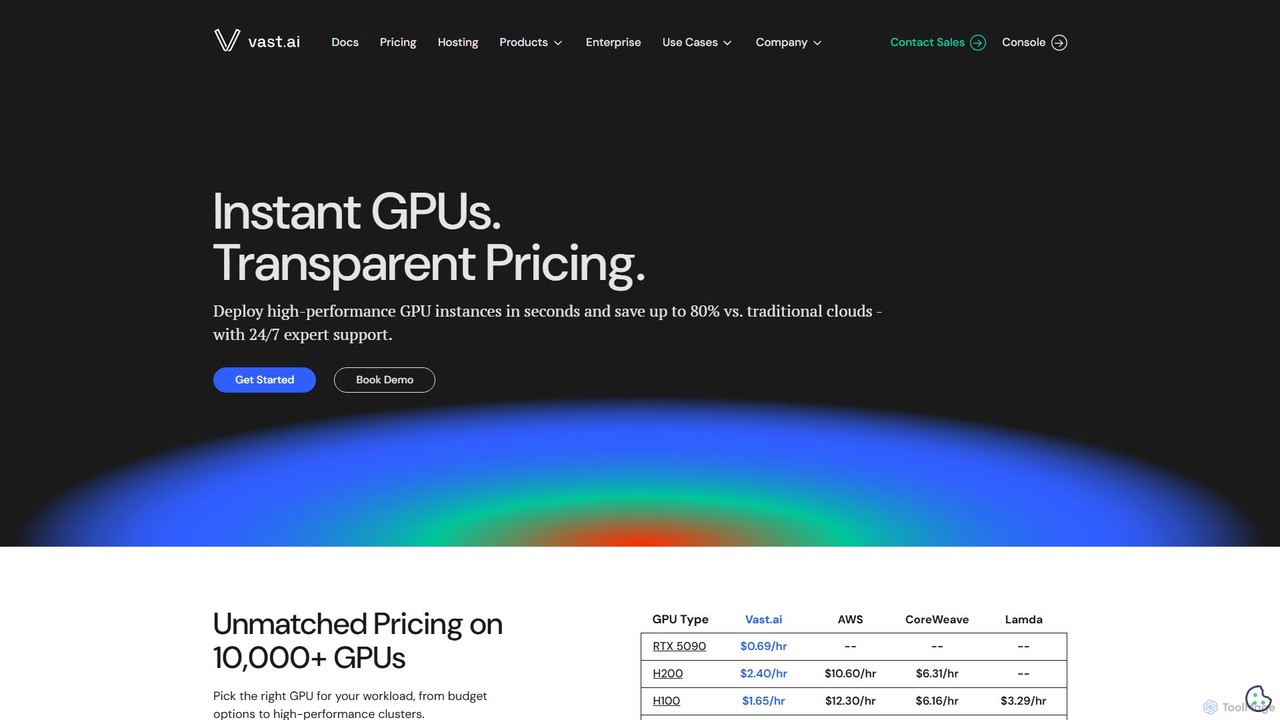
Vast.ai
Vast.ai is a leading GPU cloud platform offering on-demand access to a vast network of GPUs for AI and machine learning workloads. It provides developers and enterprises with high-performance computing at significantly lower costs—up to 80% less than traditional cloud providers—through a transparent, pay-as-you-go marketplace.
Gpu Rental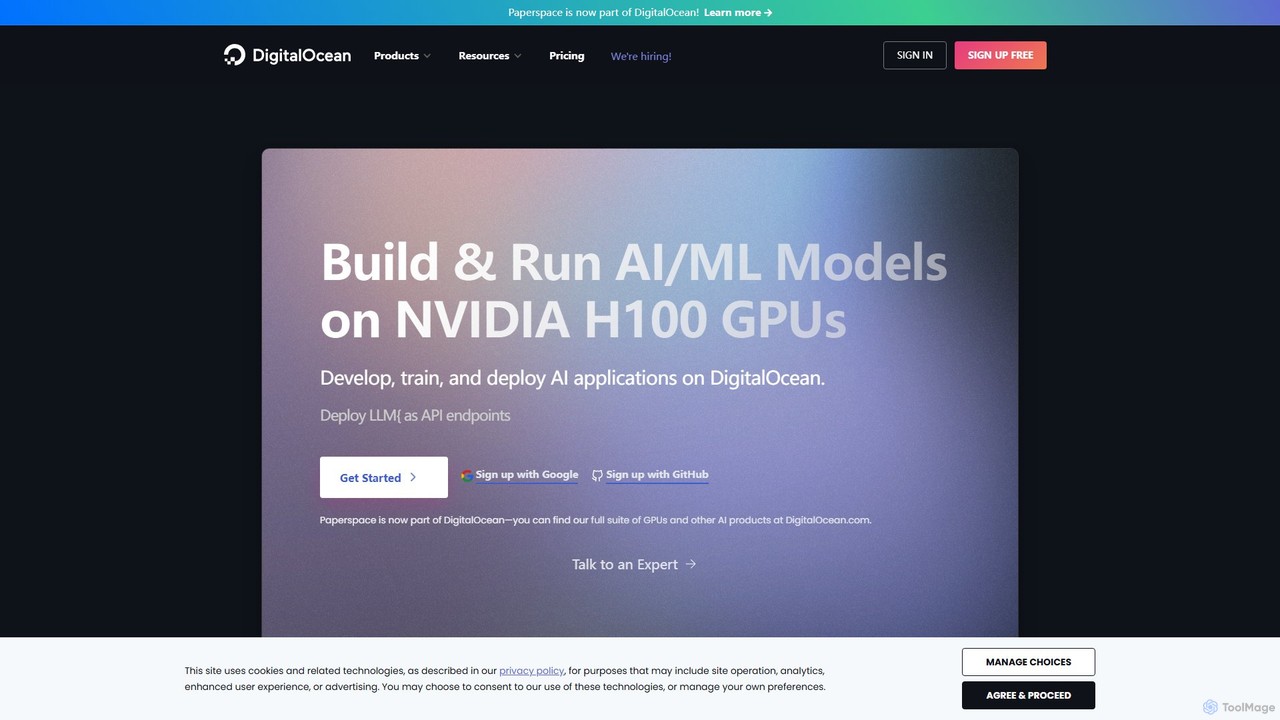
Paperspace
Paperspace is a high-performance cloud computing platform designed for AI and Machine Learning. It provides effortless access to powerful cloud GPUs, managed Jupyter notebooks, and a complete MLOps platform (Gradient) to build, train, and deploy models. Ideal for developers, data scientists, and enterprises looking to accelerate their AI workflows without the complexity of managing infrastructure.
Machine Learning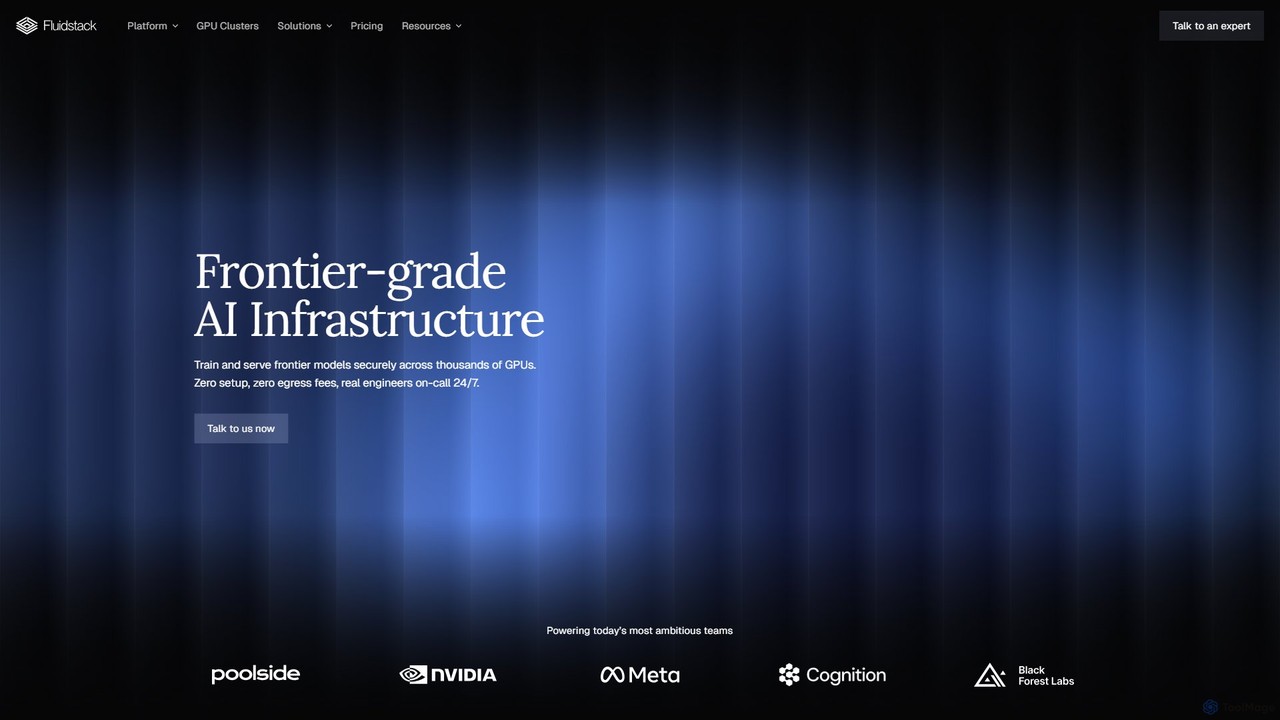
Fluidstack
Fluidstack is a leading AI cloud platform providing high-performance, dedicated GPU clusters for training and serving frontier AI models. It offers rapid deployment of thousands of GPUs, fully managed services with 24/7 expert support, and transparent pricing with zero egress fees, empowering AI teams to scale without infrastructure friction.
Enterprise Solutions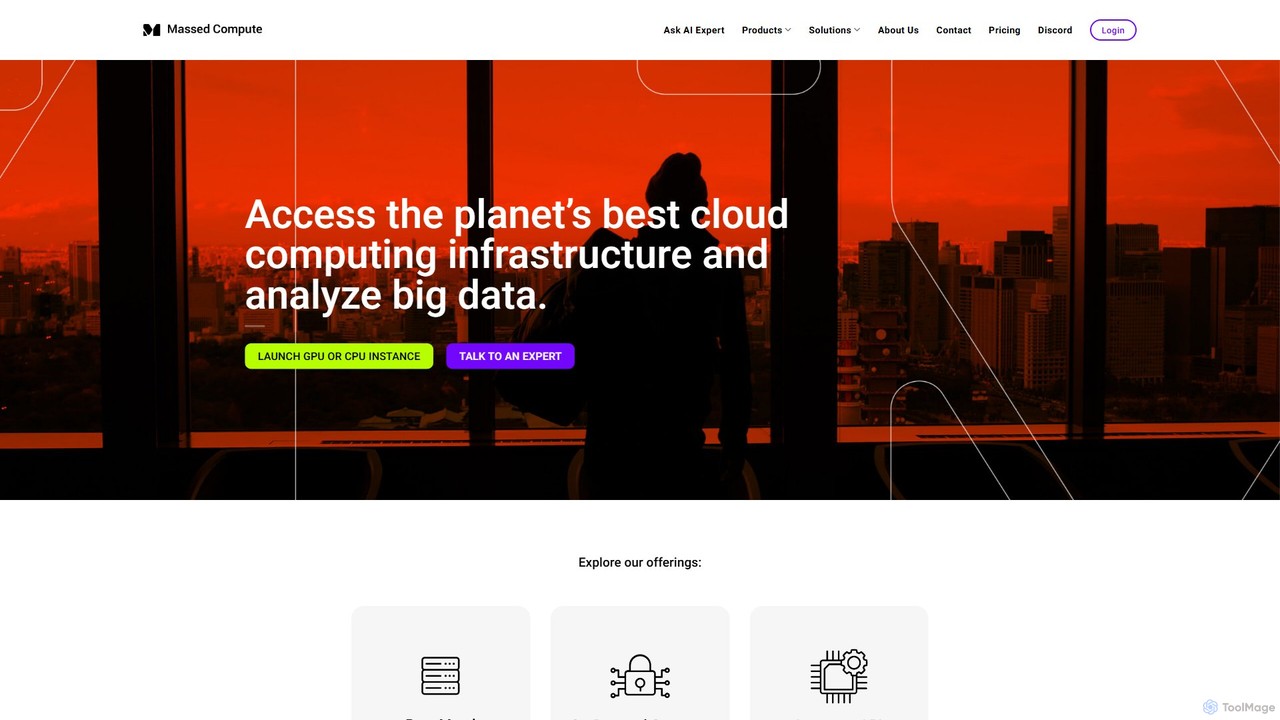
massedcompute
Massed Compute is a cloud platform providing on-demand, high-performance NVIDIA GPUs and CPUs. It offers flexible, scalable, and affordable computing power for AI development, machine learning, and big data analysis without long-term contracts, targeting innovators and developers.
Machine Learning
Jyek
Jyek is an AI agent platform that understands objectives, creates execution plans, uses tools, and delivers verifiable results for complex, multi-step tasks.
Automation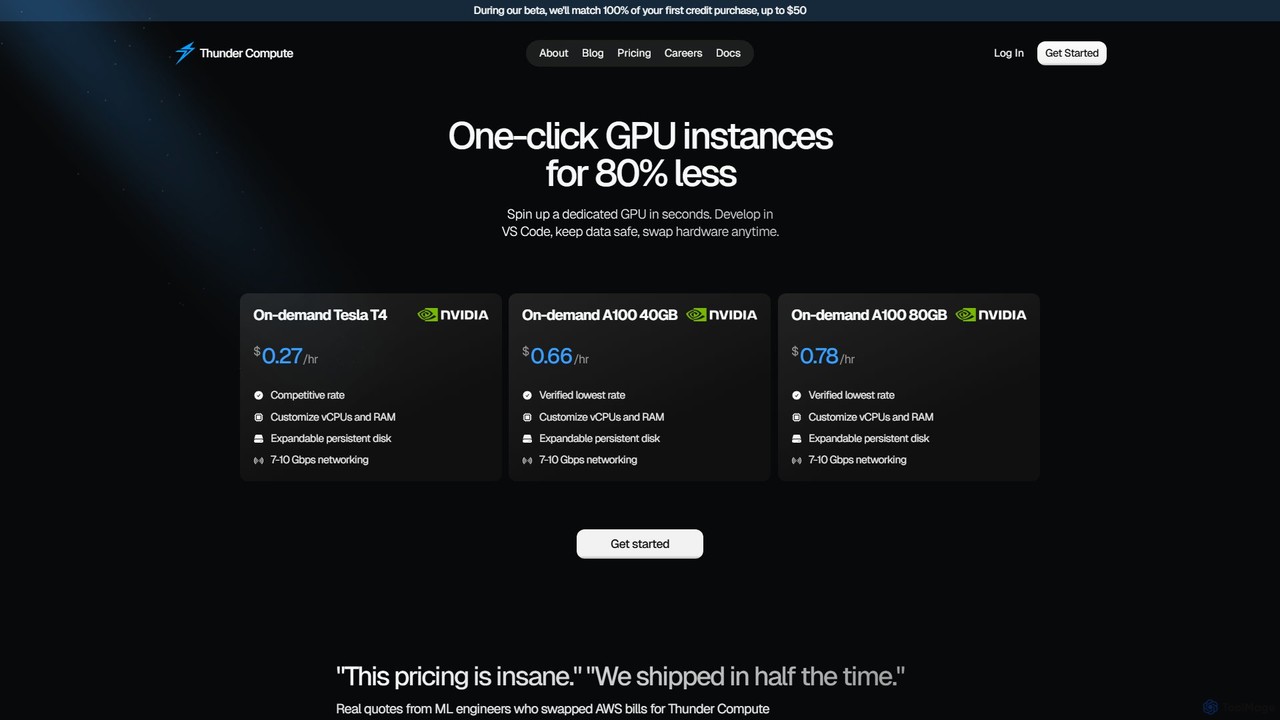
thundercompute
Thunder Compute offers an ultra-low-cost GPU cloud platform designed for AI and machine learning developers. It provides on-demand GPU instances like the NVIDIA A100 and T4 at prices up to 80% lower than major cloud providers. With features like one-click setup, VS Code integration, and seamless scalability, it dramatically simplifies the development workflow, from prototyping to production, allowing developers to focus on building models rather than managing infrastructure.
Machine Learning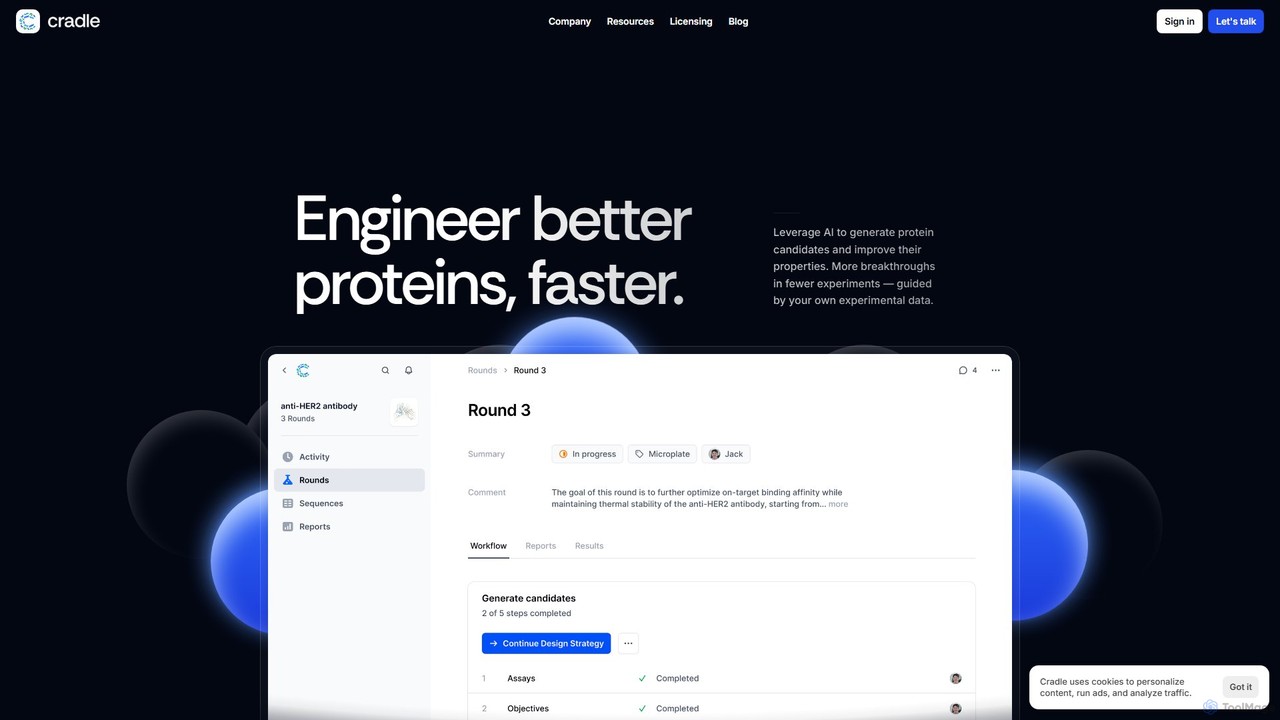
Cradle
Cradle is an AI-powered platform designed for scientists and biotech companies to engineer better proteins faster. By leveraging generative AI and machine learning, it helps generate novel protein candidates and optimize their properties, such as stability, activity, and binding affinity. The platform learns from your experimental data, enabling more breakthroughs in fewer lab experiments and significantly accelerating development timelines from years to quarters.
Drug Discovery
APEER Comments (0)
Sign in to comment.
Sign inNo comments yet.