

Backmesh Overview
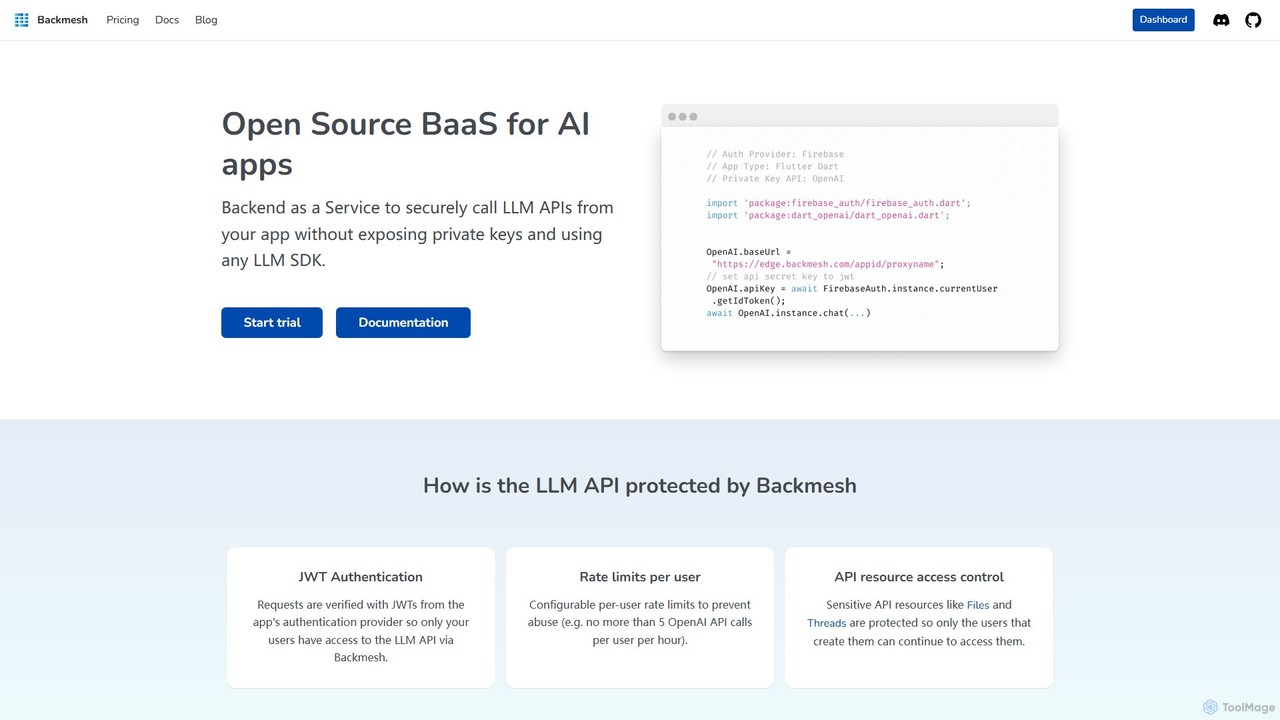
Backmesh is a powerful, open-source Backend as a Service (BaaS) specifically engineered for the new generation of AI-powered applications. It addresses a critical security and architectural challenge for developers: how to safely call Large Language Model (LLM) APIs from client-side applications (web or mobile) without exposing sensitive private API keys. Backmesh acts as an intelligent and secure LLM API Gatekeeper, sitting between your app and the LLM provider, ensuring that all communications are authenticated, authorized, and monitored.
The core philosophy of Backmesh is to simplify development without compromising on security. By integrating Backmesh, developers can avoid the time-consuming process of building and maintaining a dedicated backend server solely for API key management and request proxying. This allows for faster iteration, quicker feature releases, and a focus on creating a great user experience within the AI application itself.
How to use Backmesh
Integrating Backmesh into your application is designed to be straightforward with minimal code changes. The process fundamentally involves two key steps:
- Redirect API Calls: Instead of sending requests directly to the LLM provider's URL (e.g., `api.openai.com`), you configure your LLM SDK to point to your unique Backmesh Gatekeeper URL.
- Replace API Key with JWT: You replace the static, private LLM API key in your client-side code with a dynamic JSON Web Token (JWT) obtained from your application's authentication provider (like Supabase or Firebase) after a user logs in. This JWT proves the user's identity to Backmesh.
For example, in a JavaScript application using the OpenAI SDK and Supabase for authentication, you would initialize the client by passing the Backmesh URL and the user's session access token as the `apiKey`. Backmesh then receives the request, validates the JWT, checks against any configured rules (like rate limits), and securely forwards the request to the LLM API using its own stored private key. This entire process is transparent to the end-user and the LLM provider.
Core Features of Backmesh
- LLM API Gatekeeper: The central feature that securely proxies requests from your app to LLM APIs, completely hiding your private keys from the client.
- JWT Authentication: Integrates with popular authentication providers like Supabase and Firebase. It verifies each request using the user's JWT, ensuring only authenticated users can access the LLM.
- Per-User Rate Limiting: Prevent API abuse and manage costs effectively by setting configurable rate limits for each user (e.g., no more than 10 requests per minute per user).
- Resource Access Control: Protects sensitive API resources. For instance, with OpenAI's API, it ensures that only the user who created a specific File or Thread can continue to access it, enhancing data privacy.
- SDK-less LLM Analytics: Automatically instruments all proxied LLM API calls to provide valuable insights. Developers can access a dashboard to monitor usage patterns, track costs, analyze error rates, and compare model performance across users without adding any analytics packages to their app.
- Open Source & Self-Hostable: Backmesh is fully open-source, giving developers complete transparency and control. It can be self-hosted on a personal Cloudflare account, leveraging Cloudflare's generous free tier.
- Multi-Provider Support: Natively supports major LLM APIs including OpenAI, Google Gemini, Anthropic, and Cloudflare Workers AI, offering flexibility in choosing the best model for your needs.
Use Cases for Backmesh
Backmesh is ideal for a wide range of development scenarios:
- Rapid Prototyping: Quickly build and test AI-driven features in web and mobile apps without the overhead of a full backend infrastructure.
- Serverless AI Applications: Create fully functional, serverless AI apps, such as a ChatGPT-like client built with frameworks like Flutter or React, that communicate directly and securely with LLMs.
- Secure Enterprise Applications: Enable internal or customer-facing applications to use LLMs while enforcing strict user-based access controls and monitoring.
- Indie Developers & Startups: Launch AI products faster and more securely, allowing small teams to compete by focusing on innovation rather than backend maintenance.
Advantages of Backmesh
Using Backmesh provides several key advantages:
- Drastically Improved Security: Eliminates the risk of exposing private LLM API keys in client-side code, which is a major security vulnerability.
- Simplified Architecture: Reduces the complexity and cost of your application's infrastructure by removing the need for a dedicated backend for API proxying.
- Accelerated Development: Speeds up the development lifecycle, enabling faster time-to-market for new AI features and applications.
- Cost and Abuse Control: Granular per-user rate limits prevent unexpected cost spikes and protect your service from abuse by malicious users.
- Actionable Insights: The built-in analytics dashboard provides the data needed to understand user behavior, optimize costs, and improve the overall application.
- Flexibility and No Vendor Lock-in: The open-source nature and self-hosting option provide ultimate flexibility and ensure you are never locked into a single SaaS provider.
Pricing and Plans
Backmesh offers a flexible pricing model to suit different needs, including a free 15-day trial for its paid plans.
- Open Source (Self-Hosted): As an open-source project, Backmesh can always be self-hosted on your own Cloudflare account for free. This is a great option for developers who want maximum control.
- Starter Plan: Priced at $10 per month, this plan includes 500,000 requests and 50,000 Monthly Active Users (MAUs). It's perfect for small projects and startups.
- Pro Plan: Designed for growing applications with higher traffic. Pricing is customized; you need to contact the sales team ('Chat with us'). It includes a higher baseline of 2,000,000 requests and 100,000 MAUs, with options to pay for additional usage.
- Enterprise Plan: A fully custom plan for large-scale applications with specific needs for support, security, and unlimited usage. Contact sales for a quote.
Traffic
Latest traffic
Status
Monthly traffic trend
- 2025-9: 1.1K
- 2026-1: 1.2K
- 2026-2: 1.1K
- 2026-3: 424
- 2026-4: 235
- 2026-5: 118
Geography
Top 5 countries / regions
- 🇩🇴Dominican Republic100.0%
Top keywords
| Keyword | Cost per click |
|---|---|
| banchmesh | $0.00 |
| gemini firebase | $0.00 |
Backmesh Alternatives
BuildShip
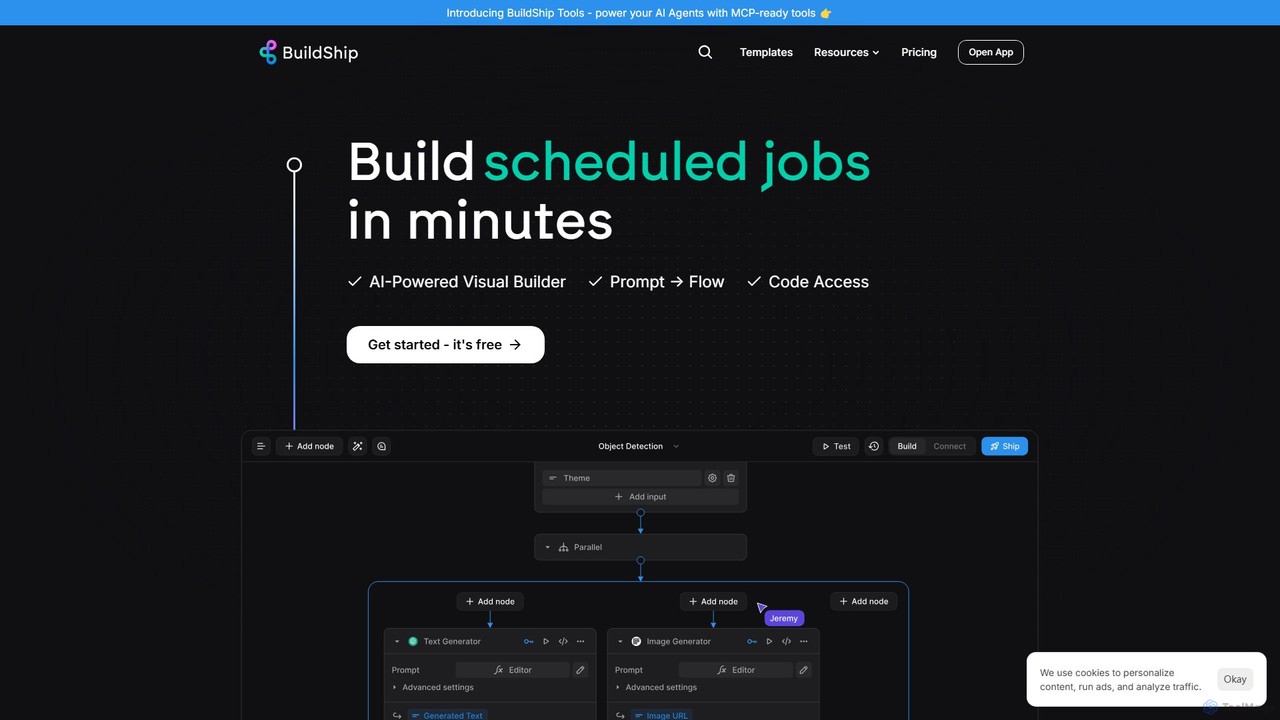
BuildShip is a low-code, AI-powered platform for visually building backend workflows, APIs, and scheduled jobs. Connect any AI model, database, or tool using a drag-and-drop interface or natural language prompts. Go from idea to a scalable, production-ready backend in minutes, with the flexibility to use JavaScript/TypeScript for advanced customization. Ideal for developers and creators alike.
Api
Neurelo
Neurelo was an innovative AI-powered Backend-as-a-Service (BaaS) platform designed to drastically simplify and accelerate backend development. It automatically generated production-ready REST and GraphQL APIs from a database schema, empowering developers to build scalable applications in a fraction of the time by handling database management, migrations, and API creation.
Api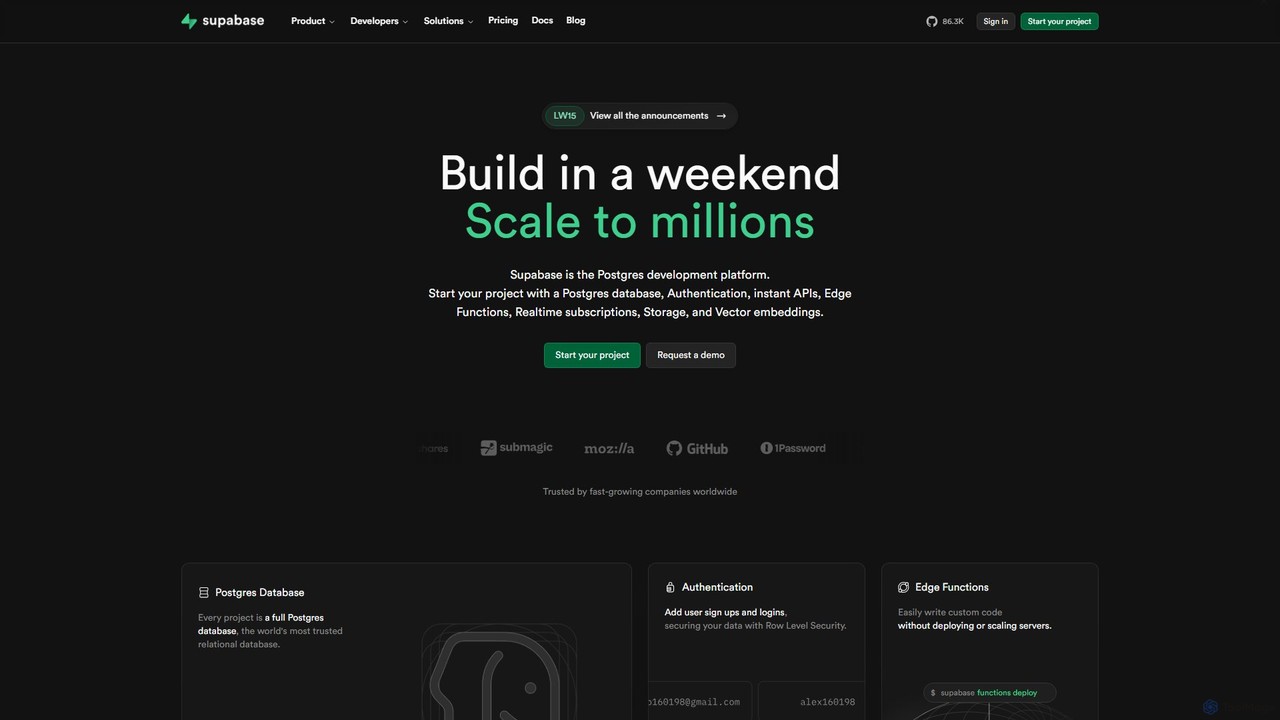
Supabase
Supabase is an open-source Firebase alternative, providing a complete backend solution built on Postgres. It offers a suite of tools including a database, authentication, instant APIs, edge functions, real-time subscriptions, storage, and vector embeddings to accelerate application development from prototype to production.
Backend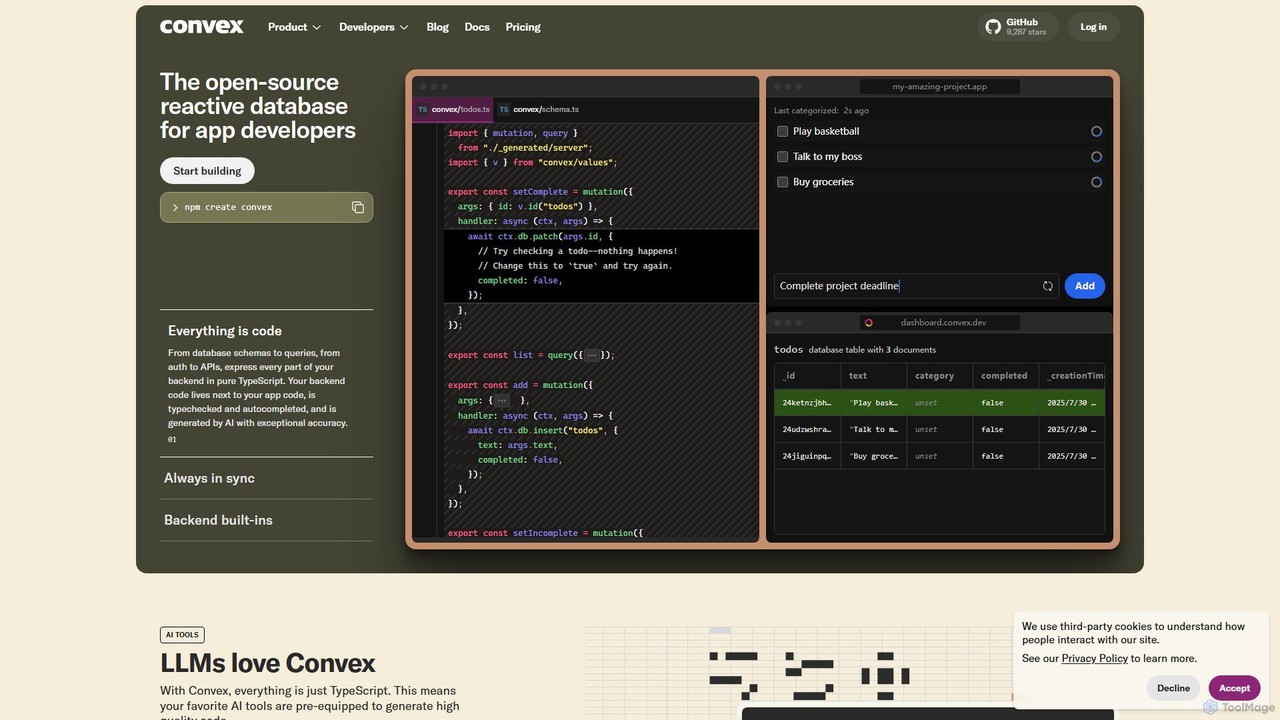
Convex
Convex is a backend-as-a-service platform for web developers, offering a reactive TypeScript database that simplifies building full-stack, real-time applications. It provides serverless functions, file storage, and vector search with end-to-end type safety, making it a powerful, developer-friendly alternative to Firebase.
Backend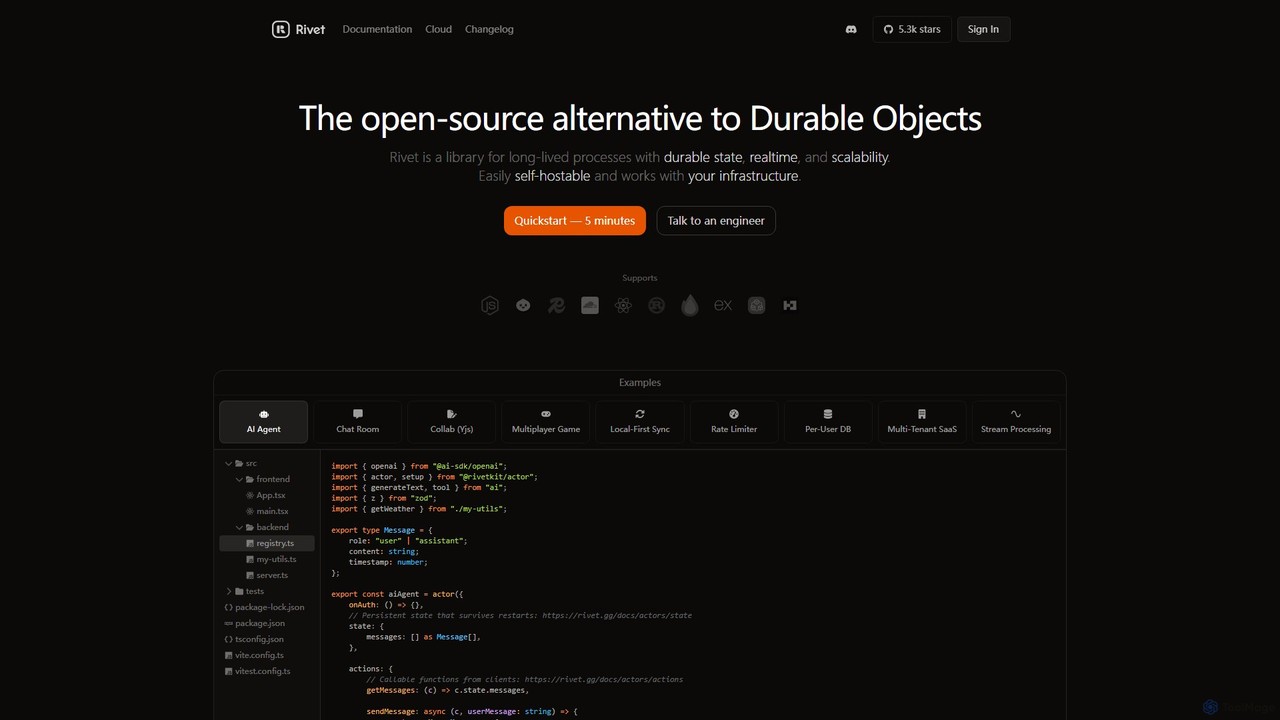
Rivet
Rivet is an open-source library for developers building scalable, real-time applications with durable state. It provides long-lived, stateful compute "actors" that simplify complex tasks like creating AI agents, collaborative apps, and multiplayer games. With features like built-in real-time communication, fault tolerance, and edge deployment, Rivet offers a powerful, self-hostable alternative to services like Cloudflare Durable Objects.
BackendBackmesh Categories
Backmesh Embed Widget
Copy this embed code to place the badge on your blog, article, or product site and send readers directly to this ToolMage detail page.

Related AI tools
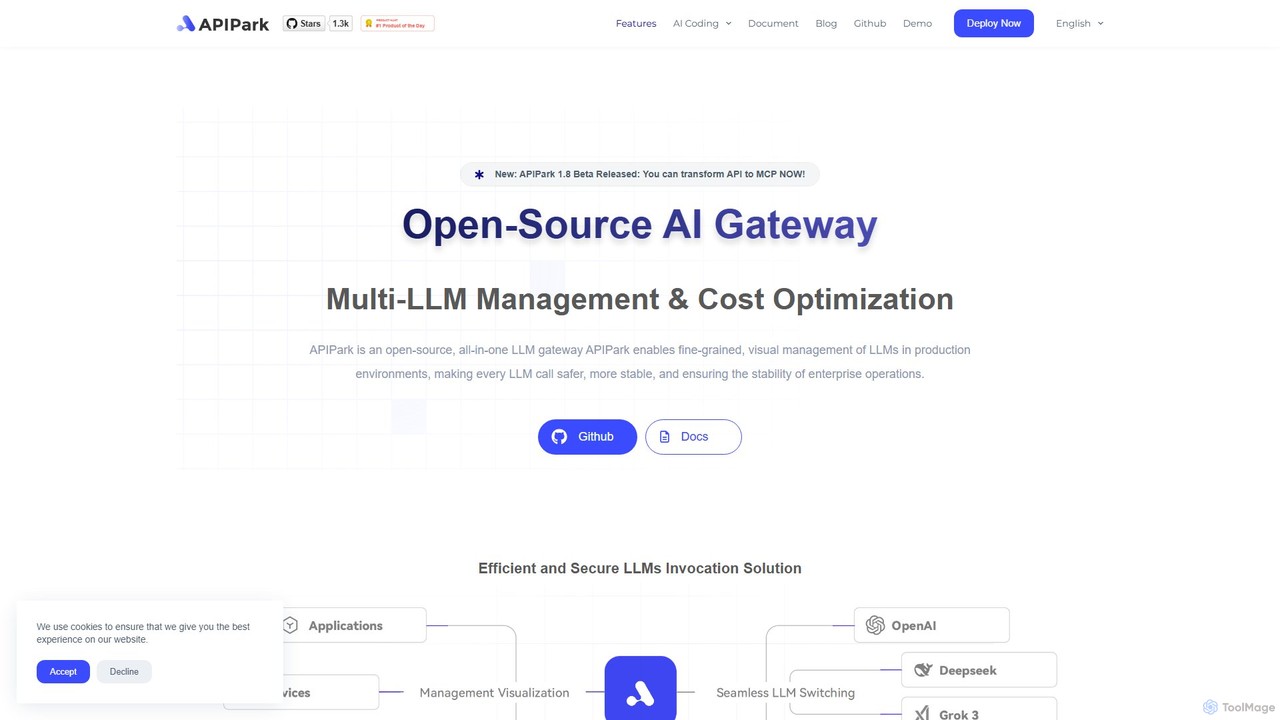
APIPark
APIPark is an open-source AI gateway and developer portal designed to help businesses manage, integrate, and deploy AI services efficiently. It centralizes LLM calls, reduces costs, and provides tools for API sharing, monitoring, and security.
Llm Gateway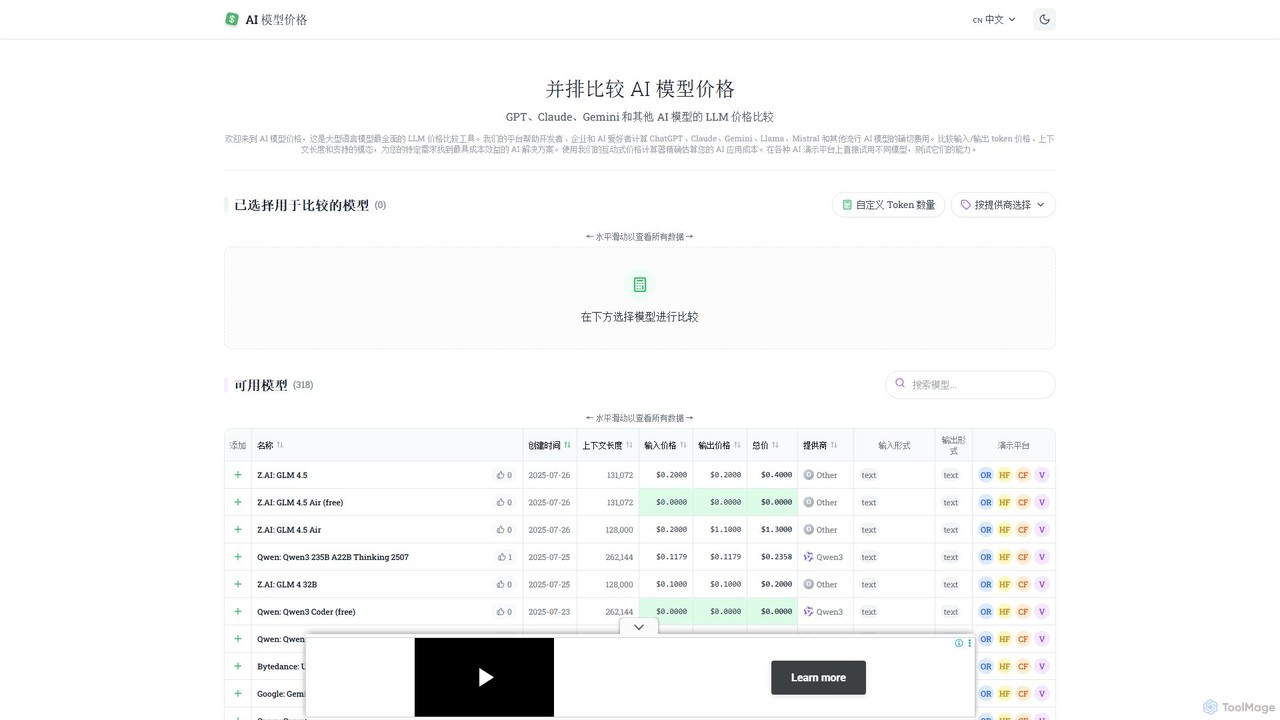
llm_price
llm_price is a comprehensive comparison tool for Large Language Model (LLM) API pricing. It enables developers, businesses, and AI enthusiasts to easily compare the costs of hundreds of models from providers like OpenAI, Google, Anthropic, and Mistral. With an interactive cost calculator and side-by-side analysis of token prices, context lengths, and modalities, it simplifies the process of selecting the most cost-effective AI solution for any project.
Api Management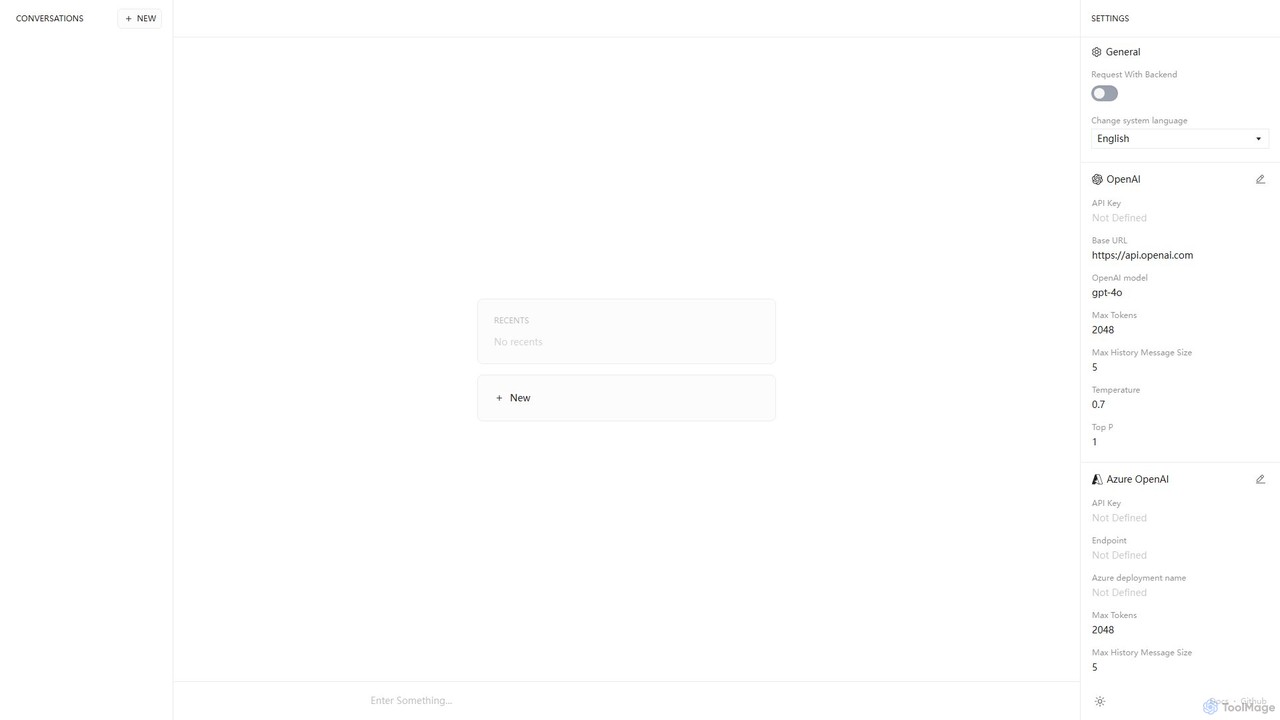
Anse
Anse is a free, open-source, and privacy-focused desktop AI client. It provides a unified interface to interact with various large language models from providers like OpenAI, Google, and Azure. By using your own API keys, you maintain full control over your data and costs, while enjoying advanced features and model customization in a sleek, minimalist application.
Ai Client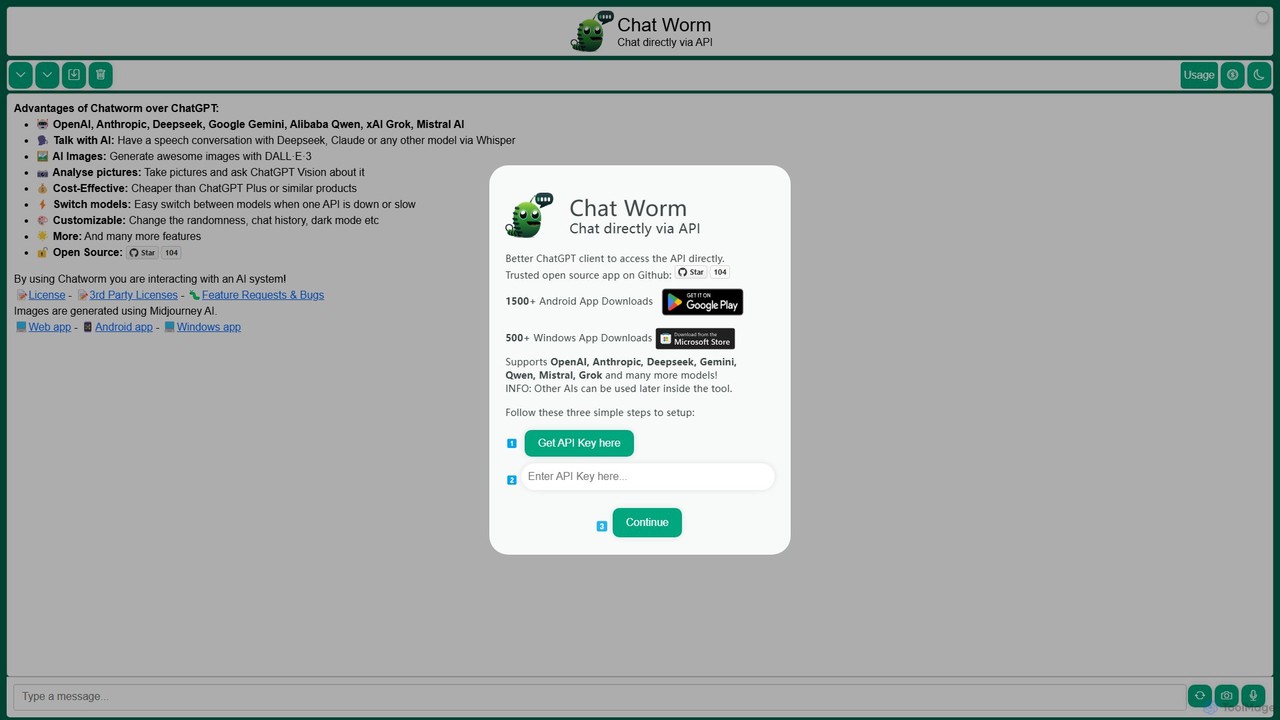
Chatworm
Chatworm is a versatile, open-source AI client that unifies access to multiple leading AI models like OpenAI's GPT, Anthropic's Claude, Google's Gemini, and more. It allows users to interact via text or voice, generate images, and analyze pictures, all within a single, customizable interface using their own API keys for a cost-effective experience.
Aggregator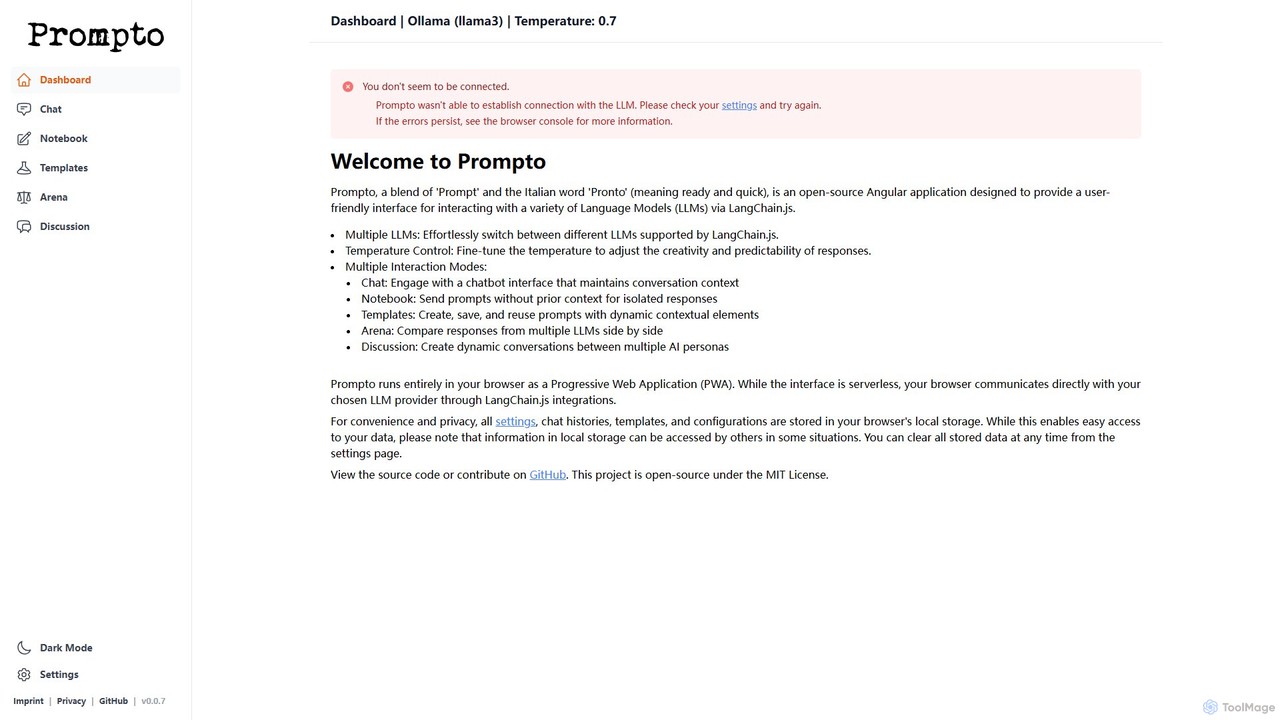
Prompto
Prompto is a free, open-source, browser-based interface for interacting with a wide range of Large Language Models (LLMs). It leverages LangChain.js to connect directly to providers like OpenAI, Anthropic, and local models via Ollama, offering advanced features like a model comparison Arena, prompt templates, and multi-AI discussions, all while prioritizing user privacy by storing data locally.
Model ComparisonSupabase
Supabase is an open-source Firebase alternative, providing a complete backend solution built on Postgres. It offers a suite of tools including a database, authentication, instant APIs, edge functions, real-time subscriptions, storage, and vector embeddings to accelerate application development from prototype to production.
BackendConvex
Convex is a backend-as-a-service platform for web developers, offering a reactive TypeScript database that simplifies building full-stack, real-time applications. It provides serverless functions, file storage, and vector search with end-to-end type safety, making it a powerful, developer-friendly alternative to Firebase.
BackendRivet
Rivet is an open-source library for developers building scalable, real-time applications with durable state. It provides long-lived, stateful compute "actors" that simplify complex tasks like creating AI agents, collaborative apps, and multiplayer games. With features like built-in real-time communication, fault tolerance, and edge deployment, Rivet offers a powerful, self-hostable alternative to services like Cloudflare Durable Objects.
Backend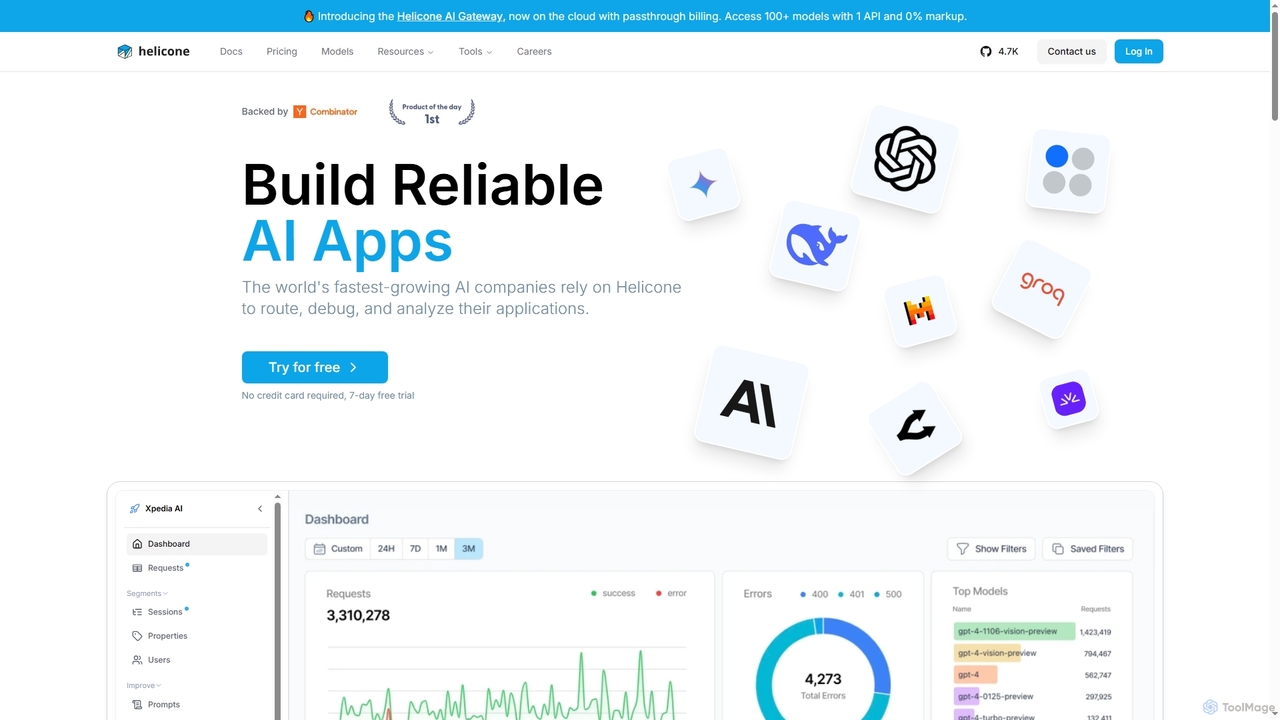
Helicone
Helicone is an open-source platform offering an AI Gateway and LLM Observability for developers. It helps build reliable AI applications by providing tools to route, monitor, debug, and analyze LLM usage. Key features include a unified API for 100+ models, intelligent caching, rate limiting, prompt management, and detailed performance analytics.
Api Management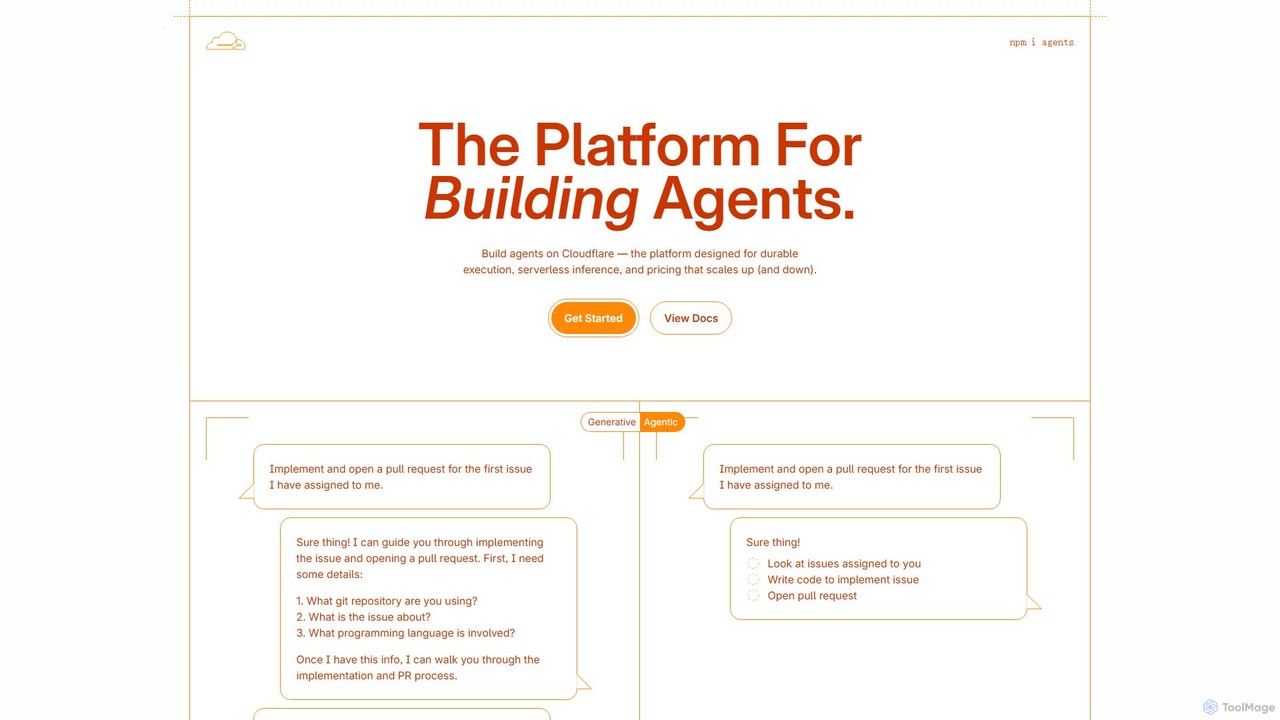
Cloudflare Agents
A comprehensive developer platform for building, deploying, and scaling autonomous AI agents. It leverages Cloudflare's serverless infrastructure for durable execution, efficient LLM inference, and a cost-effective, pay-as-you-go pricing model designed for unpredictable workloads.
Serverless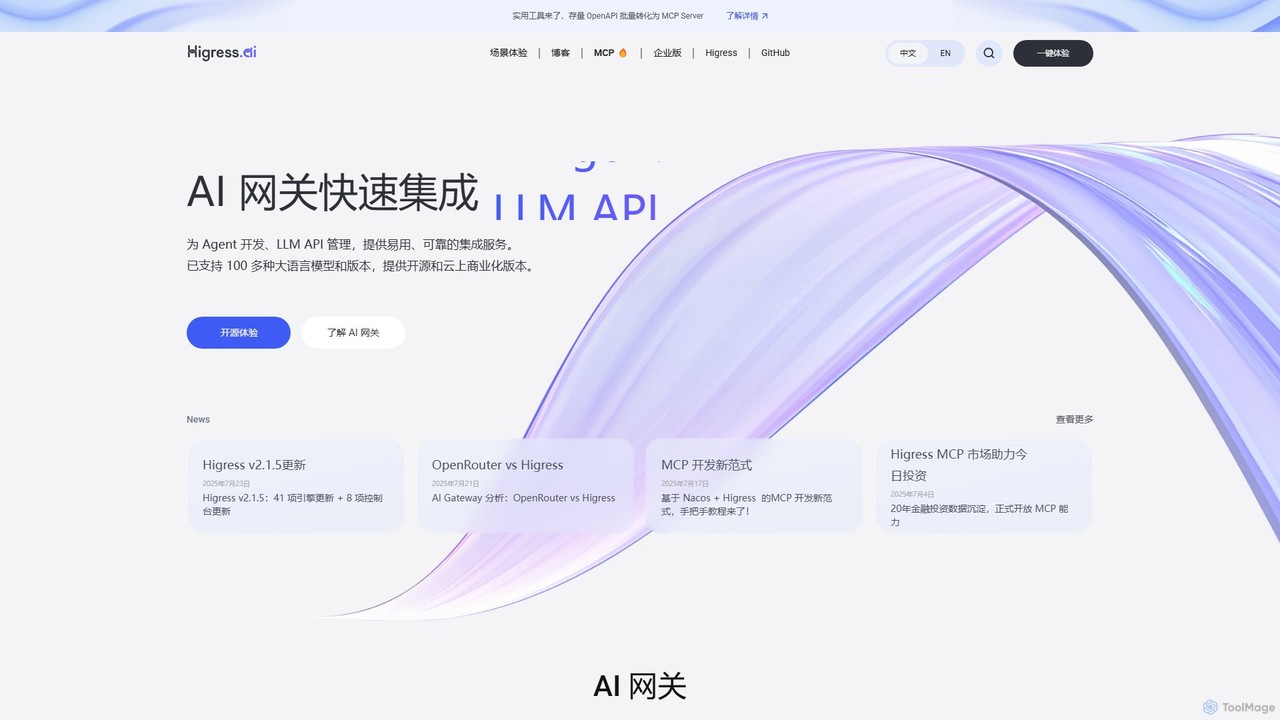
Higress.AI
Higress.AI is an advanced, open-source AI Gateway designed for developers and enterprises. It simplifies the integration and management of Large Language Models (LLMs) and AI Agents by providing a unified API proxy for over 100 models. Key features include REST to MCP conversion, semantic caching, token-based rate limiting, and a robust plugin system, enabling secure, scalable, and observable AI application infrastructure.
Model Deployment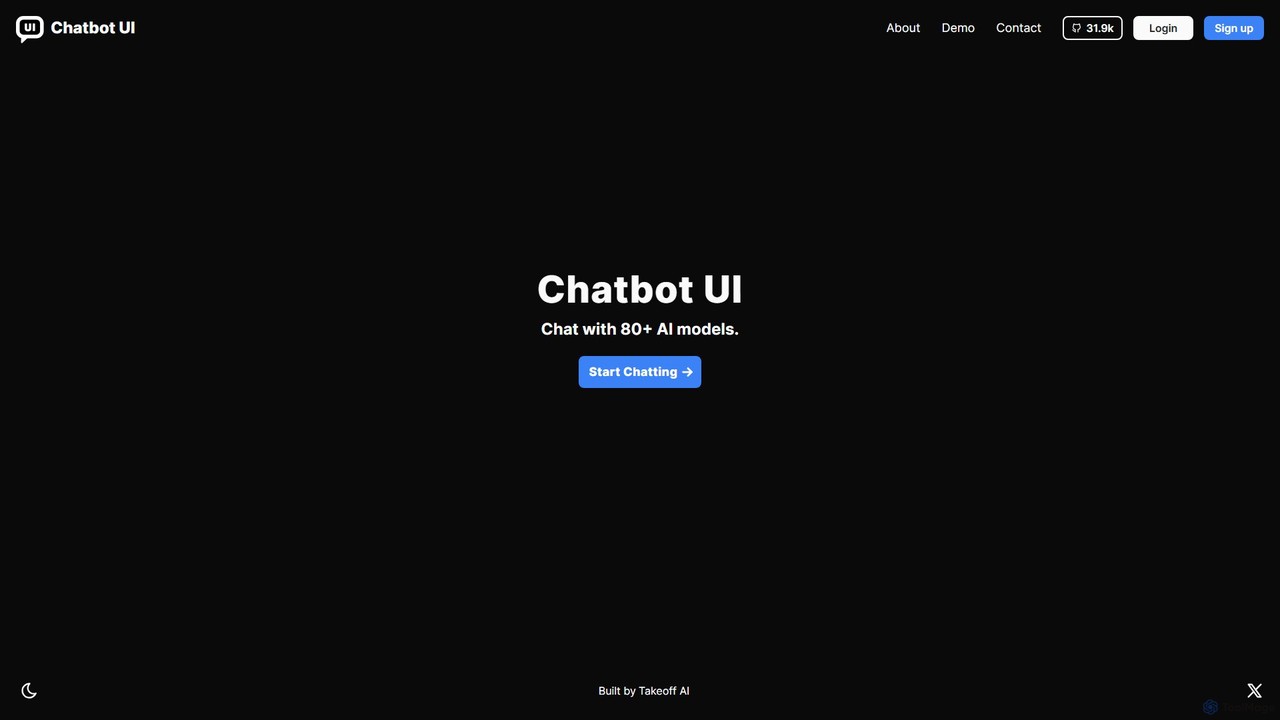
Chatbot UI
Chatbot UI is an open-source chatbot interface that allows you to connect with over 80 AI models, including those from OpenAI, Google, and Anthropic. It offers a self-hostable, customizable alternative to proprietary chat platforms, giving users full control over their data and conversations. Organize chats, create prompts, and seamlessly switch between models in a single, unified workspace.
Api Management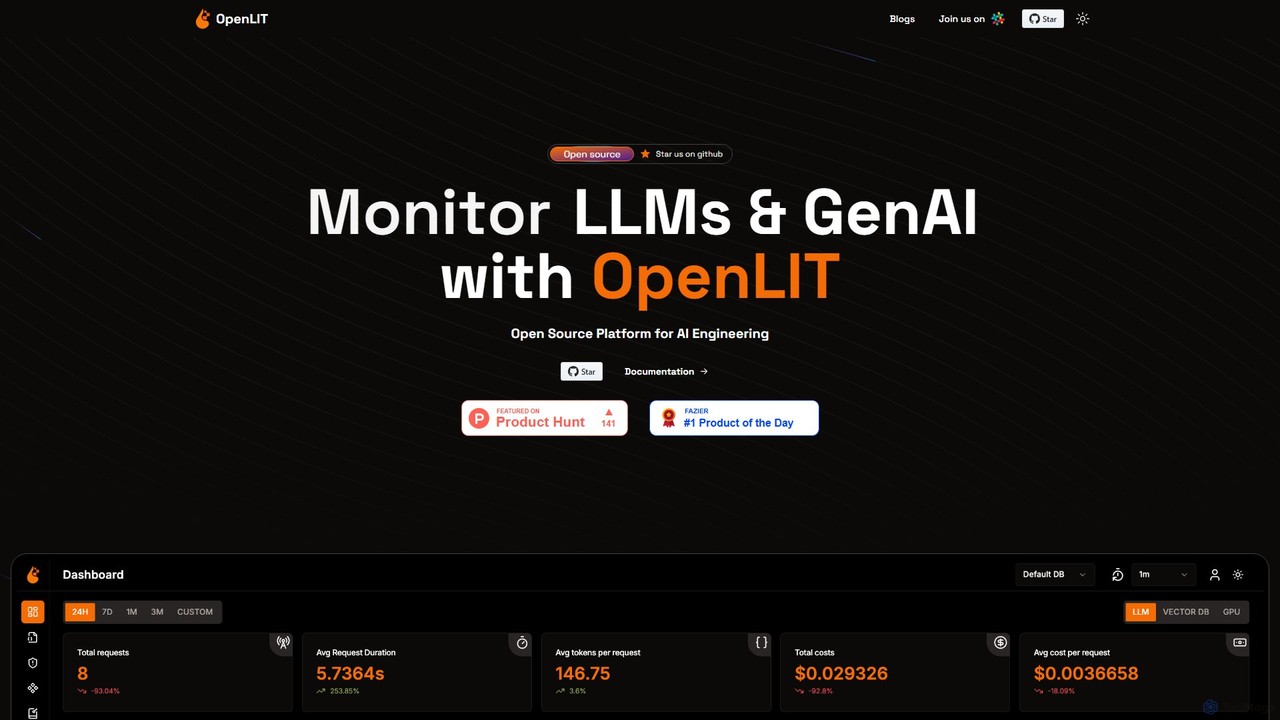
OpenLIT
OpenLIT is an open-source, OpenTelemetry-native observability platform for Generative AI and LLM applications. It simplifies development with tools for request tracing, cost tracking, exception monitoring, and performance analysis. Featuring a centralized prompt repository, a secure vault for secrets, and a playground for comparing LLMs, OpenLIT provides a comprehensive solution for monitoring and scaling AI applications efficiently.
Model Management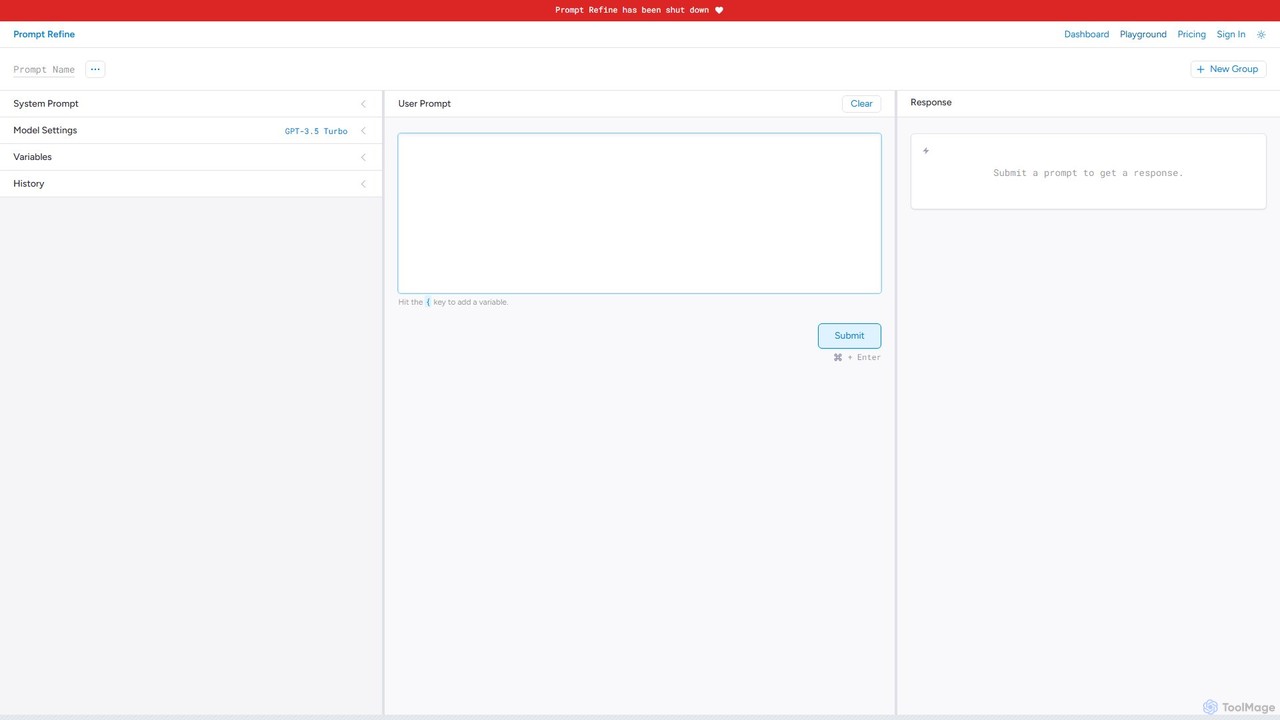
Prompt Refine
Prompt Refine is a powerful platform for prompt engineering, enabling developers and researchers to run systematic experiments. It helps you test, compare, version, and organize prompts for various LLMs like OpenAI and Anthropic, streamlining the optimization process and improving model output quality.
Model Management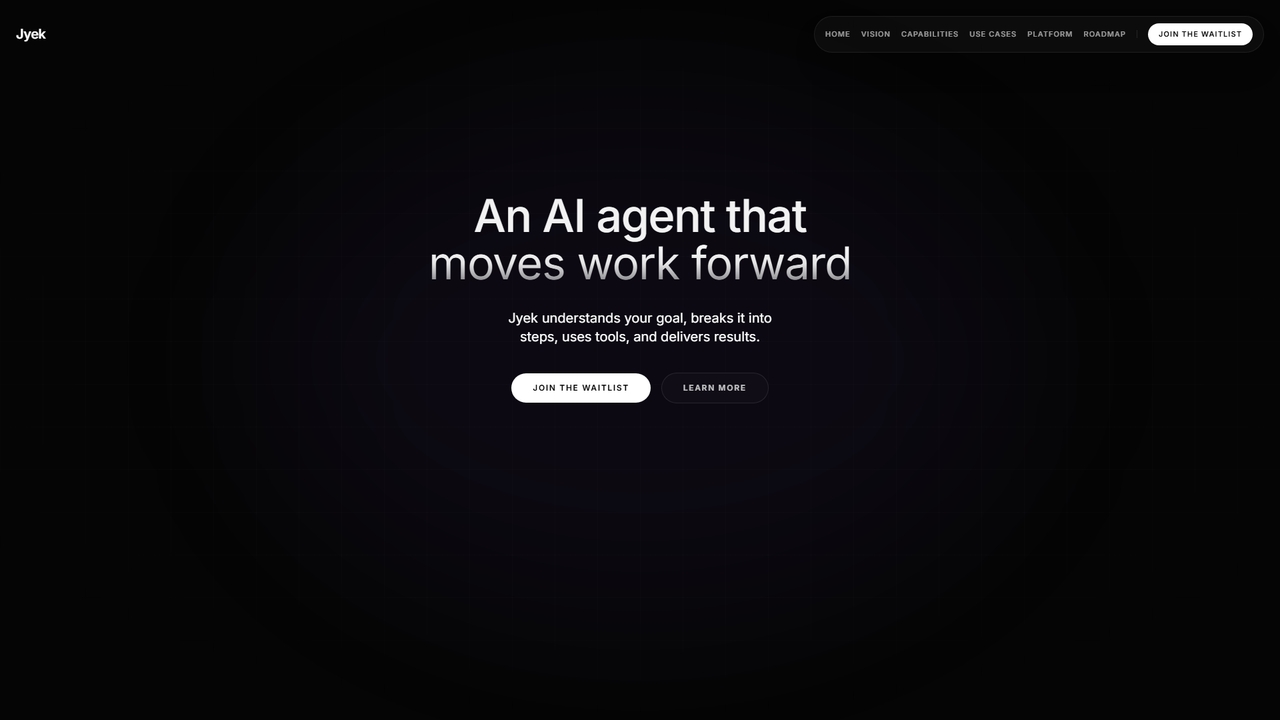
Jyek
Jyek is an AI agent platform that understands objectives, creates execution plans, uses tools, and delivers verifiable results for complex, multi-step tasks.
Automation
Backmesh Comments (0)
Sign in to comment.
Sign inNo comments yet.