

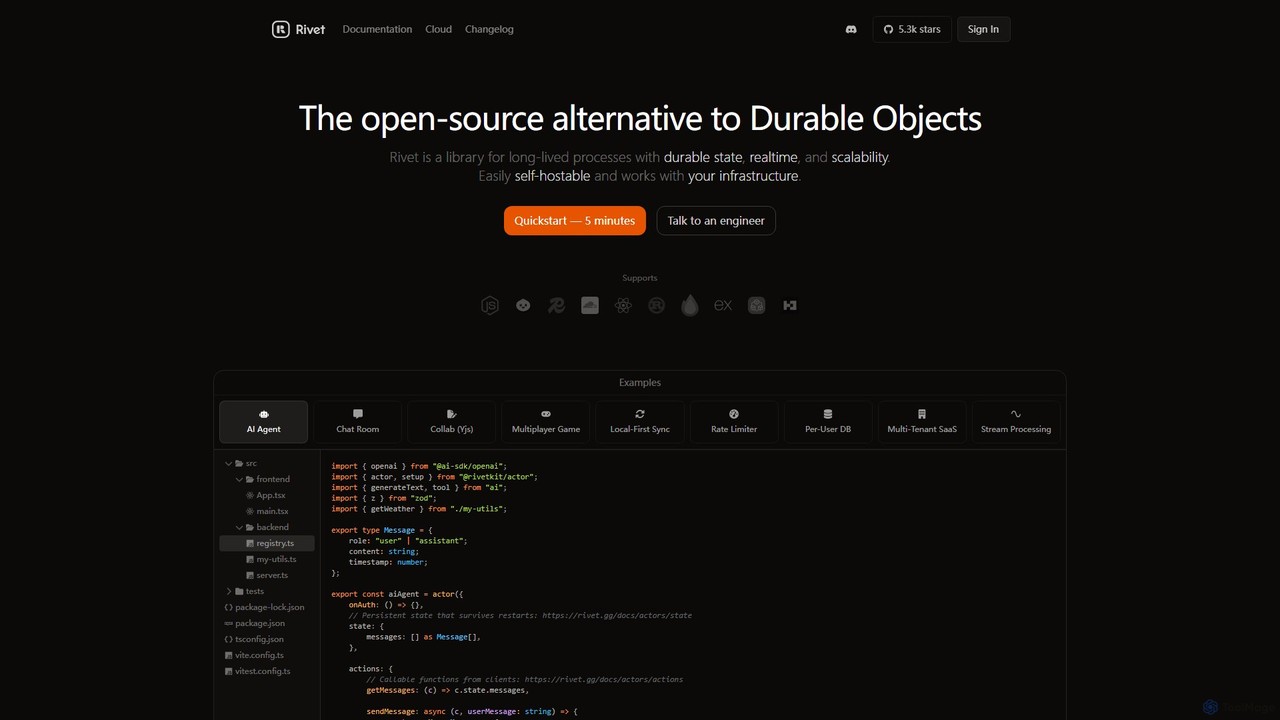
Rivet Overview
Rivet is an open-source library designed to empower developers to build modern, fast, and scalable real-time applications without unnecessary complexity. It serves as a powerful alternative to proprietary solutions like Cloudflare Durable Objects, offering a flexible, self-hostable framework for managing long-lived processes with durable state. At its core, Rivet uses an "actor model," where each actor is a lightweight, stateful unit of compute that can remember information between requests, eliminating the need for constant database lookups and overcoming typical serverless timeouts.
How to use Rivet
Getting started with Rivet is designed to be quick and intuitive, especially for developers familiar with TypeScript and Node.js environments.
- Installation: Begin by installing the Rivet actor library into your project using npm or your preferred package manager:
npm install @rivetkit/actor. - Define an Actor: Create a new file to define your actor. An actor consists of a persistent state, actions (functions that clients can call), and lifecycle hooks (e.g.,
onStart). You define the state's shape and implement the logic for each action, which can modify the state and broadcast events. - Setup and Registry: In your main server file, import your defined actors and register them using the
setupfunction from Rivet. This makes them available to be instantiated and used. - Integrate with a Framework: Expose your Rivet actors through an HTTP server. Rivet integrates seamlessly with popular backend frameworks like Express, Hono, and Elysia.
- Client Interaction: Use the Rivet client library in your frontend application (React, vanilla JS, etc.) or even a Rust client to connect to your actors. You can get or create actor instances, call their actions, and subscribe to real-time events.
- Develop and Debug: Leverage the Rivet Studio, a Postman-like tool for stateful serverless development. It allows you to inspect and edit actor state in real-time, call actions, monitor connections, and see code changes instantly with hot reloading.
Core Features of Rivet
- Long-Lived, Stateful Compute: Actors act like tiny, persistent servers that maintain state across requests, ideal for applications requiring memory and context.
- Blazing-Fast Reads & Writes: State is co-located with compute, minimizing latency by eliminating database round trips for state modifications.
- Realtime, Made Simple: Built-in support for WebSockets and Server-Sent Events (SSE) allows you to broadcast state changes to connected clients effortlessly, without external pub/sub systems.
- Infinite Scalability: Automatically scales from zero to millions of concurrent actors with a pay-for-what-you-use model and no cold starts.
- Fault Tolerance: Actors automatically restart on failure, preserving state integrity and ensuring continuous operation.
- End-to-End Type Safety: Full TypeScript support provides type inference and compile-time checking between clients and actors, reducing bugs.
- Runs Anywhere: Deploy on serverless platforms, your own infrastructure, or use the managed Rivet Cloud. It supports Node.js and Bun runtimes.
- Rivet Studio: A powerful local development tool for real-time debugging, state inspection, and interaction with your actors.
Use Cases for Rivet
Rivet's architecture is well-suited for a wide range of applications that require persistent state and real-time updates.
- AI & Automation: Build stateful AI agents that maintain conversation history, orchestrate complex AI workflows, or run long-running business processes with state persistence.
- Real-time Communication: Power real-time chat rooms with message history and user presence, create collaborative document editors (integrates with Yjs), and manage game state for multiplayer games.
- Data & Synchronization: Implement local-first sync for offline-capable applications, manage isolated data stores for multi-tenant SaaS products, and schedule time-based tasks with persistent state.
- Infrastructure: Create distributed rate limiters with persistent counters and build real-time stream processing pipelines.
Advantages of Rivet
Rivet offers a distinct set of advantages for modern application development. Its architecture simplifies development by unifying compute and state, reducing the need for complex, multi-component systems. The performance is exceptional due to co-located state and compute. The developer experience is enhanced by strong type safety and the powerful Rivet Studio. Finally, its open-source and self-hostable nature provides ultimate flexibility and prevents vendor lock-in, while the managed cloud option offers convenience and scalability.
Pricing and Plans
Rivet Cloud offers a flexible, freemium pricing model to suit projects of all sizes.
- Community Plan: $0/month. Includes $5 in free credits, community support, 2 seats, and is ideal for personal projects and experimentation.
- Pro Plan: Starts at $20/month + usage. Includes $20 in free credits per month, everything in the Community plan, unlimited seats, and email support. Designed for professional applications and small teams.
- Team Plan: Starts at $200/month + usage. Includes $200 in free credits per month, everything in the Pro plan, dedicated hardware, custom regions, and Slack support. Suited for growing businesses with higher performance needs.
- Enterprise Plan: Custom pricing. Offers everything in the Team plan plus priority support, SLAs, on-premise deployment options, and SSO integration.
Rivet Alternatives
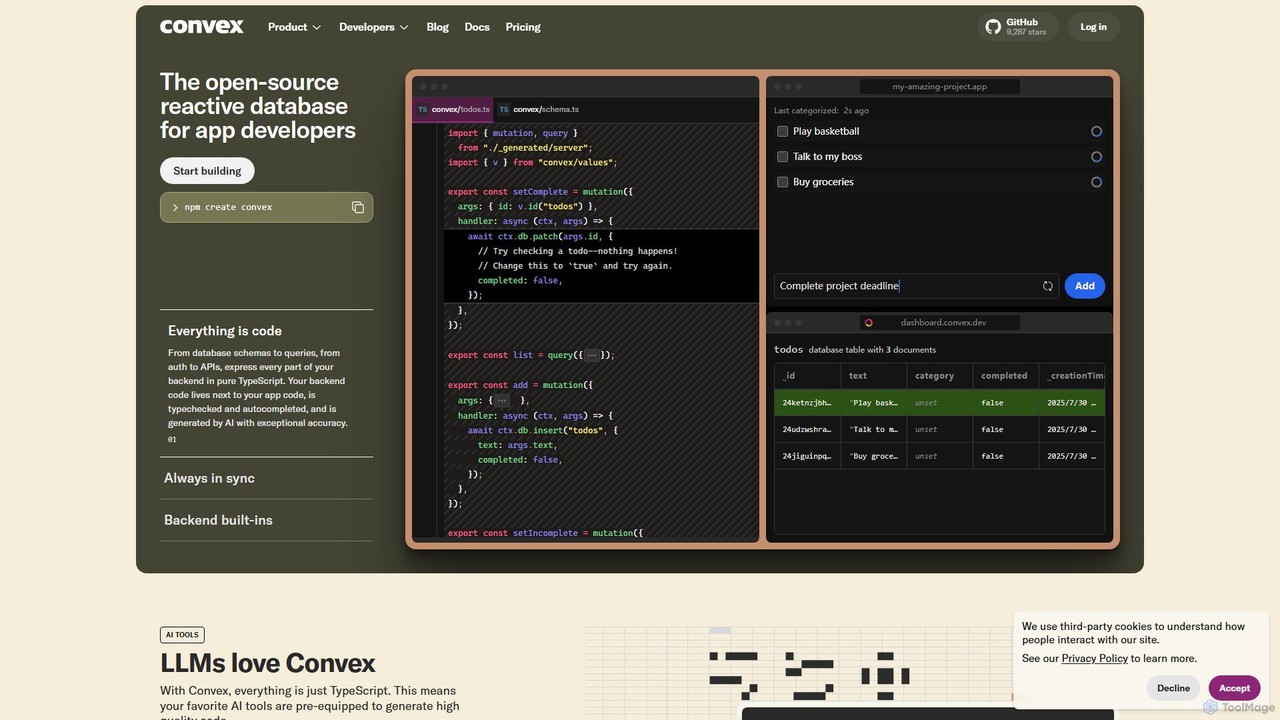
Convex
Convex is a backend-as-a-service platform for web developers, offering a reactive TypeScript database that simplifies building full-stack, real-time applications. It provides serverless functions, file storage, and vector search with end-to-end type safety, making it a powerful, developer-friendly alternative to Firebase.
Backend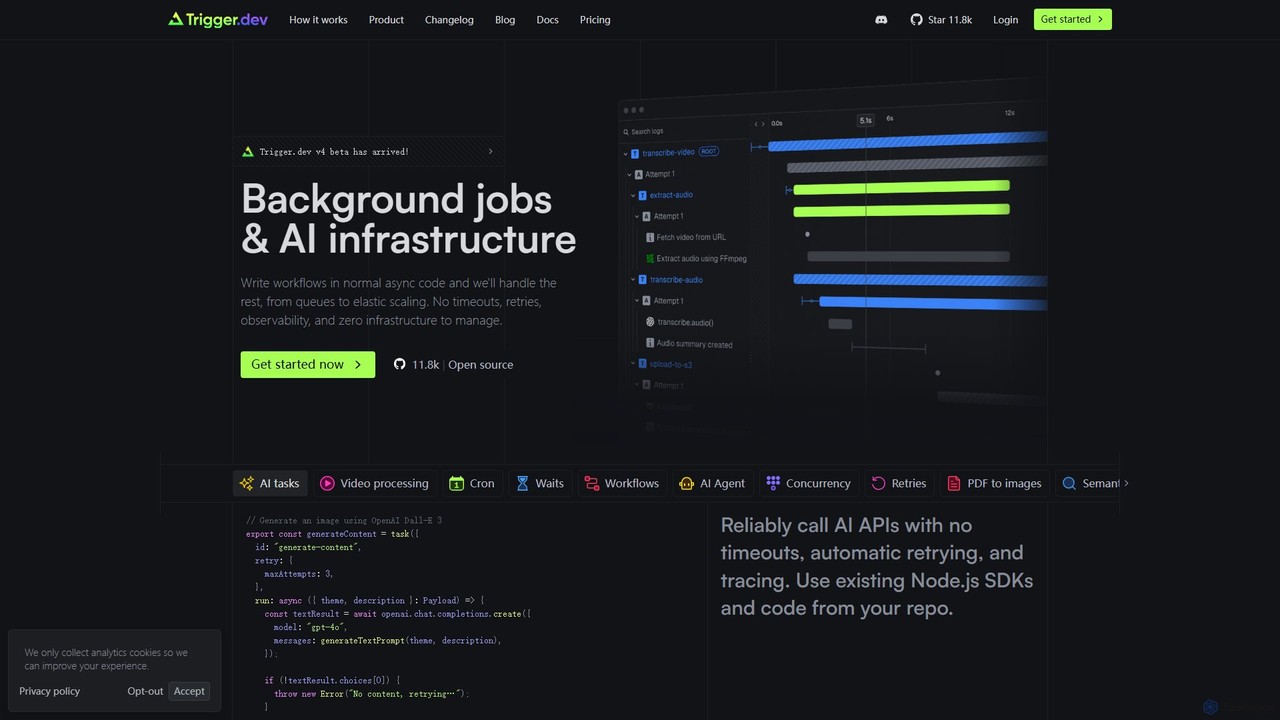
Trigger.dev
Trigger.dev is an open-source platform for developers to build, run, and manage long-running background jobs and AI workflows. It provides a robust infrastructure that handles timeouts, retries, and scaling, allowing you to write resilient tasks directly in your TypeScript or Python codebase. Ideal for orchestrating complex AI agents, data processing pipelines, and real-time applications without managing servers.
Model Orchestration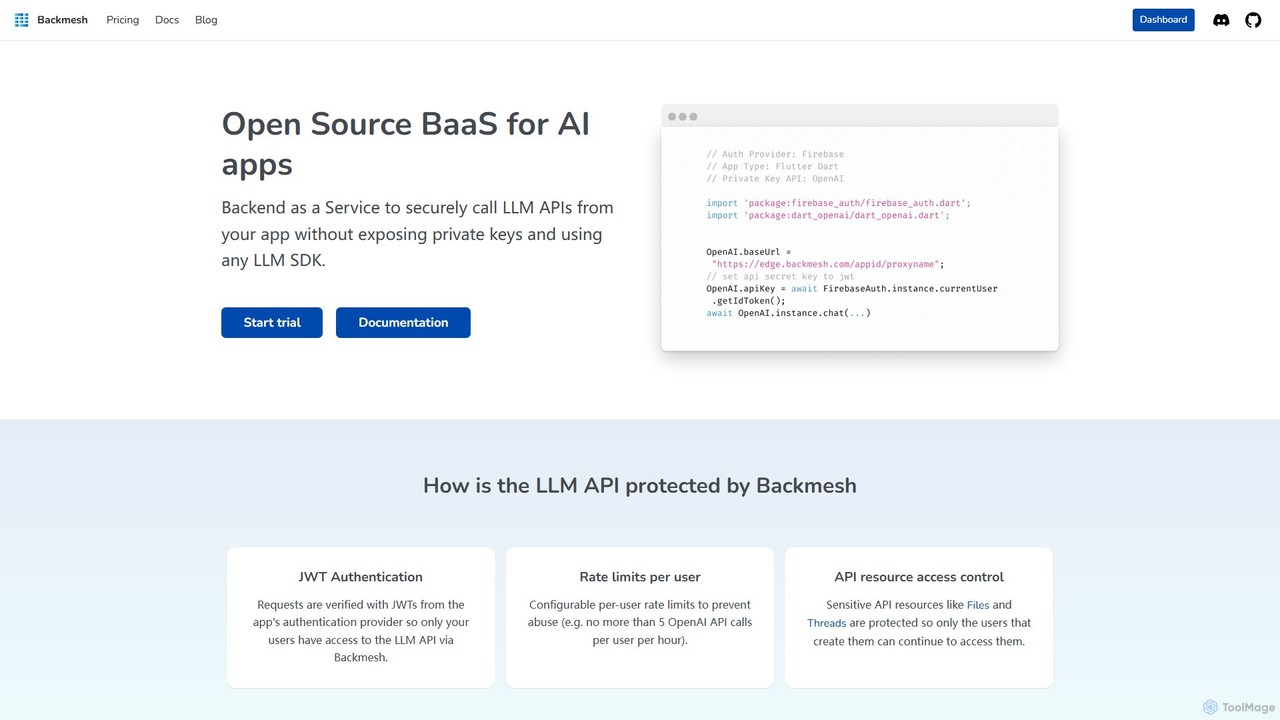
Backmesh
Backmesh is an open-source Backend as a Service (BaaS) designed for AI applications. It acts as a secure LLM API Gatekeeper, allowing developers to call LLM APIs like OpenAI and Gemini directly from web or mobile apps without exposing private keys. It offers features like JWT authentication, per-user rate limiting, and built-in analytics to manage and monitor API usage effectively.
Api
Supabase
Supabase is an open-source Firebase alternative, providing a complete backend solution built on Postgres. It offers a suite of tools including a database, authentication, instant APIs, edge functions, real-time subscriptions, storage, and vector embeddings to accelerate application development from prototype to production.
Backend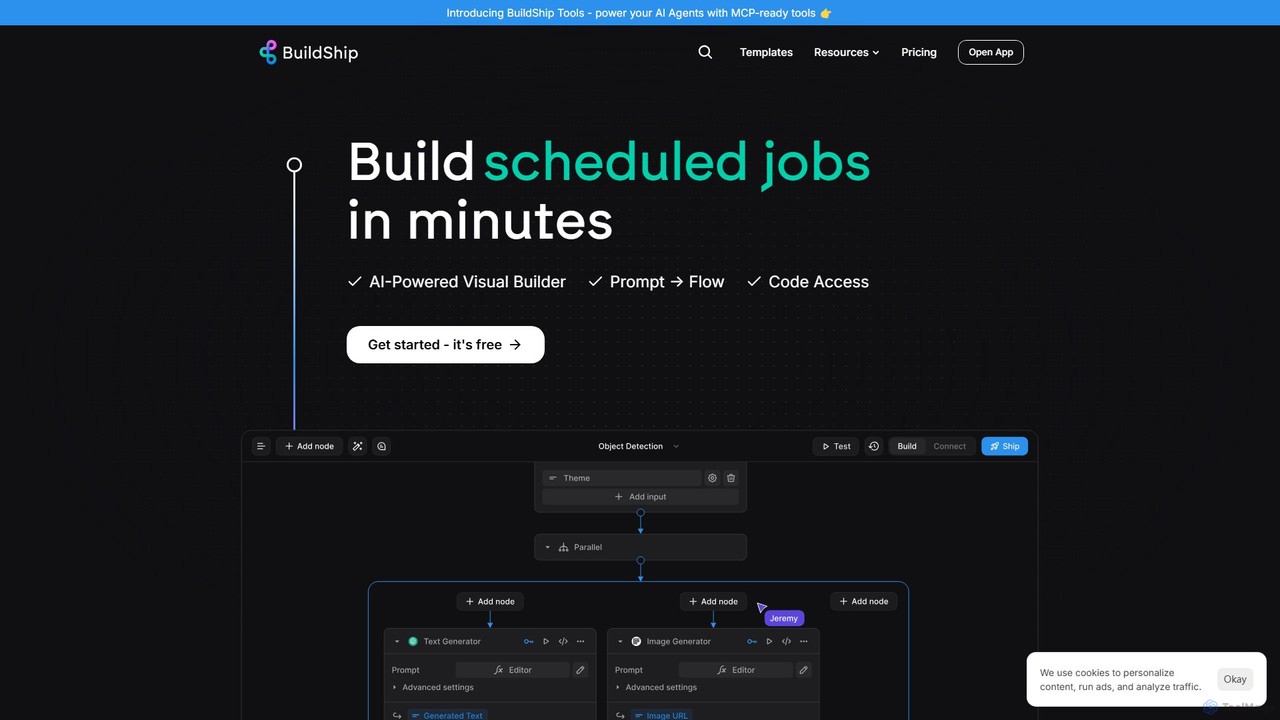
BuildShip
BuildShip is a low-code, AI-powered platform for visually building backend workflows, APIs, and scheduled jobs. Connect any AI model, database, or tool using a drag-and-drop interface or natural language prompts. Go from idea to a scalable, production-ready backend in minutes, with the flexibility to use JavaScript/TypeScript for advanced customization. Ideal for developers and creators alike.
ApiRivet Categories
Rivet Embed Widget
Copy this embed code to place the badge on your blog, article, or product site and send readers directly to this ToolMage detail page.

Related AI tools
Metorial
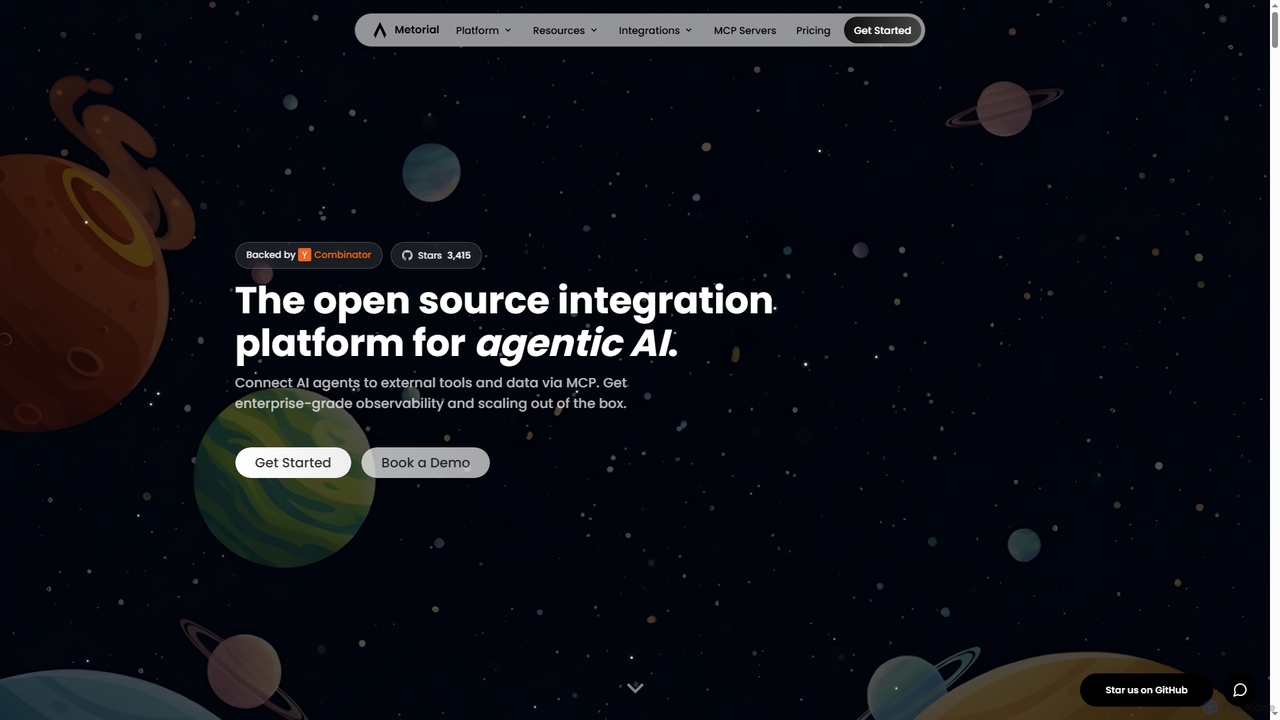
Metorial is an integration platform for AI agents, enabling developers to quickly build, deploy, and monitor powerful agentic AI applications. It provides seamless connections to hundreds of tools, data sources, and APIs via its serverless Model Context Protocol (MCP) platform, offering robust SDKs, observability, and enterprise-grade security for scalable AI solutions.
Agentic Ai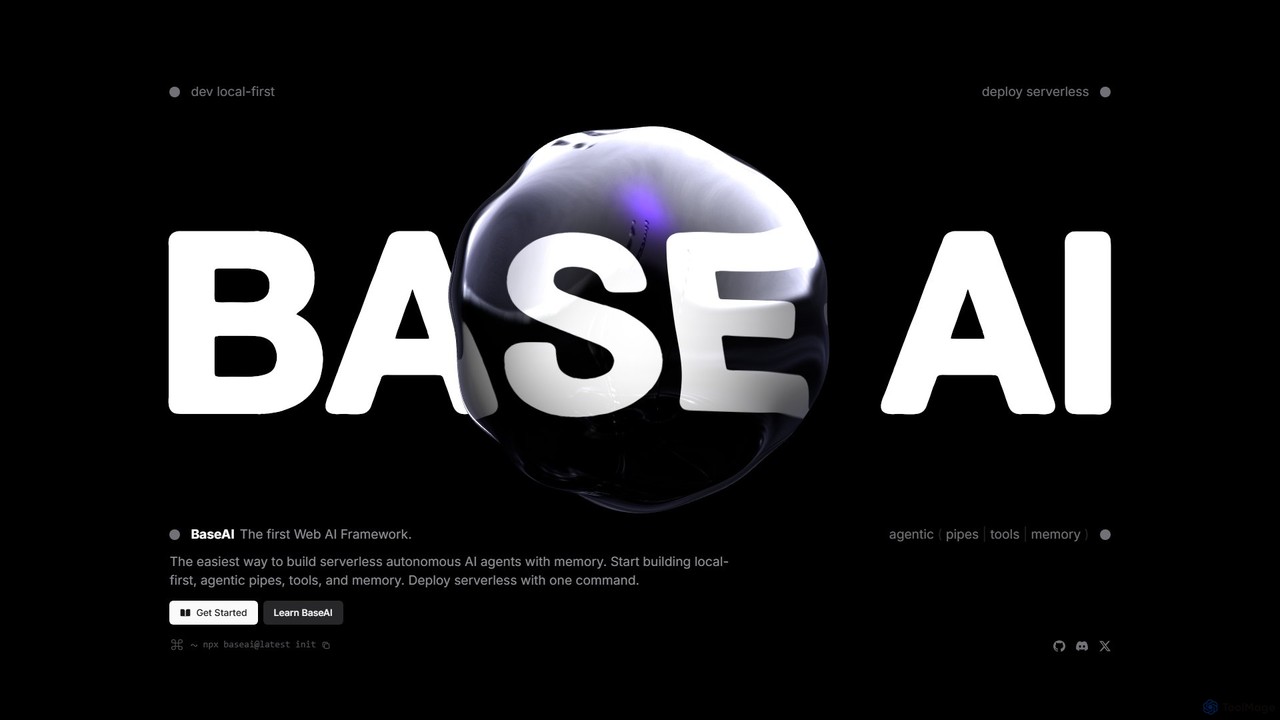
BaseAI
BaseAI is the first open-source Web AI Framework designed for developers to build, test, and deploy serverless autonomous AI agents with memory. Using Node.js and TypeScript, it offers a local-first development experience, composable components like Pipes (agents), Tools, and Memory (RAG), and seamless one-command deployment to the cloud.
FrameworksConvex
Convex is a backend-as-a-service platform for web developers, offering a reactive TypeScript database that simplifies building full-stack, real-time applications. It provides serverless functions, file storage, and vector search with end-to-end type safety, making it a powerful, developer-friendly alternative to Firebase.
BackendTrigger.dev
Trigger.dev is an open-source platform for developers to build, run, and manage long-running background jobs and AI workflows. It provides a robust infrastructure that handles timeouts, retries, and scaling, allowing you to write resilient tasks directly in your TypeScript or Python codebase. Ideal for orchestrating complex AI agents, data processing pipelines, and real-time applications without managing servers.
Model OrchestrationBackmesh
Backmesh is an open-source Backend as a Service (BaaS) designed for AI applications. It acts as a secure LLM API Gatekeeper, allowing developers to call LLM APIs like OpenAI and Gemini directly from web or mobile apps without exposing private keys. It offers features like JWT authentication, per-user rate limiting, and built-in analytics to manage and monitor API usage effectively.
Api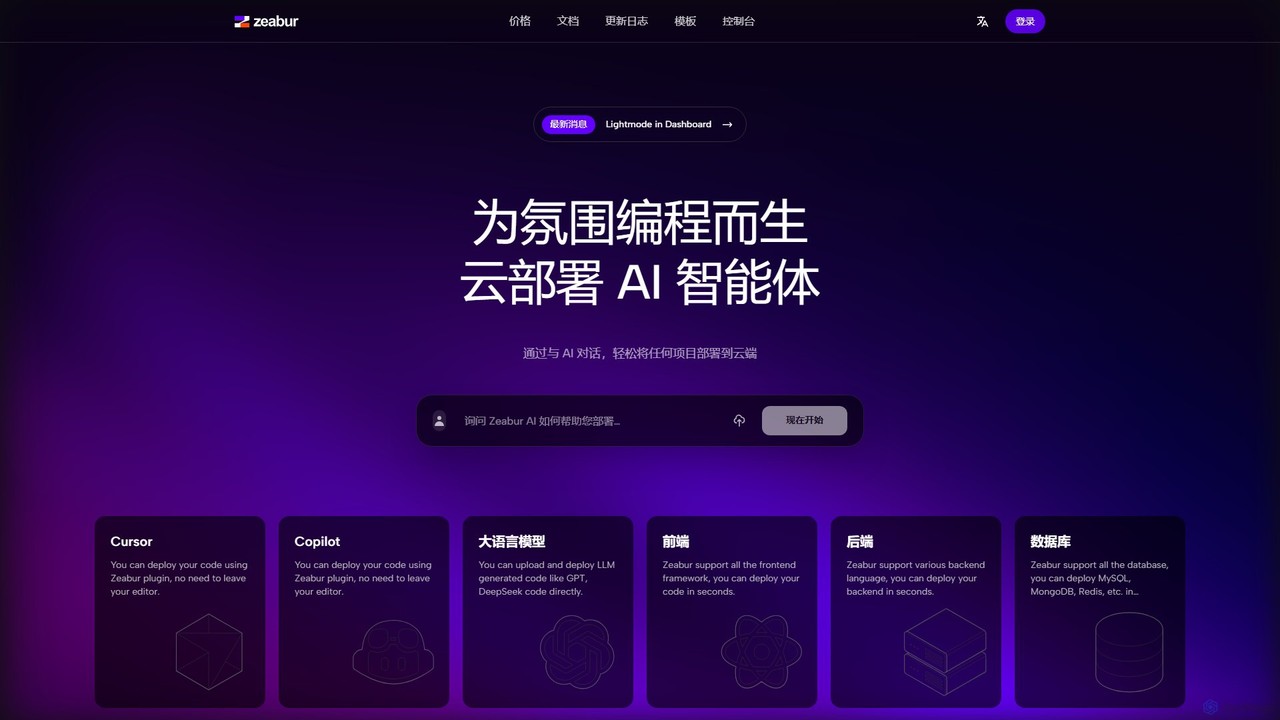
Zeabur
Zeabur is an AI-powered deployment platform (PaaS) designed for developers. It enables one-click deployment for any project, including front-end, back-end, databases, and AI agents, directly from code or through conversational AI. Featuring a pay-as-you-go model, automatic configuration, and auto-scaling, Zeabur simplifies cloud infrastructure, allowing developers to focus solely on coding.
Deployment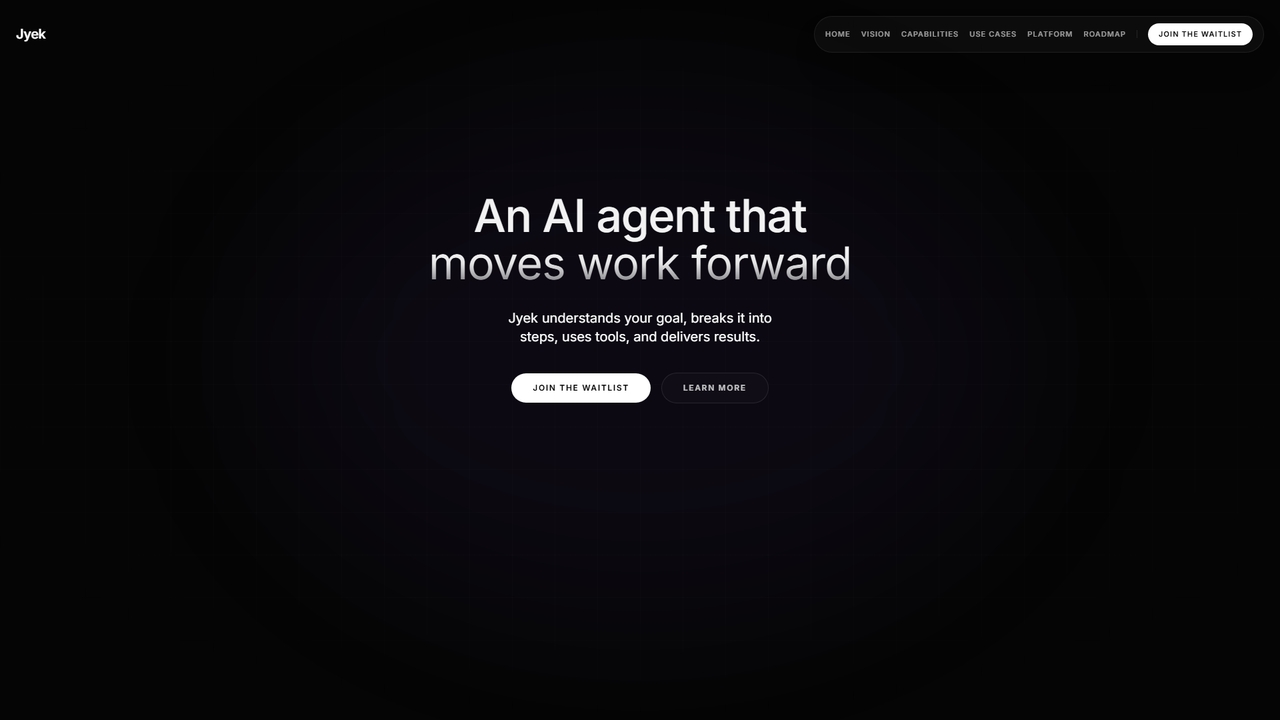
Jyek
Jyek is an AI agent platform that understands objectives, creates execution plans, uses tools, and delivers verifiable results for complex, multi-step tasks.
Automation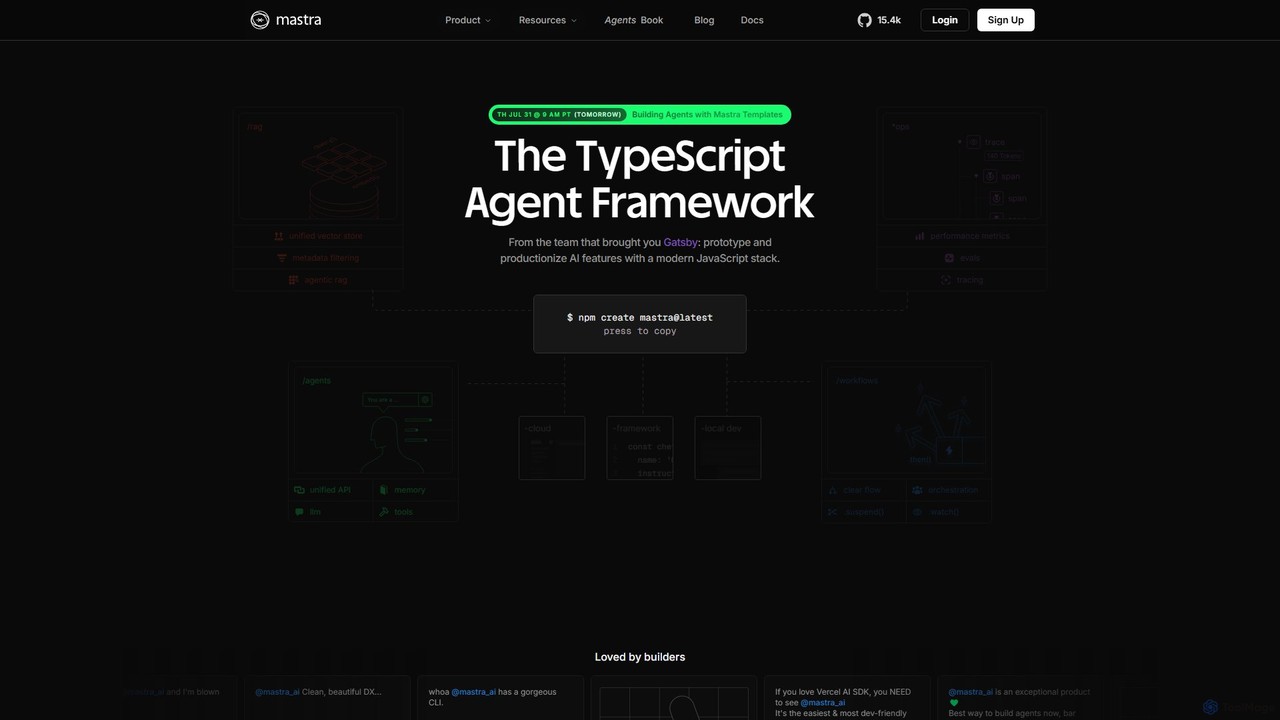
Mastra
Mastra is an open-source TypeScript framework designed for developers to build, deploy, and manage sophisticated AI agents and complex workflows. It provides a developer-friendly SDK with features like persistent memory, tool calling, Retrieval-Augmented Generation (RAG), and deterministic workflow graphs. Built by the team behind Gatsby, Mastra simplifies creating production-ready AI applications within the JavaScript ecosystem.
Agent Builder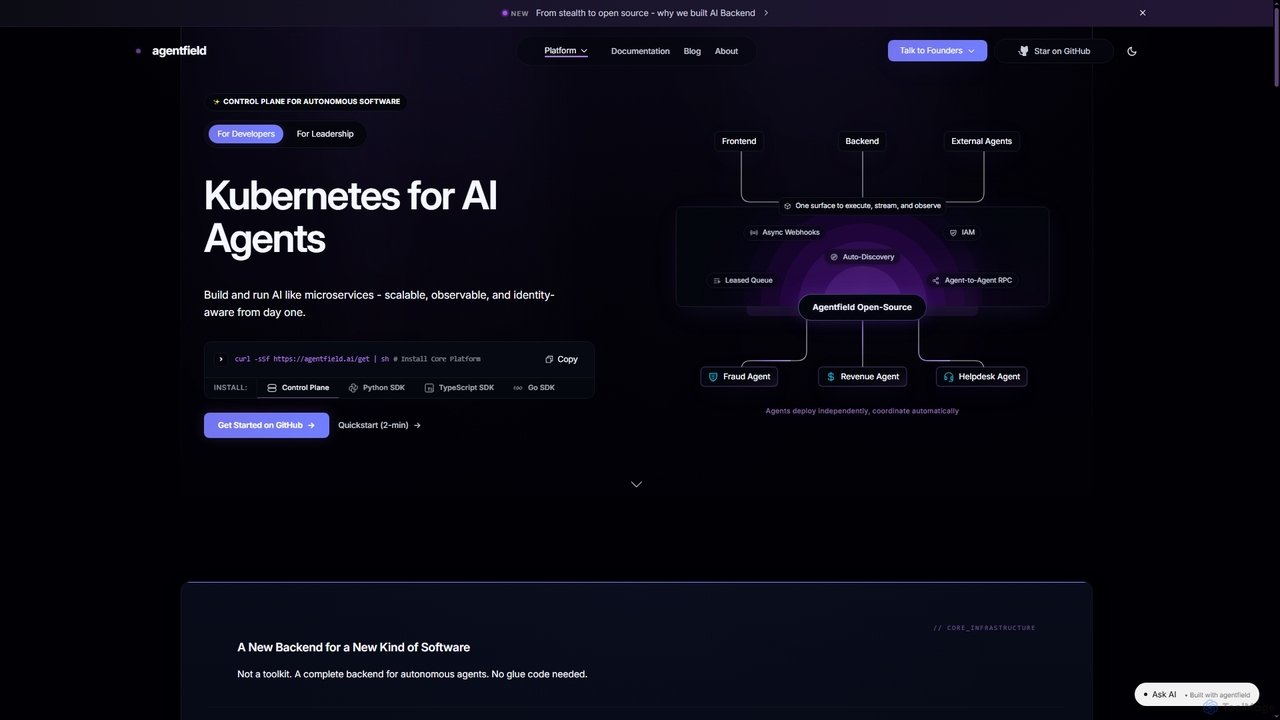
Agentfield
Agentfield is an open-source control plane designed for building and running autonomous AI agents as scalable, observable, and identity-aware microservices. It provides Kubernetes-like orchestration, cryptographic identity management, and production-ready infrastructure to bridge the gap between AI prototypes and robust, trustworthy production deployments.
Orchestration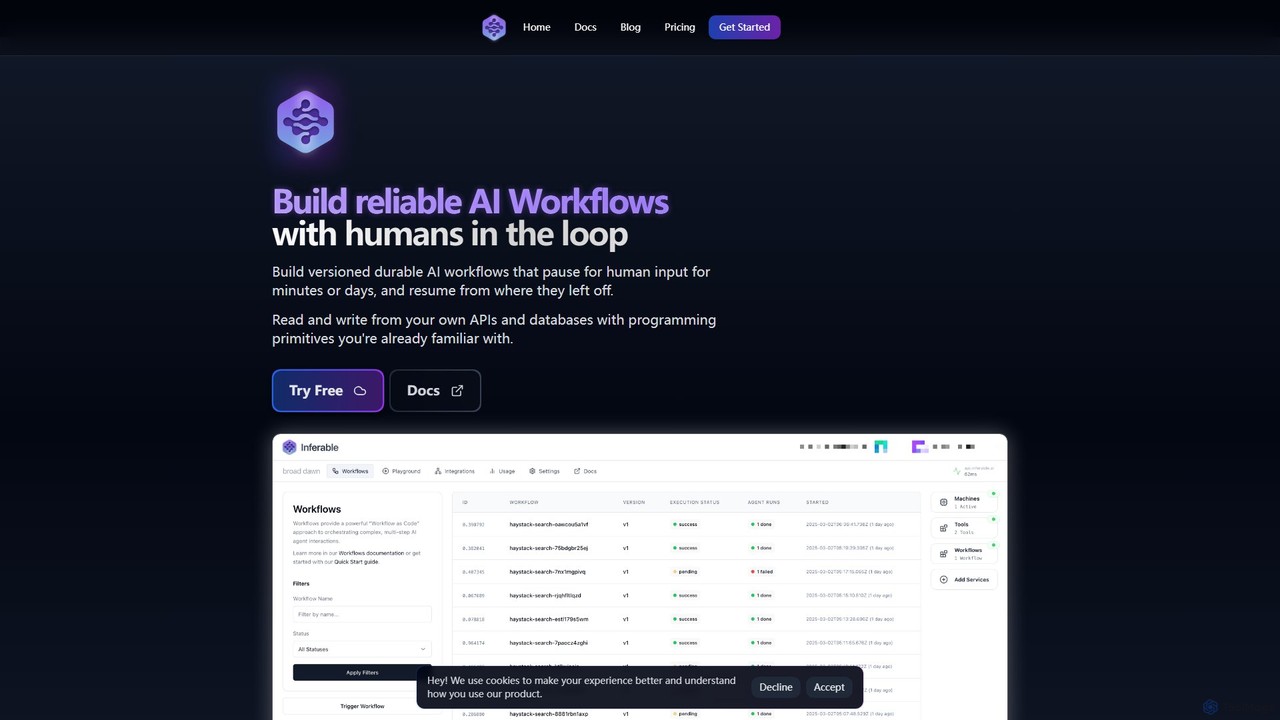
Inferable
Inferable is an open-source, self-hostable developer platform for building reliable, durable, and versioned AI agents and workflows. It enables the creation of complex, long-running processes with human-in-the-loop capabilities, structured outputs, and on-premise execution for maximum security and control.
Agent Builder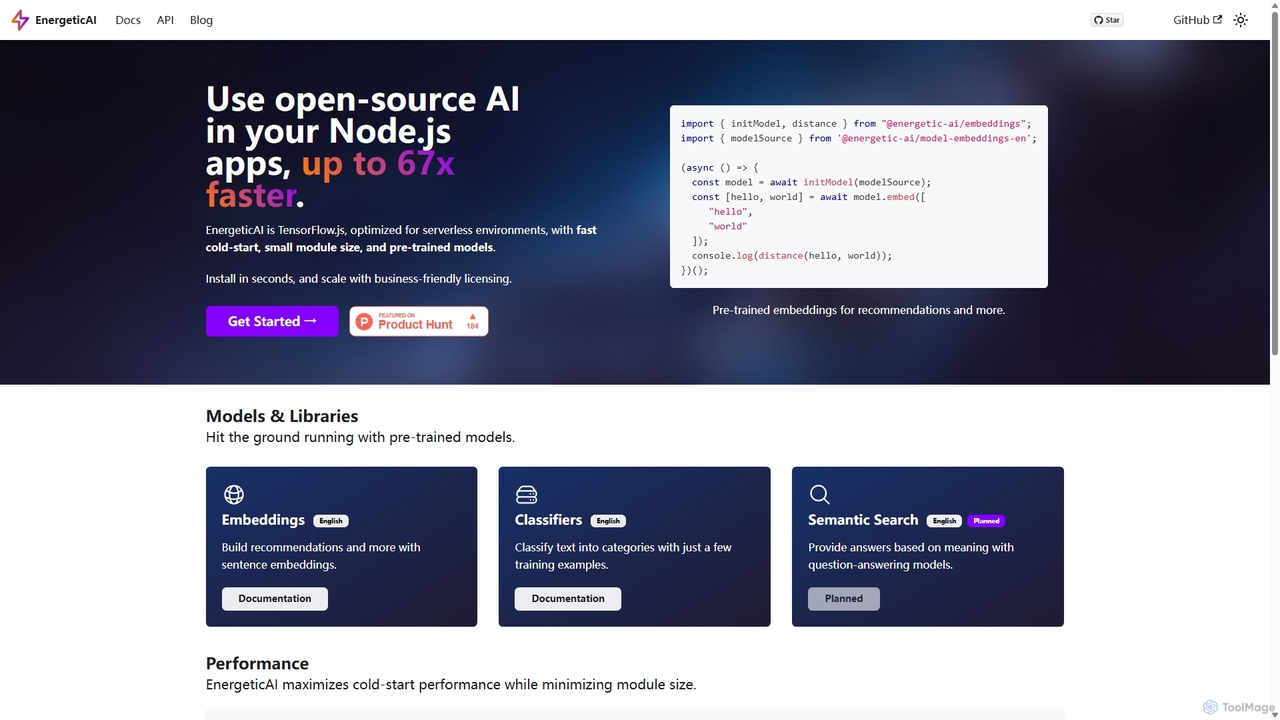
EnergeticAI
EnergeticAI is an open-source Node.js library for integrating AI models into applications, specifically optimized for serverless environments. It provides a high-performance, low-latency alternative to standard TensorFlow.js, featuring a minimal module size and rapid cold-start times. With pre-trained models for embeddings and few-shot text classification, developers can easily build features like semantic search, recommendations, and content categorization without relying on third-party APIs, ensuring data privacy and cost control.
Libraries & Frameworks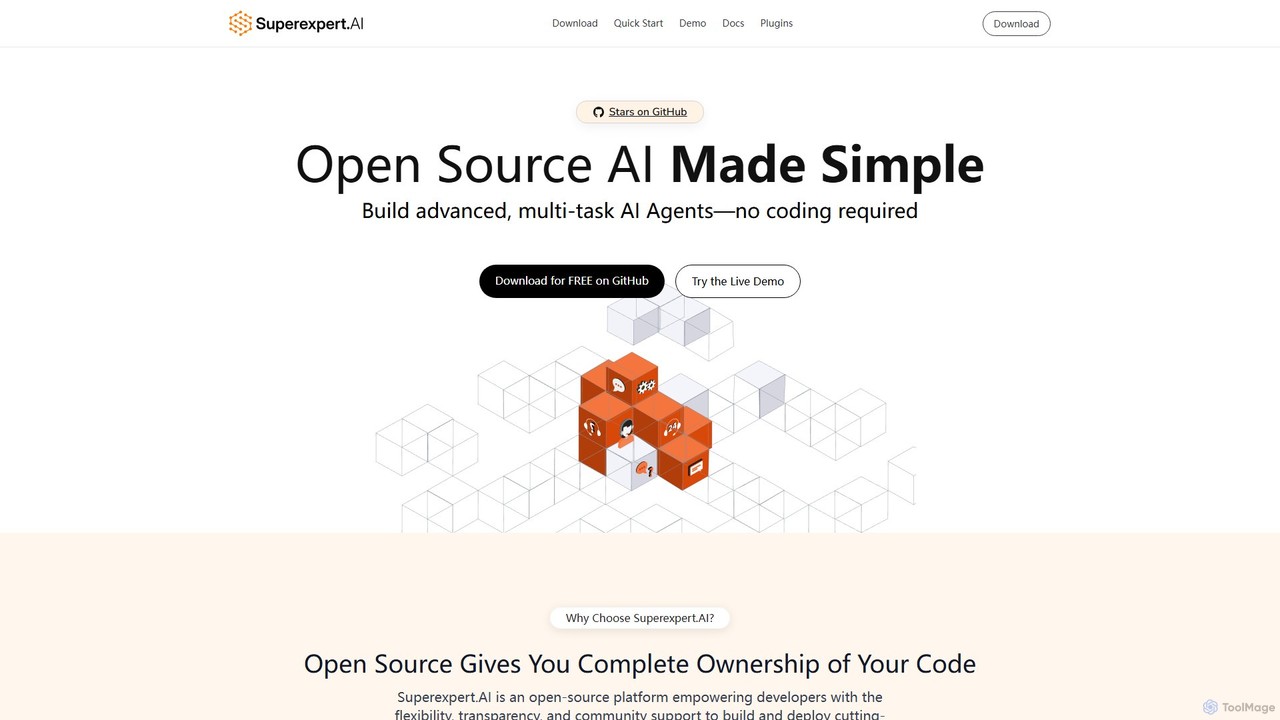
Superexpert.AI
Superexpert.AI is an open-source platform for building advanced, multi-task AI agents without coding. It offers complete code ownership, flexibility to integrate custom tools, and support for various LLMs like OpenAI, Anthropic, and Gemini. Developers can quickly build and deploy scalable AI solutions, from simple chatbots to complex agents with RAG capabilities, on any hosting provider that supports Node.js and PostgreSQL. It's designed for rapid development, customization, and full control over your AI applications.
Knowledge BaseSupabase
Supabase is an open-source Firebase alternative, providing a complete backend solution built on Postgres. It offers a suite of tools including a database, authentication, instant APIs, edge functions, real-time subscriptions, storage, and vector embeddings to accelerate application development from prototype to production.
BackendBuildShip
BuildShip is a low-code, AI-powered platform for visually building backend workflows, APIs, and scheduled jobs. Connect any AI model, database, or tool using a drag-and-drop interface or natural language prompts. Go from idea to a scalable, production-ready backend in minutes, with the flexibility to use JavaScript/TypeScript for advanced customization. Ideal for developers and creators alike.
Api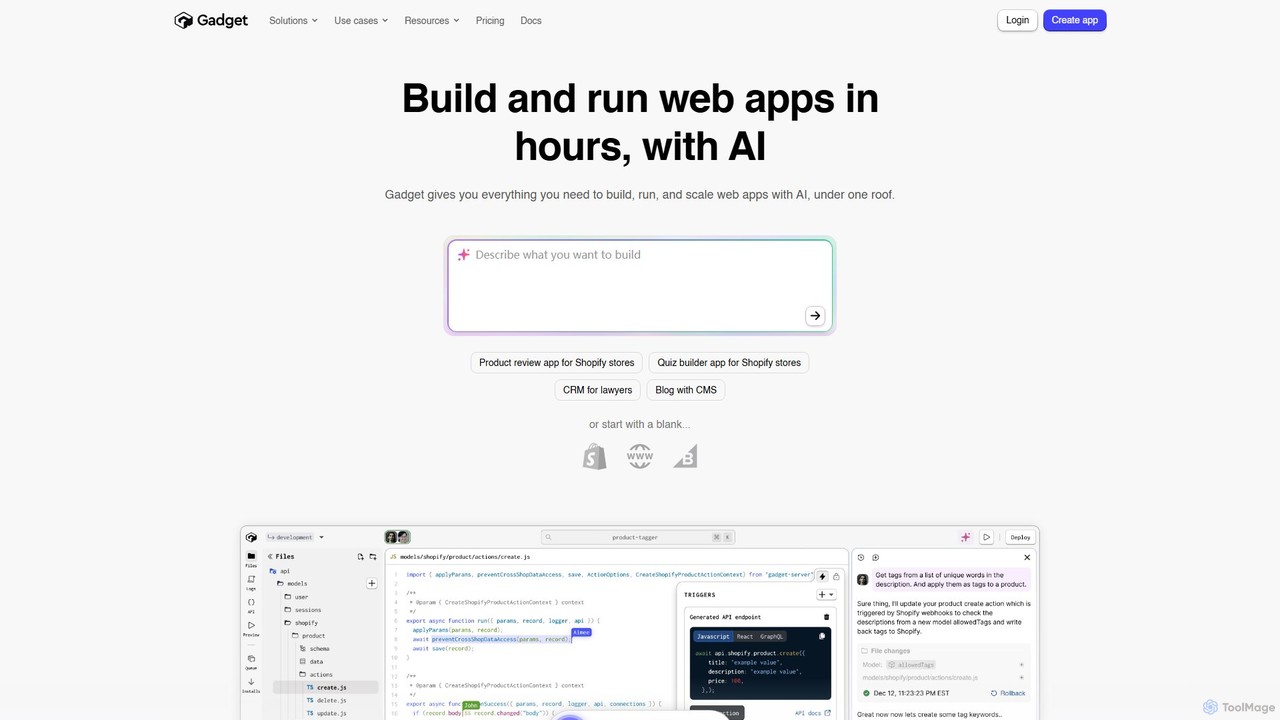
Gadget
Gadget is an all-in-one, serverless development platform designed to accelerate full-stack web application development, especially for the Shopify ecosystem. It automates backend infrastructure, including databases, APIs, and authentication, allowing developers to build and launch scalable apps, like Shopify apps, significantly faster. An integrated AI assistant further streamlines the coding process.
Backend
Rivet Comments (0)
Sign in to comment.
Sign inNo comments yet.