

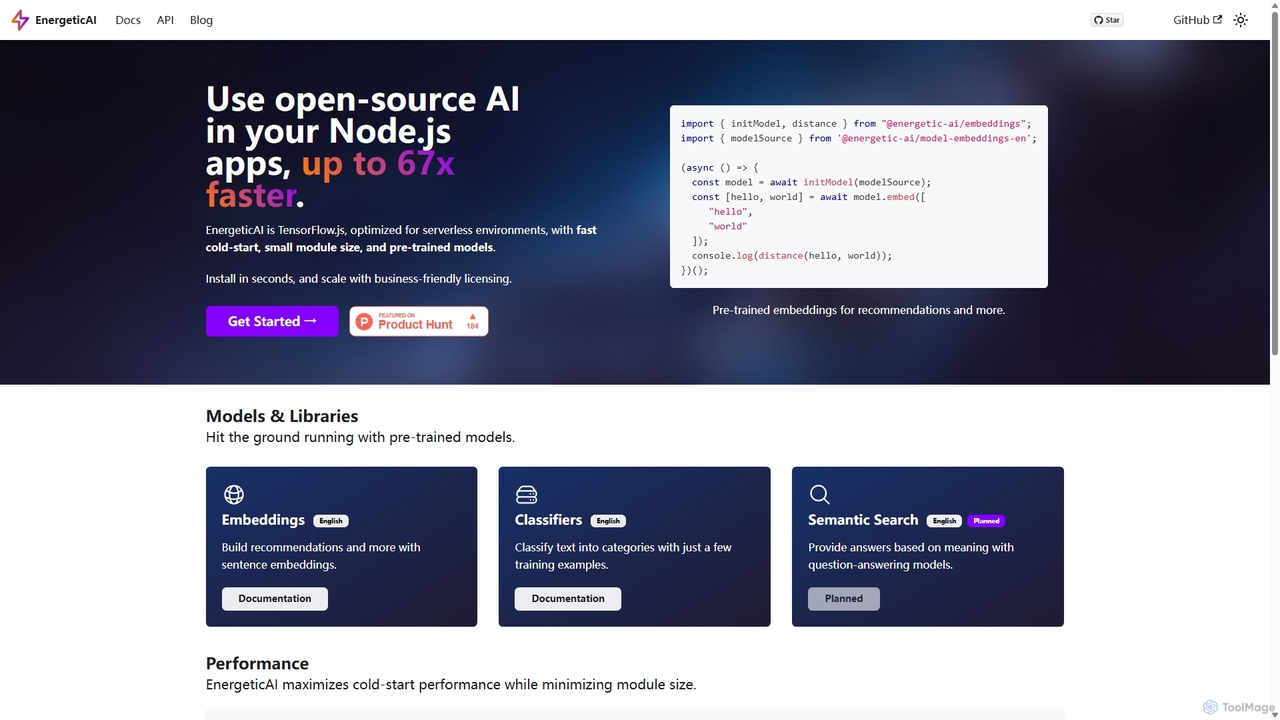
EnergeticAI Overview
EnergeticAI is a powerful open-source library designed to make it easy for developers to use AI models directly within their Node.js applications. It serves as a highly optimized distribution of TensorFlow.js, tailored specifically for the constraints of serverless environments like AWS Lambda or Vercel Functions. The primary goal of EnergeticAI is to overcome the common challenges of using machine learning models in serverless architectures, such as large module sizes and slow cold-start times, which can lead to high latency and poor user experience.
By providing a condensed, high-performance replacement for standard TensorFlow.js, EnergeticAI enables developers to build sophisticated AI-powered features with minimal overhead. It comes with pre-trained models for common Natural Language Processing (NLP) tasks, allowing for rapid implementation without the need for extensive machine learning expertise or reliance on costly and proprietary third-party APIs. This self-hosted approach ensures full control over data, enhances privacy, and eliminates vendor lock-in.
How to use EnergeticAI
Getting started with EnergeticAI is straightforward and designed for a seamless developer experience. It can be installed directly from NPM into any Node.js project (version 18+).
1. Installation: Install the core package along with the desired model libraries. For example, to use text embeddings, you would run:
npm install @energetic-ai/core @energetic-ai/embeddings @energetic-ai/model-embeddings-en
2. Initialize the Model: In your application code, import and initialize the model. To improve cold-start performance, it's recommended to use the pre-bundled model source.
import { initModel } from "@energetic-ai/embeddings";import { modelSource } from "@energetic-ai/model-embeddings-en";const model = await initModel(modelSource);
3. Generate Embeddings: Use the initialized model to convert text into vector embeddings. You can process a single string or an array of strings.
const embeddings = await model.embed(["Fruit is healthy", "Fruit is delicious"]);
4. Perform Classification: For text classification, initialize the classifier with a few examples (few-shot learning) and then classify new text.
import { initClassifier } from "@energetic-ai/classifiers";const classifier = await initClassifier([["I had a great day", "Positive"], ["I am frustrated", "Negative"]]);const result = await classifier.classify("The weather is so nice today");
5. Integrate with Vector Databases: The generated embeddings can be stored and queried in vector databases like Postgres (with pgvector), Milvus, Chroma, or Pinecone to build powerful semantic search or recommendation systems.
Core Features of EnergeticAI
- Optimized for Serverless: Features an extremely small module size (~3 MB) and incredibly fast cold-start inference (~50 ms), making it up to 67x faster than standard TensorFlow.js in serverless environments.
- Text Embeddings: Utilizes a lightweight version of Google's Universal Sentence Encoder to convert English text into 512-dimensional vectors, capturing semantic meaning for similarity comparisons, search, and recommendations.
- Few-Shot Text Classification: Allows for the classification of text into custom categories with just a few training examples per category, eliminating the need for large datasets and model retraining.
- Easy Integration: A simple NPM package that acts as a drop-in replacement for `@tensorflow/tfjs-core`, enabling incremental adoption in existing projects.
- Business-Friendly Licensing: Licensed under Apache 2.0, making it free to use for commercial purposes without the restrictions of proprietary APIs.
- Self-Hosted and Private: Models run within your own infrastructure, ensuring that sensitive user data is never sent to third-party services.
Use Cases for EnergeticAI
EnergeticAI is ideal for developers looking to add intelligence to their applications without external dependencies. Common use cases include:
- Semantic Search: Build search engines that understand the meaning and context of queries, not just keywords.
- Recommendation Engines: Suggest relevant products, articles, or content to users based on semantic similarity.
- Automated Ticket Routing: Classify customer support tickets into categories like "Billing," "Technical," or "Sales" to streamline workflows.
- Content Moderation: Automatically categorize user-generated content to flag inappropriate or spammy submissions.
- Sentiment Analysis: Analyze customer feedback or social media posts to gauge sentiment (e.g., Positive/Negative).
Advantages of EnergeticAI
Compared to alternatives like stock TensorFlow.js or proprietary APIs (OpenAI, Cohere), EnergeticAI offers significant advantages:
- Superior Performance: Specifically engineered to solve the cold-start and package size problems inherent in serverless functions.
- Cost Efficiency: As an open-source library, it eliminates recurring API costs, making it highly economical for projects at any scale.
- Data Privacy and Control: Keeps all data processing in-house, which is crucial for applications handling sensitive information.
- No Vendor Lock-in: Frees your business from dependency on a single provider's pricing, terms of service, and platform idiosyncrasies.
- Simplicity and Ease of Use: Offers a minimal API surface and pre-trained models, lowering the barrier to entry for implementing AI features.
Pricing and Plans
EnergeticAI is completely free and open-source, distributed under the permissive Apache 2.0 license. There are no paid plans, subscription fees, or usage-based costs associated with the library itself. Developers can use it in personal and commercial projects without any financial obligation.
Traffic
Latest traffic
Status
Monthly traffic trend
- 2025-8: 71
- 2025-9: 306
- 2026-2: 110
- 2026-3: 0
- 2026-4: 1.3K
- 2026-5: 987
Geography
Top 5 countries / regions
- 🇿🇦South Africa63.7%
- 🇪🇸Spain36.3%
Top keywords
| Keyword | Cost per click |
|---|---|
| energet,ai | $0.00 |
| energitic ai | $0.00 |
EnergeticAI Alternatives

Fast.ai
Fast.ai is a research institute dedicated to making deep learning accessible to everyone. It offers free courses, an open-source software library (fastai), cutting-edge research, and a vibrant community, empowering coders of all backgrounds to become deep learning practitioners.
Machine Learning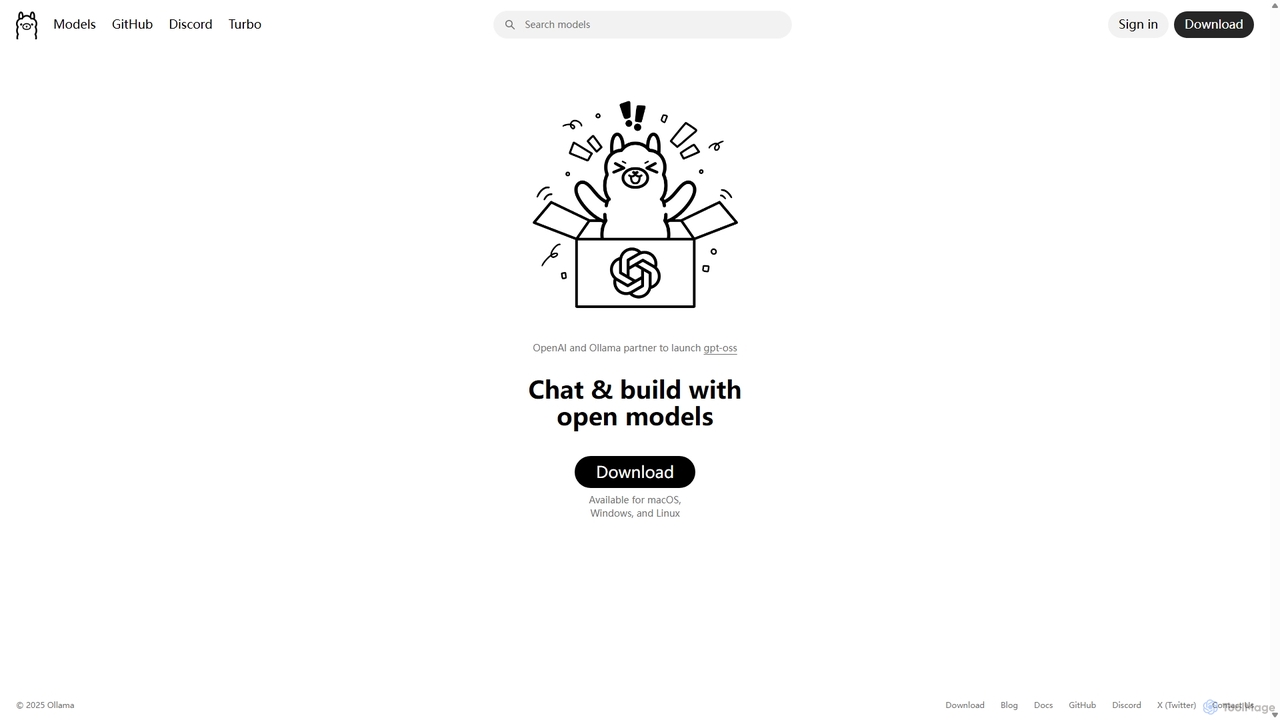
Ollama
Ollama is a powerful open-source framework for running large language models (LLMs) like Llama 3, Mistral, and Gemma locally on your own hardware. Available for macOS, Windows, and Linux, it simplifies the setup and management of open-source models, enabling private, offline, and cost-effective AI development and usage.
Machine Learning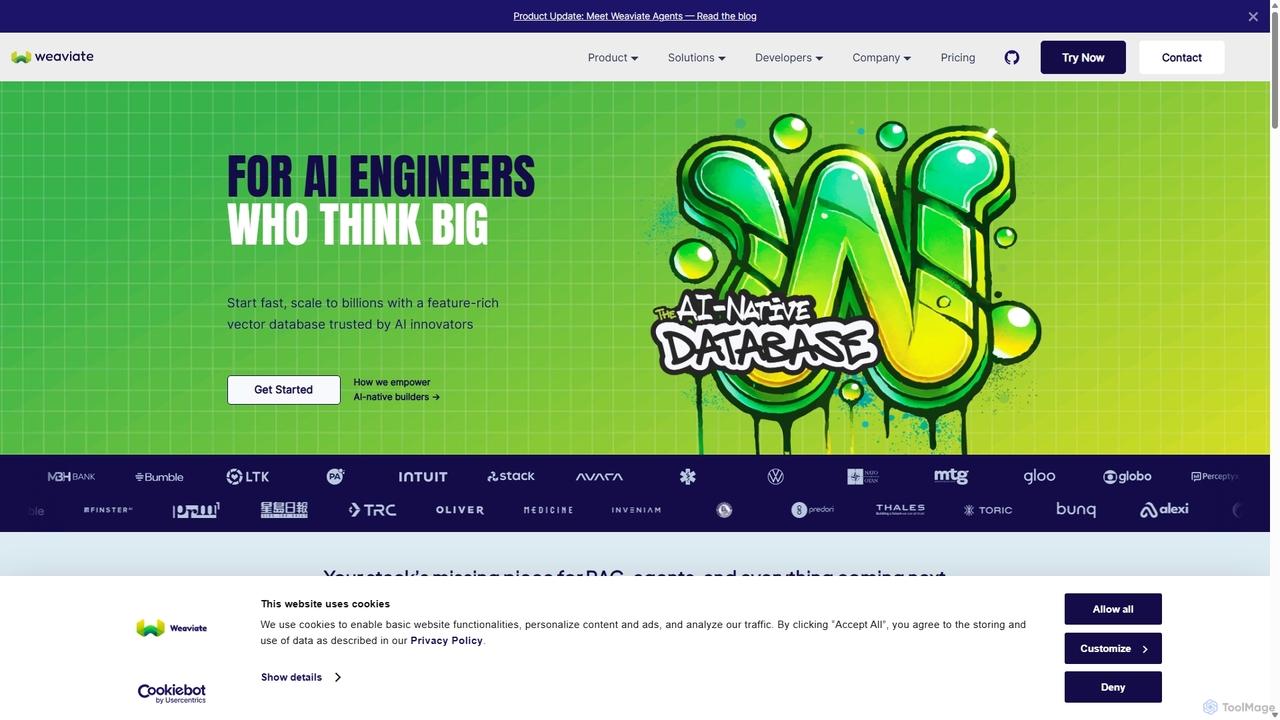
Weaviate
Weaviate is an open-source, AI-native vector database designed for developers. It enables scalable, low-latency vector, keyword, and hybrid search. Ideal for building AI applications like semantic search, recommendation engines, and Retrieval-Augmented Generation (RAG) systems, it integrates seamlessly with popular machine learning models to store and query data based on semantic meaning.
Vector Database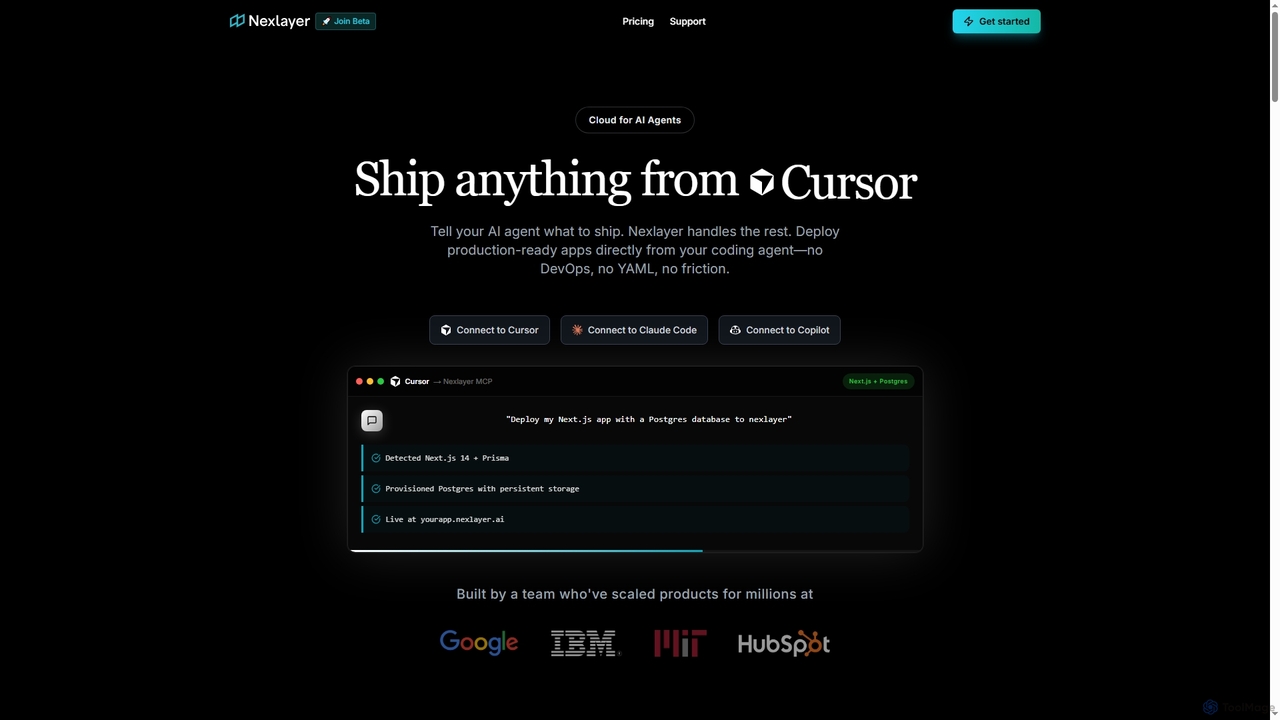
Nexlayer
Nexlayer is the first agent-native cloud platform designed to empower AI coding agents to deploy production-ready applications swiftly. It automates complex infrastructure, enabling developers and founders to ship full-stack apps, APIs, and databases in minutes without DevOps overhead.
Application Development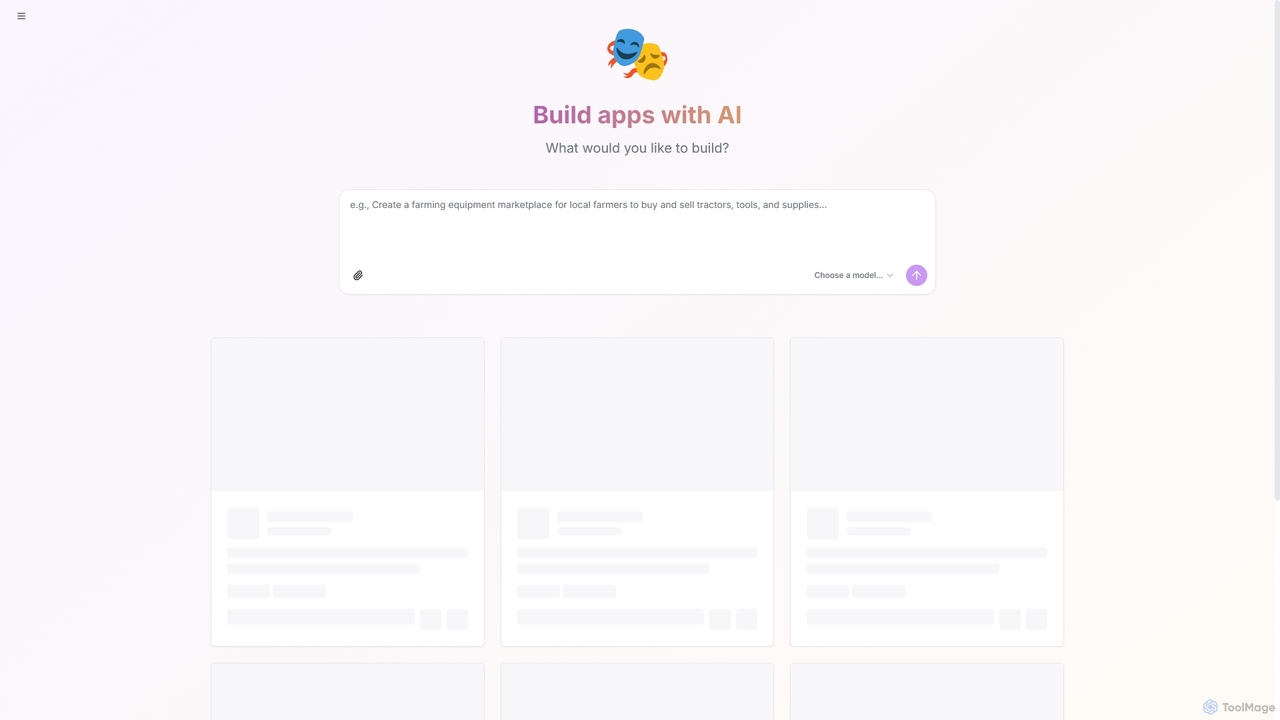
Shakespeare
Shakespeare is an open-source AI builder designed for developers to create custom AI applications. It provides a platform to select and utilize various AI models, enabling the rapid development and deployment of intelligent solutions.
Ai DevelopmentEnergeticAI Categories
EnergeticAI Jobs
EnergeticAI Embed Widget
Copy this embed code to place the badge on your blog, article, or product site and send readers directly to this ToolMage detail page.

Related AI tools
Fast.ai
Fast.ai is a research institute dedicated to making deep learning accessible to everyone. It offers free courses, an open-source software library (fastai), cutting-edge research, and a vibrant community, empowering coders of all backgrounds to become deep learning practitioners.
Machine LearningOllama
Ollama is a powerful open-source framework for running large language models (LLMs) like Llama 3, Mistral, and Gemma locally on your own hardware. Available for macOS, Windows, and Linux, it simplifies the setup and management of open-source models, enabling private, offline, and cost-effective AI development and usage.
Machine LearningWeaviate
Weaviate is an open-source, AI-native vector database designed for developers. It enables scalable, low-latency vector, keyword, and hybrid search. Ideal for building AI applications like semantic search, recommendation engines, and Retrieval-Augmented Generation (RAG) systems, it integrates seamlessly with popular machine learning models to store and query data based on semantic meaning.
Vector DatabaseShakespeare
Shakespeare is an open-source AI builder designed for developers to create custom AI applications. It provides a platform to select and utilize various AI models, enabling the rapid development and deployment of intelligent solutions.
Ai Development
AIGoMarket
AIGoMarket is an Edge AI Foundry and marketplace designed to democratize edge AI development. It enables creators to upload and monetize their optimized AI models, while providing developers with a platform to discover, license, and deploy high-performance AI solutions for various edge devices and applications.
Model Marketplace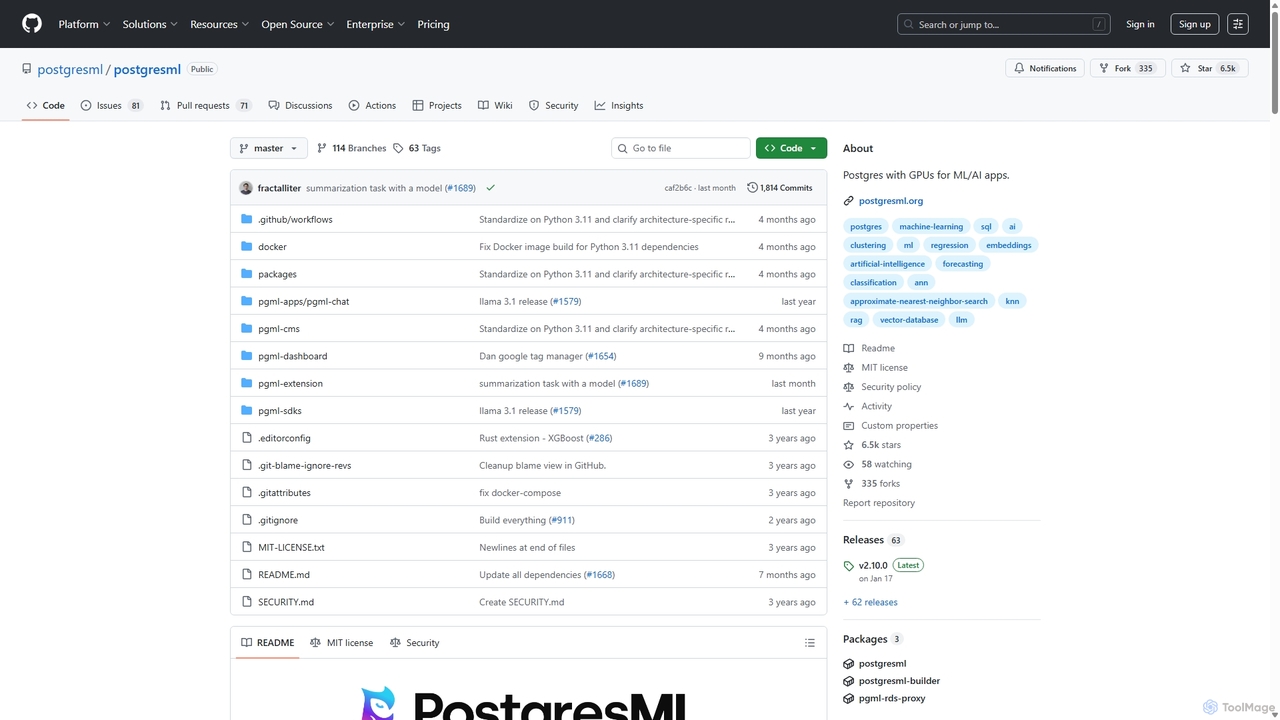
PostgresML
PostgresML is a powerful open-source extension that integrates machine learning and AI directly into your PostgreSQL database. It enables GPU-accelerated inference, vector search, and complete RAG pipelines using simple SQL commands, eliminating data movement and simplifying the MLOps stack for high-performance, scalable AI applications.
MlopsNexlayer
Nexlayer is the first agent-native cloud platform designed to empower AI coding agents to deploy production-ready applications swiftly. It automates complex infrastructure, enabling developers and founders to ship full-stack apps, APIs, and databases in minutes without DevOps overhead.
Application Development
StackSpaces
StackSpaces is an integrated development platform designed to help developers build, deploy, and scale full-stack AI applications with ease. It provides a unified environment with backend, frontend, and infrastructure components, streamlining the entire development lifecycle from idea to production.
Backend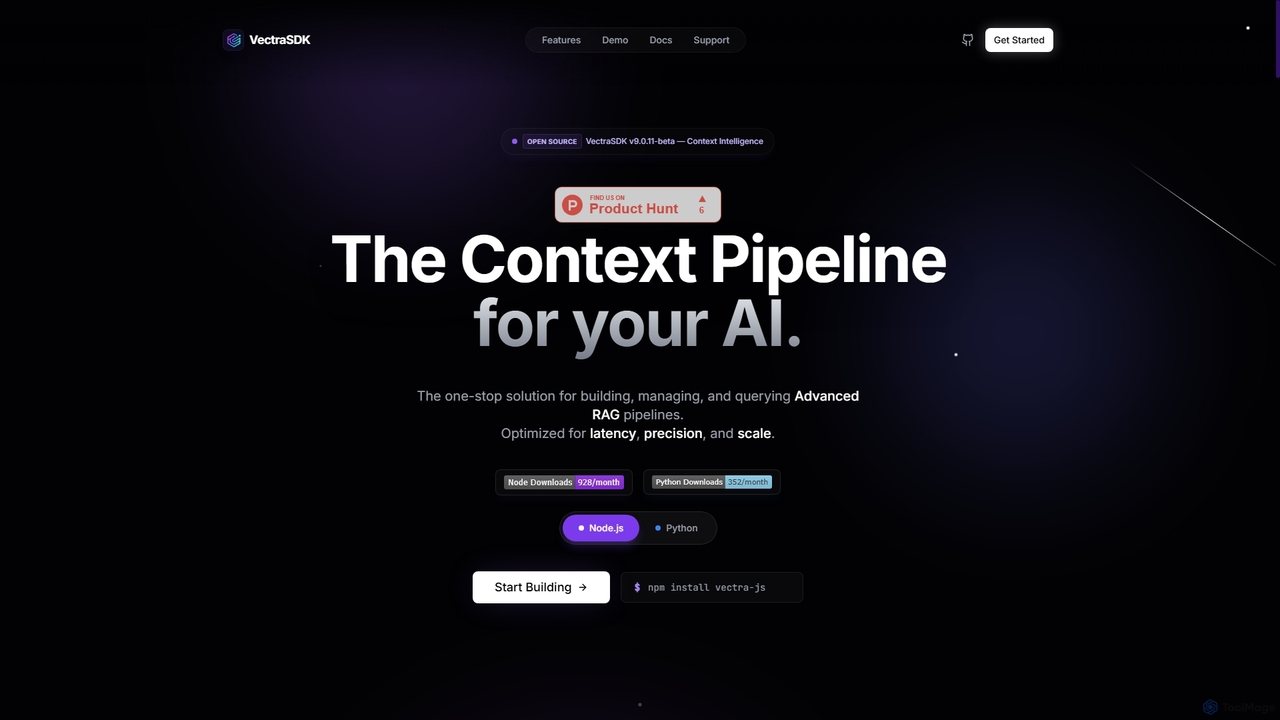
Vectra
Vectra is an open-source, production-grade SDK for Node.js and Python, designed to build, manage, and query advanced Retrieval-Augmented Generation (RAG) pipelines. It offers a comprehensive toolkit for developing context-aware AI applications, optimized for low latency, high precision, and scalability.
Rag Pipelines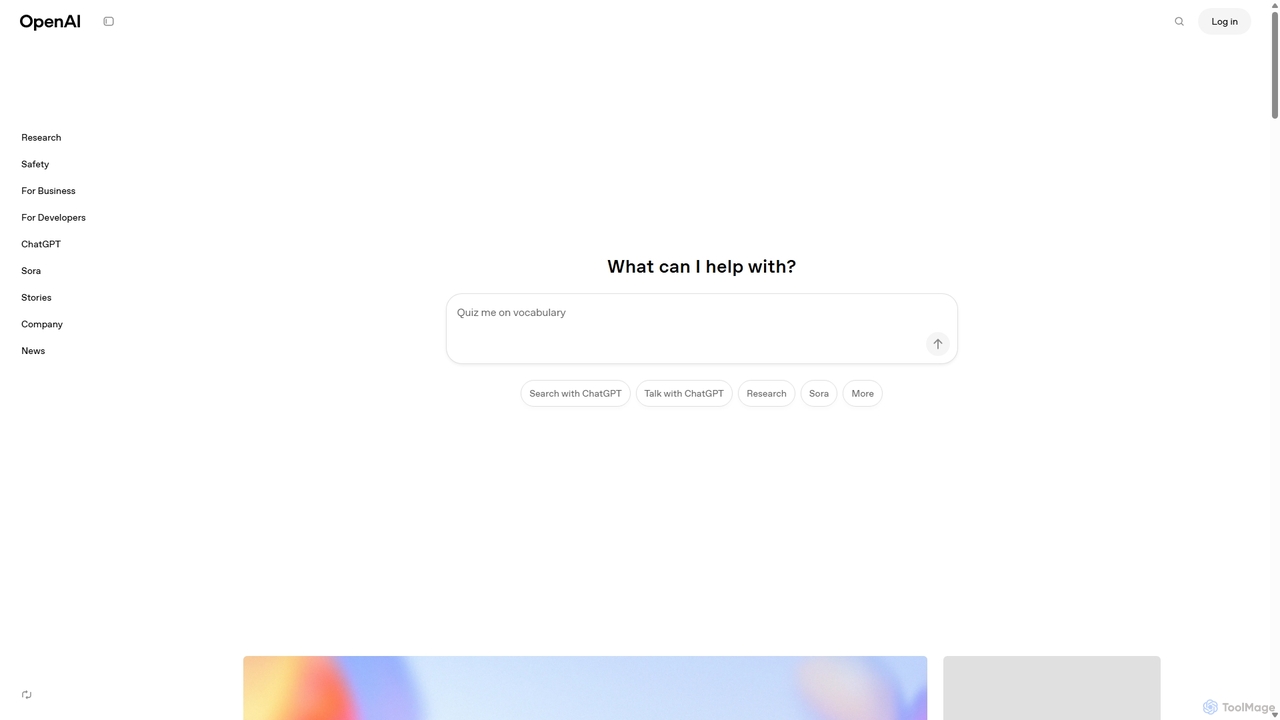
OpenAI
OpenAI is a leading AI research and deployment company dedicated to ensuring that artificial general intelligence (AGI) benefits all of humanity. It develops state-of-the-art models like GPT-5, ChatGPT for conversational AI, Sora for text-to-video, and DALL-E for image generation. Through its robust API platform, OpenAI empowers developers and businesses to integrate powerful AI capabilities into their applications, driving innovation across various industries.
Image Generation
Prodigy
Prodigy is a scriptable annotation tool for AI, Machine Learning, and NLP, designed for developers. It enables rapid creation of high-quality training and evaluation data through model-assisted, human-in-the-loop workflows. It runs on your own infrastructure, ensuring complete data privacy and control.
Annotation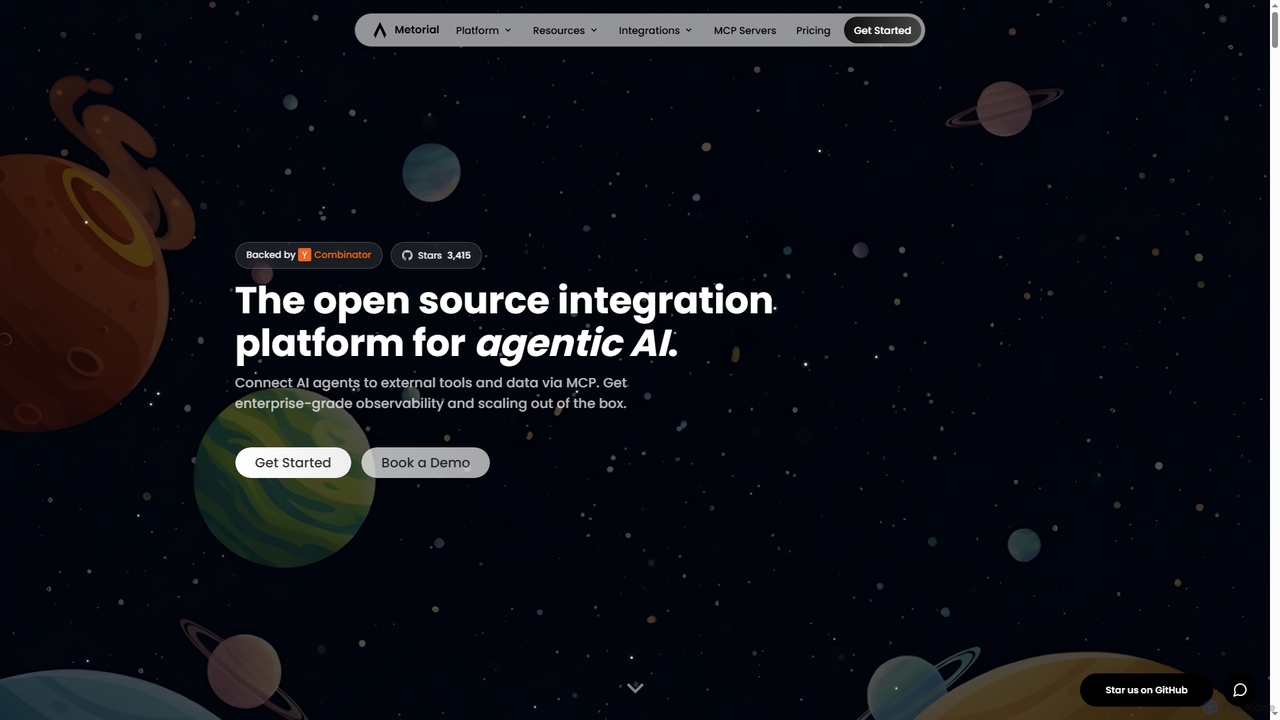
Metorial
Metorial is an integration platform for AI agents, enabling developers to quickly build, deploy, and monitor powerful agentic AI applications. It provides seamless connections to hundreds of tools, data sources, and APIs via its serverless Model Context Protocol (MCP) platform, offering robust SDKs, observability, and enterprise-grade security for scalable AI solutions.
Agentic Ai
MindMeld
A powerful, open-source conversational AI platform from Cisco, designed for developers. It provides a comprehensive Python-based framework for building deep-domain voice interfaces and chatbots with advanced Natural Language Processing (NLP) capabilities, offering full control and on-premise deployment.
Chatbot Builder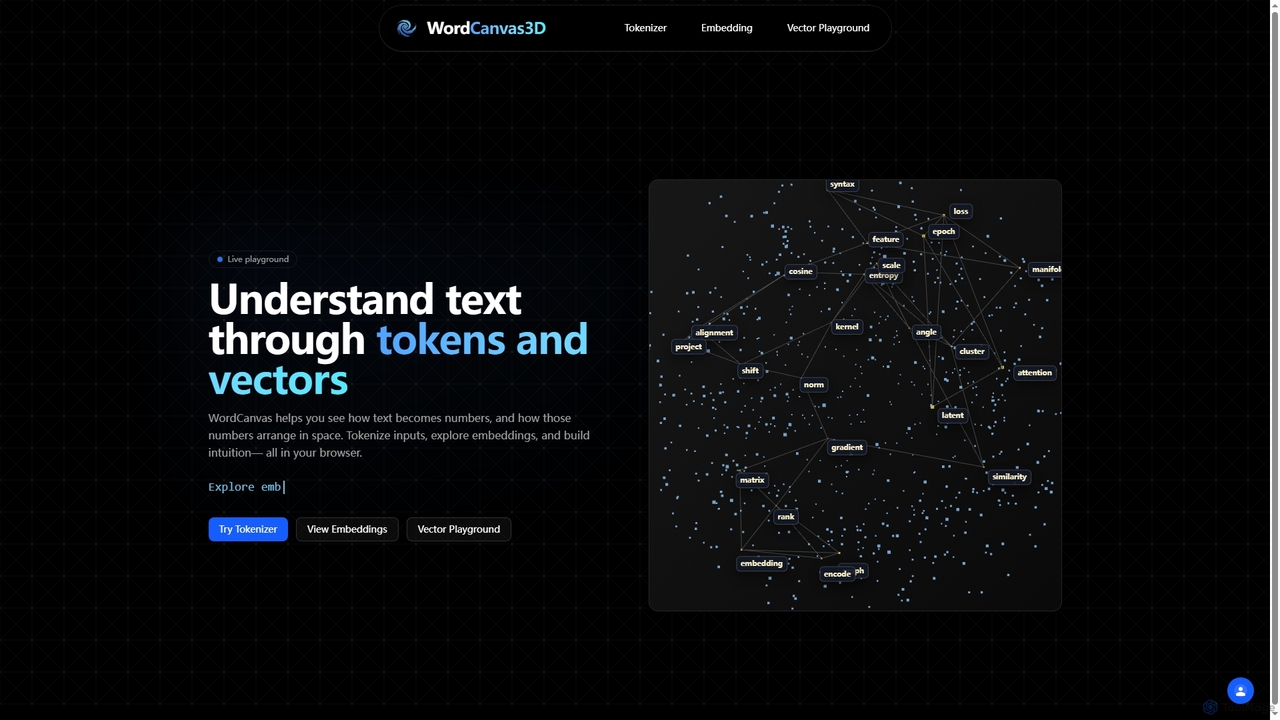
WordCanvas3D
WordCanvas3D is an interactive web-based tool designed to visualize and understand core natural language processing concepts like text tokenization, word embeddings, and vector arithmetic. It offers a live playground to explore how text transforms into numerical representations and their spatial relationships.
Natural Language Processing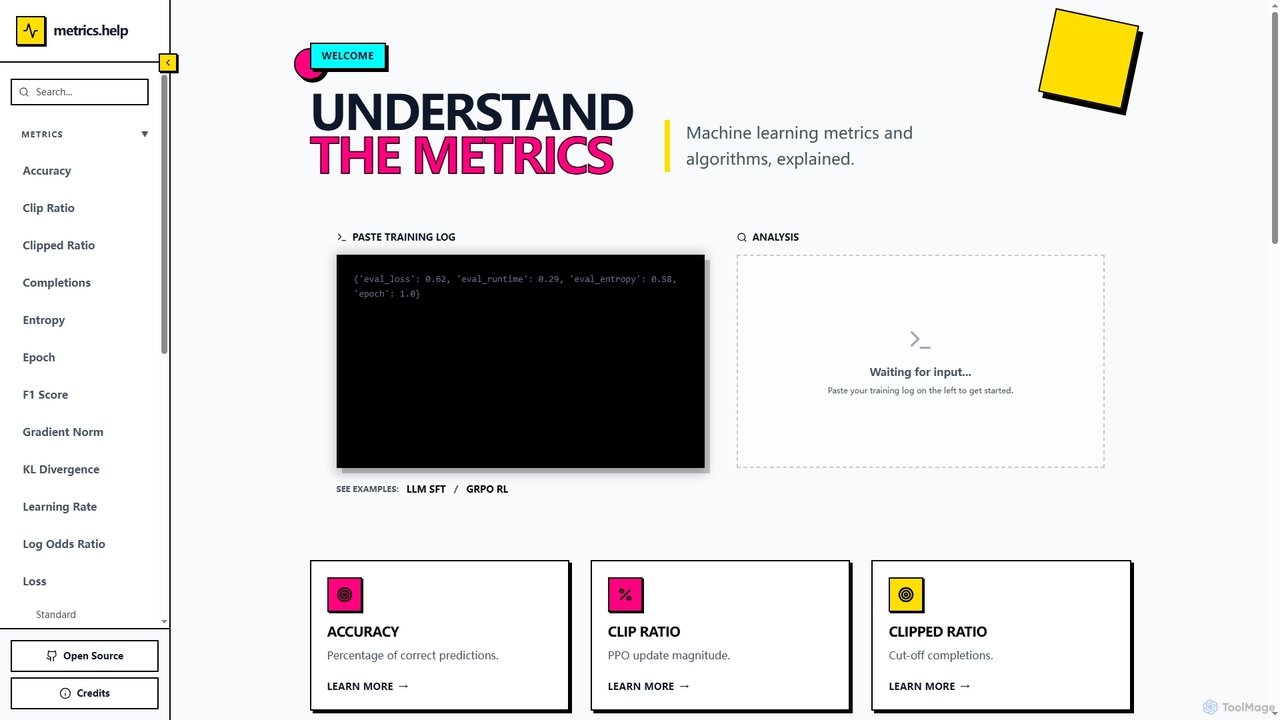
Metrics Help
Metrics Help is an open-source web tool for machine learning practitioners. It functions as a comprehensive guide and an interactive analyzer for ML training metrics. Users can paste training logs to get instant explanations for key metrics like accuracy, loss, and perplexity, aiding in model performance analysis and debugging.
Model Training
EnergeticAI Comments (0)
Sign in to comment.
Sign inNo comments yet.