

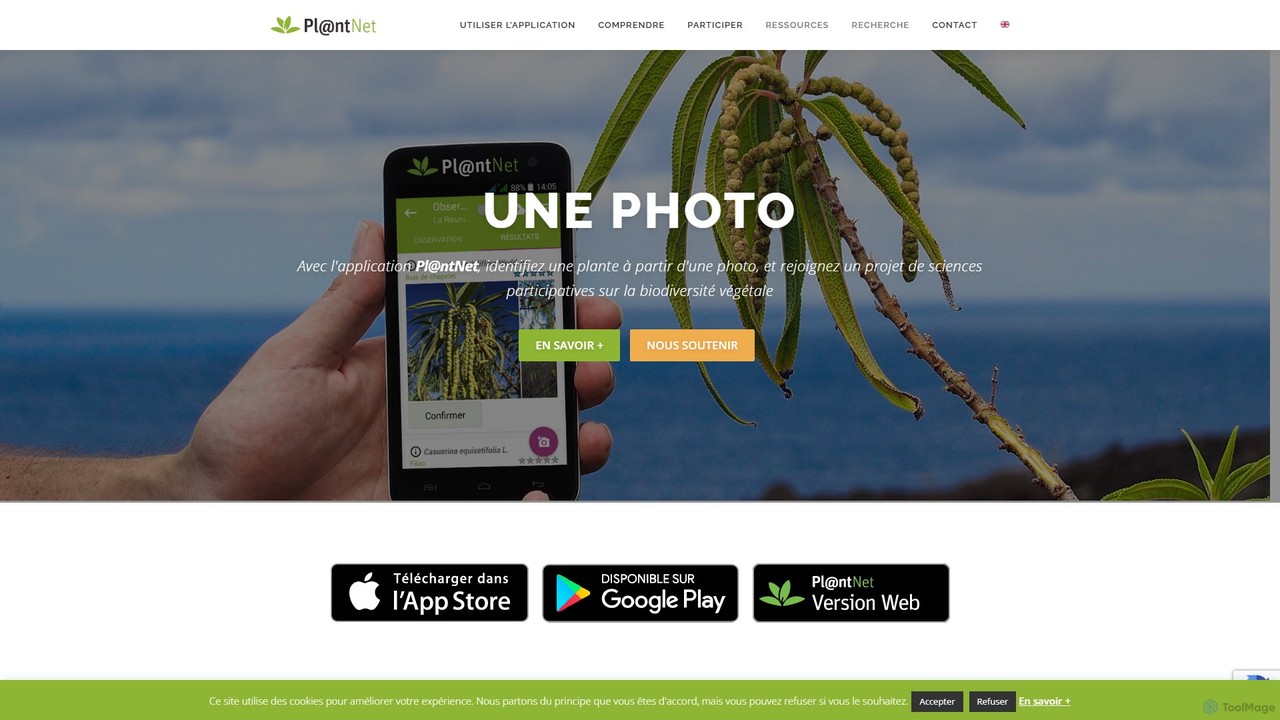
Pl@ntNet Overview
Pl@ntNet is a citizen science platform that leverages artificial intelligence (AI) to facilitate the identification and inventory of plant species. It stands as one of the world's largest biodiversity observatories, with millions of contributors across more than 200 countries. Available as both a web platform and a mobile app for Android and iOS, Pl@ntNet empowers anyone to identify tens of thousands of plant species simply by photographing them.
The core of Pl@ntNet is built on a cooperative learning principle. Registered users can share their observations, which are then reviewed by the community. These validated observations are used to train the AI, continuously improving its ability to recognize plants. Expert users have a greater weight in this review process, ensuring data quality. This collaborative effort has resulted in a massive database of over a billion plant images, making the AI increasingly accurate. The AI is regularly retrained, typically on a monthly basis, to incorporate new data while managing energy consumption.
How to use Pl@ntNet
Using Pl@ntNet is a simple and intuitive process designed for users of all levels:
- Capture a Photo: Take a clear, well-focused picture of the plant you want to identify. For best results, focus on a specific organ, such as a leaf, flower, fruit, or bark. Taking multiple photos of different parts of the same plant can significantly improve accuracy.
- Upload the Image: Upload your photo(s) through the Pl@ntNet mobile app or website.
- Get AI Suggestions: The AI analyzes your image and provides a list of potential species matches, each with a confidence score.
- Compare and Confirm: Review the suggested species, comparing the images and descriptions with your plant to make a final identification.
- Contribute to Science: If you create an account, you can share your observation. Be sure to include the GPS location to help scientists map species distribution. Your shared observation, once validated by the community, becomes part of a global biodiversity dataset.
Core Features of Pl@ntNet
- AI-Powered Visual Identification: Utilizes advanced deep learning algorithms to identify plants from images of their various parts (flowers, leaves, fruits, bark, habit).
- Extensive Species Database: Capable of identifying over 51,000 plant species, with the database constantly expanding thanks to user contributions.
- Citizen Science Platform: Every observation contributes to a global scientific project, providing valuable data for researchers studying biodiversity, conservation, and the impact of climate change.
- Community-Based Validation: A robust peer-review system where community members, from amateurs to expert botanists, help validate and correct identifications, ensuring the quality of the data.
- Geographic and Thematic Projects: Users can contribute to specific 'projects,' such as identifying the flora of a particular region (e.g., Western Europe) or a thematic group (e.g., useful plants, invasive species).
- Data Exploration: The collected data is shared with global biodiversity portals like the Global Biodiversity Information Facility (GBIF), making it accessible for scientific research worldwide.
Use Cases for Pl@ntNet
Pl@ntNet is a versatile tool with a wide range of applications:
- Hikers and Nature Lovers: Instantly identify unfamiliar plants discovered during outdoor activities.
- Gardeners and Homeowners: Identify plants in their gardens, distinguish between weeds and desired species, and learn more about plant care.
- Students and Educators: An interactive educational tool for learning botany, conducting school projects, and engaging in hands-on science.
- Researchers and Conservationists: Access a vast, geolocated dataset to study species distribution, track invasive species, and inform conservation strategies.
- Farmers and Agronomists: Identify weeds, cover crops, and other plants in agricultural settings to support sustainable farming practices.
Advantages of Pl@ntNet
- High Accuracy: The system's accuracy is constantly improving, fueled by a massive and continuously growing database of community-validated images.
- Free and Accessible: The core application is free to use for everyone, encouraging broad participation and democratizing botanical knowledge.
- Direct Scientific Impact: Users are not just consumers of information but active contributors to a significant global scientific endeavor.
- Educational and Engaging: Transforms plant identification into an interactive and educational experience, fostering a deeper connection with the natural world.
- Collaborative Ecosystem: Co-constructed by and for citizens, where expert knowledge benefits the entire community and improves the tool for all.
Pricing and Plans
Pl@ntNet is committed to remaining a free and open tool for the public. The primary application for plant identification is completely free on all platforms. The project is sustained through donations from users and support from its institutional partners. For professional needs, partnerships, or collaborations, Pl@ntNet offers a dedicated professional service (my.plantnet) which can be inquired about through their contact form.
Traffic
Latest traffic
Status
Monthly traffic trend
- 2025-9: 481.1K
- 2026-1: 458.3K
- 2026-2: 382.1K
- 2026-3: 461.3K
- 2026-4: 506.1K
- 2026-5: 458.1K
Geography
Top 5 countries / regions
- 🇺🇸United States44.1%
- 🇫🇷France32.5%
- 🇪🇸Spain10.2%
- 🇮🇹Italy7.7%
- 🇩🇪Germany5.5%
Traffic sources
| Source type | Percentage |
|---|---|
Direct | 89.8% |
Referral | 9.2% |
Email | 1.0% |
Top keywords
| Keyword | Cost per click |
|---|---|
| pl | $5.33 |
| plant id | $1.57 |
| plant identifier | $1.30 |
| plantnet | $0.38 |
| what plant is this | $1.19 |
Pl@ntNet Videos on YouTube
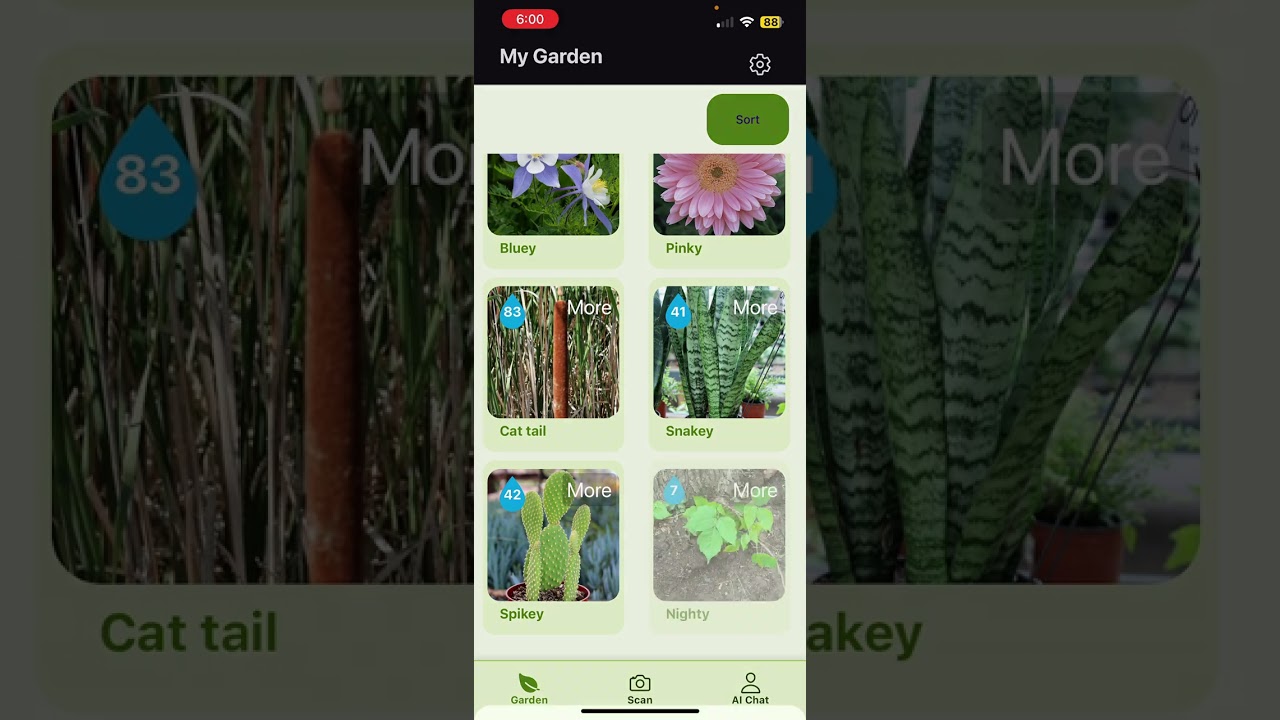
Tyler
Pl@ntNet Alternatives
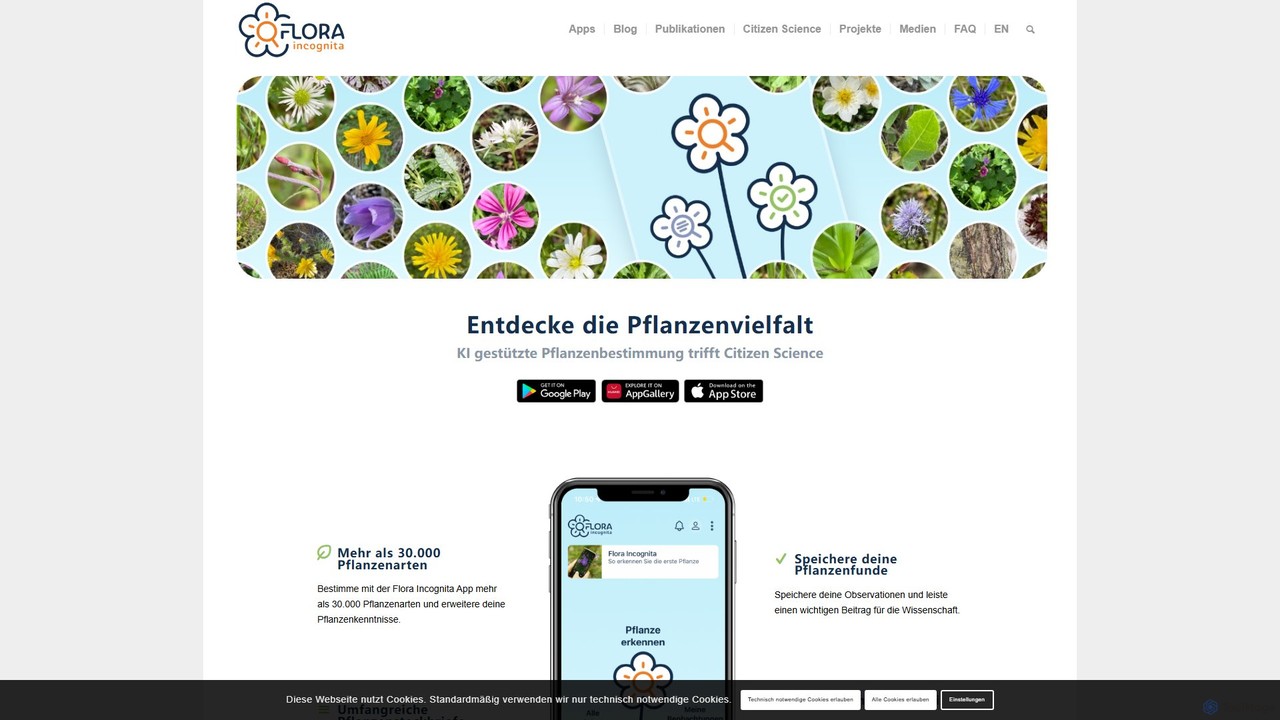
Flora Incognita
An AI-powered mobile app for highly accurate plant identification. Developed by German research institutions, it identifies over 30,000 species, provides detailed plant profiles, and functions as a citizen science platform. It's completely free, ad-free, and includes an offline mode, making it ideal for students, nature enthusiasts, and researchers.
Citizen Science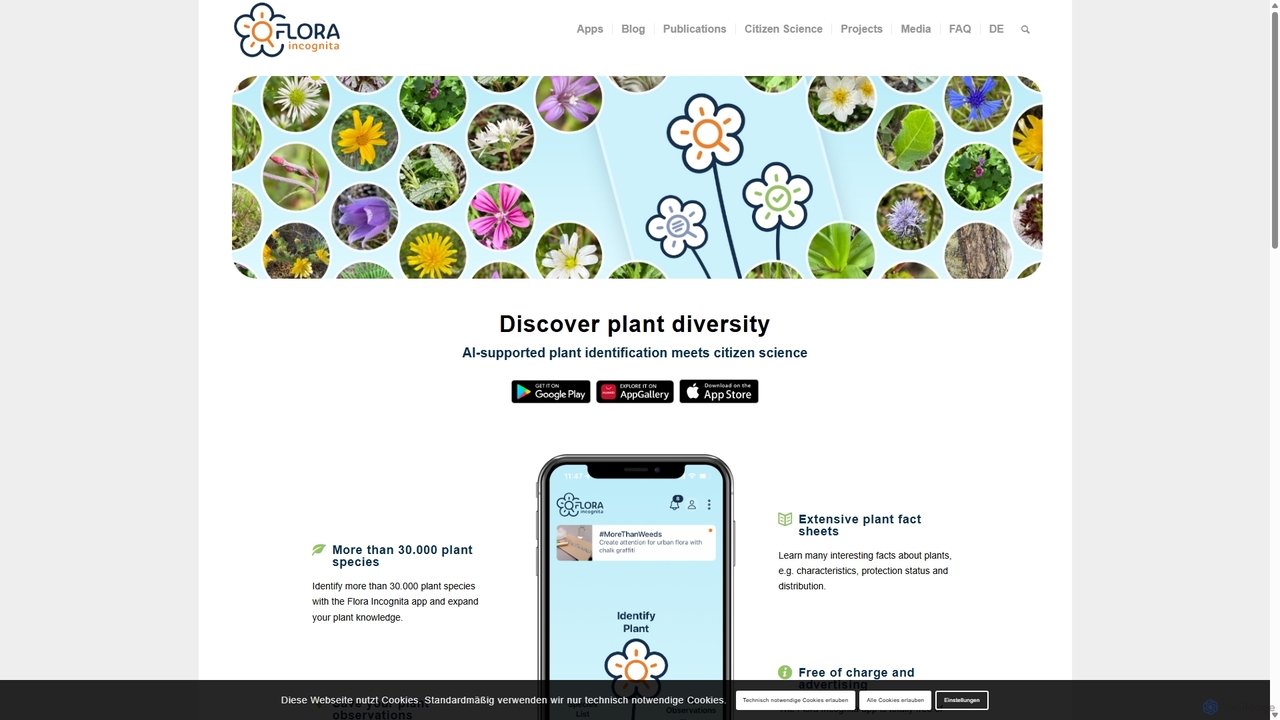
Flora Incognita
Flora Incognita is a free, AI-powered mobile app that enables users to identify over 30,000 plant species with high accuracy. It functions as a citizen science project, allowing users to contribute valuable data for biodiversity and climate change research. The app is ad-free and works offline.
Learning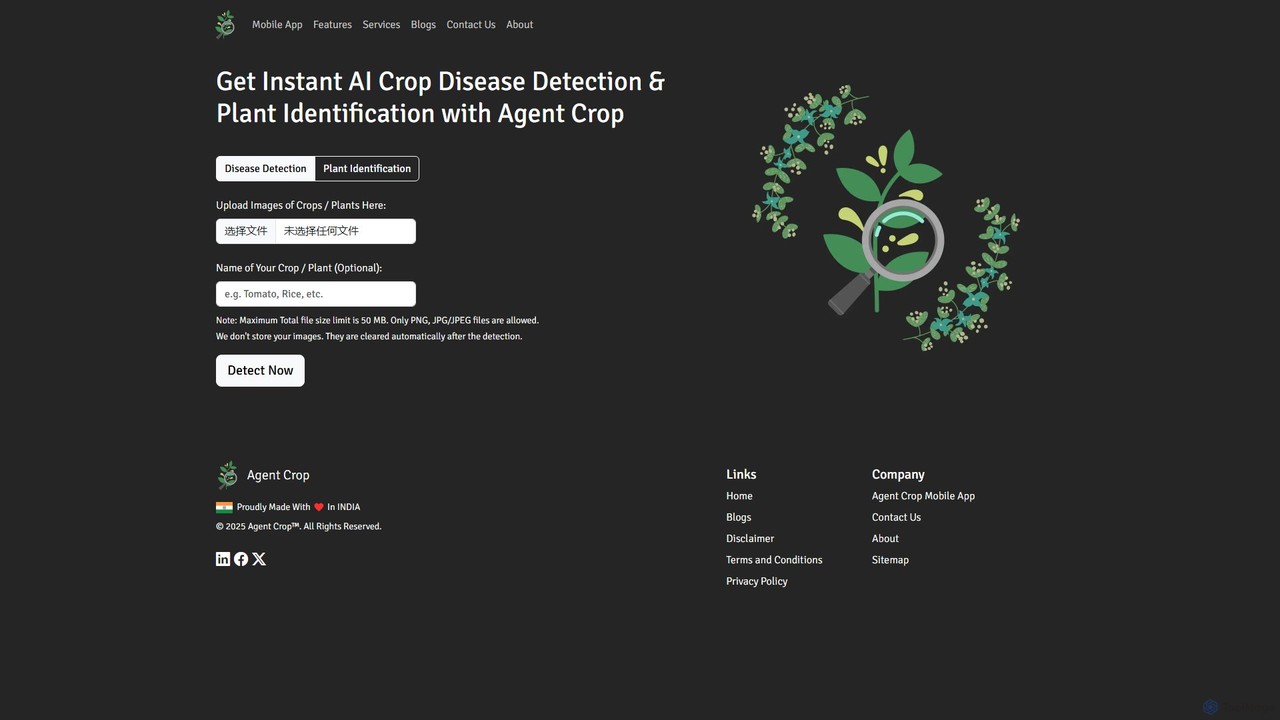
Agent Crop
Agent Crop is a free AI-powered tool for instant crop disease detection and plant identification. Simply upload an image of a plant or crop to receive a quick and accurate diagnosis, along with recommended treatments. Designed for farmers, gardeners, and agricultural professionals, it supports multiple languages and helps improve crop health and yield.
Learning
PictureThis
PictureThis is an AI-powered mobile application that serves as a digital botanist in your pocket. Instantly identify over 400,000 plant species, diagnose plant diseases, and receive expert care advice with a simple photo. It's the ultimate tool for gardeners, nature lovers, and anyone curious about the plant world.
Learning
Curl Calculator
A free online tool for students and professionals to efficiently calculate the curl of vector fields. It provides instant, accurate results for applications in physics, engineering, fluid dynamics, and electromagnetism. The calculator simplifies complex vector calculus, helping users understand rotational properties of vector fields without manual computation.
SimulationPl@ntNet Categories
Pl@ntNet Embed Widget
Copy this embed code to place the badge on your blog, article, or product site and send readers directly to this ToolMage detail page.

Related AI tools
Flora Incognita
An AI-powered mobile app for highly accurate plant identification. Developed by German research institutions, it identifies over 30,000 species, provides detailed plant profiles, and functions as a citizen science platform. It's completely free, ad-free, and includes an offline mode, making it ideal for students, nature enthusiasts, and researchers.
Citizen ScienceFlora Incognita
Flora Incognita is a free, AI-powered mobile app that enables users to identify over 30,000 plant species with high accuracy. It functions as a citizen science project, allowing users to contribute valuable data for biodiversity and climate change research. The app is ad-free and works offline.
Learning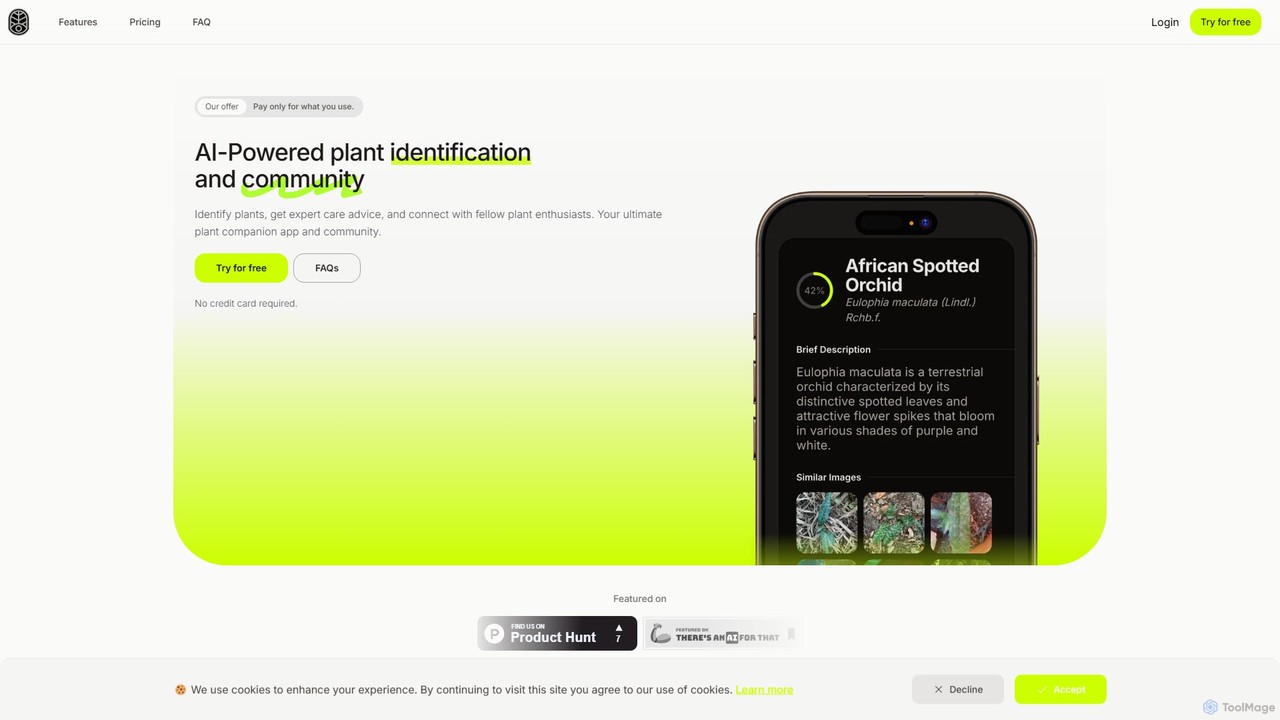
Frondly
Frondly is an AI-powered plant identification tool. Snap a photo to instantly identify plants, receive detailed care guides, and chat with an AI botanist for expert advice. Perfect for gardeners and plant enthusiasts, it uses a flexible pay-as-you-go system, making plant care accessible and straightforward.
Learning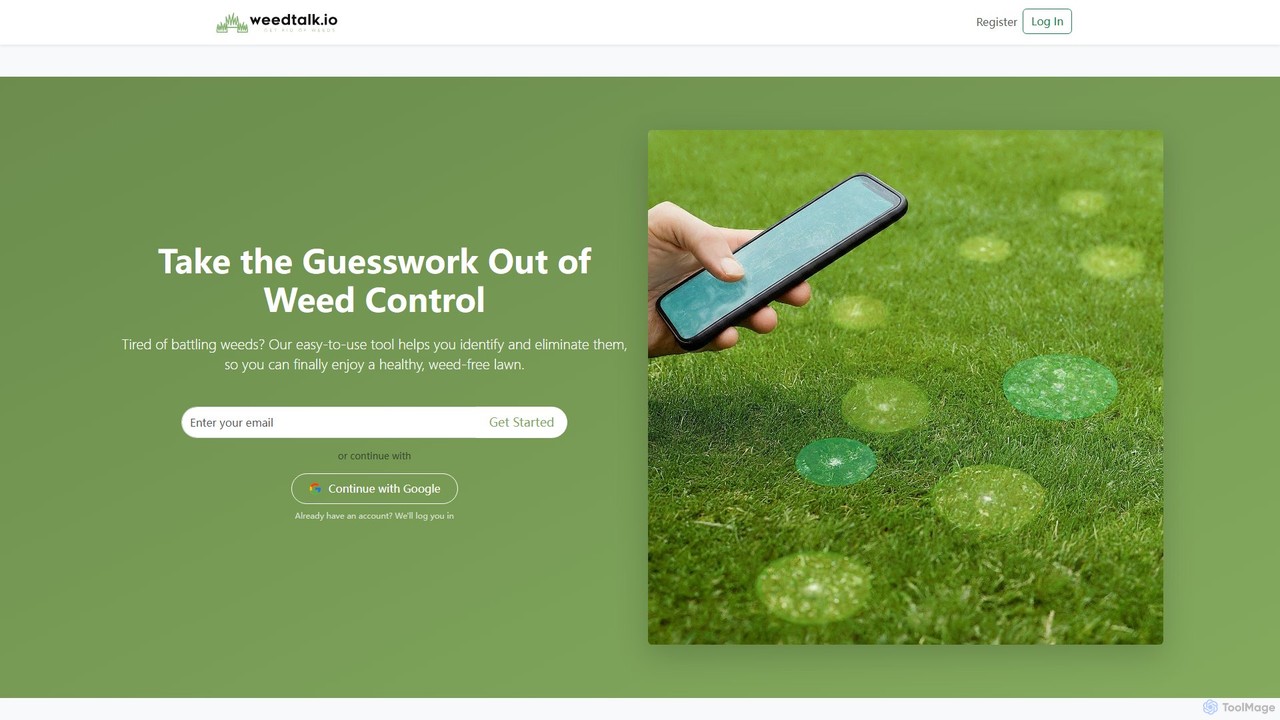
weedtalk.io
An AI-powered tool that helps gardeners, homeowners, and professional landscapers identify weeds instantly from photos. Upload an image to receive a detailed analysis, including the weed's species, characteristics, and effective control strategies.
LandscapingAgent Crop
Agent Crop is a free AI-powered tool for instant crop disease detection and plant identification. Simply upload an image of a plant or crop to receive a quick and accurate diagnosis, along with recommended treatments. Designed for farmers, gardeners, and agricultural professionals, it supports multiple languages and helps improve crop health and yield.
Learning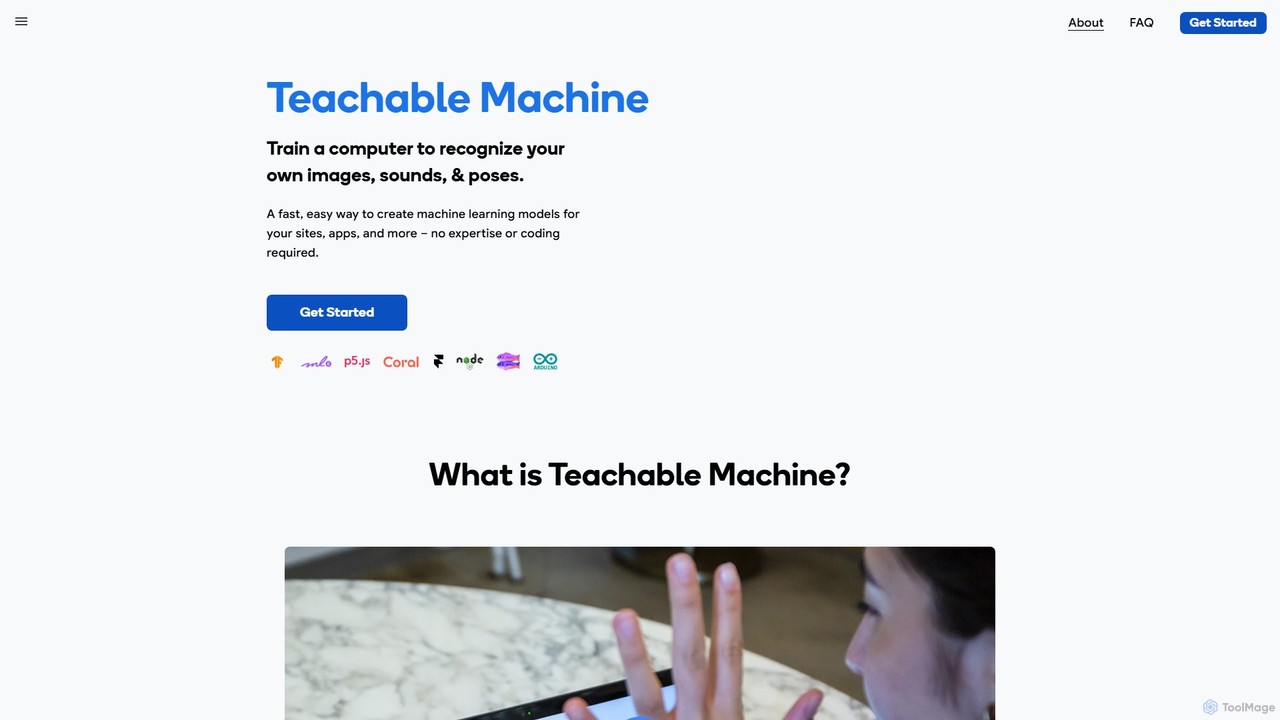
Teachable Machine
A fast, easy, web-based tool by Google that allows anyone to train a computer to recognize their own images, sounds, and poses. Create machine learning models for your sites, apps, and more without any expertise or coding required. It's a hands-on way to explore ML concepts.
No Code Platform
Jyek
Jyek is an AI agent platform that understands objectives, creates execution plans, uses tools, and delivers verifiable results for complex, multi-step tasks.
Automation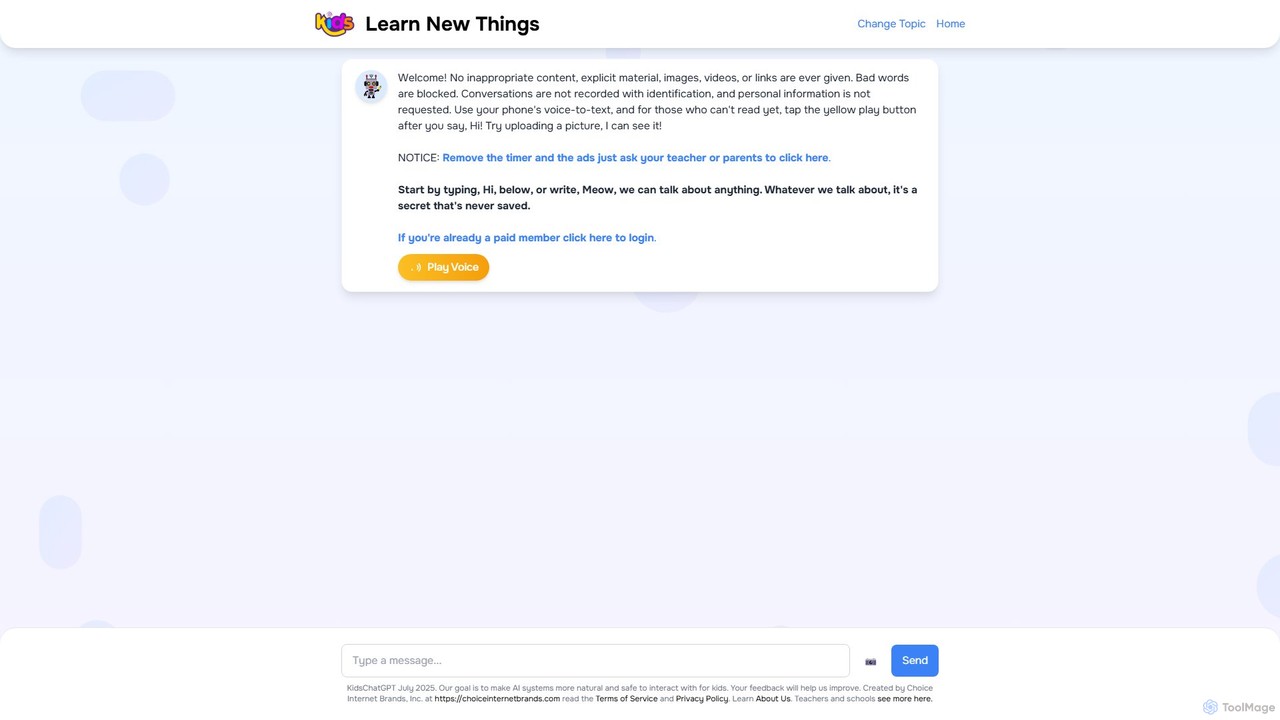
Kids ChatGPT
Kids ChatGPT is a safe and interactive AI chatbot designed for children. It provides a secure environment for learning, playing, and exploring curiosity. With features like content filtering, voice-to-text, and image recognition, it offers an engaging educational experience while prioritizing child safety and privacy by blocking inappropriate content and not saving personal data.
Learning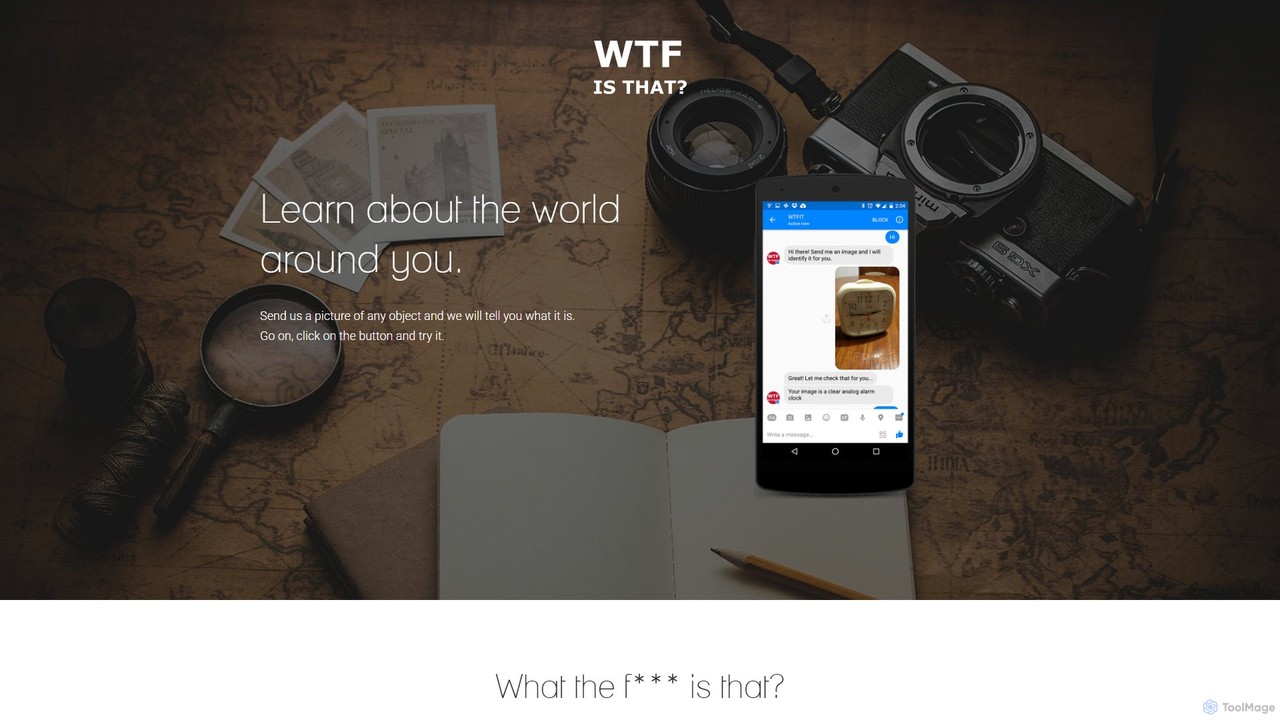
wtfitbot
wtfitbot is a free, intelligent tool that identifies objects, plants, animals, and landmarks from your pictures. It uniquely combines AI for instant recognition with the power of crowd intelligence for guaranteed, accurate answers within 8 hours, helping you discover and learn about your surroundings.
LearningPictureThis
PictureThis is an AI-powered mobile application that serves as a digital botanist in your pocket. Instantly identify over 400,000 plant species, diagnose plant diseases, and receive expert care advice with a simple photo. It's the ultimate tool for gardeners, nature lovers, and anyone curious about the plant world.
LearningCurl Calculator
A free online tool for students and professionals to efficiently calculate the curl of vector fields. It provides instant, accurate results for applications in physics, engineering, fluid dynamics, and electromagnetism. The calculator simplifies complex vector calculus, helping users understand rotational properties of vector fields without manual computation.
Simulation
EcoSnap
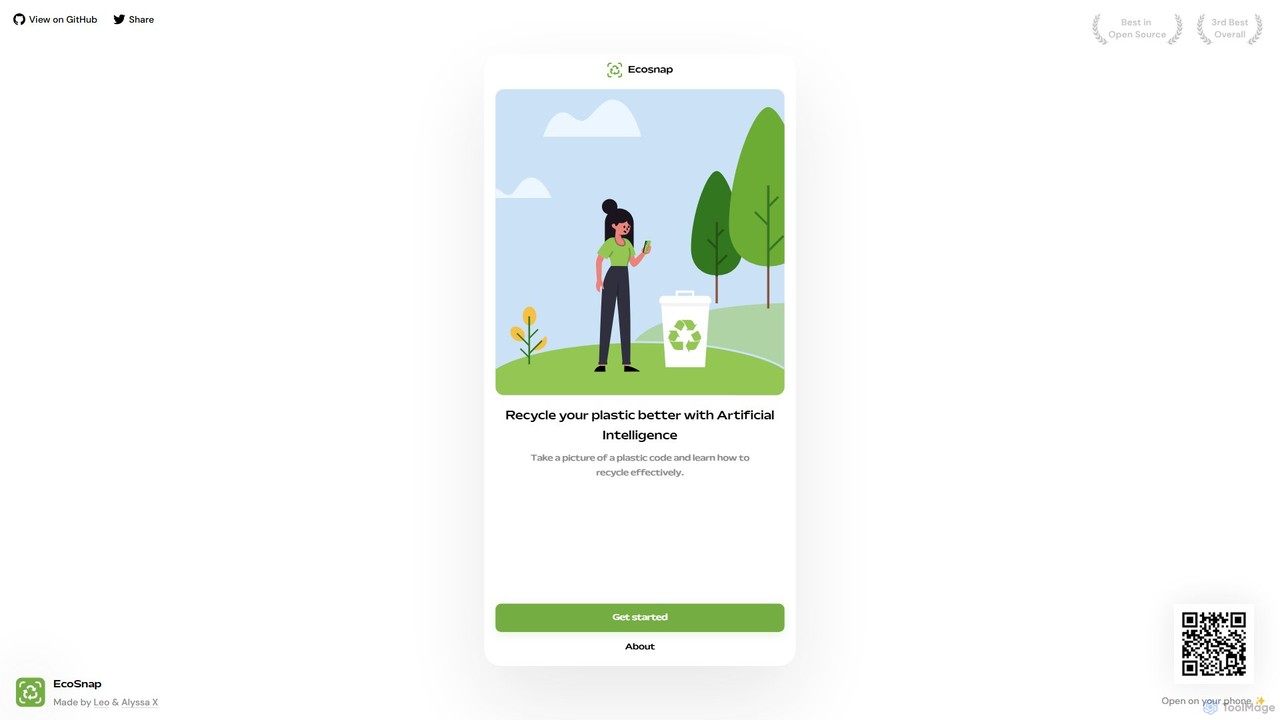
EcoSnap is an AI-powered web tool that helps you recycle plastics more effectively. Simply take a picture of a plastic's recycling code (the number inside the triangle), and the AI will instantly identify the plastic type and provide you with clear, actionable recycling instructions.
Environment
Quizlet
Quizlet is an AI-powered global learning platform that provides engaging study tools to help people practice and master whatever they're learning. It uses flashcards, games, and AI-driven features like an AI tutor (Q-Chat) and note-to-quiz converters (Magic Notes) to create personalized and effective learning paths for students and educators.
Personalized Learning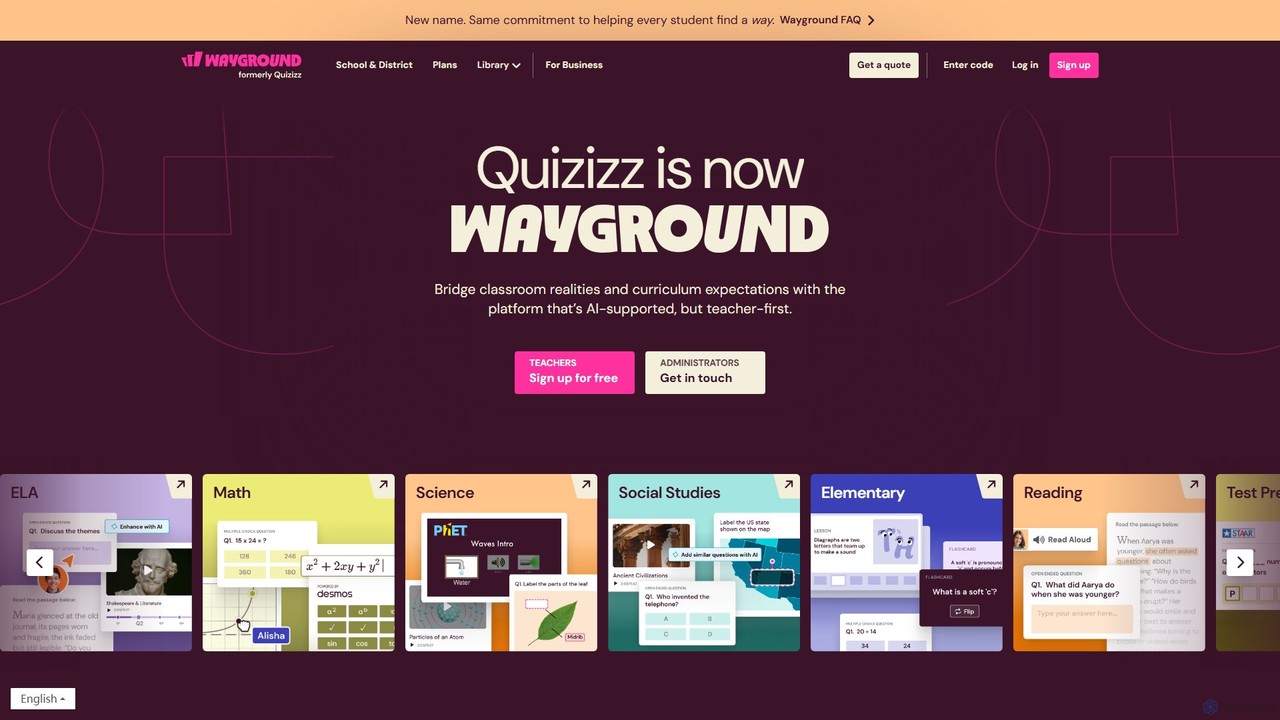
Wayground (Quizizz)
Wayground (formerly Quizizz) is an AI-powered K-12 learning platform that helps teachers create engaging quizzes, interactive lessons, and differentiated materials. It combines gamification with powerful assessment tools to motivate every student, provide data-driven insights, and seamlessly integrate with existing school curricula and technology ecosystems.
Assessment
Pl@ntNet Comments (0)
Sign in to comment.
Sign inNo comments yet.