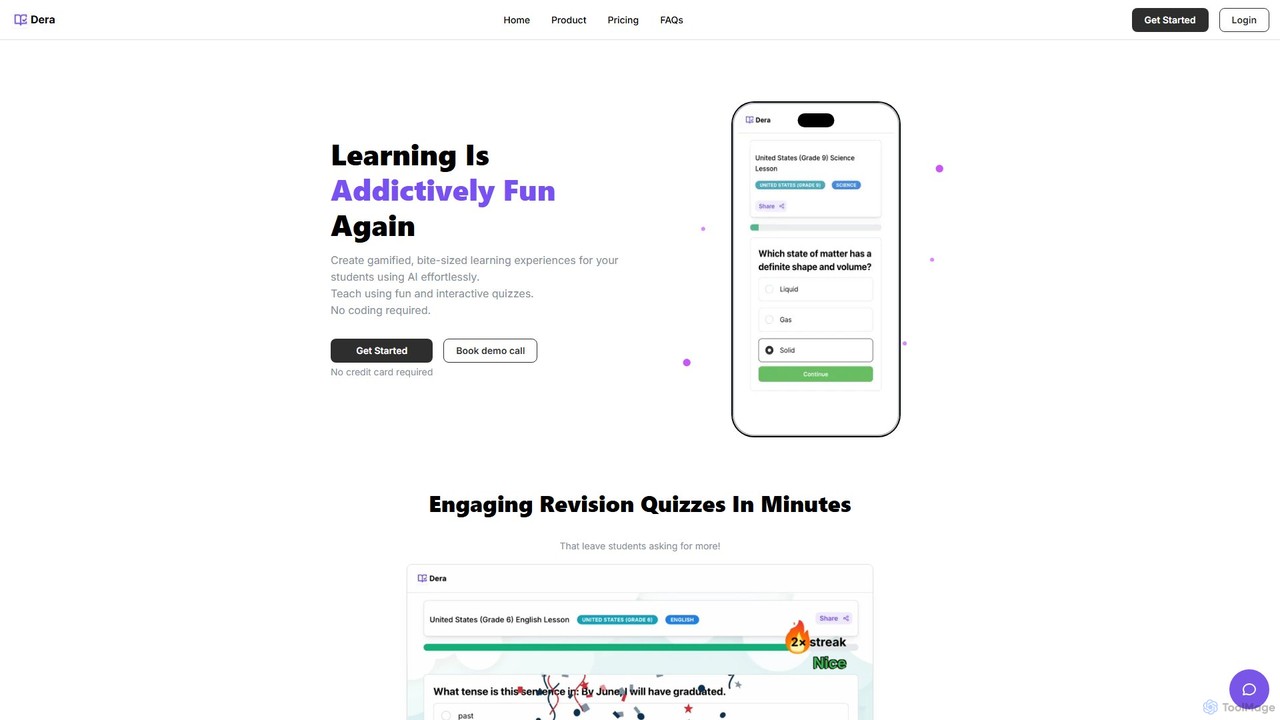
Education Assistant tools are AI-powered platforms designed to enhance learning and teaching processes. Leveraging technologies like natural language processing and machine learning, these tools offer personalized support, automate administrative tasks, and provide intelligent content generation. They aim to improve educational outcomes by making learning more accessible, engaging, and efficient for students, while freeing up educators to focus on core teaching responsibilities.
Core Features
- Personalized Learning Paths: Adapts content and pace to individual student needs and progress.
- Automated Grading & Feedback: Provides instant, objective assessment and constructive criticism for assignments.
- Content Generation: Creates quizzes, summaries, study guides, and lesson plans from source material.
- Interactive Tutoring: Offers conversational AI for answering questions and explaining complex concepts.
- Administrative Task Automation: Streamlines scheduling, communication, and progress tracking for educators.
Applicable Scenarios
Education Assistant tools are invaluable for students seeking tailored learning experiences, teachers aiming to reduce workload and gain deeper insights into student performance, and educational institutions looking to scale personalized education. They support remote learning, blended classrooms, and traditional settings by providing supplementary resources and intelligent automation.
How to Choose
When selecting an Education Assistant, consider its customization capabilities to match specific curricula, integration with existing learning management systems (LMS), the accuracy and relevance of its AI models, and robust data privacy policies. User-friendliness for both students and educators, along with comprehensive support, are also crucial for successful adoption.