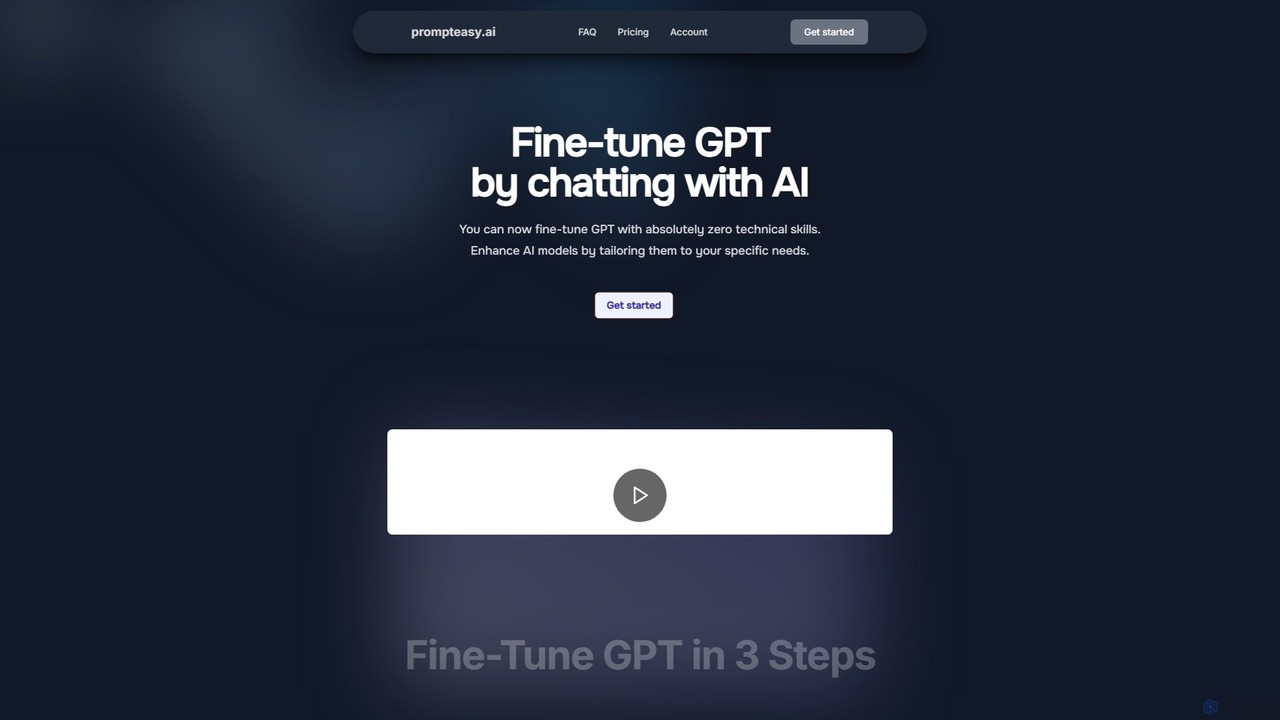
Dataset Generation tools are AI-powered platforms that automate the creation and expansion of training data for machine learning models, a critical component within the broader AI Model development lifecycle. These tools leverage techniques like synthetic data generation, data augmentation, and intelligent data collection to produce high-quality, diverse datasets. They are crucial for developing robust AI models, especially when real-world data is scarce, sensitive, or expensive to acquire, helping to overcome data bottlenecks in AI development.
Core Features
- Synthetic Data Generation: Creates artificial data points that mimic the statistical properties of real data, useful for privacy and rare scenarios.
- Data Augmentation: Expands existing datasets by applying transformations (e.g., rotation, scaling, noise) to create new variations, improving model generalization.
- Automated Data Collection: Utilizes web scraping, API integrations, or specialized sensors to efficiently gather raw data from various sources.
- Data Anonymization & Privacy: Implements techniques to protect sensitive information while maintaining data utility for training.
- Bias Detection & Mitigation: Analyzes generated data for potential biases and offers methods to create more balanced and fair datasets.
Use Cases
Data scientists and AI developers frequently use these tools to overcome data scarcity challenges in computer vision, natural language processing, and speech recognition projects. They are also vital for creating diverse datasets to improve model robustness and reduce bias in critical applications like autonomous systems and healthcare AI.
How to Choose
When selecting a Dataset Generation tool, consider the specific data types required (images, text, audio), the complexity of synthetic data generation needed, and the range of augmentation techniques offered. Evaluate its integration capabilities with existing MLOps pipelines, data quality controls, privacy features, and the ability to detect and mitigate dataset bias effectively.