
Ai Best in category 1 results Text To Speech AI Tool

Popular AI tools in the Text To Speech field of Ai include Yoptio, etc., helping you quickly improve efficiency.

Yoptio

Yoptio

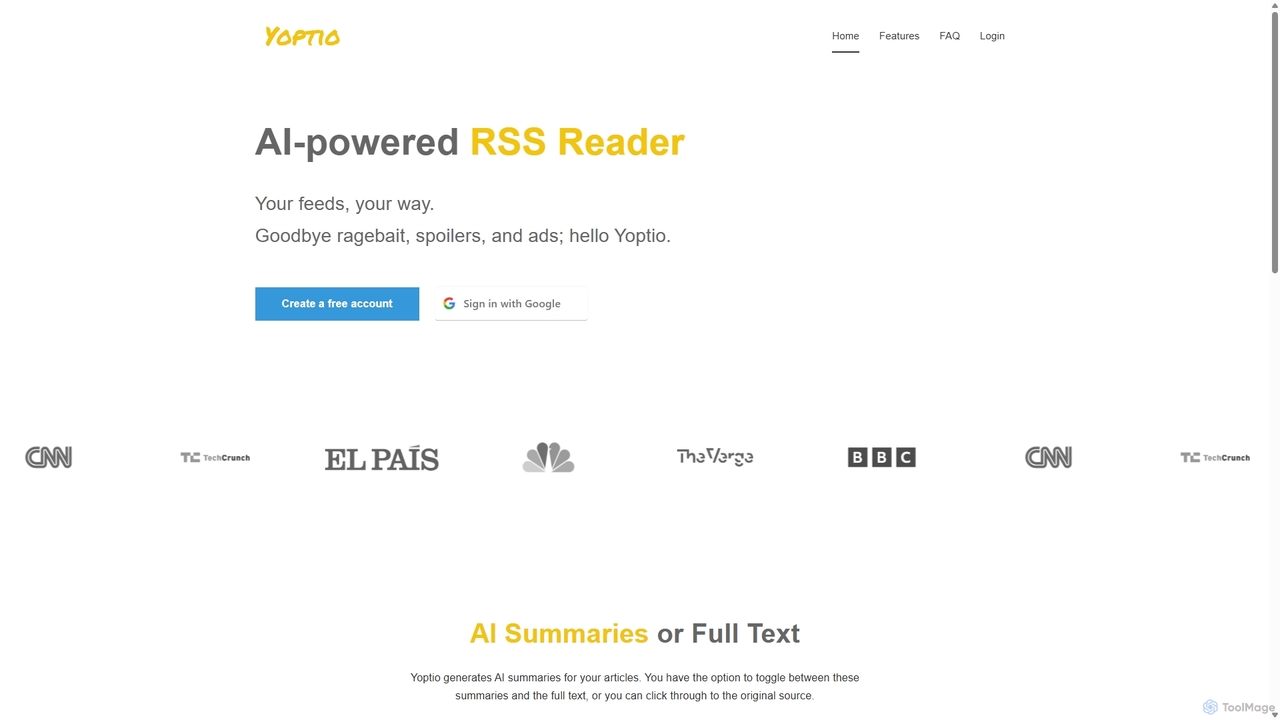
Yoptio is an intelligent, AI-powered RSS reader designed for users who want full control over their news feed. …

3.0K

About Text To Speech

Text To Speech (TTS) tools are a category of AI-powered applications that convert written text into natural-sounding spoken audio. Leveraging advanced artificial intelligence and deep learning, these tools synthesize human-like voices, enabling the transformation of any text into high-quality audio content. They provide an efficient and scalable solution for creating voiceovers, enhancing accessibility, and automating audio production across various industries.

Core Features

  • Natural Voice Generation: Produces highly realistic and human-like voices with varied tones and inflections.
  • Multi-language & Accent Support: Offers a wide range of languages, dialects, and regional accents for global reach.
  • Emotional & Expressive Output: Allows customization of voice emotions (e.g., happy, sad, angry) and speaking styles.
  • SSML Integration: Supports Speech Synthesis Markup Language for fine-grained control over pronunciation, pauses, and emphasis.
  • API & SDK Access: Provides developer interfaces for seamless integration into existing applications and workflows.

Use Cases

Text To Speech tools are invaluable for content creators producing audiobooks, podcasts, or video voiceovers, enabling rapid and cost-effective audio production without hiring voice actors. Educators utilize TTS for creating accessible e-learning materials and language learning tools. Businesses deploy TTS in customer service for interactive voice response (IVR) systems and AI chatbots, providing consistent and scalable vocal interactions.

How to Choose

When selecting a Text To Speech tool, prioritize voice quality and naturalness, ensuring it aligns with your brand's desired tone. Evaluate the breadth of language and accent support for your target audience. Consider customization options like emotional range and SSML capabilities for expressive control. Assess pricing models, API integration ease, and the availability of diverse speaker profiles to meet your project's specific needs.

Text To SpeechUse Cases

1

Creating Engaging E-learning Modules

Educators and instructional designers use Text To Speech tools to convert lesson plans, lecture notes, and quiz questions into clear, engaging audio. This enhances accessibility for students with reading difficulties, provides an alternative learning modality, and allows for rapid production of multilingual course content, saving significant time and resources compared to manual recording.

2

Producing Professional Video Voiceovers

Content creators, marketers, and filmmakers leverage TTS to generate high-quality voiceovers for explainer videos, advertisements, and documentaries. By simply inputting scripts, they can quickly produce consistent, professional narration in various voices and languages, eliminating the need for expensive studio time or re-recording sessions for script changes, accelerating production cycles.

3

Developing Accessible Digital Content

Web developers and publishers employ Text To Speech technology to make websites, e-books, and articles accessible to visually impaired users or those with dyslexia. Integrating TTS allows users to listen to content, transforming static text into an auditory experience. This improves user experience and ensures compliance with accessibility standards, broadening audience reach.

4

Automating Customer Service IVR Systems

Businesses utilize TTS to power their Interactive Voice Response (IVR) systems and AI chatbots, converting dynamic text responses into spoken instructions or answers. This ensures a consistent brand voice, allows for real-time updates to information, and provides a scalable solution for handling high volumes of customer inquiries without human intervention, improving service efficiency.

5

Generating Audio for Podcasts & Audiobooks

Independent authors and podcasters use Text To Speech tools to convert written manuscripts or blog posts into full-length audiobooks and podcast episodes. This democratizes audio content creation, allowing individuals to produce professional-sounding audio content without the cost and complexity of hiring voice actors or setting up a recording studio, accelerating content delivery.

6

Enhancing Gaming & Application User Experience

Game developers and application designers integrate TTS to provide dynamic in-game narration, character dialogue, or real-time alerts. This allows for flexible content updates, supports multiple languages without extensive voice acting, and can personalize user interactions, creating a more immersive and responsive experience for players and app users.

Text To SpeechFrequently Asked Questions