Analytics Best in category 1 results Financial Analysis AI Tool

Popular AI tools in the Financial Analysis field of Analytics include Equidam, etc., helping you quickly improve efficiency.

Equidam

Equidam

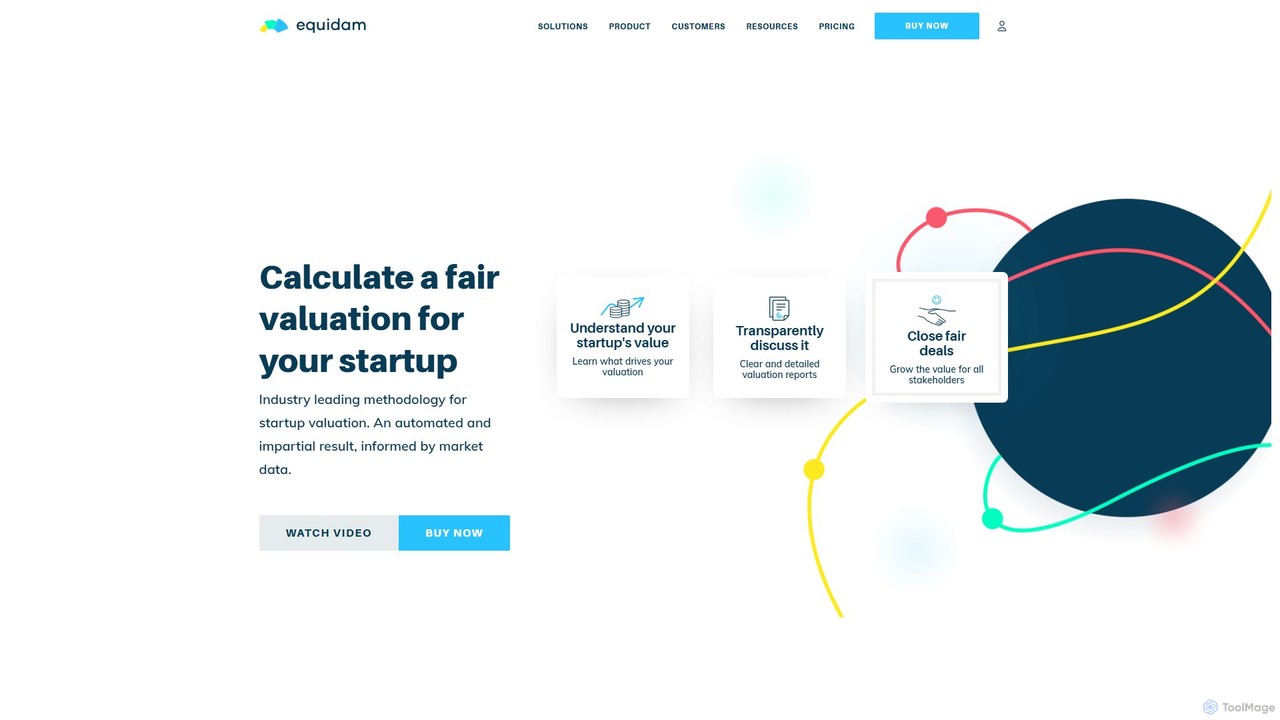
Equidam is an AI-powered platform that provides automated, data-driven valuations for startups and private companies. It combines five …

63.2K

About Financial Analysis

Financial Analysis AI tools are specialized software solutions that leverage artificial intelligence to process, interpret, and predict financial data. These tools utilize machine learning algorithms, natural language processing, and predictive analytics to automate complex financial tasks, identify trends, and support data-driven decision-making. They provide deep insights into market dynamics, investment opportunities, and risk management, significantly enhancing the efficiency and accuracy of financial operations.

Core Features

  • Predictive Modeling: Forecasts future financial performance, market trends, and asset prices using historical data and AI algorithms.
  • Risk Assessment: Identifies and quantifies financial risks, including credit risk, market risk, and operational risk, through advanced pattern recognition.
  • Automated Reporting: Generates comprehensive financial reports, dashboards, and visualizations from raw data, saving significant manual effort.
  • Investment Strategy Optimization: Analyzes vast datasets to recommend optimal portfolio allocations and trading strategies.
  • Sentiment Analysis: Interprets financial news, social media, and reports to gauge market sentiment and its potential impact on asset prices.

Applicable Scenarios

Financial analysts use these tools to automate data collection, build sophisticated predictive models for stock prices or economic indicators, and generate real-time investment recommendations. Portfolio managers leverage AI for optimizing asset allocation and identifying undervalued securities. Risk managers employ AI to monitor market volatility and assess creditworthiness more accurately.

How to Choose

When selecting a Financial Analysis AI tool, consider its data integration capabilities with existing financial systems, the accuracy and transparency of its predictive models, and its compliance with regulatory standards. Evaluate the range of financial instruments it supports, the level of customization offered for specific analytical needs, and the clarity of its reporting and visualization features.

Financial AnalysisUse Cases

1

Automated Investment Portfolio Optimization

Investment managers can use AI financial analysis tools to continuously monitor market conditions, analyze thousands of financial instruments, and automatically rebalance portfolios based on predefined risk tolerance and investment goals. This ensures optimal asset allocation, maximizes returns, and minimizes risk exposure without constant manual intervention, leading to more efficient and profitable investment strategies.

2

Predictive Credit Risk Assessment

Banks and lending institutions deploy AI financial analysis to evaluate loan applicants' creditworthiness more accurately and rapidly. By analyzing diverse data points, including transaction history, social sentiment, and economic indicators, AI models can predict default probabilities with higher precision than traditional methods, leading to better lending decisions and reduced losses for financial entities.

3

Real-time Market Trend Forecasting

Traders and hedge funds utilize AI tools to process vast amounts of real-time financial news, social media data, and historical market movements. The AI identifies emerging trends, predicts short-term price fluctuations, and generates actionable trading signals, enabling quicker and more informed decisions in fast-paced markets, thereby gaining a competitive edge.

4

Enhanced Fraud Detection in Transactions

Financial institutions employ AI financial analysis to detect anomalous patterns in transaction data that may indicate fraudulent activity. Machine learning algorithms can identify subtle deviations from normal behavior, flagging suspicious transactions for review much faster and more accurately than human analysts, thereby preventing significant financial losses and enhancing security protocols.

5

Automated Financial Report Generation

Corporate finance departments leverage AI to automate the creation of quarterly and annual financial reports, budget analyses, and performance dashboards. AI tools can pull data from various sources, perform complex calculations, and present insights in customizable formats, drastically reducing the time and effort spent on manual reporting and ensuring consistency and accuracy.

6

Strategic Business Forecasting and Planning

Business leaders use AI financial analysis to forecast future revenue, expenses, and cash flow with greater accuracy. By integrating internal operational data with external economic indicators, AI models provide robust predictions that inform strategic planning, resource allocation, and market entry decisions, helping businesses adapt proactively to changing conditions and optimize long-term growth.

Financial AnalysisFrequently Asked Questions