ToolMage
Sign in

Best 215 Business Intelligence AI tools for Business

Popular Business Intelligence AI tools in Business include Salesforce, Microsoft Power BI, Tableau, Databricks, Domo, Bright Data, ThoughtSpot, ChatExcel, i10x, and Dataiku, helping you work more efficiently.

nlsql
Freemium

nlsql

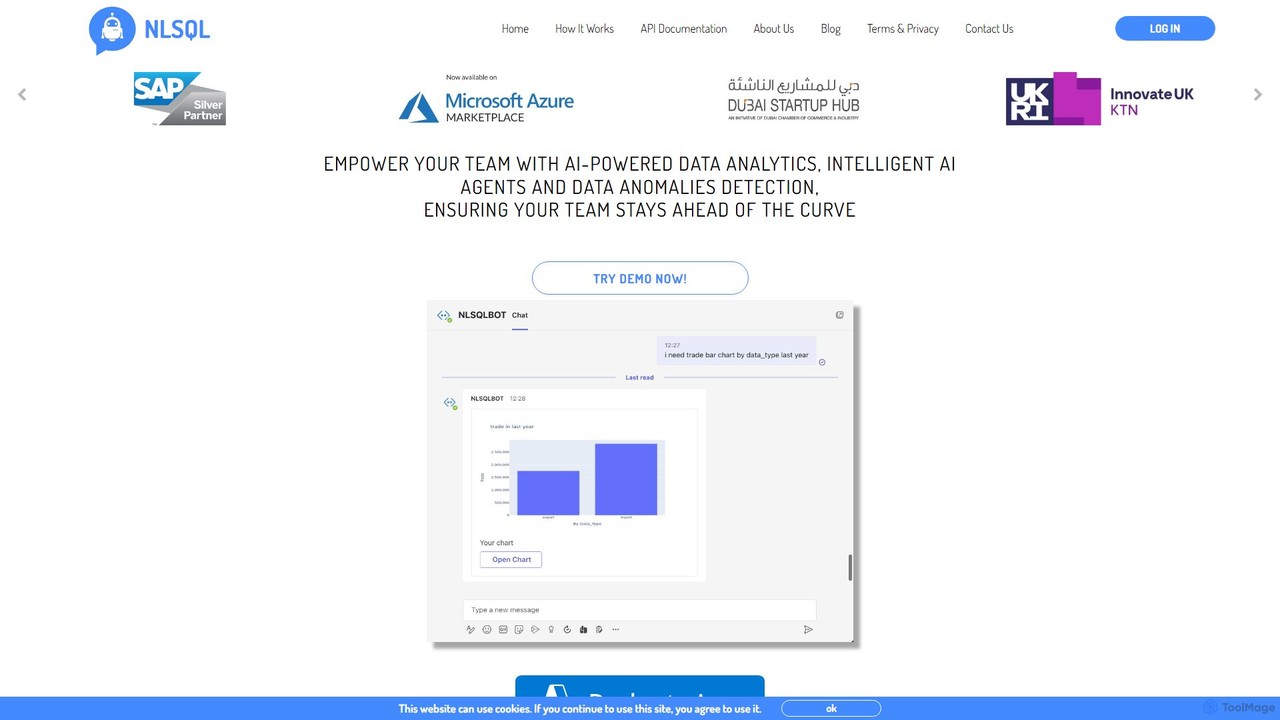
nlsql is a B2B AI platform that empowers teams with self-service data analytics. It translates natural language questions into SQL queries, enabling non-technical users to interact with databases seamlessly. It also features intelligent AI agents and proactive data anomaly detection to drive faster, data-driven business decisions.

Business Intelligence
Visits 7.7KFavorites 111Likes 115
Graphite Note
Freemium

Graphite Note

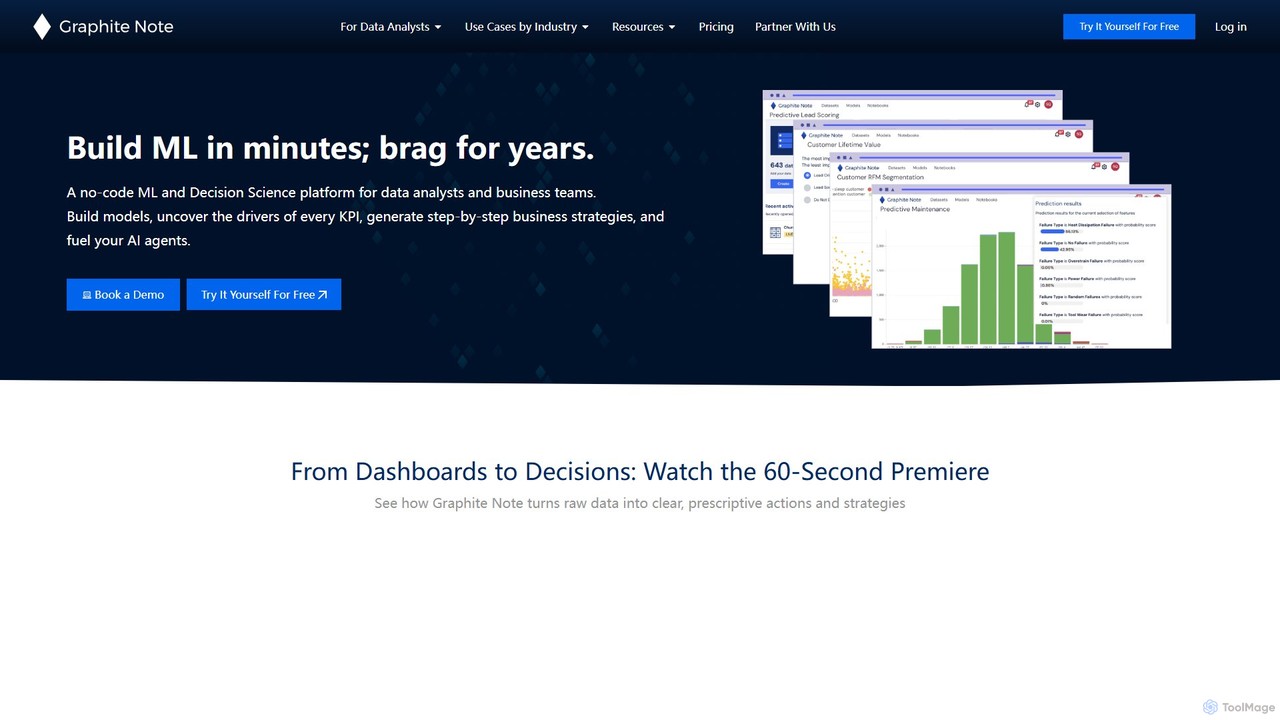
Graphite Note is a no-code AI platform designed for data analysts and business users to build, deploy, and manage predictive analytics models. It simplifies machine learning, enabling users to gain actionable insights from their data, optimize marketing campaigns, and make data-driven decisions without any coding expertise. The platform supports various data sources and automates model selection to deliver fast and accurate results.

Business Intelligence
Visits 21.1KFavorites 142Likes 148
GRID
Freemium

GRID

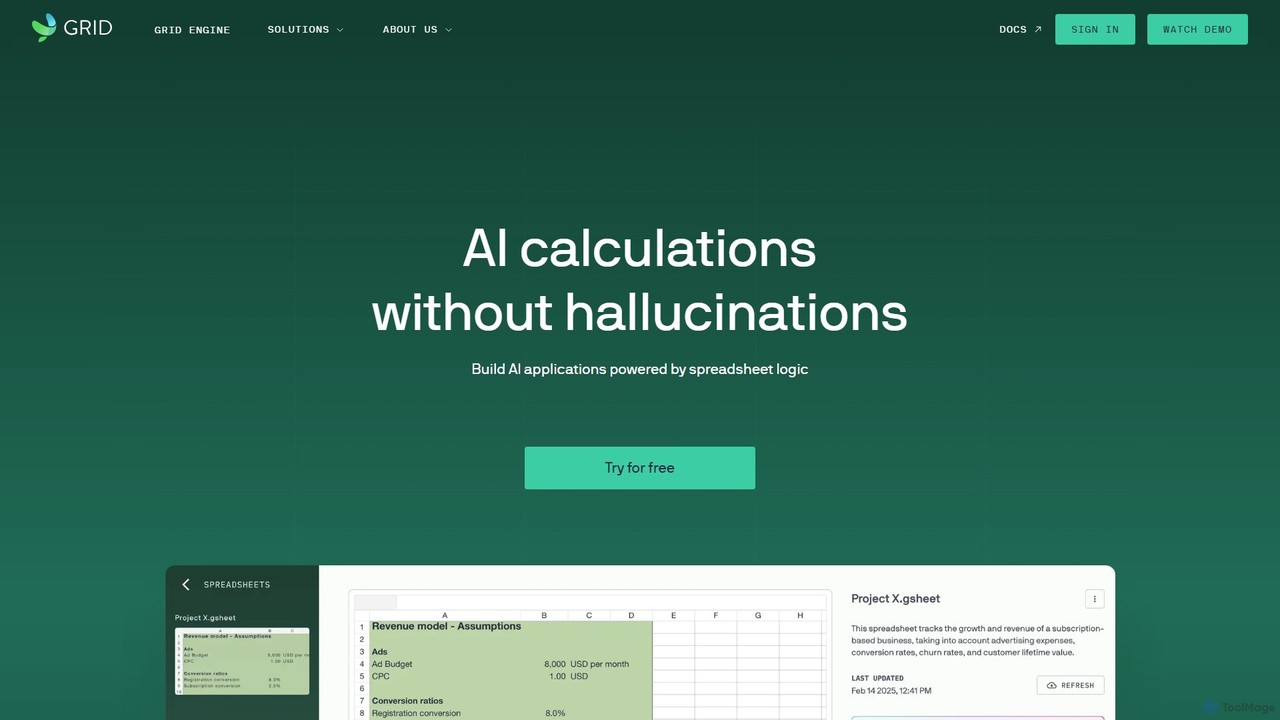
GRID is an AI-first platform that transforms your existing spreadsheets into powerful, interactive web applications and AI-driven tools. It leverages the logic and data within your Excel and Google Sheets files to build reliable calculators, dashboards, and models that can be queried using natural language, eliminating AI hallucinations.

Business Intelligence
Visits 34.3KFavorites 147Likes 132
ThoughtSpot
Freemium

ThoughtSpot

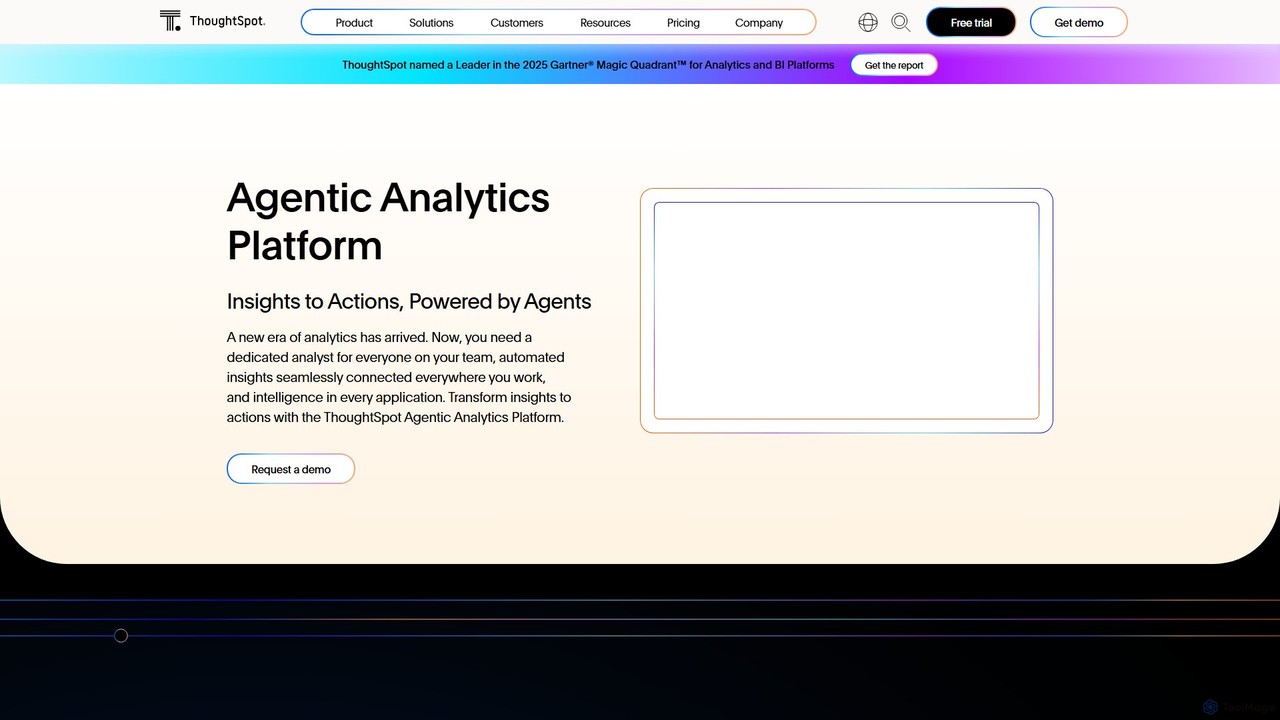
ThoughtSpot is an AI-powered Agentic Analytics platform that enables anyone to get granular, data-driven insights using natural language search. It features AI agents, interactive dashboards, and embedded analytics to democratize data and accelerate decision-making across enterprises.

Business Intelligence
Visits 392.9KFavorites 139Likes 128
Crackerjack
Freemium

Crackerjack

Crackerjack is an AI-powered business intelligence and data analytics platform. It automates the process of uncovering insights from complex data, generating expert-level reports, and providing predictive analytics to accelerate strategic decision-making for businesses of all sizes.

Business Intelligence
Visits 47.2KFavorites 112Likes 122
Quantico AI
Paid

Quantico AI

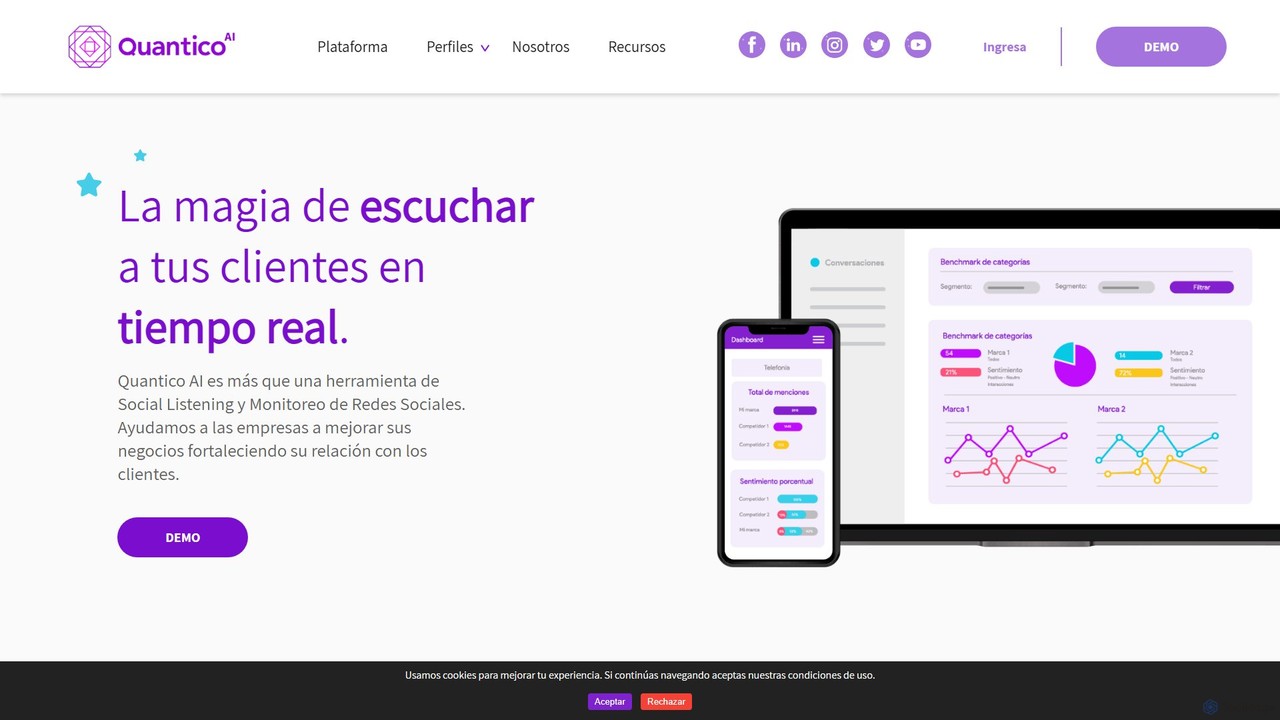
Quantico AI is an advanced social listening and media monitoring platform that uses artificial intelligence to analyze real-time online conversations. It helps businesses manage brand reputation, understand customer sentiment, identify market trends, and discover actionable business insights from social media, blogs, and other digital sources.

Business Intelligence
Visits 9.5KFavorites 109Likes 116
insyte
Freemium

insyte

insyte is an AI-powered business intelligence platform that transforms complex data into clear, actionable insights. Ask questions in natural language, create interactive dashboards, and uncover hidden trends to drive business growth without needing a data scientist.

Business Intelligence
Visits 6KFavorites 144Likes 135
axcent
Paid

axcent

axcent is an AI-powered business intelligence and sales acceleration platform. It integrates disparate data sources to provide predictive insights, automate lead scoring, and streamline sales workflows, helping businesses make smarter decisions and grow faster.

Business Intelligence
Visits 5.8KFavorites 111Likes 104
Flowpoint
Freemium

Flowpoint

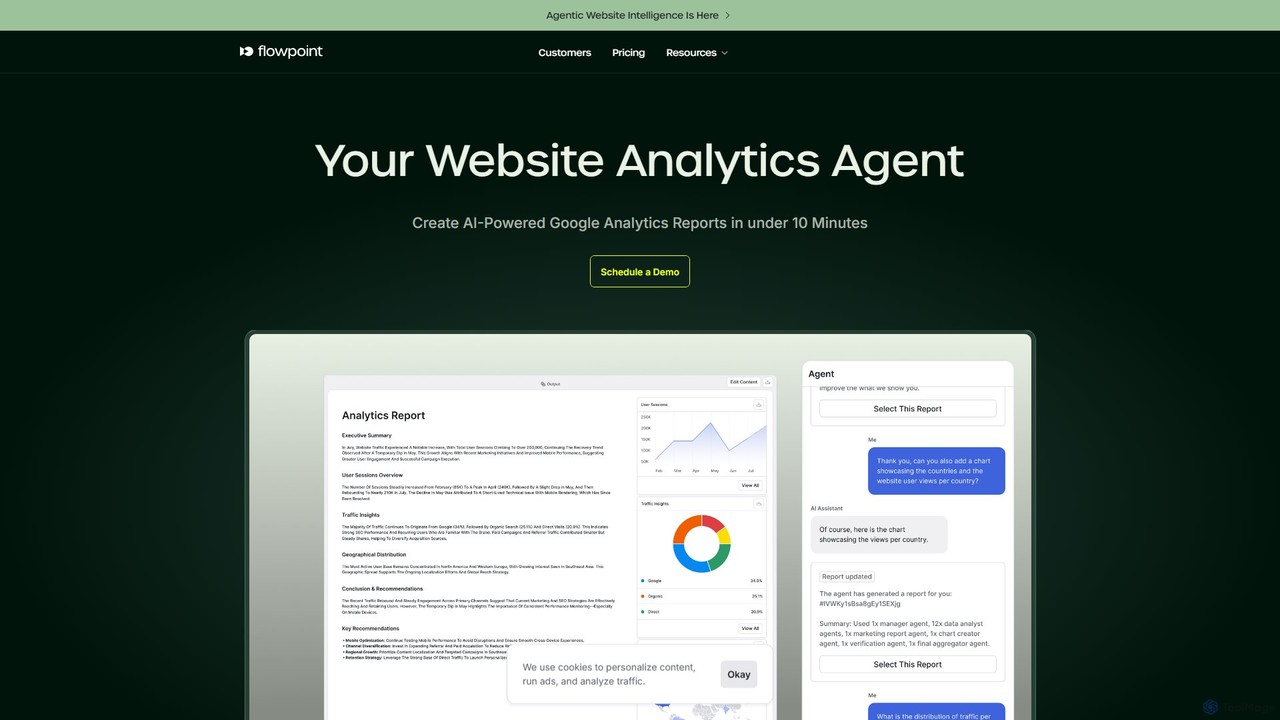
Flowpoint is an AI-powered agentic process builder designed for website intelligence. It automates website analytics by connecting to data sources like Google Analytics, using AI agents to analyze data and generate in-depth reports in minutes. This no-code platform empowers marketers to optimize website performance, improve ROI, and gain actionable insights without requiring technical expertise.

Website Analytics
Visits 52.4KFavorites 163Likes 152
Dvina
Freemium

Dvina

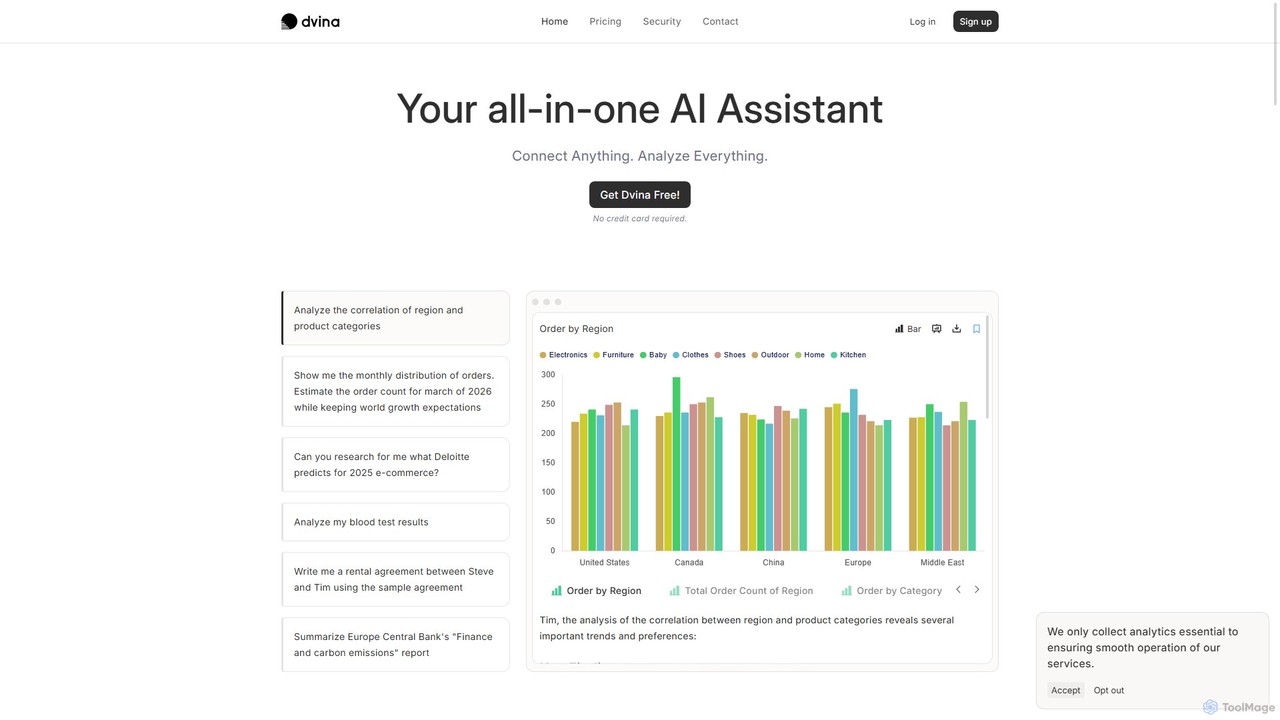
Dvina is an all-in-one AI assistant that transforms how you interact with data. Connect to various sources like files, databases, and apps, and use natural language to perform complex data analysis, generate reports, get forecasts, and automate tasks without writing any code.

Business Intelligence
Visits 5.9KFavorites 152Likes 171
unitQ
Paid

unitQ

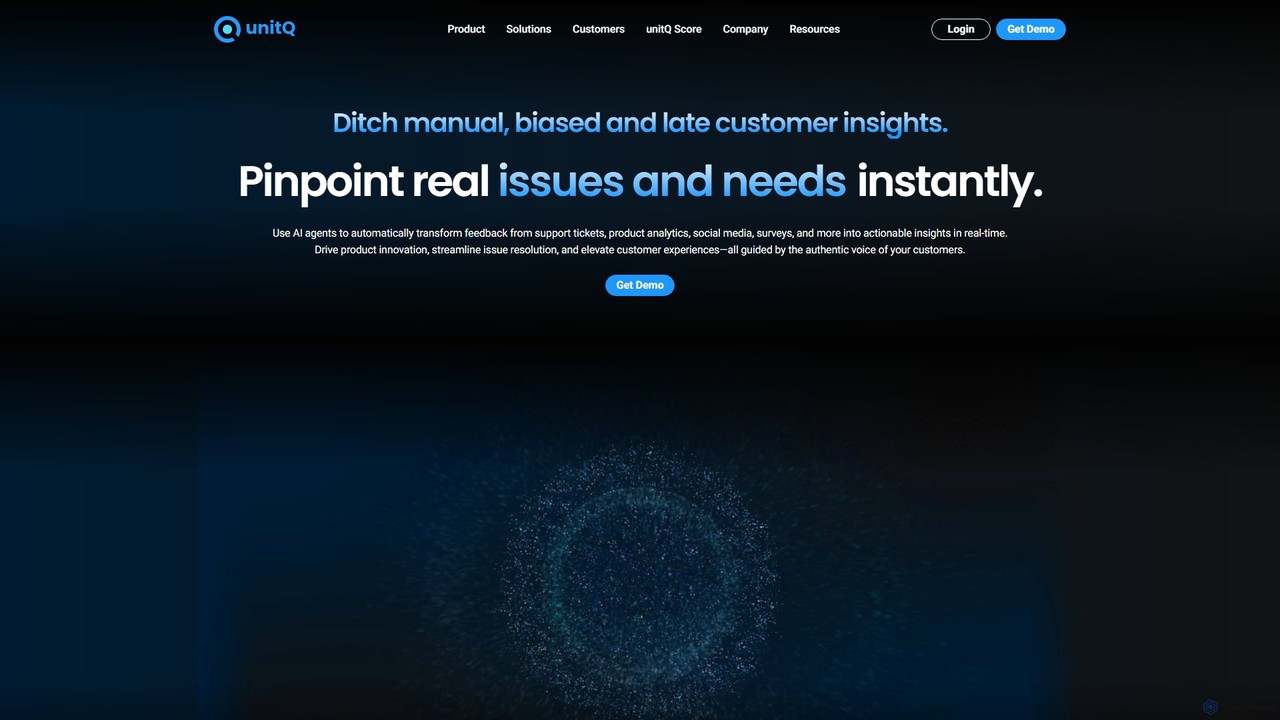
unitQ is a real-time AI customer insights platform that uses AI agents to automatically aggregate and analyze customer feedback from all channels. It transforms support tickets, social media, surveys, and reviews into actionable insights to drive product innovation, streamline issue resolution, and enhance customer experience.

Business Intelligence
Visits 14.8KFavorites 137Likes 134
datarc
Paid

datarc

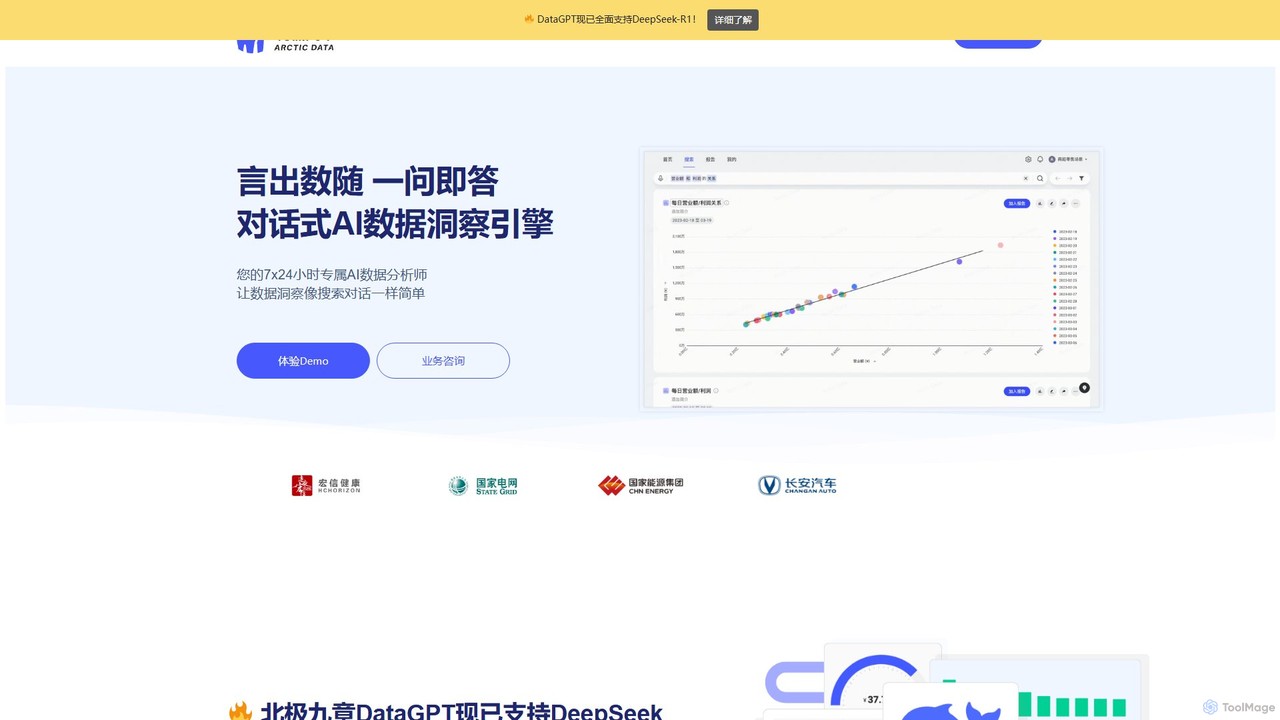
datarc is an enterprise-grade AI data insight engine, also known as DataGPT, that enables users to analyze big data using natural language. Through a conversational interface, it integrates large language models with proprietary expert systems to deliver accurate, reliable, and deep data insights without requiring technical expertise. It's designed for various industries to democratize data analysis and accelerate data-driven decision-making.

Business Intelligence
Visits 5.9KFavorites 108Likes 117
ChatCSV
Freemium

ChatCSV

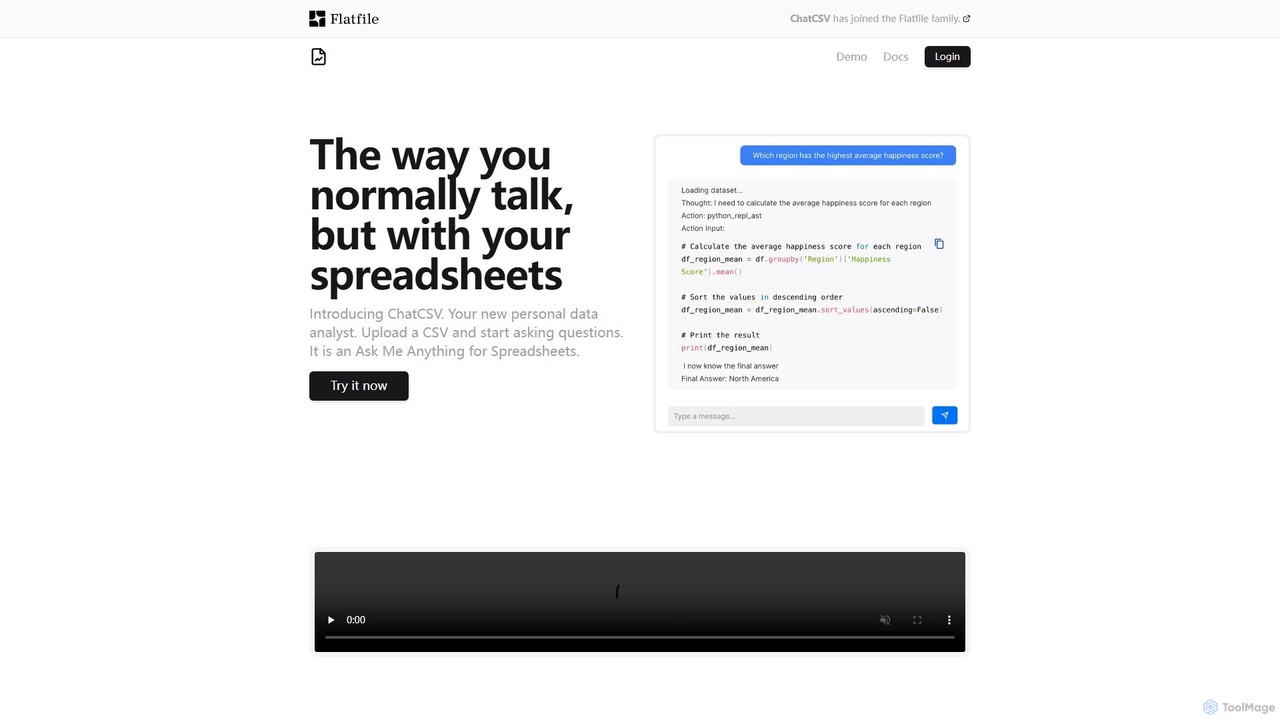
ChatCSV is an AI-powered data analyst that allows you to interact with your CSV files using natural language. Upload your spreadsheet and ask questions to get instant insights, analysis, and data visualizations without writing any code or complex formulas.

Business Intelligence
Visits 10.7KFavorites 143Likes 140
dflux
Paid

dflux

dflux is a unified, no-code/low-code data science platform that empowers businesses to perform end-to-end data engineering, build machine learning models, and create interactive visualizations. It streamlines the entire data lifecycle from integration and preparation to model deployment and MLOps, making advanced analytics accessible to both technical and non-technical users.

Business Intelligence
Visits 5.9KFavorites 123Likes 125
Akkio
Freemium

Akkio

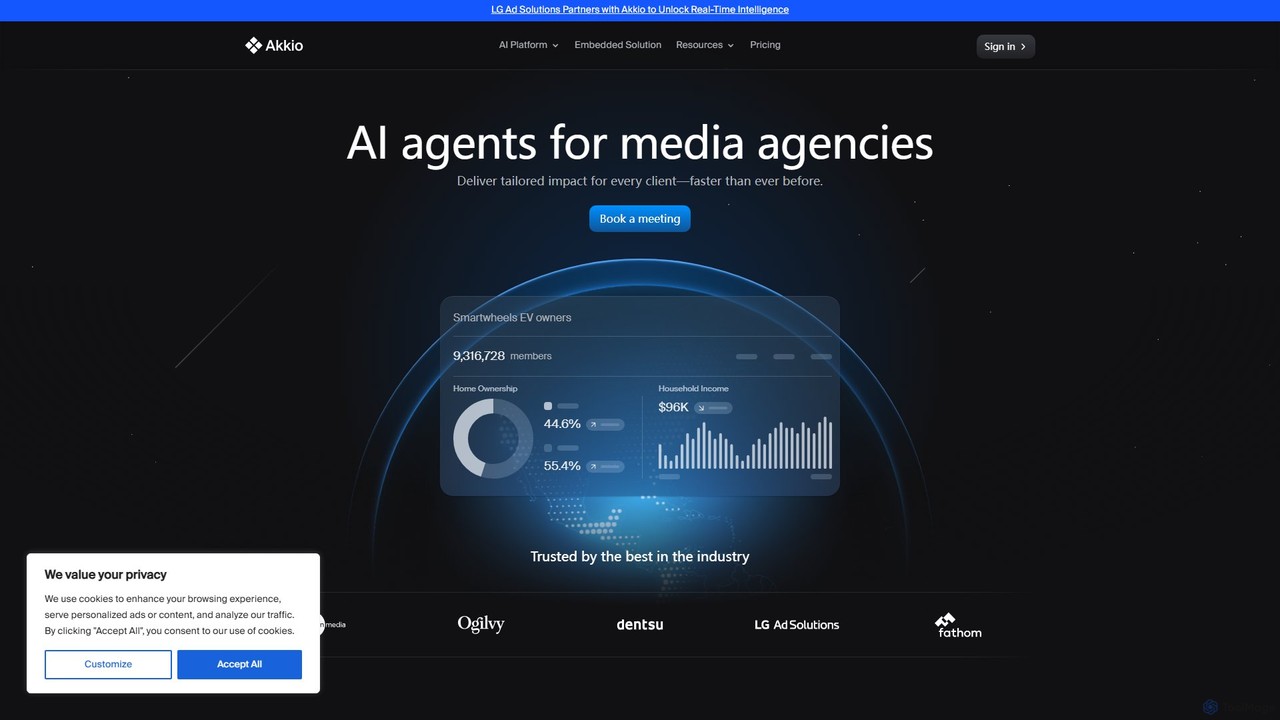
Akkio is a no-code AI platform for generative business intelligence and predictive analytics. It empowers users, especially in media and marketing agencies, to connect data, build machine learning models, and generate insights through natural language chat, without needing data science expertise.

Business Intelligence
Visits 58.5KFavorites 119Likes 129
BYOB
Freemium

BYOB

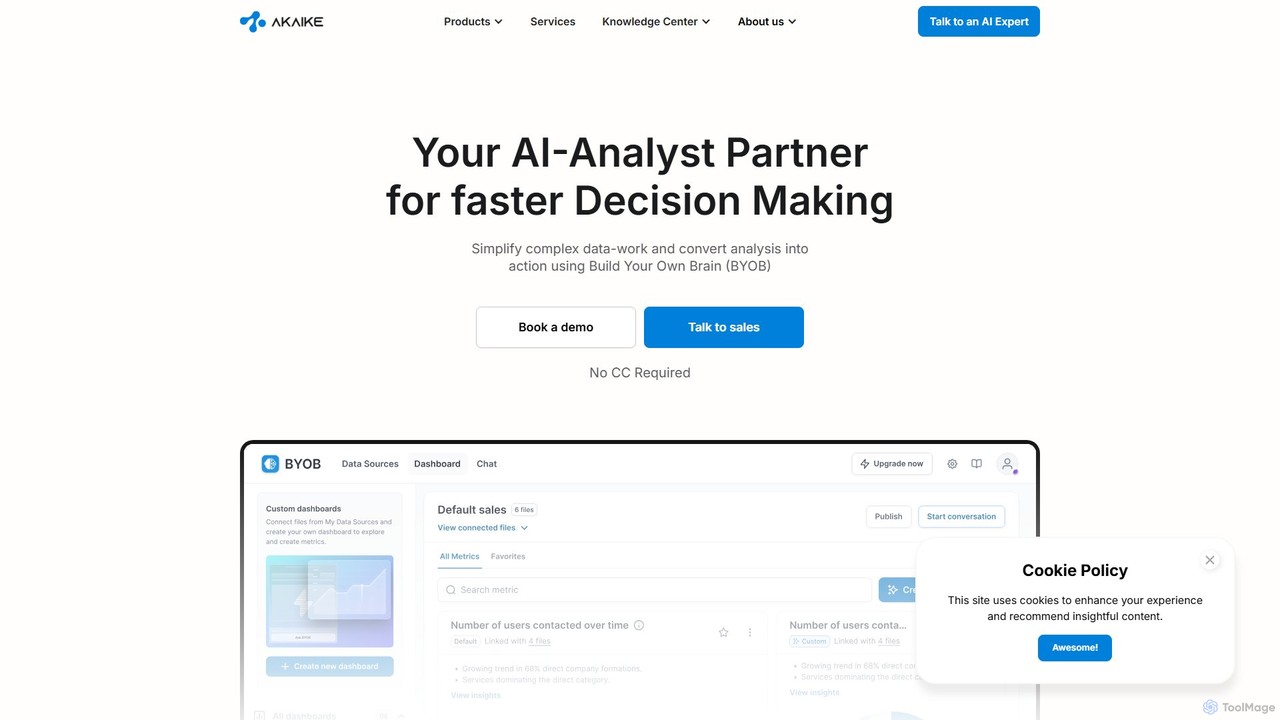
BYOB (Build Your Own Brain) by Akaike is an enterprise-grade AI analyst platform that transforms complex data into actionable insights. It connects to multiple data sources, both structured and unstructured, allowing teams to make faster, data-driven decisions through a conversational chat interface. BYOB provides proactive analytics and seamlessly integrates into existing workflows, empowering departments like finance, marketing, and sales without needing to expand the data team.

Business Intelligence
Visits 8.5KFavorites 112Likes 107
Basejump AI
Freemium

Basejump AI

Basejump AI is a conversational AI data analytics platform that enables teams to query databases and gain insights using natural language. It translates everyday questions into SQL queries, providing fast, accurate, and auditable data without the need for complex dashboards or coding skills.

Business Intelligence
Visits 7.7KFavorites 103Likes 112
Airbyte
Freemium

Airbyte

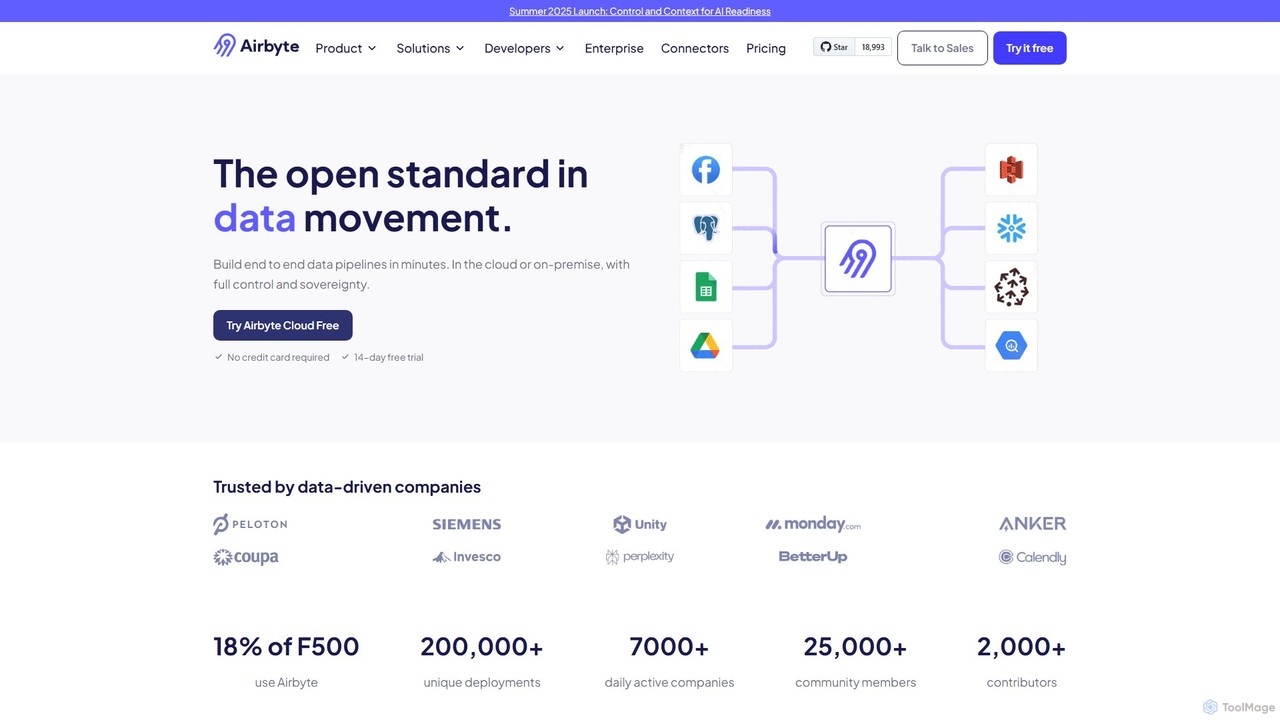
Airbyte is an open-source data integration platform that simplifies building and managing data pipelines. It enables you to move data from hundreds of sources to destinations like data warehouses, lakes, and vector databases in minutes, using a vast catalog of pre-built connectors or by creating your own with a low-code builder. It supports both cloud and self-hosted deployments, focusing on data security, governance, and scalability for modern data and AI applications.

Data Pipelines
Visits 228.4KFavorites 111Likes 121
GoX
Freemium

GoX

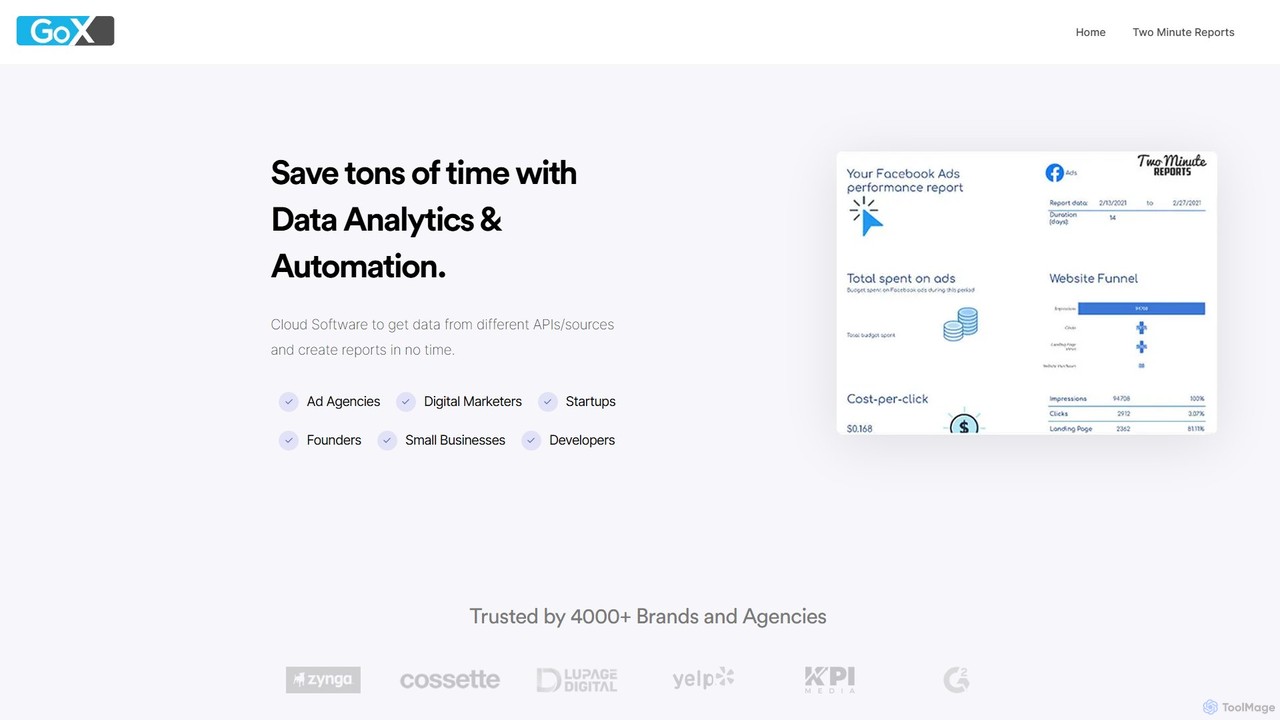
GoX is a data automation and analytics platform, delivered through its flagship product 'Two Minute Reports'. It helps marketers and agencies save time by connecting to various data sources (like Google Ads, Facebook Ads, SEO tools), consolidating data, and automating report generation directly within Google Sheets and Looker Studio. It's a no-code solution for creating beautiful, insightful reports in minutes.

Business Intelligence
Visits 10.4KFavorites 115Likes 118
sql_creator
Freemium

sql_creator

sql_creator is an AI-powered tool that instantly converts natural language text into accurate and efficient SQL queries. It supports various SQL dialects, helps optimize queries, and enables both technical and non-technical users to interact with databases seamlessly, boosting productivity and democratizing data access.

Business Intelligence
Visits 6.1KFavorites 146Likes 164
upwave
Paid

upwave

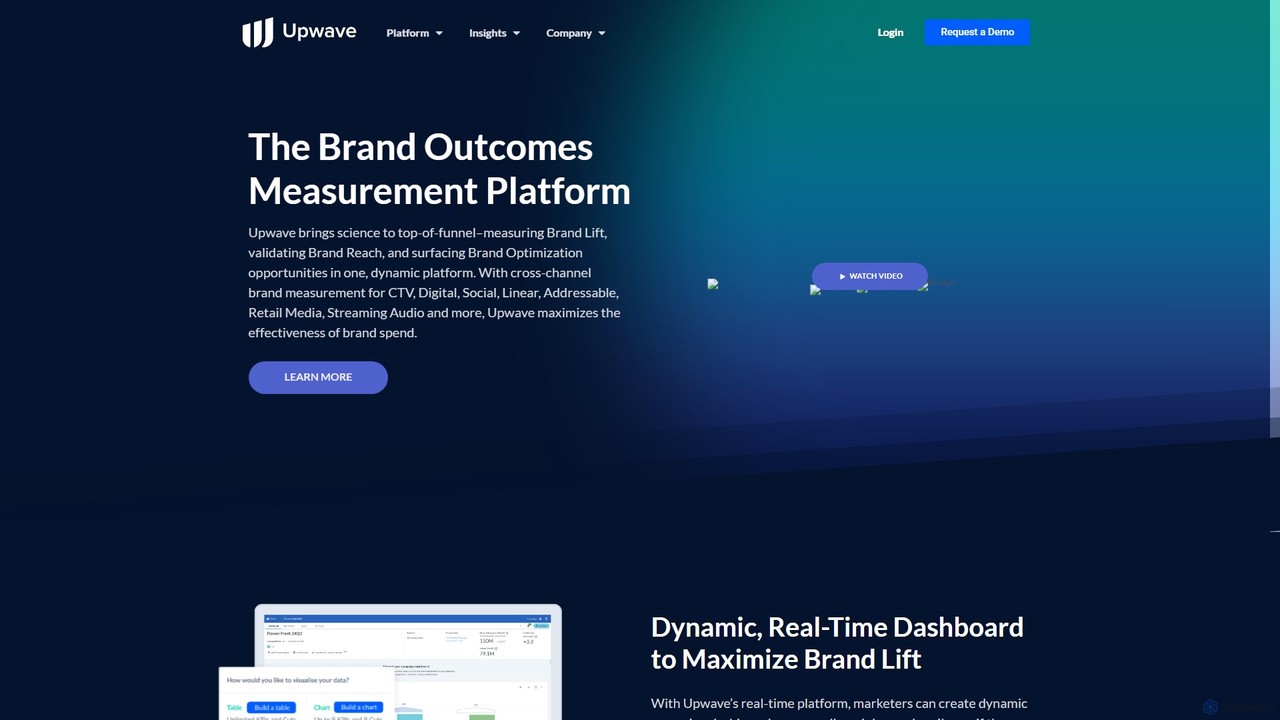
Upwave is a brand intelligence platform that uses AI to measure the effectiveness of advertising campaigns. It provides real-time analytics on brand lift, consumer sentiment, and purchase intent, helping marketers optimize their strategies and prove ROI across all channels.

Business Intelligence
Visits 27.1KFavorites 102Likes 111
Competely
Paid

Competely

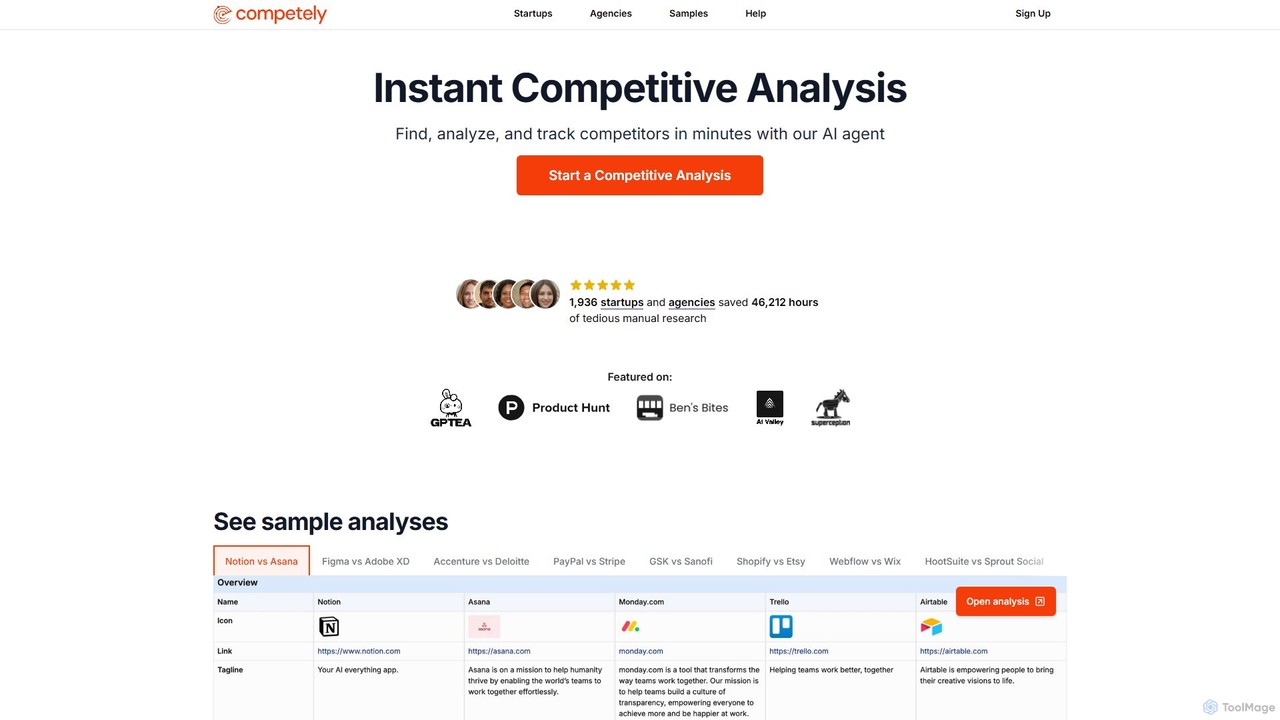
Competely is an AI-powered agent that delivers instant, in-depth competitive analysis. Simply provide your product URL or description, select your competitors, and receive a comprehensive report in minutes. The platform analyzes over 100 data points, including marketing strategies, product features, pricing models, customer sentiment, and SWOT analysis. It helps startups, marketers, and agencies save hours of manual research, track competitor changes automatically, and make data-driven decisions to gain a competitive edge.

Business Intelligence
Visits 13.7KFavorites 132Likes 138
Scoop Analytics
Freemium

Scoop Analytics

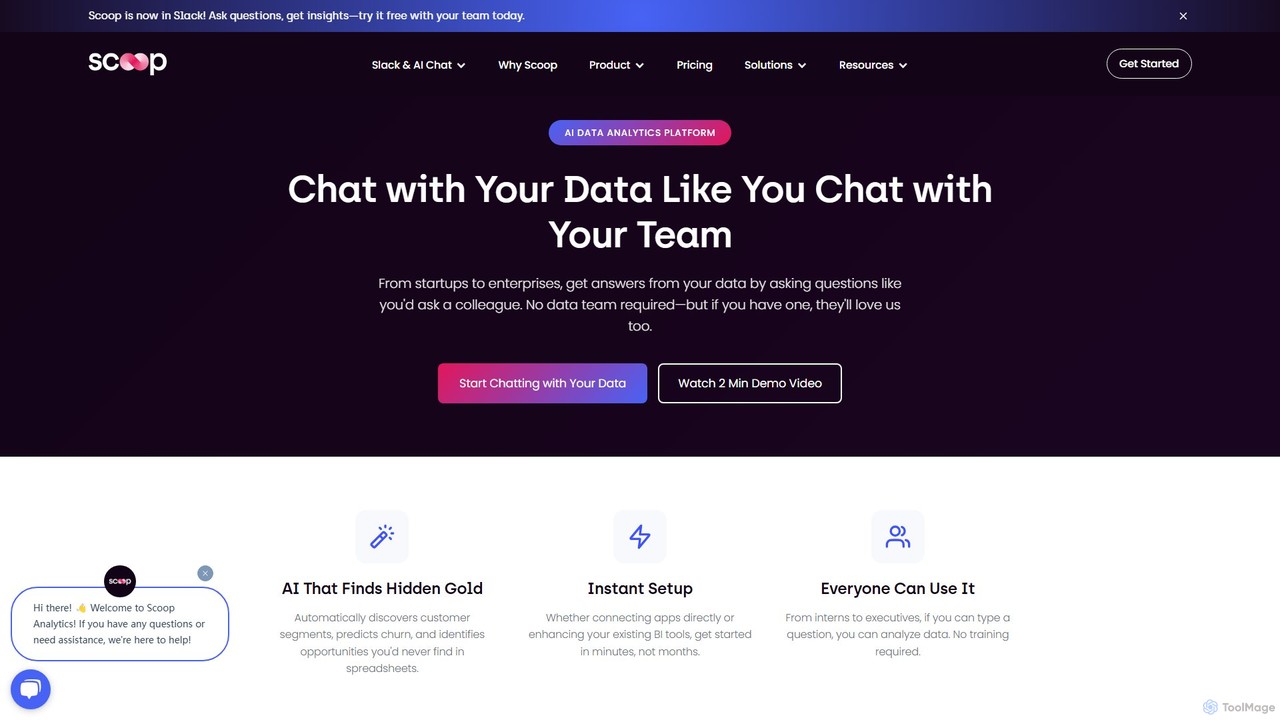
Scoop Analytics is an AI-powered data platform that acts as your team's data analyst. It allows non-technical users to get complex insights from business data simply by asking questions in natural language. Integrated with Slack and over 100 data sources, it automates analysis, predicts outcomes like customer churn and sales wins, and uncovers hidden opportunities without requiring any SQL or coding knowledge.

Business Intelligence
Visits 9.7KFavorites 152Likes 158
Syncly
Freemium

Syncly

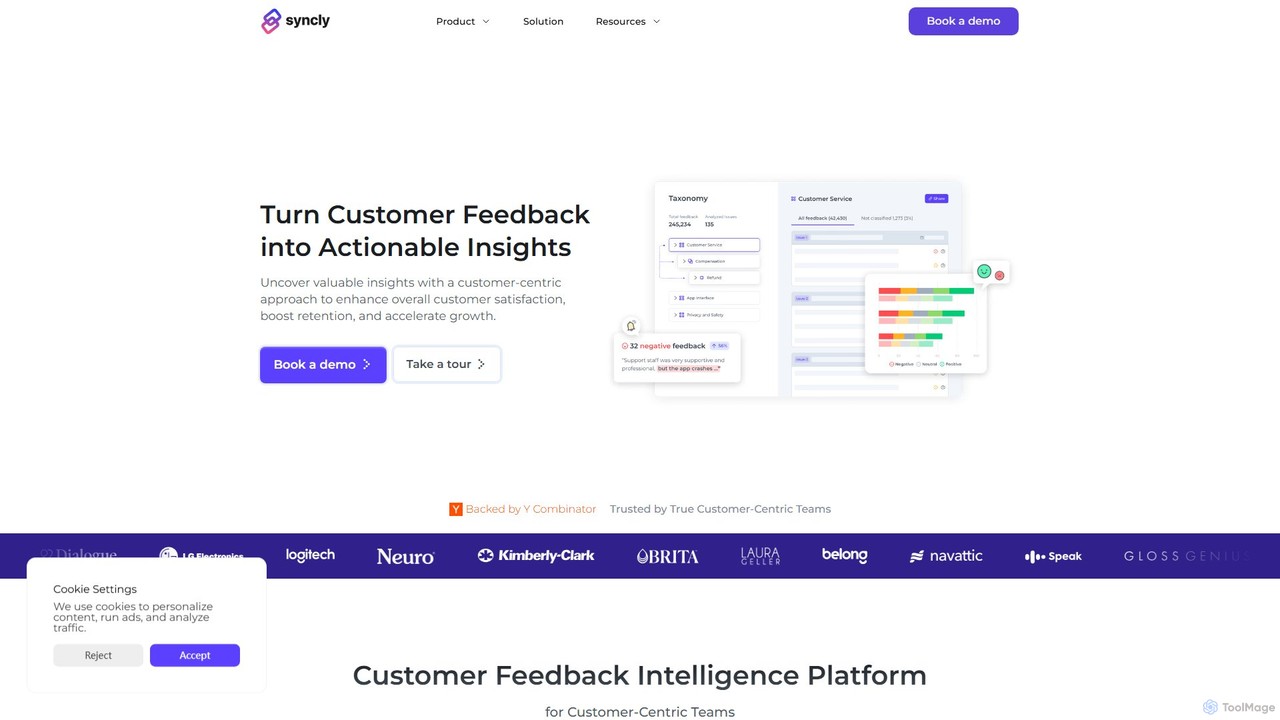
Syncly is an AI-powered customer feedback intelligence platform that centralizes feedback from various channels like emails, chats, and social media. It uses AI to analyze sentiment, identify trends, and provide actionable insights to help teams enhance customer satisfaction, prevent churn, and drive product growth.

Business Intelligence
Visits 24.8KFavorites 120Likes 117

About Business Intelligence

Business Intelligence (BI) tools are AI-powered solutions that transform raw business data into actionable insights. They leverage advanced analytics, machine learning, and data visualization to help organizations understand past performance, monitor current operations, and predict future trends. These tools empower decision-makers to make data-driven choices, optimize strategies, and identify new opportunities within the broader business landscape.

Core Features

  • Data Integration & ETL: Connects to various data sources, extracts, transforms, and loads data for analysis.
  • Interactive Dashboards: Creates dynamic, visual representations of key performance indicators (KPIs) and metrics.
  • Predictive Analytics: Uses AI and machine learning to forecast future outcomes and identify potential risks or opportunities.
  • Ad-hoc Querying & Reporting: Allows users to perform on-demand data queries and generate custom reports without IT intervention.
  • Alerts & Notifications: Automatically notifies users of significant changes or anomalies in data that require attention.

Use Cases

Business Intelligence tools are essential for various roles across industries. Marketing teams use them to analyze campaign performance and customer behavior, while sales departments track pipeline health and identify top-performing products. Finance professionals leverage BI for budget analysis and financial forecasting, enabling more strategic resource allocation and risk management.

How to Choose

When selecting a Business Intelligence tool, consider its data integration capabilities with your existing systems, the intuitiveness of its user interface for your team, and its scalability to handle growing data volumes. Evaluate the range of analytical features, including predictive modeling and real-time reporting, and compare pricing models to ensure it aligns with your budget and long-term needs.

Featured tool rankings

Business Intelligence use cases

1

Optimizing Sales Performance

Sales managers utilize BI tools to track regional sales performance, identify top-selling products, and analyze customer purchasing patterns. By visualizing these trends on interactive dashboards, they can quickly pinpoint underperforming areas, allocate resources more effectively, and develop targeted sales strategies to boost revenue and market share. This data-driven approach helps in setting realistic targets and improving overall sales efficiency.

2

Enhancing Marketing Campaign Effectiveness

Marketing analysts employ BI platforms to consolidate data from various channels like social media, email campaigns, and website analytics. They can then analyze customer engagement, conversion rates, and campaign ROI in real-time. This allows for immediate adjustments to ongoing campaigns, personalized content delivery, and a deeper understanding of customer segments, leading to more effective marketing spend and higher conversion rates.

3

Streamlining Financial Reporting and Forecasting

Finance departments leverage BI tools to automate the aggregation of financial data from ERP systems, accounting software, and spreadsheets. This enables them to generate comprehensive financial reports, perform variance analysis against budgets, and create accurate revenue and expense forecasts. The ability to drill down into specific financial metrics supports better budget allocation, risk assessment, and strategic financial planning.

4

Improving Operational Efficiency in Manufacturing

Operations managers in manufacturing use BI dashboards to monitor key production metrics such as machine uptime, defect rates, and inventory levels. By visualizing real-time data, they can quickly identify bottlenecks, predict equipment failures, and optimize supply chain logistics. This proactive approach minimizes downtime, reduces waste, and ensures smoother production processes, leading to significant cost savings and improved output quality.

5

Personalizing Customer Experience in Retail

Retail businesses deploy BI solutions to analyze vast amounts of customer transaction data, loyalty program information, and browsing history. This helps them understand individual customer preferences, predict future purchasing behavior, and segment customers for targeted promotions. By offering personalized product recommendations and tailored shopping experiences, retailers can enhance customer satisfaction, increase repeat purchases, and build stronger brand loyalty.

6

Strategic Human Resources Planning

HR professionals use BI tools to analyze workforce data, including employee turnover rates, recruitment effectiveness, and training program impact. By identifying trends in employee engagement and performance, they can develop data-backed strategies for talent acquisition, retention, and development. This leads to a more engaged workforce, reduced recruitment costs, and a stronger organizational culture, aligning HR initiatives with overall business goals.

Business Intelligence FAQ

What are Business Intelligence (BI) tools?

Business Intelligence (BI) tools are software applications that collect, process, analyze, and visualize large volumes of business data to provide actionable insights. They help organizations understand past performance, monitor current operations, and predict future trends by transforming raw data into meaningful reports and interactive dashboards. These tools are crucial for data-driven decision-making across various departments, from sales and marketing to finance and operations.

How do Business Intelligence tools differ from traditional reporting tools?

While both generate reports, BI tools offer much more than traditional reporting. Traditional tools primarily present historical data in static reports, focusing on "what happened." BI tools, however, provide interactive dashboards, advanced analytics (including predictive and prescriptive), and self-service capabilities, allowing users to explore data, ask "why it happened," and even "what will happen." They are dynamic, enabling deeper insights and proactive decision-making.

What are the key benefits of implementing Business Intelligence?

Implementing Business Intelligence offers several key benefits. It enables faster and more informed decision-making by providing real-time insights into business performance. Organizations can identify trends, optimize operations, and uncover new opportunities, leading to increased efficiency and profitability. BI also enhances customer satisfaction through a better understanding of customer behavior and helps in mitigating risks by predicting potential issues before they escalate.

Who typically uses Business Intelligence tools within an organization?

Business Intelligence tools are used by a wide range of professionals across an organization, not just data analysts. This includes executives and senior management for strategic planning, department heads (e.g., marketing, sales, finance, HR) for operational oversight and performance tracking, and even frontline employees who need data to make daily decisions. The goal is to democratize data access, empowering all levels to make data-driven choices.

How to choose the right Business Intelligence tool for my business?

Choosing the right BI tool involves evaluating several factors. First, assess your specific business needs and the types of data you need to analyze. Consider the tool's data integration capabilities with your existing systems, its ease of use for non-technical users, and the range of analytical features it offers (e.g., dashboards, predictive analytics). Also, evaluate its scalability, security features, vendor support, and pricing model to ensure it aligns with your budget and long-term strategic goals.