ToolMage
Sign in

Best 54 Project Management AI tools for Business

Popular Project Management AI tools in Business include Slack, Feishu, Airtable, Zigi.ai, Lucidchart, Lucidspark, GitMind, Boardmix, EdrawMax, and boardmix, helping you work more efficiently.

Considerful
Freemium

Considerful

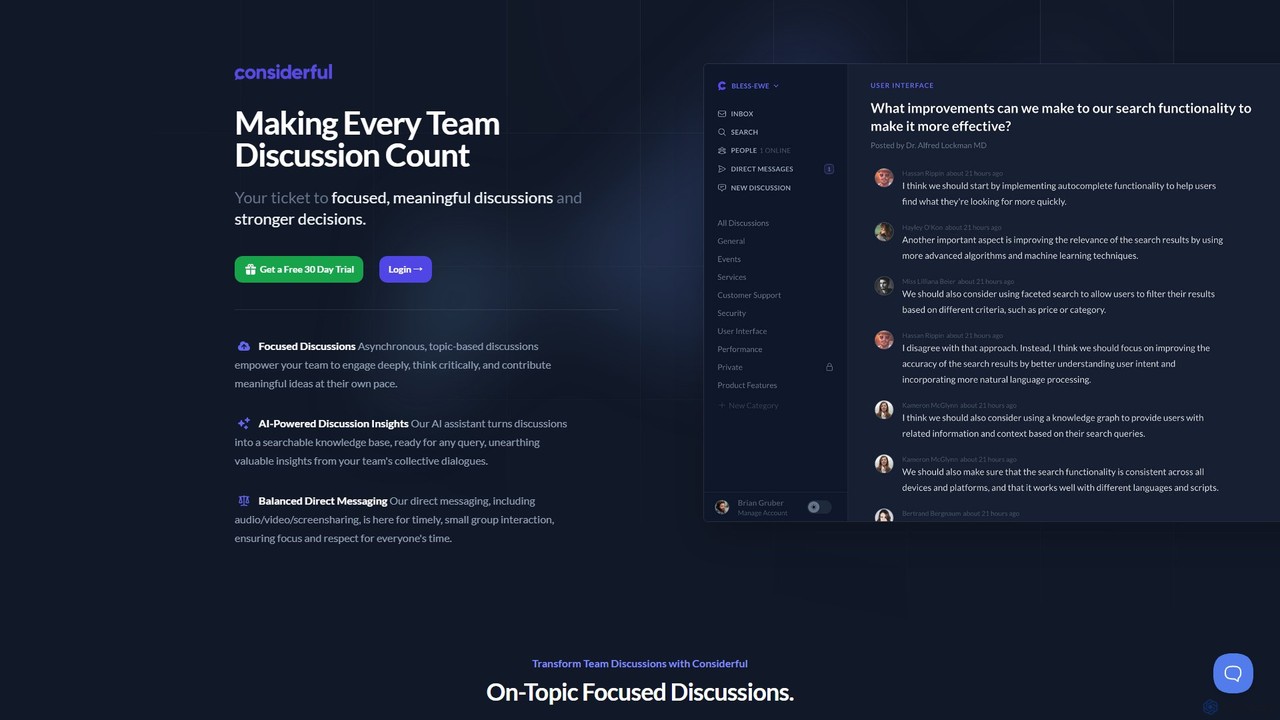
Considerful is an AI-powered communication platform designed for productive teams. It fosters focused, asynchronous, topic-based discussions to encourage deep thinking and meaningful contributions, while its AI assistant transforms conversations into a searchable knowledge base. It also includes balanced direct messaging for timely interactions.

Project Management
Visits 6KFavorites 134Likes 121
PRIZ Guru
Paid

PRIZ Guru

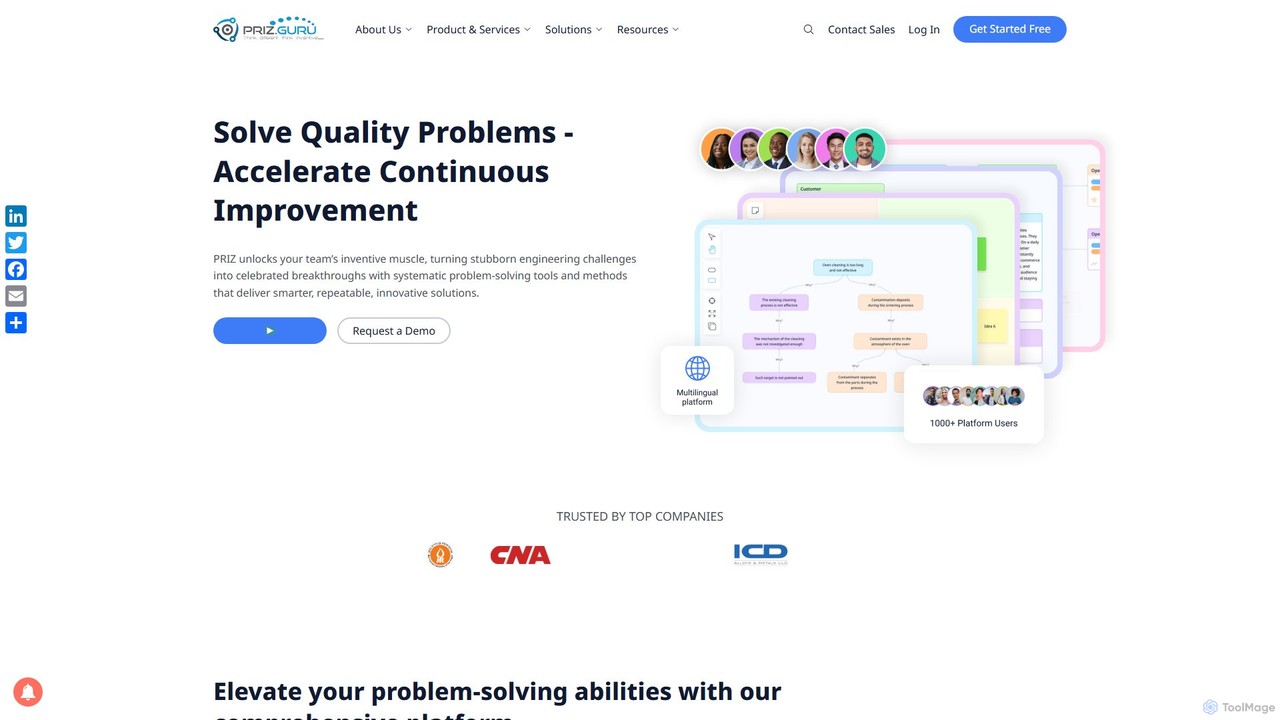
PRIZ Guru is an AI-powered innovation platform for engineering teams. It combines systematic problem-solving methodologies like TRIZ with AI-assisted facilitation, project management, and collaboration tools to turn complex engineering challenges into competitive advantages and accelerate continuous improvement.

Project Management
Visits 7.3KFavorites 129Likes 116
Proddy.io
Freemium

Proddy.io

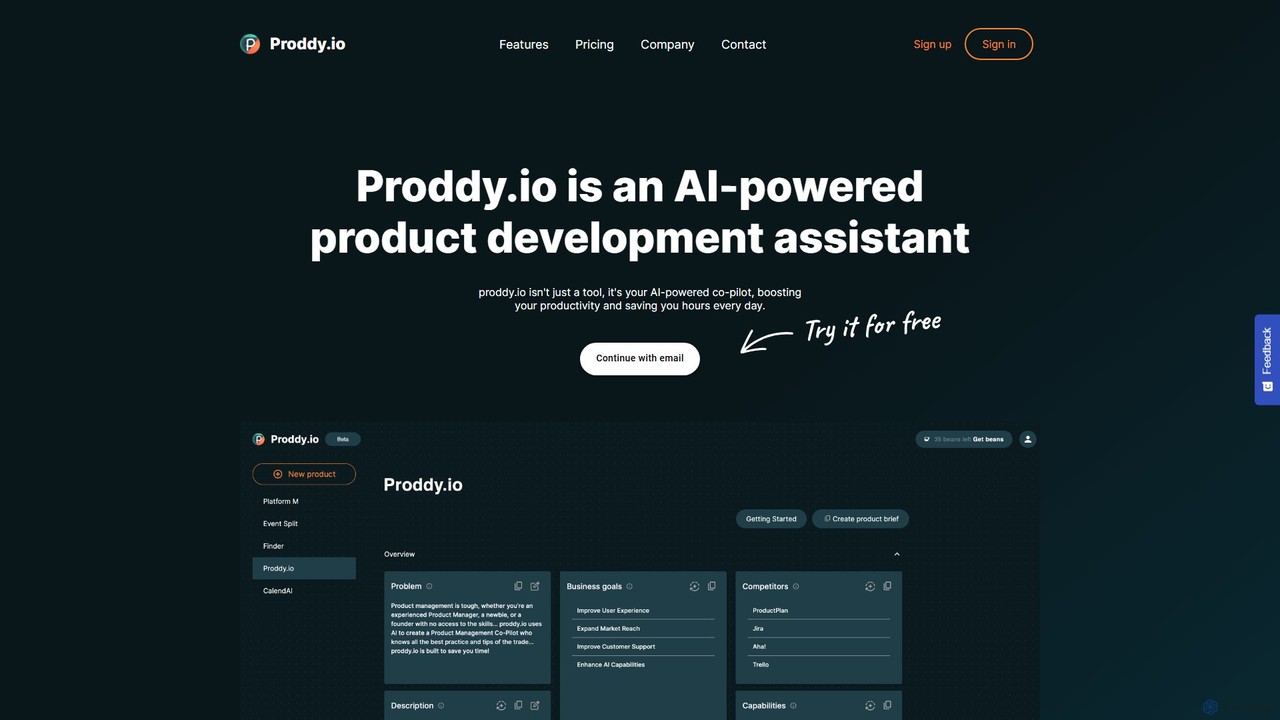
Proddy.io is an AI-powered co-pilot for product managers, designed to streamline the entire product development lifecycle. It transforms simple instructions into professional product documentation, such as detailed product briefs, user stories, and release notes, in minutes. By automating tedious documentation tasks and analyzing customer feedback, Proddy.io saves product teams hours of work, allowing them to focus on strategy and innovation. It's the ideal assistant for product managers, founders, and entrepreneurs looking to accelerate their workflow and build better products faster.

Project Management
Visits 5.8KFavorites 141Likes 150
Instrumentl
Freemium

Instrumentl

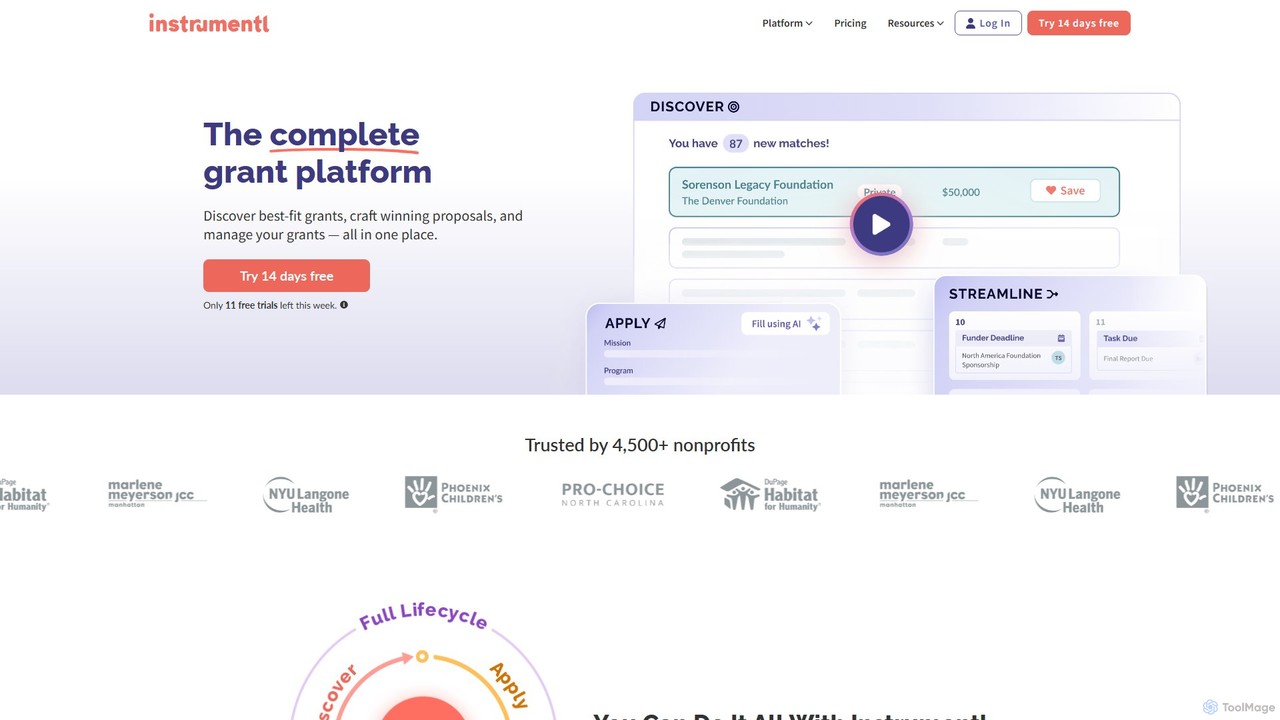
Instrumentl is an all-in-one AI-powered grant platform for nonprofits. It helps organizations discover best-fit funders, craft winning proposals, and manage the entire grant lifecycle in a single, streamlined workspace. It combines a comprehensive database with intelligent automation to boost fundraising efficiency and success.

Project Management
Visits 332.4KFavorites 130Likes 126
Docugram
Freemium

Docugram

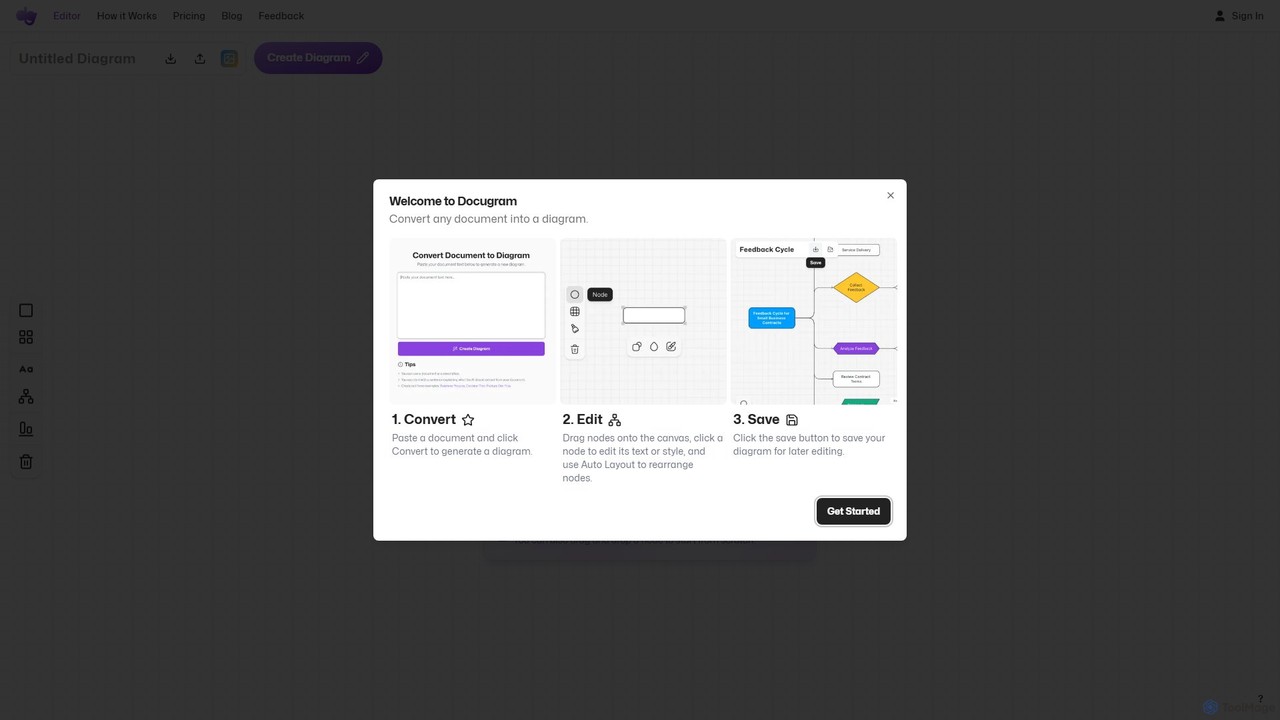
Docugram is an AI-powered tool that instantly transforms text documents, notes, and prompts into clear, editable diagrams and flowcharts. It streamlines workflows by converting complex information from formats like Word, Excel, and PDF into visual maps, enhancing productivity for professionals in project management, development, and business analysis.

Project Management
Visits 8.9KFavorites 131Likes 127
timgerstel
Paid

timgerstel

A suite of expertly designed, AI-enhanced Notion templates by Timothy Gerstel. These systems, like the popular 'Second Brain' and 'Creator's Companion', help users organize their lives, manage projects, and streamline content creation, all within a unified Notion workspace.

Project Management
Visits 5.9KFavorites 106Likes 110

About Project Management

AI Project Management tools are a class of software that leverages artificial intelligence to automate, predict, and optimize project workflows. They go beyond traditional task tracking by using machine learning algorithms to analyze project data, forecast outcomes, and provide intelligent recommendations. This enables teams to proactively manage risks, allocate resources more effectively, and improve the accuracy of project planning. The key advantage lies in transforming project management from a reactive, manual process into a data-driven, predictive discipline.

Core Features

  • Predictive Analytics: Forecasts project timelines, budgets, and potential delays based on historical data.
  • Automated Task Scheduling: Intelligently assigns tasks and adjusts schedules based on real-time progress and team capacity.
  • Intelligent Resource Allocation: Recommends the best team members for tasks based on skills, workload, and availability.
  • AI-Powered Risk Detection: Proactively identifies potential bottlenecks and risks by analyzing project patterns and dependencies.
  • Automated Reporting: Generates concise progress reports, performance dashboards, and project summaries automatically.

Use Cases

These tools are highly effective for software development teams managing complex sprints, marketing agencies coordinating multi-channel campaigns, and construction firms overseeing large-scale projects. For instance, a development team can use predictive analytics to anticipate sprint overruns, while an engineering firm can automate resource allocation for upcoming builds to prevent delays.

How to Choose

When selecting an AI project management tool, evaluate its integration capabilities with your existing stack (e.g., Slack, GitHub). Assess the sophistication of its predictive models and the accuracy of its forecasts. Also, consider the level of automation it provides for routine tasks and its user interface's intuitiveness for team adoption and daily use.

Featured tool rankings

Project Management use cases

1

Automating Software Development Sprint Planning

A Scrum Master uses an AI tool to streamline sprint planning. By analyzing data from past sprints, the system accurately predicts story points for new tasks and suggests optimal task assignments to developers based on their historical performance and current workload. It also automatically flags potential dependencies between tasks that could cause delays, allowing the team to address them proactively. This reduces manual planning time by hours and significantly improves the accuracy of sprint forecasts.

2

Optimizing Marketing Campaign Resource Allocation

A marketing manager planning a multi-channel product launch uses an AI tool for resource management. The tool analyzes the required skills (e.g., graphic design, copywriting, SEO) and team members' availability. It then recommends an optimal project team and timeline, ensuring no individual is overloaded and all critical path deadlines are feasible. The system can also simulate different scenarios, showing the impact of adding or removing a team member on the project's completion date.

3

Proactive Risk Mitigation in Construction Projects

A construction project manager uses an AI platform to monitor project health. The system continuously analyzes data from various sources, including supply chain schedules, weather forecasts, and subcontractor progress reports. It identifies a high probability of a material delivery delay due to a weather event and flags it as a critical risk. This early warning allows the manager to arrange an alternative supplier in advance, preventing a costly work stoppage and keeping the project on schedule.

4

Generating Executive Project Status Reports

A project lead for a large enterprise initiative needs to provide weekly updates to stakeholders. Instead of manually compiling data from spreadsheets, task boards, and emails, they use an AI tool. The tool automatically synthesizes key progress updates, budget status, and identified risks into a concise, easy-to-read summary. It can even tailor the report's language and level of detail for different audiences, such as the technical team versus the executive board, saving hours of administrative work each week.

5

Balancing Workloads in a Creative Agency

A studio manager at a design agency uses an AI tool to get a real-time overview of every designer's workload. When a new project request comes in, the system automatically analyzes the project's requirements and suggests which designers have both the necessary skills and the available capacity. This data-driven approach prevents employee burnout by ensuring fair task distribution and helps the manager make informed decisions about hiring or outsourcing when the team's capacity is reached.

6

Forecasting Budget and Timeline for Client Proposals

A consultant at a professional services firm uses an AI project management tool to create more accurate client proposals. By inputting the project scope and key deliverables, the tool analyzes historical data from hundreds of similar past projects. It then generates a reliable estimate for the required budget and a realistic completion timeline, complete with confidence intervals. This allows the firm to submit more competitive and trustworthy bids, increasing their win rate and reducing the risk of project overruns.

Project Management FAQ

What are AI Project Management tools?

AI Project Management tools are software platforms that use artificial intelligence to enhance project planning, execution, and monitoring. Unlike traditional tools that simply track tasks, they actively analyze data to provide predictive insights, automate routine administrative work, and optimize resource allocation. Key features often include forecasting project deadlines, detecting potential risks before they escalate, and intelligently assigning tasks to the most suitable team members.

How to choose the right AI Project Management tool?

To choose the right tool, consider these key factors:

  • Integration Capabilities: Ensure it connects seamlessly with your existing software stack, such as communication platforms (Slack, Teams) and development tools (GitHub, Jira).
  • AI Feature Set: Evaluate if its specific AI capabilities (e.g., predictive scheduling, risk analysis, budget forecasting) align with your primary project challenges.
  • Scalability: Choose a tool that can grow with your team and handle increasing project complexity and data volume.
  • User Experience (UX): The tool should be intuitive and easy for your entire team to adopt, as its effectiveness depends on consistent usage and data input.
What's the difference between AI and traditional project management tools?

The core difference is the shift from being a passive system of record to an active, intelligent partner. Traditional tools (like Trello or Asana) are excellent for organizing tasks and facilitating collaboration. AI tools build on this foundation by adding a layer of intelligence. They don't just track what's happening; they analyze data to predict what *will* happen, suggest optimal actions, and automate routine management tasks, effectively acting as an assistant to the project manager.

Who benefits most from AI Project Management tools?

While any team can benefit, those managing complex projects with many variables see the greatest impact. This includes:

  • Software Development Teams: For managing complex sprints, dependencies, and resource allocation.
  • Large Marketing Agencies: To coordinate multi-channel campaigns and optimize creative team workloads.
  • Engineering and Construction Firms: For mitigating risks related to supply chains, timelines, and subcontractor coordination.
  • Enterprise-level Organizations: To gain high-level portfolio insights and ensure strategic alignment across numerous projects.
Can AI tools fully automate project management?

No, AI tools are designed to augment, not replace, human project managers. The AI excels at data analysis, pattern recognition, and automating repetitive tasks. This frees up project managers to focus on strategic decision-making, stakeholder communication, creative problem-solving, and team leadership—areas that require human judgment, empathy, and interpersonal skills. The most effective approach is a partnership where AI provides the data-driven insights and automation, and the human manager provides the strategy and leadership.