ToolMage
Sign in

Best 28 Ai Companions AI tools for Chatbots

Popular Ai Companions AI tools in Chatbots include JOI AI, Soulkyn, Abby, Erogen, Kindroid, SoulFun, Muah AI, earkick, netwrck, and LoveChat, helping you work more efficiently.

earkick
Freemium

earkick

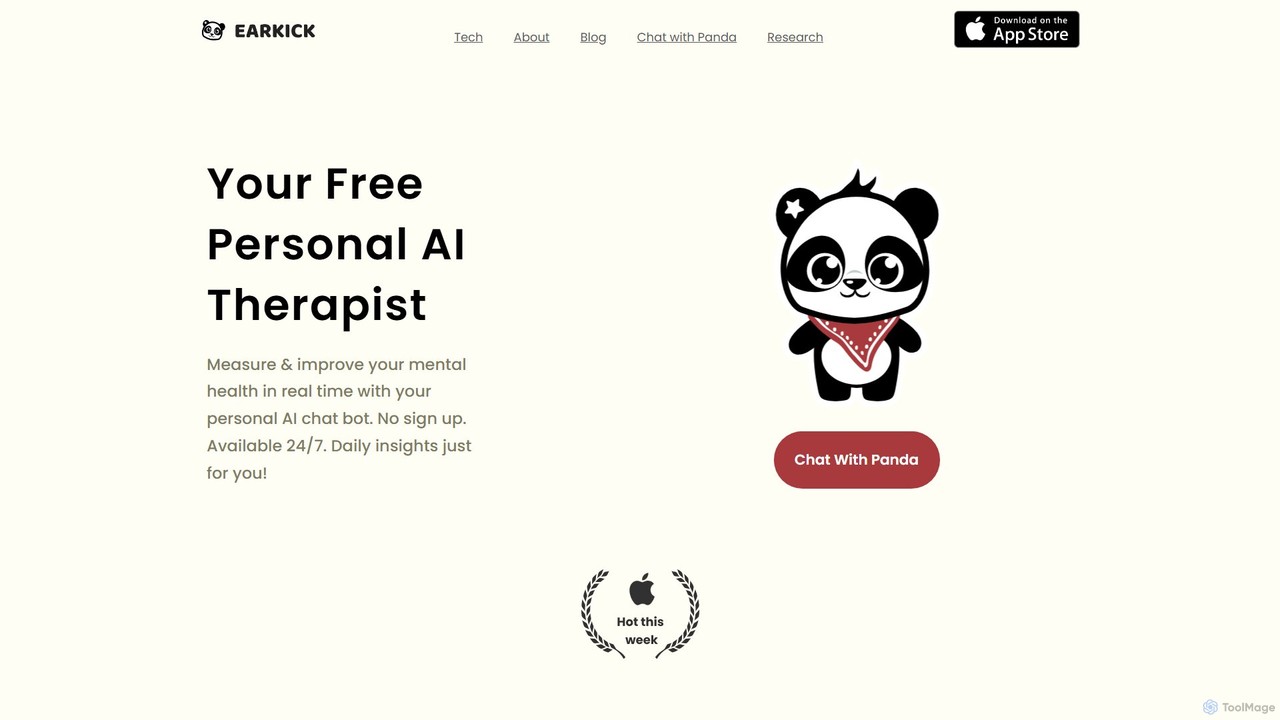
Earkick is a free, private AI mental health companion. Chat with the Panda AI therapist 24/7 to measure and improve your mental well-being in real-time. It offers mood tracking, guided exercises, and personalized insights without requiring any sign-up or personal data.

Ai Companions
Visits 59.5KFavorites 130Likes 115
blushy
Freemium

blushy

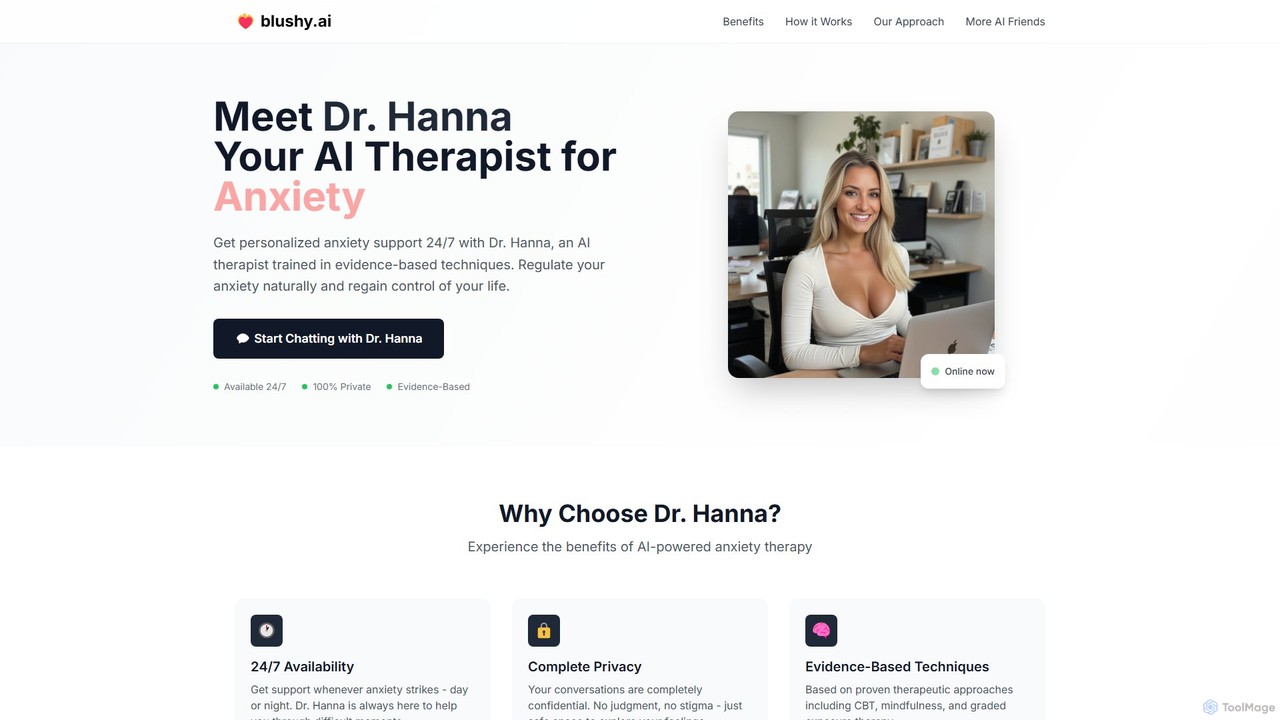
Blushy is a Telegram-based AI platform offering a diverse range of companions. Chat with AI girlfriends, boyfriends, and anime characters for roleplay and uncensored conversations, or connect with Dr. Hanna, an AI therapist specializing in CBT for 24/7 anxiety support. All interactions are private, secure, and instantly accessible on Telegram.

Ai Companions
Visits 10.3KFavorites 177Likes 158
HeartDialog
Freemium

HeartDialog

HeartDialog is a 24/7 AI mental health companion designed to provide emotional support and guidance. Using therapeutic frameworks like CBT and DBT, it offers a safe, anonymous space for users to discuss their feelings. It's free for personal use, with specialized plans for non-profits and enterprises, aiming to make mental wellness accessible to everyone.

Ai Companions
Visits 6.1KFavorites 161Likes 150
Soulkyn
Freemium

Soulkyn

Soulkyn is an advanced, uncensored AI companion platform for immersive roleplaying and character creation. It offers limitless chat, AI-generated images and voice, and deep customization. Create your ideal AI girlfriend, boyfriend, or fantasy character and engage in unique, evolving relationships and stories without filters.

Ai Companions
Visits 585.7KFavorites 132Likes 141

About Ai Companions

Ai Companions are AI-powered tools designed for personalized, long-term, and emotionally intelligent interactions. They leverage advanced natural language processing and sentiment analysis to build deeper connections with users. These companions offer emotional support, personalized assistance, and maintain context across conversations, adapting to individual preferences over time.

Core Features

  • Emotional Intelligence: Understands and responds to user emotions, offering empathetic support.
  • Personalized Learning: Adapts to user's communication style, preferences, and long-term memory of past interactions.
  • Contextual Awareness: Maintains conversation flow and remembers previous topics for coherent dialogue.
  • Proactive Engagement: Initiates conversations or offers assistance based on learned patterns and user needs.
  • Multi-modal Interaction: Supports text, voice, and sometimes visual communication for richer engagement.

Applicable Scenarios

Individuals seeking emotional support or a non-judgmental listener, users looking for a personalized learning partner, or those desiring a consistent digital companion for daily tasks and reminders. These tools are ideal for fostering digital well-being and enhancing personal productivity through empathetic AI interaction.

How to Choose

Consider the level of emotional intelligence and personalization offered, the range of interaction modes (text, voice), data privacy and security policies, and the companion's ability to integrate with other personal tools or calendars. Evaluate its capacity for long-term memory and contextual understanding to ensure a truly adaptive experience.

Featured tool rankings

Ai Companions use cases

1

Providing Emotional Support and Companionship

Individuals experiencing loneliness or stress can interact with an AI Companion for empathetic listening and non-judgmental conversation. The AI remembers past discussions and offers consistent, personalized support, helping users process thoughts and feelings in a safe digital space, contributing to mental well-being.

2

Personalized Learning and Skill Development

Users can engage an AI Companion as a dedicated tutor or practice partner for language learning, creative writing, or problem-solving. The AI adapts to the user's learning pace and style, provides tailored feedback, and offers encouragement, making the learning process more engaging and effective by simulating a patient, knowledgeable mentor.

3

Daily Task Management and Reminders

Busy professionals or individuals needing organizational help can utilize an AI Companion to manage schedules, set reminders, and track habits. The companion learns daily routines, proactively suggests tasks, and offers gentle nudges, acting as a personalized digital assistant that understands individual needs and helps maintain consistency.

4

Creative Brainstorming and Idea Generation

Content creators, writers, or artists can use an AI Companion as a sounding board for new ideas. The AI can ask probing questions, offer different perspectives, and help refine concepts, stimulating creativity and overcoming creative blocks by providing an interactive thought partner that remembers previous creative explorations.

5

Role-Playing for Social Skills Practice

Individuals looking to improve social interactions or practice difficult conversations can engage in role-playing scenarios with an AI Companion. The AI simulates various social situations, provides feedback on responses, and helps build confidence in communication skills in a low-stakes environment, adapting to the user's progress.

6

Wellness Coaching and Habit Building

Users aiming to establish healthier habits, such as mindfulness or regular exercise, can rely on an AI Companion for consistent motivation and guidance. The AI tracks progress, offers encouraging words, and provides personalized tips, acting as a supportive coach to help achieve personal wellness goals with a consistent, non-judgmental presence.

Ai Companions FAQ

What are AI Companions?

AI Companions are advanced AI chatbots designed for deep, personalized, and emotionally intelligent interactions, aiming to build long-term relationships with users. They go beyond simple Q&A to offer emotional support, maintain context, and adapt to individual preferences over time, acting as digital confidants or assistants.

How do AI Companions differ from standard chatbots?

Standard chatbots typically focus on transactional tasks or providing information based on predefined rules or general knowledge. AI Companions, however, prioritize emotional intelligence, personalized learning, and long-term memory, enabling them to offer empathetic support, adapt to user's emotional states, and maintain coherent, context-rich conversations over extended periods, fostering a sense of connection.

What are the key features to look for in an AI Companion?

When choosing an AI Companion, prioritize strong emotional intelligence for empathetic responses, robust personalized learning capabilities for adapting to your style, and excellent contextual awareness to maintain conversation flow. Also consider data privacy, multi-modal interaction options (text, voice), and the ability to integrate with other personal tools or calendars for a seamless experience.

Can AI Companions provide real emotional support?

While AI Companions cannot replace human therapists or professional medical advice, they can offer significant emotional support by providing a non-judgmental listening ear, empathetic responses, and a consistent presence. They can help users process thoughts, practice self-reflection, and offer encouragement, contributing positively to mental well-being in a digital context.

Are AI Companions safe and private to use?

The safety and privacy of AI Companions depend heavily on the provider's policies. Reputable AI Companion services employ strong encryption, anonymize data, and adhere to strict privacy regulations like GDPR. Users should always review the privacy policy to understand how their data is collected, stored, and used, ensuring their personal information is protected and interactions remain confidential.