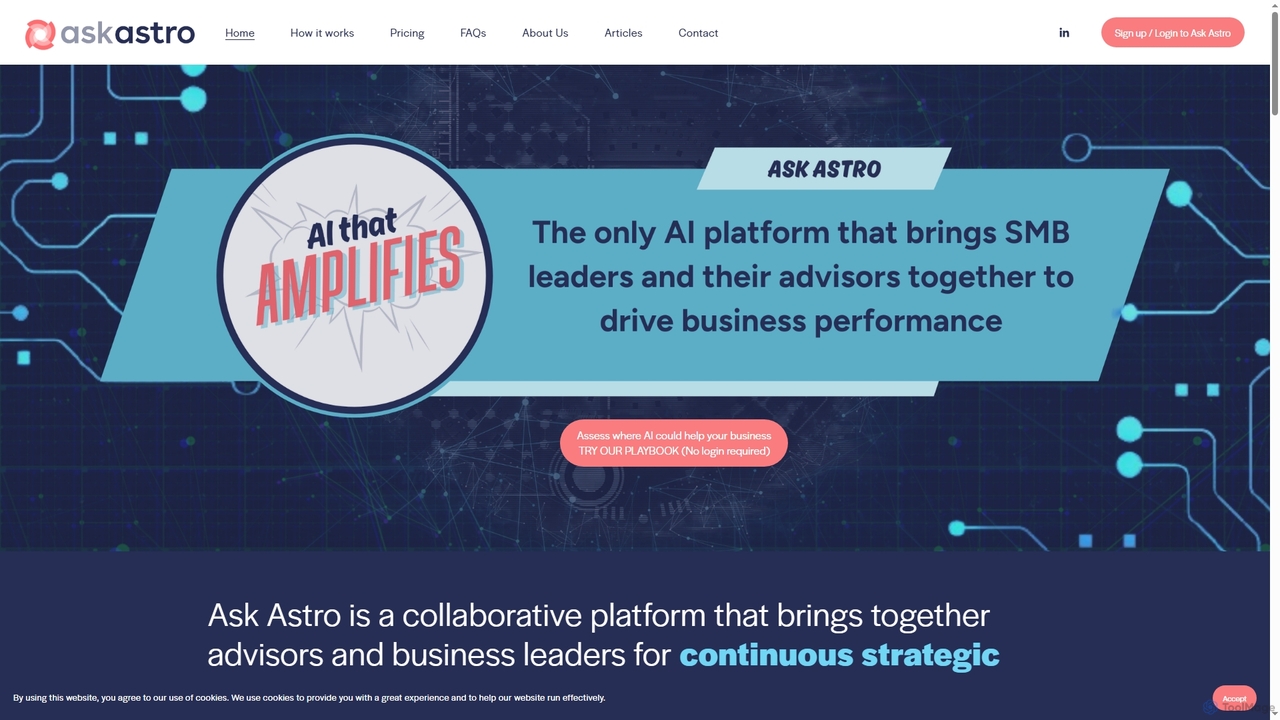
Ask Astro
Ask Astro is an AI-powered collaborative intelligence platform designed for business leaders, advisors, and franchisors. It integrates real-time …
Ask Astro is an AI-powered collaborative intelligence platform designed for business leaders, advisors, and franchisors. It integrates real-time data, automates reporting, and generates strategic insights to foster proactive decision-making and enhance continuous partnerships, eliminating data fragmentation and manual busywork.
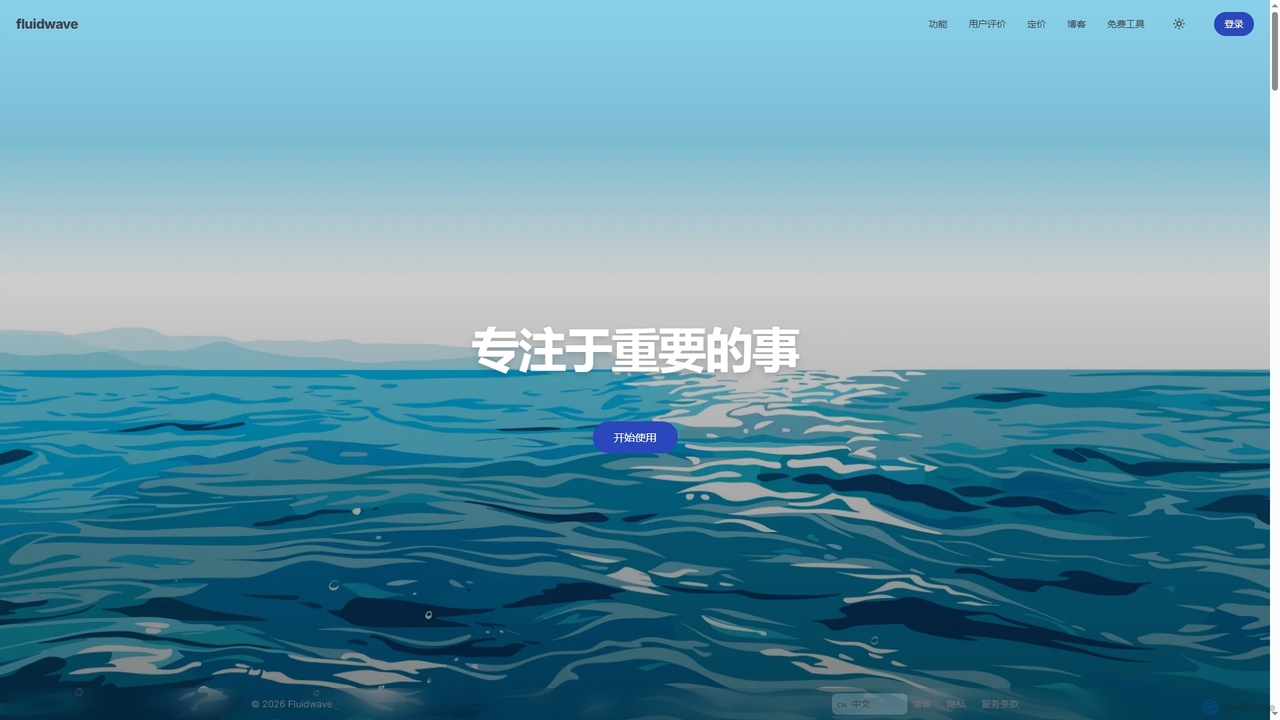
Fluidwave
Fluidwave is an AI-powered task management platform designed to boost productivity by intelligently organizing tasks, auto-prioritizing them, and …
Fluidwave is an AI-powered task management platform designed to boost productivity by intelligently organizing tasks, auto-prioritizing them, and connecting users with human virtual assistants for delegation. It helps individuals and teams stay focused and efficient.
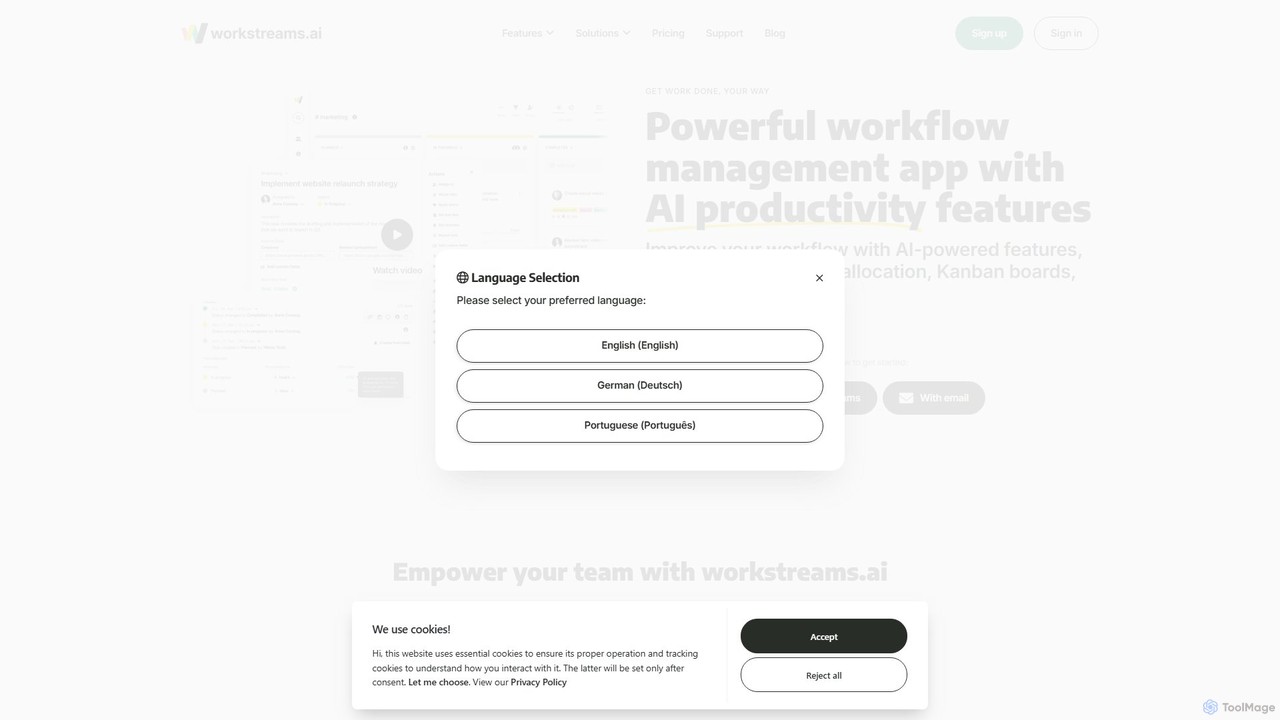
workstreams.ai
workstreams.ai is an intuitive task and workflow management app that enhances team productivity with powerful AI features. It …
workstreams.ai is an intuitive task and workflow management app that enhances team productivity with powerful AI features. It seamlessly integrates with Slack and Microsoft Teams, allowing you to create, manage, and automate tasks using Kanban boards, AI-powered task generation, and detailed time tracking.
About Team Management
AI Team Management tools are a specialized category of collaboration software that uses artificial intelligence to organize, track, and optimize team workflows. These tools leverage machine learning algorithms to analyze performance data, predict project timelines, and automate resource allocation. Their primary value lies in providing data-driven insights to managers, enabling fairer workload distribution, proactive risk identification, and improved overall team productivity. They go beyond simple task lists by offering intelligent suggestions and automated reporting.
Core Features
- Intelligent Task Assignment: Automatically suggests or assigns tasks to team members based on their skills, availability, and current workload.
- Performance Analytics: Generates reports and dashboards on team productivity, project bottlenecks, and individual contributions.
- Workload Balancing: Visualizes and helps manage task distribution to prevent burnout and optimize resource utilization.
- Predictive Risk Assessment: Analyzes project progress to identify potential delays or issues before they become critical.
- Automated Progress Reporting: Compiles and sends regular status updates to stakeholders, reducing manual reporting time for managers.
Use Cases
These tools are particularly effective for software development teams managing agile sprints, marketing agencies coordinating complex campaigns, and remote-first companies needing to maintain alignment and visibility. They are also valuable for operations teams looking to streamline recurring processes and improve efficiency across departments.
How to Choose
When selecting an AI Team Management tool, consider its integration capabilities with your existing stack (e.g., Slack, Jira, CRM). Evaluate the sophistication of its AI features—does it offer simple automation or true predictive analytics? Also, assess its scalability for your team size and the customizability of its reporting and dashboards to match your specific KPIs.
Team ManagementUse Cases
Automating Agile Sprint Planning
A software development team lead uses an AI Team Management tool to plan an upcoming two-week sprint. Instead of manually assigning dozens of user stories and bug fixes, the manager inputs the tasks into the system. The AI analyzes each developer's historical performance, known skills (e.g., 'frontend', 'database'), and current availability. It then suggests an optimal task distribution that balances the workload, pairs complex tasks with senior developers, and ensures critical path items are assigned to those with the best track record, reducing planning time by over 50%.
Balancing Workload for a Remote Marketing Team
A marketing manager oversees a fully remote team spread across different time zones. Using the AI tool's workload management dashboard, she gets a clear visual overview of each team member's capacity. The system flags that one content writer is overloaded with tasks due next week, while a graphic designer has available capacity. The manager can then easily reassign a task for creating social media visuals from the writer to the designer, preventing burnout and ensuring deadlines are met without stressful last-minute changes.
Predicting Project Delays for a Construction Firm
A project manager for a large construction project uses an AI team management platform to track hundreds of interdependent tasks. The AI continuously analyzes progress data from all subcontractors and teams. It identifies a critical dependency: the foundation pouring is slightly behind schedule, which the AI predicts will cause a two-week delay for the framing crew's start date. The system automatically alerts the project manager, who can then proactively reschedule the framing team and adjust material delivery dates, saving significant costs associated with idle crews and storage.
Generating Data-Driven Performance Reviews
An engineering manager prepares for annual performance reviews. Instead of relying solely on memory and subjective observations, she uses the AI team management tool to generate a report for each team member. The report aggregates objective data, such as the number of tasks completed, on-time delivery rate, code complexity handled, and collaboration metrics (e.g., how often they assisted others). This provides a fair and comprehensive basis for discussion, highlighting both achievements and areas for growth, leading to more productive and unbiased review conversations.
Optimizing Resource Allocation in a Consulting Agency
An operations manager at a consulting firm needs to staff a new client project. Using the AI tool, they input the project requirements, including necessary skills ('data analysis', 'client presentation') and budget constraints. The AI scans all available consultants, analyzing their current project loads, skill sets, and billing rates. It then proposes several optimal team configurations, highlighting trade-offs between cost, experience, and availability. This allows the manager to make a quick, data-informed staffing decision, ensuring the project is profitable and well-resourced from the start.
Automating Onboarding for New Hires
An HR manager sets up an automated onboarding workflow for new employees in the team management tool. When a new hire is added, the system automatically assigns them a series of tasks, such as 'Complete HR paperwork', 'Set up development environment', and 'Schedule intro meeting with mentor'. The tool also assigns corresponding tasks to IT, HR, and the new hire's manager. This ensures a consistent and thorough onboarding experience for every new team member, reduces the administrative burden on managers, and helps new employees become productive faster.