Kling 2.6
Kling 2.6 is an advanced AI-powered video generation platform that transforms text and images into stunning, high-quality videos …
Kling 2.6 is an advanced AI-powered video generation platform that transforms text and images into stunning, high-quality videos with unparalleled prompt adherence and temporal consistency. It offers cinematic motion, deep scene understanding, and rapid generation for professional creative workflows.
Imtovid
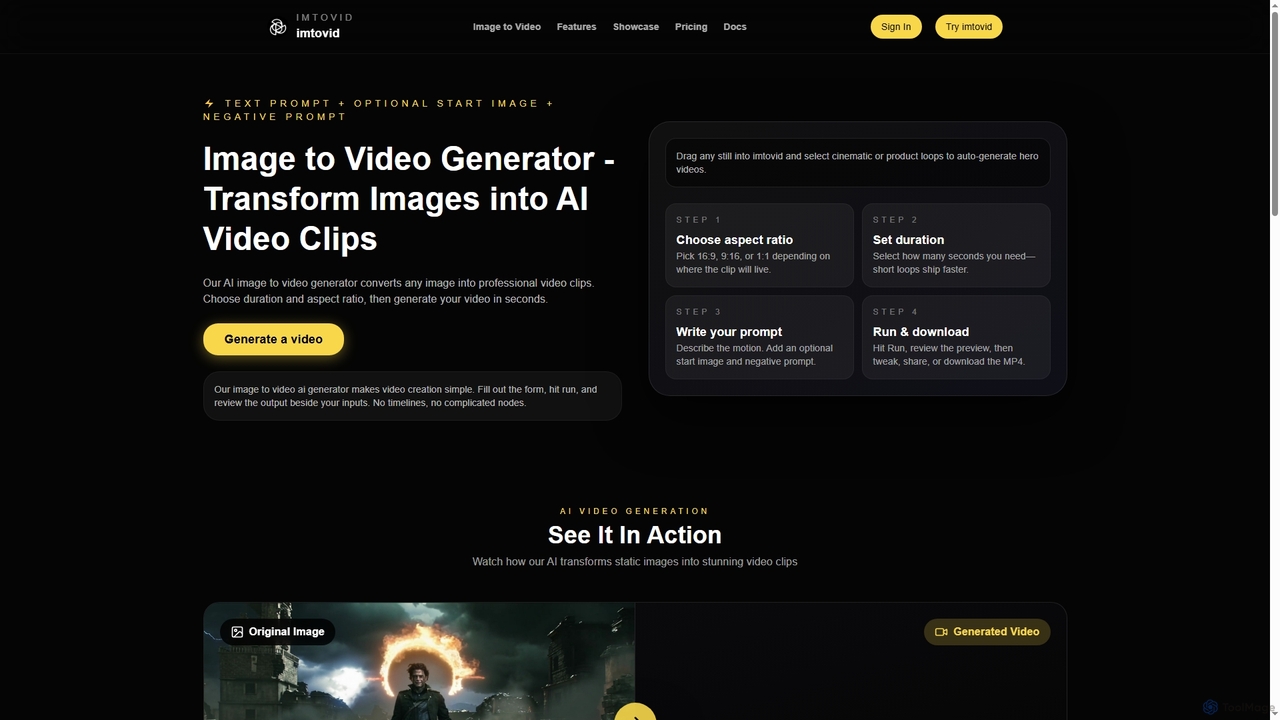
Imtovid is an AI-powered image to video and text to video generator that transforms static images and text …
Imtovid is an AI-powered image to video and text to video generator that transforms static images and text prompts into dynamic video clips. It simplifies video creation with intuitive controls for aspect ratio, duration, and motion description, making professional video content accessible in minutes.
Ray3 AI
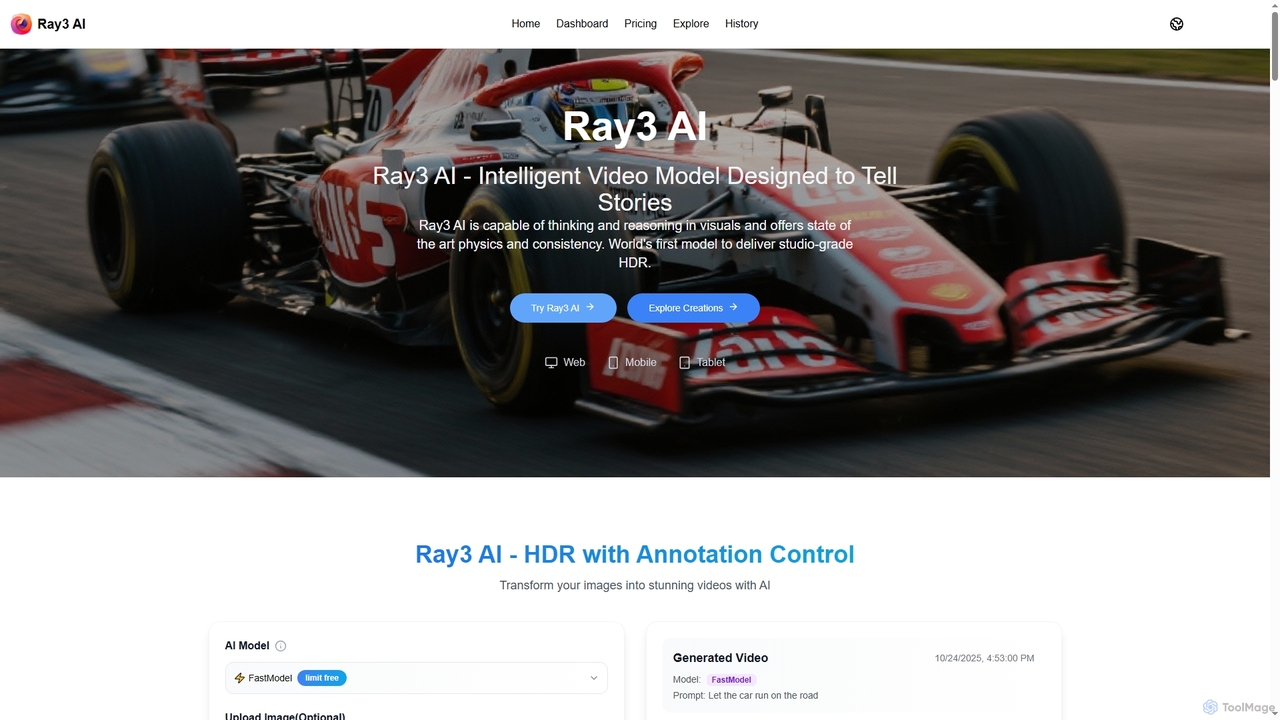
Ray3 AI is an intelligent video model designed to transform images into stunning, studio-grade HDR videos. It features …
Ray3 AI is an intelligent video model designed to transform images into stunning, studio-grade HDR videos. It features advanced visual reasoning, state-of-the-art physics, and consistency, enabling creators to tell compelling stories with exceptional fidelity and precise control.
About Motion Graphics
Motion Graphics AI tools are a category of creative software that leverage artificial intelligence to automate and enhance the creation of animated visual content. These tools utilize advanced algorithms for tasks like automated keyframing, style transfer, and object tracking, significantly streamlining the animation workflow. They empower designers, marketers, and content creators to produce dynamic videos, engaging social media content, and interactive UI elements with greater speed and efficiency. By simplifying complex animation processes, AI motion graphics tools make professional-quality visual storytelling more accessible.
Core Features
- Automated Animation: Generates complex motion sequences from simple inputs or text prompts.
- Style Transfer: Applies artistic styles and visual effects to existing video or animated elements.
- Object Tracking & Masking: Automatically identifies and tracks objects within footage for precise effects application.
- Procedural Generation: Creates dynamic patterns, textures, and abstract animations based on defined parameters.
- Text-to-Motion: Converts written descriptions or scripts directly into animated scenes or sequences.
Applicable Scenarios
AI motion graphics tools are invaluable for marketing teams creating explainer videos and product advertisements, social media managers producing engaging animated posts, and UI/UX designers developing interactive application interfaces. They also assist broadcast designers in generating dynamic intros and lower thirds, and educators in animating complex concepts for e-learning modules.
How to Choose
When selecting an AI motion graphics tool, consider its specific animation capabilities (2D/3D, effect types), ease of use versus granular control, and integration with your existing design software ecosystem. Evaluate the quality of its AI-generated output, available output formats, and the pricing model. Assess the learning curve and whether it offers features like text-to-motion or advanced style transfer that align with your project needs.

Motion GraphicsUse Cases
Automate Explainer Video Production
Marketing teams can leverage AI motion graphics tools to rapidly create engaging explainer videos for new products or services. By inputting scripts and visual assets, the AI can generate animated sequences, synchronize audio, and apply consistent branding, significantly reducing the time and cost associated with traditional video production. This allows for quick iteration and deployment of marketing content across various platforms.
Generate Dynamic Social Media Content
Social media managers can use AI motion graphics tools to produce a high volume of visually striking animated posts and stories. These tools can quickly transform static images and text into short, engaging video clips with custom animations, transitions, and effects. This capability helps maintain a consistent and dynamic online presence, capturing audience attention more effectively than static content.
Enhance UI/UX with Micro-interactions
UI/UX designers can utilize AI motion graphics tools to create sophisticated micro-interactions and animated elements for applications and websites. The AI can assist in generating smooth transitions, loading animations, and feedback animations that improve user experience without requiring extensive manual keyframing. This results in more intuitive and engaging digital interfaces, enhancing overall product usability and appeal.
Create Dynamic Broadcast Graphics
Broadcast designers and video editors can leverage AI motion graphics tools to quickly generate professional-grade intros, lower thirds, and on-screen graphics for news segments, sports broadcasts, or live streams. The AI can automate complex animation sequences and ensure brand consistency across various visual elements, allowing for rapid deployment of high-quality, dynamic content under tight deadlines.
Animate Educational Content
Educators and e-learning developers can use AI motion graphics tools to transform complex concepts into easily digestible animated lessons. By converting text-based explanations and static diagrams into dynamic visual narratives, these tools enhance engagement and comprehension for students. The AI can help visualize abstract ideas, illustrate processes, and create interactive quizzes with animated feedback, making learning more effective and enjoyable.
Visualize Data with Animated Infographics
Data analysts and content creators can employ AI motion graphics tools to transform raw data into compelling animated infographics and charts. Instead of static visualizations, the AI can generate dynamic representations that highlight trends, comparisons, and key insights through movement and visual effects. This makes complex data more accessible and engaging for presentations, reports, and digital publications, improving data storytelling.