ToolMage
Sign in

Best 10 Predictive Analytics AI tools for Data Analysis

Popular Predictive Analytics AI tools in Data Analysis include Fantasy Football Hub, HEALWELL AI, Xiao Zhi, numbersgame, FPL.my, TruthSignal, RealtyOmega, Xiaoyutai, FantAsAi, and Locks, helping you work more efficiently.

TruthSignal
Freemium

TruthSignal

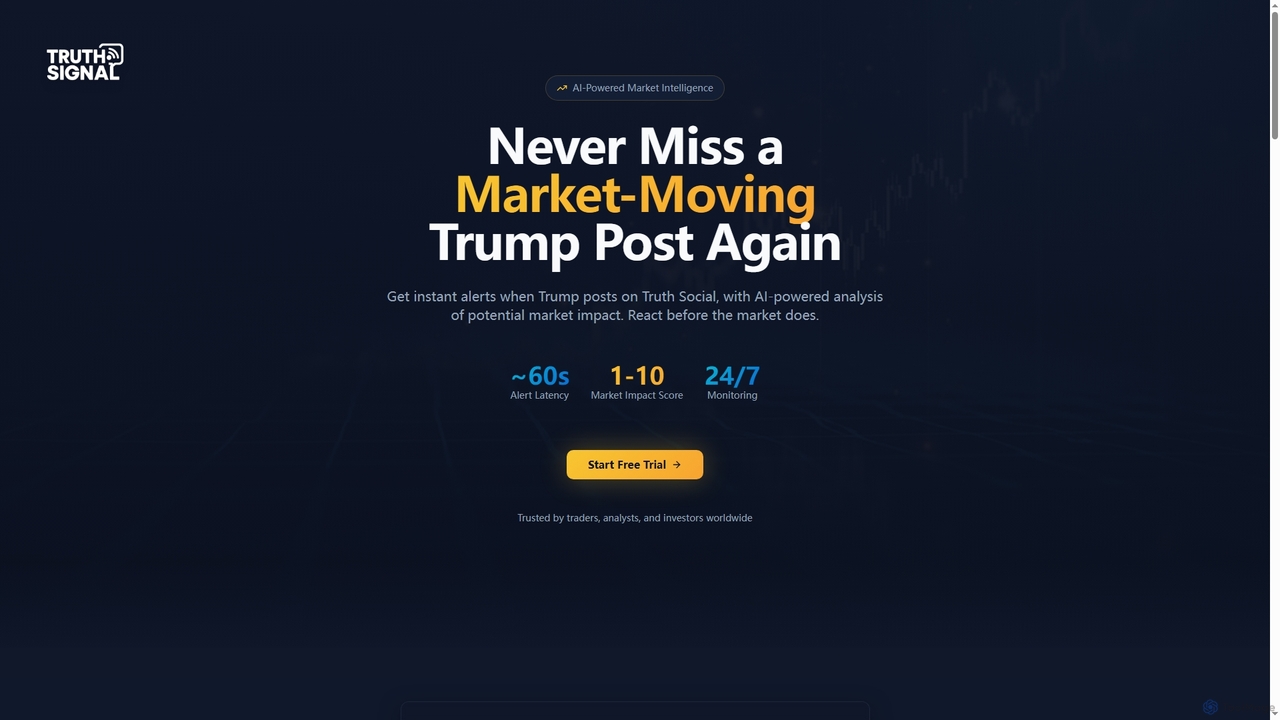
TruthSignal is an AI-powered market intelligence platform that provides real-time alerts on Donald Trump's Truth Social posts. It analyzes potential market impact with a 1-10 score, enabling traders, analysts, and investors to react swiftly to market-moving political events. The service offers rapid notifications, typically within 60 seconds, through channels like Telegram, with email and Discord integrations coming soon.

Predictive Analytics
Visits 8.9KFavorites 136Likes 127
RealtyOmega
Paid

RealtyOmega

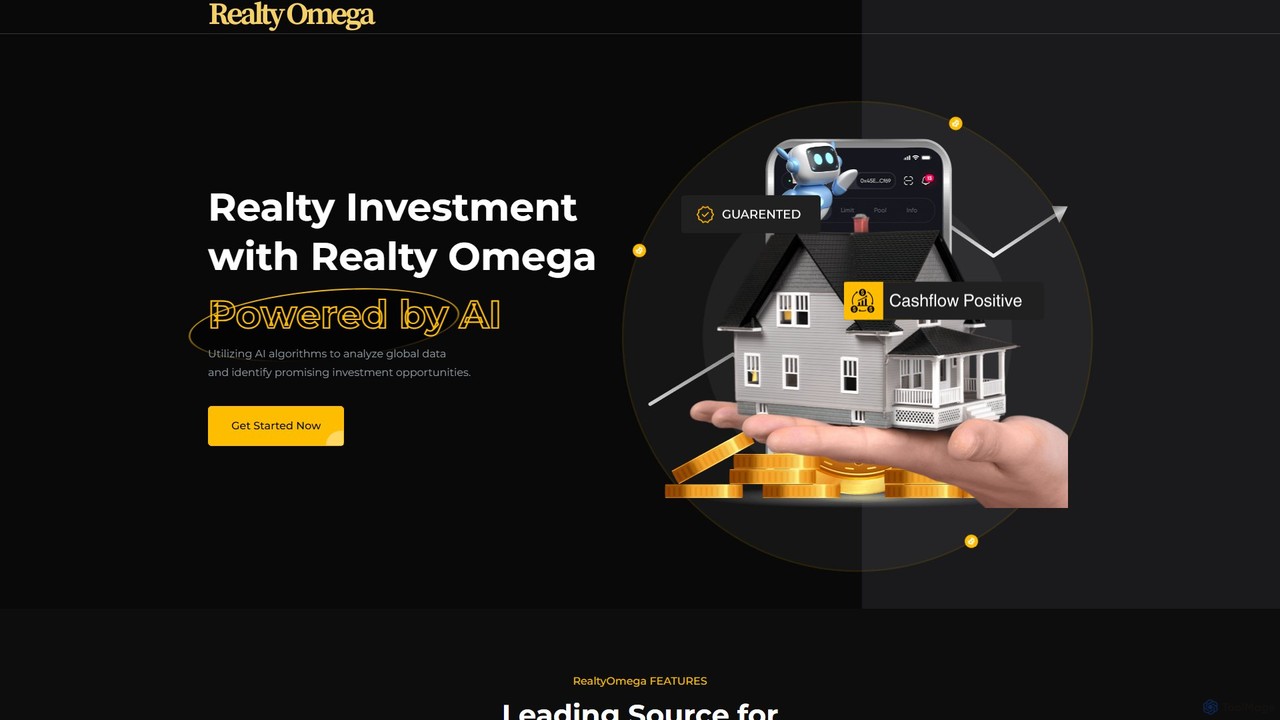
RealtyOmega is a generative AI-driven platform for real estate asset management. It enhances client relations through personalization, streamlines agency operations with automation, and provides deep market intelligence for informed investment strategies and accurate property valuations.

Crm
Visits 6.5KFavorites 152Likes 165
FPL.my
Free

FPL.my

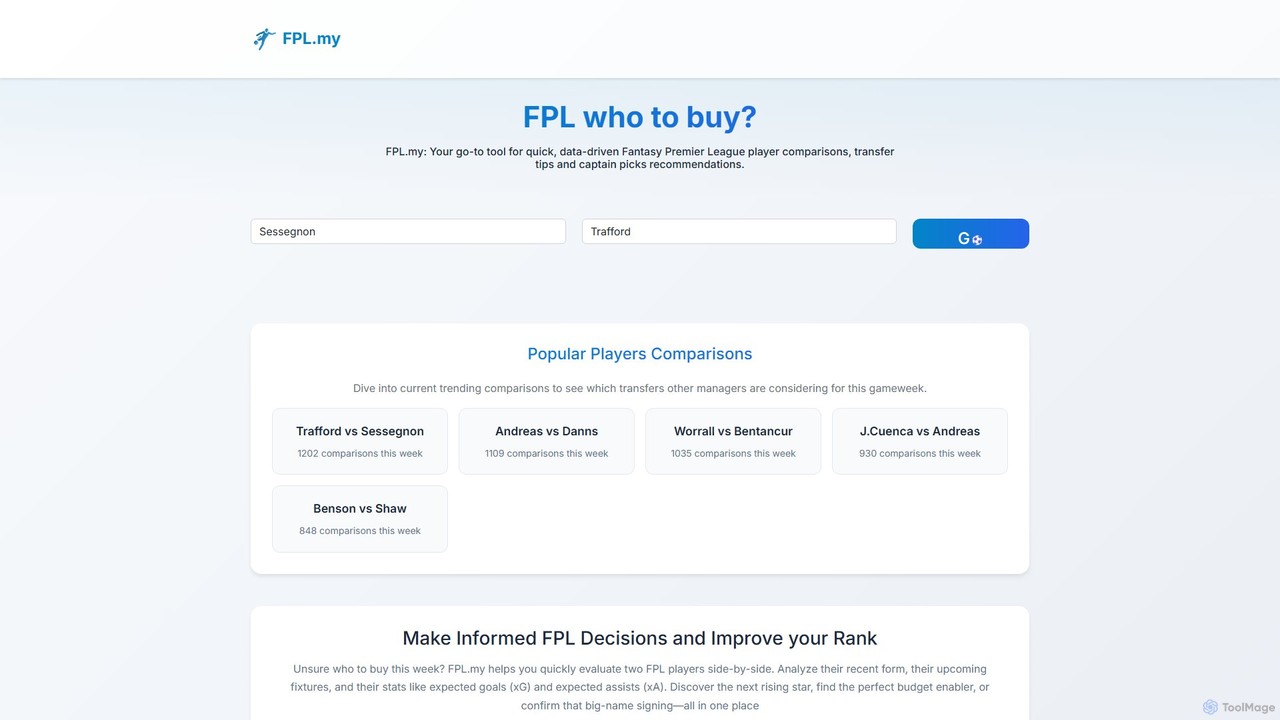
A data-driven AI tool for Fantasy Premier League (FPL) managers. It provides side-by-side player comparisons, detailed statistics (xG, xA), fixture analysis, and transfer recommendations to help users make informed decisions and improve their FPL rank.

Predictive Analytics
Visits 10.5KFavorites 146Likes 156
Fantasy Football Hub
Freemium

Fantasy Football Hub

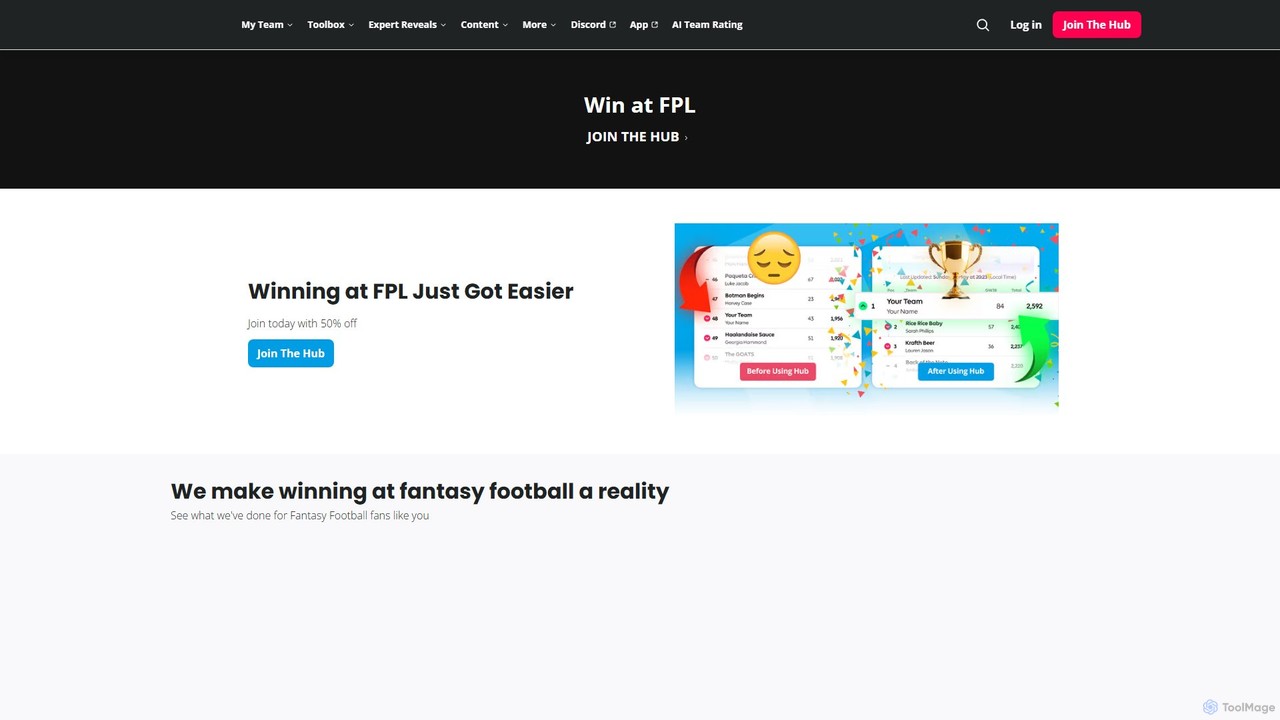
Fantasy Football Hub is an AI-powered platform designed to help you win at Fantasy Premier League (FPL) and other fantasy football games. It provides personalized transfer recommendations, AI team ratings, in-depth stats, and expert analysis. Let the AI do the hard work, so you can make smarter, data-driven decisions and dominate your mini-leagues.

Predictive Analytics
Visits 789.5KFavorites 121Likes 133
Locks
Paid

Locks

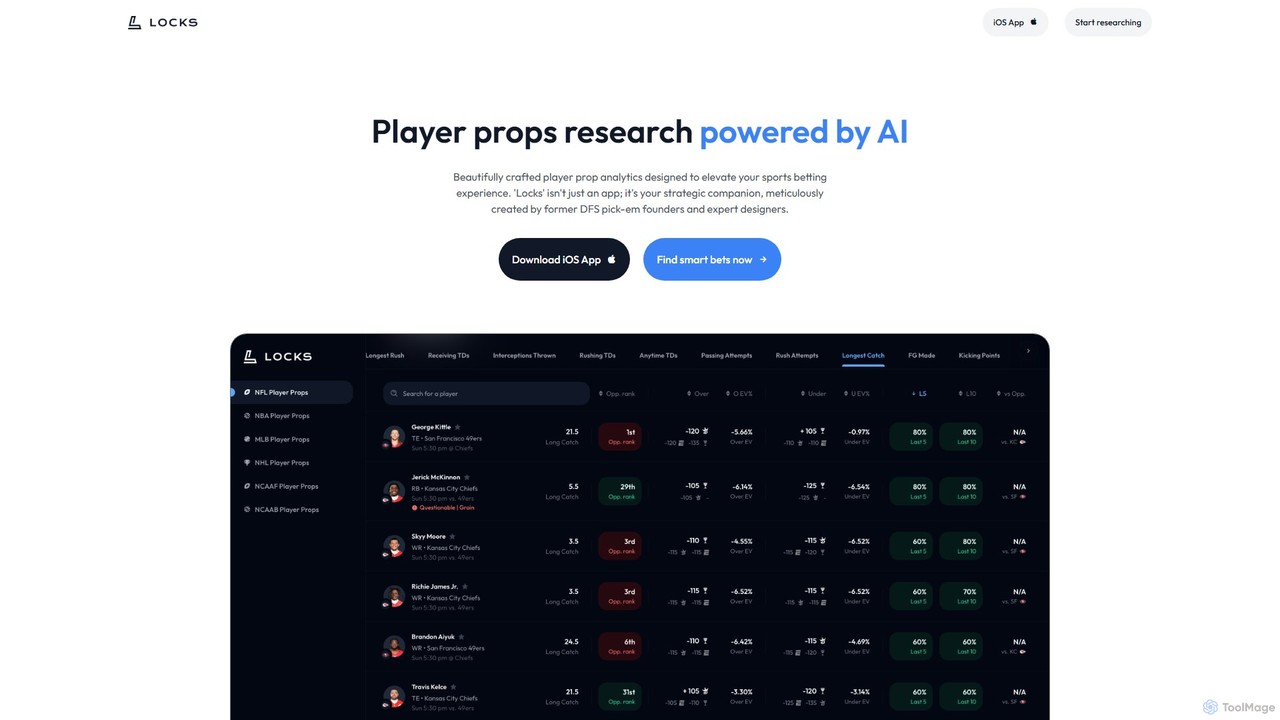
An AI-powered iOS app for sports betting research, specializing in player props. It uses proprietary algorithms to identify +EV (Positive Expected Value) bets, helping users make data-driven, profitable decisions by analyzing trends, matchups, and market data.

Predictive Analytics
Visits 6.3KFavorites 131Likes 129
Xiao Zhi
Freemium

Xiao Zhi

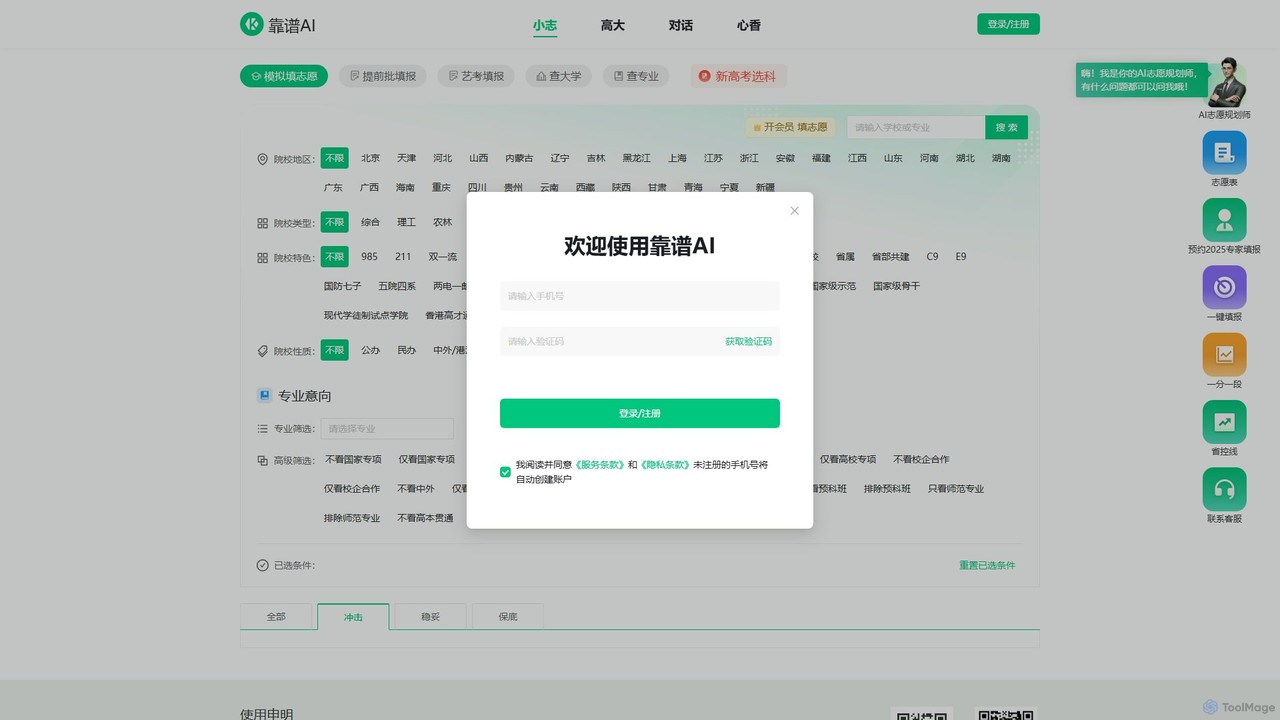
Xiao Zhi is an AI-powered guidance system for China's Gaokao college application process. It leverages over five years of historical admissions data to provide students with personalized, data-driven recommendations for universities and majors, helping them navigate the complex application landscape with confidence.

Predictive Analytics
Visits 19.8KFavorites 159Likes 143
numbersgame
Paid

numbersgame

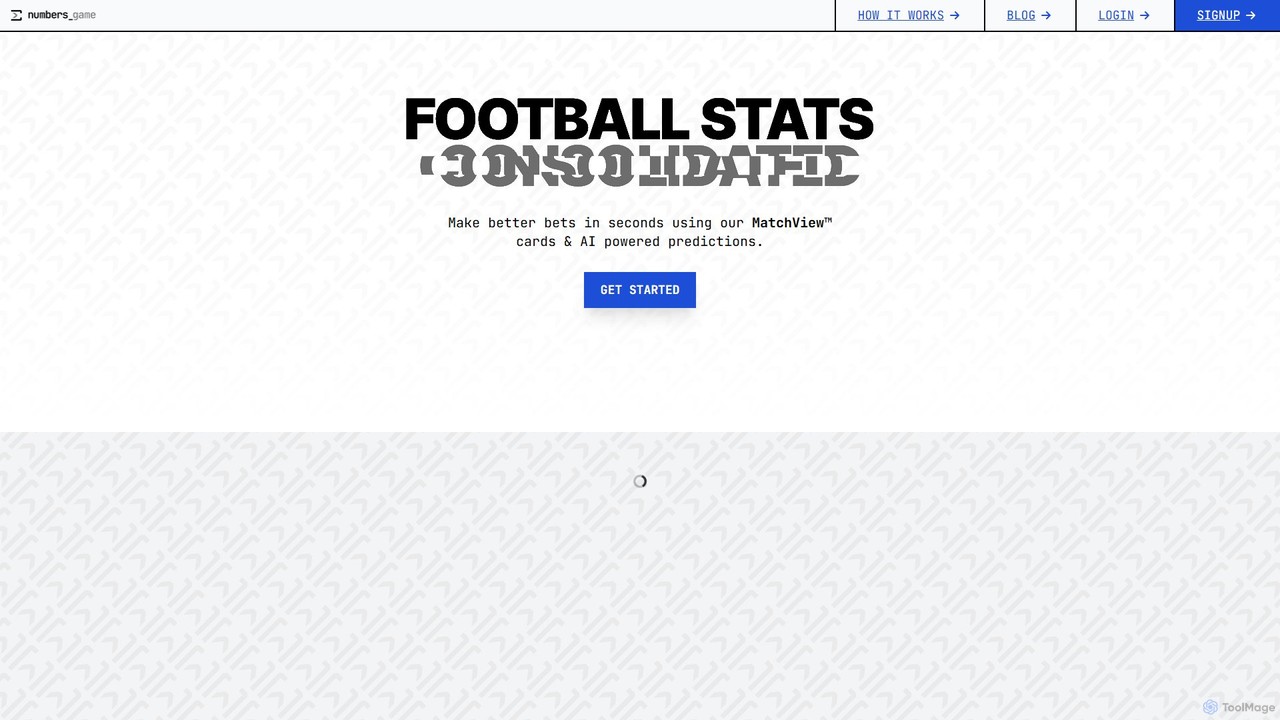
An AI-powered platform that provides football statistics and predictions to help users make smarter betting decisions. It uses machine learning to calculate fair odds, identify value bets, and present complex data in an easy-to-understand format.

Predictive Analytics
Visits 14.9KFavorites 140Likes 120
HEALWELL AI

HEALWELL AI

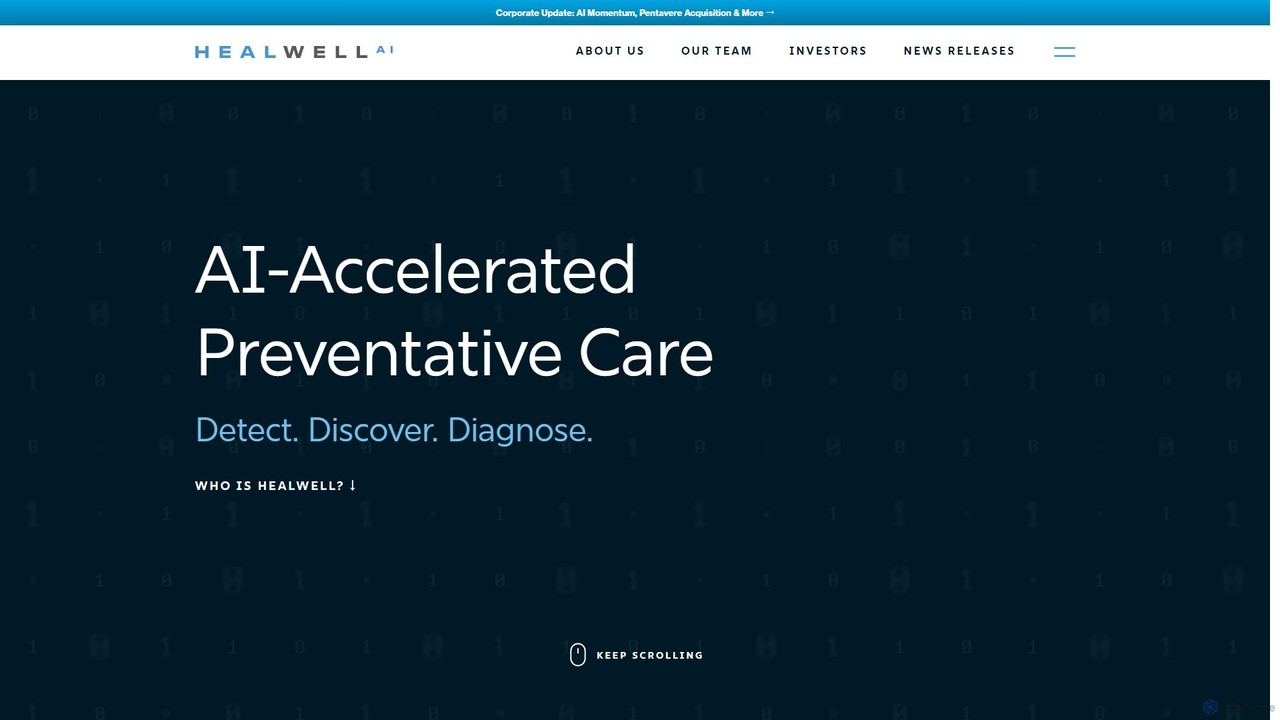
HEALWELL AI is a healthcare technology company specializing in AI and data science for preventative care. Its platform offers an AI-powered clinical co-pilot that assists healthcare providers with the early detection and identification of rare and chronic diseases, improving patient outcomes and clinical efficiency.

Predictive Analytics
Visits 23.2KFavorites 123Likes 127
Xiaoyutai
Freemium

Xiaoyutai

Xiaoyutai is an AI-powered platform designed for sports media professionals, content creators, and analysts. It automates the generation of sports news, provides in-depth game analysis, and creates real-time commentary, helping users produce high-quality, data-driven content at scale.

Sports Writing
Visits 6.5KFavorites 126Likes 135
FantAsAi
Freemium

FantAsAi

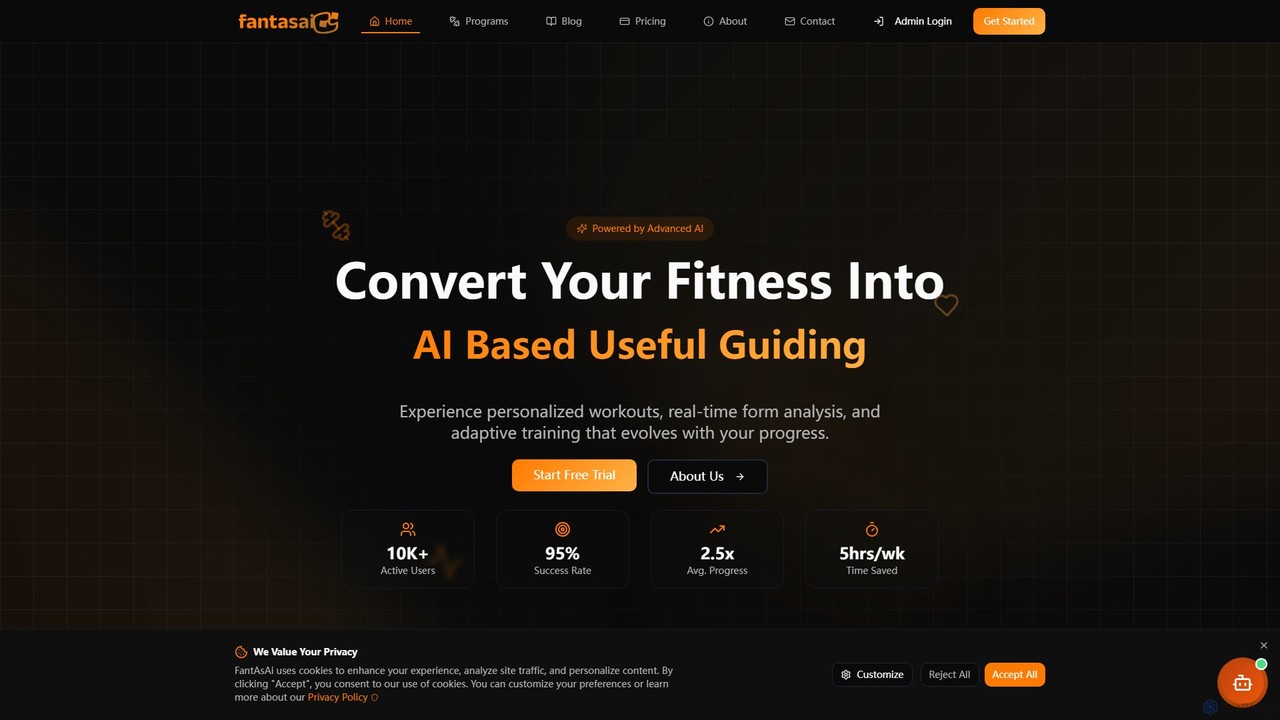
FantAsAi is an AI-powered fitness platform that delivers personalized workout and nutrition plans. It uses computer vision for real-time form correction, predictive analytics to forecast progress, and an AI coach for motivation. The platform adapts to your goals and performance, making fitness safer, smarter, and more effective for individuals and businesses.

3D
Visits 6.4KFavorites 146Likes 136

About Predictive Analytics

Predictive Analytics are AI-powered tools that leverage historical data, statistical algorithms, and machine learning techniques to identify patterns and forecast future outcomes. These tools enable businesses to anticipate trends, mitigate risks, and make proactive, data-driven decisions. By transforming raw data into actionable insights, predictive analytics empowers organizations to optimize operations, enhance customer experiences, and gain a competitive edge.

Core Features

  • Data Preprocessing: Cleans, transforms, and prepares raw data for model training, handling missing values and outliers.
  • Model Building & Training: Utilizes various machine learning algorithms (e.g., regression, classification, neural networks) to create predictive models.
  • Feature Engineering: Selects and transforms relevant variables from raw data to improve model performance and accuracy.
  • Prediction & Forecasting: Generates future predictions or probabilities based on trained models and new input data.
  • Model Evaluation & Monitoring: Assesses model accuracy, performance, and stability over time, allowing for recalibration and improvement.

Applicable Scenarios

Predictive Analytics tools are crucial for sectors requiring foresight. Financial institutions use them for fraud detection and credit scoring. Retailers apply them for sales forecasting and inventory management. Healthcare providers leverage them for disease outbreak prediction and patient risk assessment, enabling proactive interventions and resource allocation across various operational and strategic planning functions.

How to Choose

When selecting a Predictive Analytics tool, consider its integration capabilities with existing data sources and business intelligence platforms. Evaluate the range of machine learning algorithms supported and the ease of model deployment. Assess the scalability for handling large datasets and the clarity of its reporting and visualization features. Finally, factor in the level of technical expertise required for operation and the vendor's support for model maintenance.

Featured tool rankings

Predictive Analytics use cases

1

Predict Customer Churn to Improve Retention

Marketing and customer success teams utilize predictive analytics to identify customers at high risk of churning. By analyzing historical customer behavior, engagement metrics, and demographic data, these tools can flag potential churners. This allows businesses to proactively engage with these customers through targeted offers, personalized support, or loyalty programs, significantly improving retention rates and reducing customer acquisition costs.

2

Optimize Sales and Inventory with Demand Forecasting

Retailers and supply chain managers employ predictive analytics to forecast future sales and demand for products. By analyzing past sales data, seasonality, promotional activities, and external factors, these tools generate accurate demand predictions. This enables businesses to optimize inventory levels, prevent stockouts or overstocking, refine pricing strategies, and streamline supply chain operations, leading to increased revenue and reduced waste.

3

Enhance Security with Real-time Fraud Detection

Financial institutions and e-commerce platforms use predictive analytics to detect and prevent fraudulent transactions. Machine learning models analyze transaction patterns, user behavior, and network data in real-time to identify anomalies or suspicious activities that deviate from normal profiles. This proactive approach helps to minimize financial losses, protect customer accounts, and maintain trust in digital payment systems.

4

Schedule Proactive Maintenance for Equipment

Manufacturing and industrial companies leverage predictive analytics for equipment maintenance. By continuously monitoring sensor data from machinery (e.g., temperature, vibration, pressure), these tools can predict potential equipment failures before they occur. This allows maintenance teams to schedule proactive repairs or replacements, minimizing costly downtime, extending asset lifespan, and ensuring operational continuity.

5

Assess Credit Risk for Loan Applications

Banks and lending institutions utilize predictive analytics to evaluate the creditworthiness of loan applicants. By analyzing financial history, credit scores, income stability, and other relevant data points, these tools generate a risk score or probability of default. This enables lenders to make more informed decisions, manage risk exposure effectively, and offer appropriate loan products to eligible customers.

6

Drive Engagement with Personalized Marketing Campaigns

Marketing professionals use predictive analytics to create highly targeted and personalized marketing campaigns. By predicting customer preferences, future purchasing behavior, and optimal communication channels based on past interactions and demographic data, these tools help deliver the right message to the right customer at the right time. This increases campaign effectiveness, improves conversion rates, and enhances customer loyalty.

Predictive Analytics FAQ

What are Predictive Analytics tools?

Predictive Analytics tools are AI-powered solutions that use statistical algorithms, machine learning, and historical data to forecast future events or probabilities. Unlike descriptive analytics which explains what happened, or diagnostic analytics which explains why it happened, predictive analytics focuses on what will happen. They are crucial for anticipating trends, identifying risks, and guiding proactive decision-making across various business functions.

How do I choose the right Predictive Analytics tool for my business?

Choosing the right tool involves assessing several factors. First, consider your specific business needs and the types of predictions you require (e.g., sales, churn, fraud). Evaluate the tool's data integration capabilities with your existing systems, the range of machine learning models it supports, and its ease of use for your team's technical skill level. Scalability, cost, and the quality of support and documentation are also critical considerations for long-term success.

What is the difference between Predictive Analytics and Descriptive Analytics?

Descriptive Analytics focuses on summarizing past data to understand "what happened," often through reports, dashboards, and visualizations. It provides insights into historical performance. Predictive Analytics, on the other hand, uses historical data to forecast "what will happen" in the future. While descriptive analytics looks backward, predictive analytics looks forward, helping organizations anticipate trends and make proactive decisions based on likely future outcomes.

What are the key capabilities of Predictive Analytics tools?

Key capabilities include data ingestion and preprocessing to prepare raw data, advanced machine learning algorithms for model building (like regression, classification, clustering), and robust feature engineering to optimize model performance. They also offer prediction generation, model evaluation metrics, and continuous monitoring to ensure accuracy over time. Many tools also provide visualization features to interpret results and integrate with other business intelligence platforms.

Which industries and roles benefit most from Predictive Analytics?

Predictive Analytics benefits a wide range of industries and roles. In finance, it aids in fraud detection and credit scoring. Retail and e-commerce use it for demand forecasting and personalized marketing. Healthcare leverages it for patient risk assessment and disease prediction. Manufacturing applies it for predictive maintenance. Essentially, any role or industry that can benefit from anticipating future events, optimizing resource allocation, or mitigating risks will find significant value in these tools.