Data Analysis Best in category 2 results Reporting AI Tool

Popular AI tools in the Reporting field of Data Analysis include Airstitch、Surveysides, etc., helping you quickly improve efficiency.

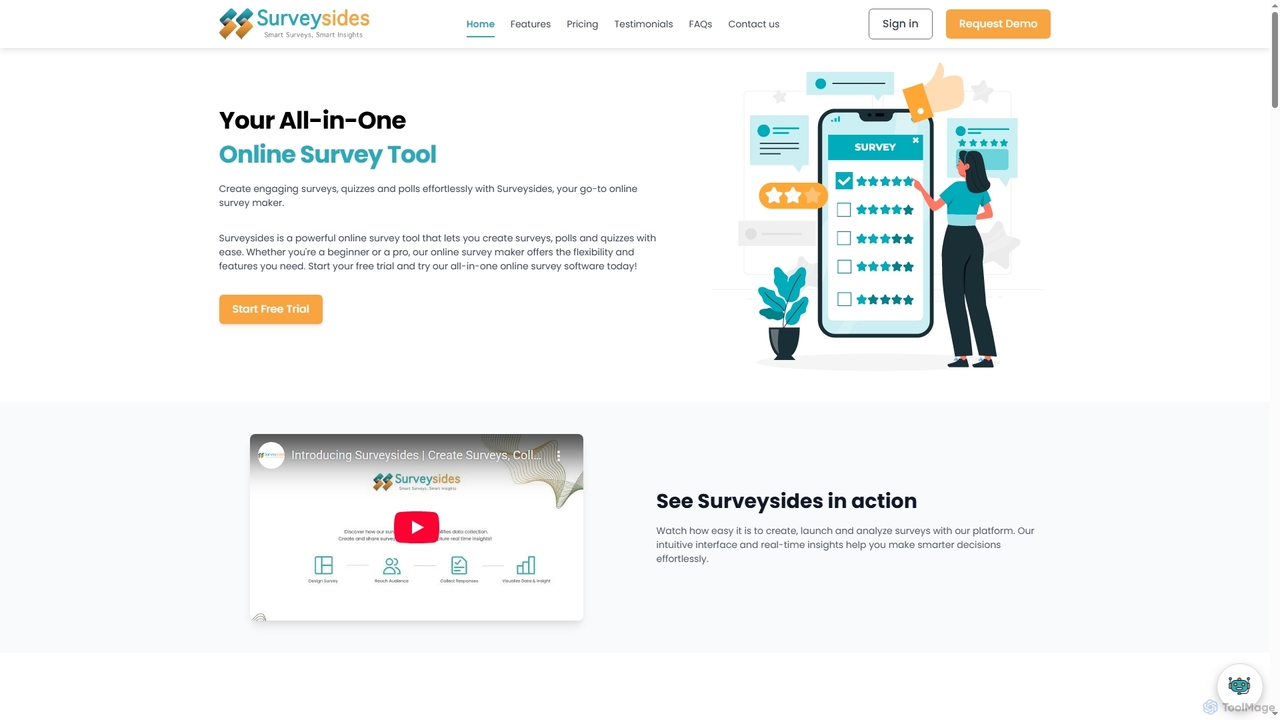
Surveysides

Surveysides

Surveysides is an all-in-one online survey tool designed to help users effortlessly create engaging surveys, quizzes, and polls. …

2.1K
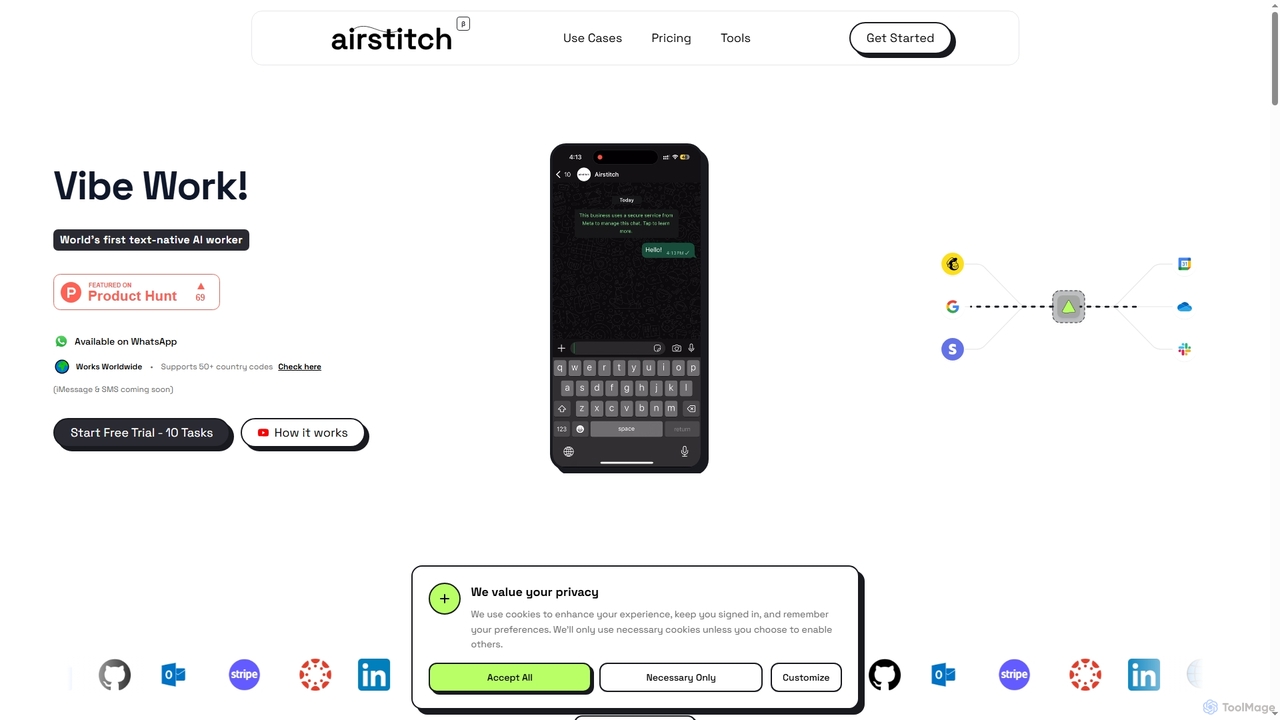
Airstitch

Airstitch

Airstitch is an AI-powered work assistant that automates over 40 hours of operational tasks weekly using natural language …

3.4K

About Reporting

AI Reporting tools are a specialized category within data analysis that leverage artificial intelligence to automate the aggregation, analysis, and visualization of data, transforming raw information into actionable insights. These tools go beyond traditional business intelligence by employing machine learning algorithms for pattern recognition, anomaly detection, and predictive analytics. They enable businesses to monitor performance, identify critical trends, and make data-driven decisions more efficiently and proactively, offering dynamic and interactive reporting experiences.

Core Features

  • Automated Data Aggregation: Automatically collect and consolidate data from diverse sources, reducing manual effort.
  • Intelligent Visualization: Generate dynamic charts, graphs, and dashboards optimized for clarity and insight, adapting to data changes.
  • Anomaly Detection: AI identifies unusual patterns or outliers in data that deviate from norms, alerting users to potential issues or opportunities.
  • Predictive Insights: Forecast future trends, outcomes, and potential risks based on historical data analysis and machine learning models.
  • Natural Language Generation (NLG): Automatically translate complex data insights into clear, human-readable narratives and summaries.

Applicable Scenarios

AI Reporting tools are crucial for business leaders, analysts, and managers across various departments. They are used for real-time performance monitoring, financial forecasting, and marketing campaign analysis. These tools provide a comprehensive view of operational health and strategic progress, enabling proactive adjustments and informed decision-making.

How to Choose

When selecting an AI Reporting tool, consider its compatibility with your existing data sources and systems, the depth of its AI capabilities (e.g., predictive modeling, NLG), and the level of customization offered for dashboards and reports. Evaluate its scalability, security features, and user-friendliness, ensuring it aligns with your team's technical proficiency and budget.

ReportingUse Cases

1

Automated Sales Performance Reporting

Sales managers utilize AI reporting tools to automatically aggregate sales data from CRM systems, identify top-performing products or regions, and generate weekly performance reports. These reports include predictive insights on future sales trends, significantly reducing manual data compilation and analysis time, allowing managers to focus on strategic initiatives.

2

Financial Health Dashboard Generation

Finance teams leverage AI reporting to consolidate financial data (P&L, balance sheet, cash flow) from various ERP systems. The tools automatically detect anomalies in spending patterns and create real-time, interactive dashboards for stakeholders, ensuring timely and accurate financial oversight and facilitating quick responses to budget deviations.

3

Marketing Campaign ROI Analysis

Marketing analysts employ AI reporting to track campaign metrics across multiple digital channels, attribute conversions accurately, and generate comprehensive ROI reports. The AI identifies underperforming ads or channels and suggests optimization strategies, enhancing budget allocation effectiveness and maximizing campaign impact.

4

Customer Service Trend Identification

Customer support managers use AI reporting to analyze ticket volumes, resolution times, and customer feedback from support platforms. The tools automatically highlight recurring issues or emerging customer pain points, enabling proactive service improvements, targeted agent training, and better resource allocation.

5

Supply Chain Performance Monitoring

Operations managers deploy AI reporting to integrate data from logistics, inventory, and procurement systems. The tools provide real-time visibility into supply chain bottlenecks, forecast demand fluctuations, and generate reports on supplier performance, optimizing inventory levels, improving delivery schedules, and mitigating risks.

6

HR Workforce Analytics Reporting

HR departments utilize AI reporting to analyze employee data, including recruitment, retention, and performance metrics. The tools identify trends in employee engagement, predict potential attrition risks, and generate reports to inform strategic workforce planning, talent development initiatives, and improve overall employee experience.

ReportingFrequently Asked Questions