ToolMage
Sign in

Best 4 Sentiment Analysis AI tools for Data Analysis

Popular Sentiment Analysis AI tools in Data Analysis include steamsummarize, SeeReviews, Reviewradar, and commentlensai, helping you work more efficiently.

SeeReviews
Paid

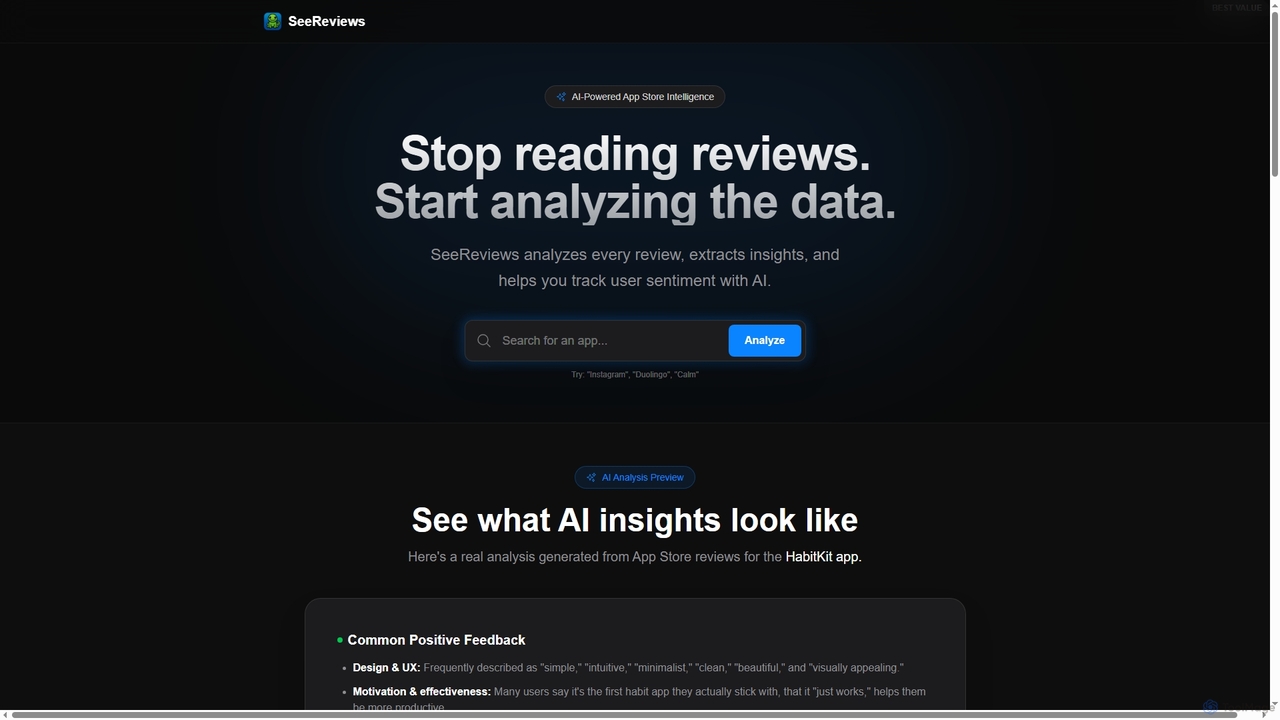
SeeReviews

SeeReviews is an AI-powered tool that analyzes App Store reviews to provide actionable insights. It automatically summarizes user feedback, tracks sentiment trends, extracts keywords for ASO, and helps developers, product managers, and marketers build better apps by understanding user needs.

Sentiment Analysis
Visits 3.5KFavorites 49Likes 56
Reviewradar
Freemium

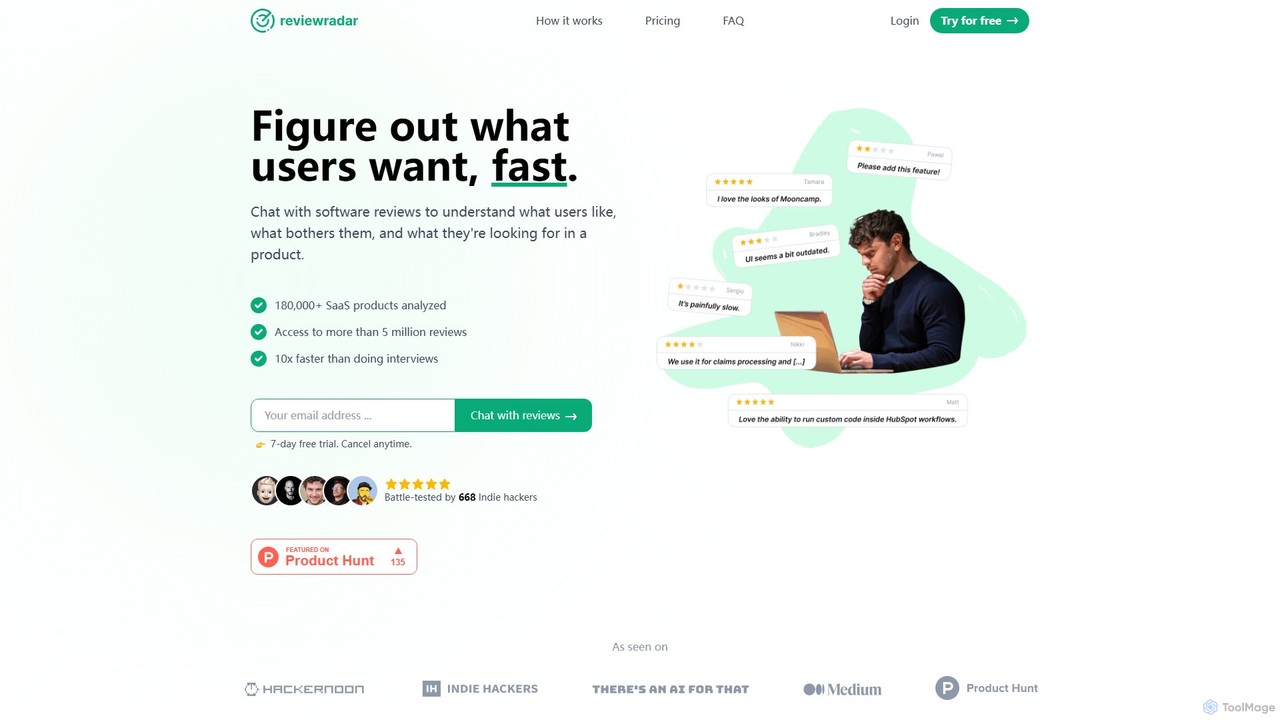
Reviewradar

Reviewradar is an AI-powered research tool that analyzes millions of SaaS reviews. It allows users to chat with review data to quickly understand user sentiment, identify likes and dislikes, and uncover what customers are looking for in a product, accelerating market research and product development.

Sentiment Analysis
Visits 3.4KFavorites 125Likes 129
commentlensai
Freemium

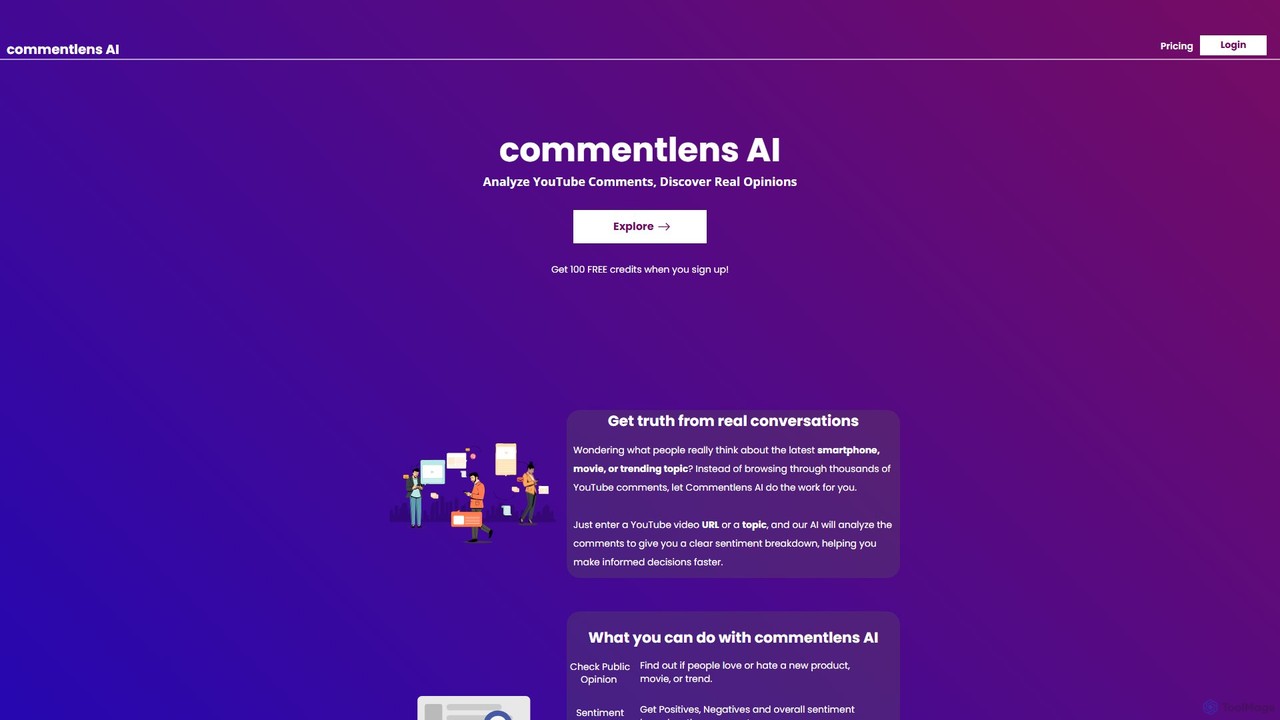
commentlensai

commentlensai is an AI-powered tool that analyzes YouTube comments to provide instant sentiment breakdown, topic extraction, and public opinion insights. Simply paste a video URL to transform thousands of comments into a concise, actionable report, saving time and revealing true audience feedback.

Sentiment Analysis
Visits 3.3KFavorites 117Likes 104
steamsummarize
Free

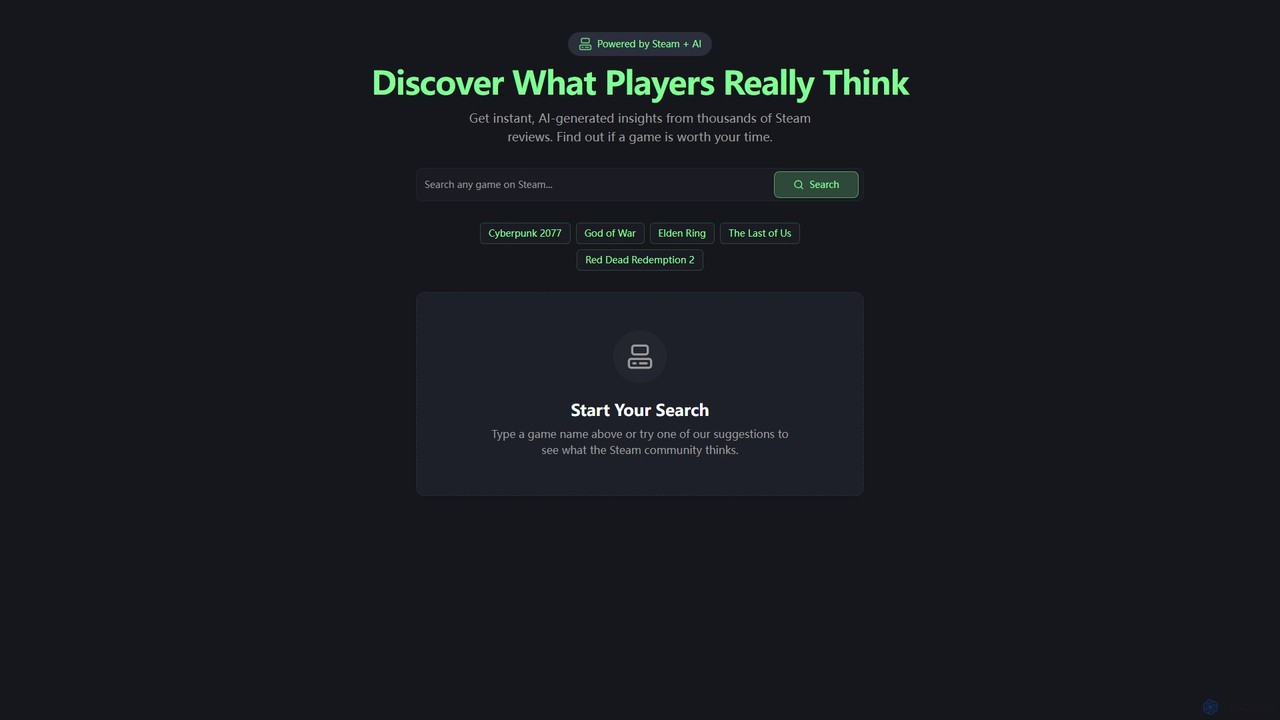
steamsummarize

steamsummarize is a free AI tool that uses GPT-4 to instantly summarize Steam game reviews. Simply search for any game, and the tool fetches the latest reviews to provide a concise overview of community sentiment, highlighting pros and cons. It's a fast, private, and easy way for gamers to make informed purchasing decisions without reading hundreds of reviews.

Sentiment Analysis
Visits 9.2KFavorites 114Likes 120

About Sentiment Analysis

Sentiment Analysis tools are a specialized category of data analysis software that uses Natural Language Processing (NLP) to identify and quantify emotional tones within text. These tools automatically process written content from sources like social media, reviews, and surveys to classify opinions as positive, negative, or neutral. This enables organizations to understand public perception, customer feedback, and brand reputation at a massive scale, transforming unstructured text into actionable business intelligence. Unlike general data analysis, sentiment analysis focuses specifically on the subjective aspects of data.

Core Features

  • Polarity Detection: Automatically classifies text into positive, negative, or neutral categories.
  • Aspect-Based Sentiment Analysis (ABSA): Identifies sentiment towards specific features or topics within a text (e.g., positive about 'battery life' but negative about 'screen size').
  • Emotion Detection: Goes beyond polarity to recognize specific emotions such as joy, anger, sadness, or surprise.
  • Intent Analysis: Determines the underlying intention of the writer, such as making a complaint, asking a question, or expressing purchase intent.
  • Trend Tracking: Monitors and visualizes how sentiment changes over time in response to events, campaigns, or product updates.

Use Cases

Sentiment analysis is widely used by marketing, customer experience, and product development teams. For instance, a brand can track real-time reactions to a new marketing campaign on social media, or a product manager can analyze thousands of app reviews to pinpoint features that cause customer frustration. It's also valuable for market research to gauge public opinion on competitors.

How to Choose

When selecting a Sentiment Analysis tool, consider its accuracy and ability to understand industry-specific jargon. Evaluate its language support, integration capabilities with your existing data sources (like CRMs or social media platforms), and the granularity of its analysis. Some tools offer simple polarity, while others provide detailed aspect-based insights, so choose based on your specific analytical needs.

Featured tool rankings

Sentiment Analysis use cases

1

Monitor Brand Reputation on Social Media

A marketing manager uses a sentiment analysis tool to track all mentions of their brand across platforms like Twitter, Facebook, and news blogs. The tool automatically categorizes mentions as positive, negative, or neutral and dashboards the results in real-time. When a spike in negative sentiment is detected, the system sends an alert, allowing the PR team to quickly investigate the cause—such as a service outage or a controversial ad—and issue a timely public response to manage the potential crisis.

2

Analyze Customer Feedback from Reviews

A product manager for a mobile app imports thousands of user reviews from the App Store and Google Play into a sentiment analysis tool. Using aspect-based analysis, the tool identifies sentiment for specific features like 'user interface,' 'performance,' and 'new update.' The manager discovers that while overall sentiment is positive, sentiment regarding the 'new update' is highly negative. By filtering for these reviews, they pinpoint a critical bug, allowing the development team to prioritize a fix and improve user satisfaction.

3

Gauge Public Opinion on Political Topics

A political campaign analyst uses a sentiment analysis tool to monitor public discourse about their candidate and key policy issues on social media and news forums. By tracking sentiment trends across different demographics and geographic regions, the team can identify which messages are resonating positively and which are being met with criticism. This data helps them refine their communication strategy, tailor messaging for specific audiences, and quickly respond to emerging negative narratives before they gain traction.

4

Improve Customer Service with Ticket Analysis

A customer support manager analyzes thousands of closed support tickets and chat transcripts. The sentiment analysis tool identifies conversations with highly negative sentiment, which are often indicative of poor customer experiences. By reviewing these specific cases, the manager can identify patterns, such as knowledge gaps in support agents or recurring product issues. This insight leads to targeted training programs for agents and provides valuable feedback to the product team, ultimately reducing customer churn.

5

Conduct Competitor Analysis and Market Research

A market research analyst configures a sentiment analysis tool to track public conversations about their main competitors. The system gathers data from product review sites, industry forums, and social media. By comparing sentiment scores and trends, the analyst can identify competitors' strengths and weaknesses from the customer's perspective. For example, they might find that a competitor's new product is receiving negative feedback about its price, providing an opportunity to highlight their own product's value proposition in marketing campaigns.

6

Analyze Employee Feedback from Surveys

An HR department uses a sentiment analysis tool to process open-ended responses from an anonymous annual employee engagement survey. The tool quantifies sentiment around topics like 'work-life balance,' 'management,' and 'career growth.' This allows HR to quickly identify areas of widespread dissatisfaction without manually reading thousands of comments. The findings, such as negative sentiment towards 'management' in a specific department, can guide targeted interventions like leadership training to improve morale and retention.

Sentiment Analysis FAQ

What is AI Sentiment Analysis?

AI Sentiment Analysis, also known as opinion mining, is a technology that uses Natural Language Processing (NLP) and machine learning to automatically determine the emotional tone of a piece of text. It classifies written content as positive, negative, or neutral. More advanced tools can also detect specific emotions like joy or anger and identify sentiment towards particular aspects, such as the price or service mentioned in a review. Its primary purpose is to help businesses understand customer and public opinion at scale from unstructured data like reviews, social media posts, and emails.

How to choose the right Sentiment Analysis tool?

Choosing the right tool depends on your specific needs. Consider the following factors:

  • Accuracy & Nuance: How well does the tool handle sarcasm, irony, and industry-specific jargon? Request a demo with your own data.
  • Granularity of Analysis: Do you need simple positive/negative classification, or do you require aspect-based analysis to see sentiment for specific features?
  • Language Support: Ensure the tool supports all the languages your customers use.
  • Integration Capabilities: Check if it can easily connect to your data sources, such as social media platforms, CRM systems, or survey tools, via APIs or built-in integrations.
  • Scalability: Can the tool handle the volume of data you need to process now and in the future?
What is the difference between Sentiment Analysis and Text Analytics?

Text Analytics is a broad field focused on extracting meaningful information from unstructured text data. It includes various techniques like topic modeling, keyword extraction, and entity recognition. Sentiment Analysis is a specific *subset* of Text Analytics. While Text Analytics might tell you *what* topics people are discussing (e.g., 'battery life'), Sentiment Analysis tells you *how* they feel about those topics (e.g., 'negatively'). In short, all sentiment analysis is a form of text analytics, but not all text analytics involves analyzing sentiment.

How accurate are sentiment analysis tools?

The accuracy of sentiment analysis tools can vary significantly, typically ranging from 70% to 90%. Accuracy depends on several factors, including the quality of the training data, the complexity of the algorithm, and the context of the text. Models often struggle with sarcasm, irony, industry-specific jargon, and complex sentences. The most accurate tools often use advanced models (like deep learning) and can be customized or fine-tuned with data from a specific domain (e.g., financial news or medical reviews) to better understand its unique vocabulary and nuances.

Who should use Sentiment Analysis tools?

Sentiment analysis tools are valuable for a wide range of professionals and departments. Key users include:

  • Marketing Teams: To monitor brand health, track campaign reception, and understand customer voice.
  • Customer Service Managers: To identify dissatisfied customers, analyze support interactions, and improve service quality.
  • Product Managers: To analyze user feedback from reviews and surveys to prioritize feature development and bug fixes.
  • Market Researchers: To gauge public opinion, conduct competitor analysis, and identify market trends.
  • PR & Communications Teams: To manage brand reputation and quickly respond to public relations crises.