SyncSketch
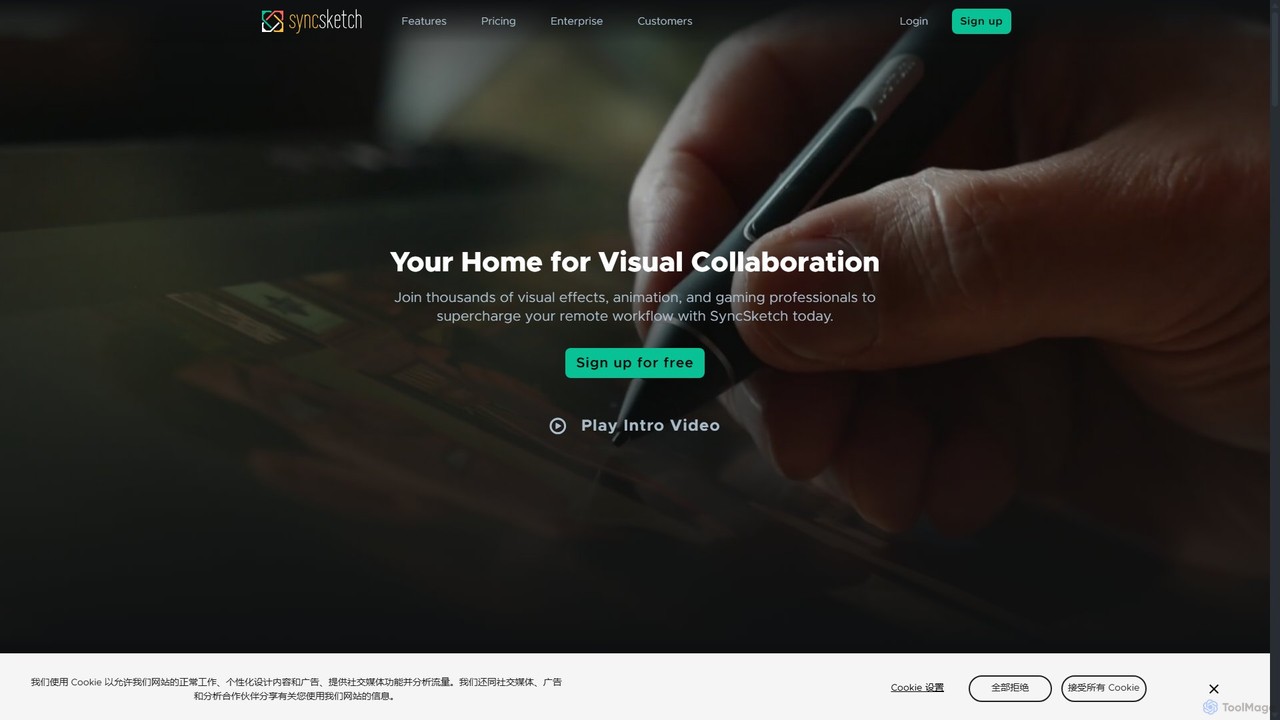
SyncSketch is a real-time visual collaboration and review platform designed for creative teams in animation, VFX, and gaming. …
SyncSketch is a real-time visual collaboration and review platform designed for creative teams in animation, VFX, and gaming. It enables synchronized review sessions for 2D/3D assets, videos, and images, with powerful annotation tools for frame-accurate feedback, streamlining creative workflows for remote and in-house teams.
Rooms
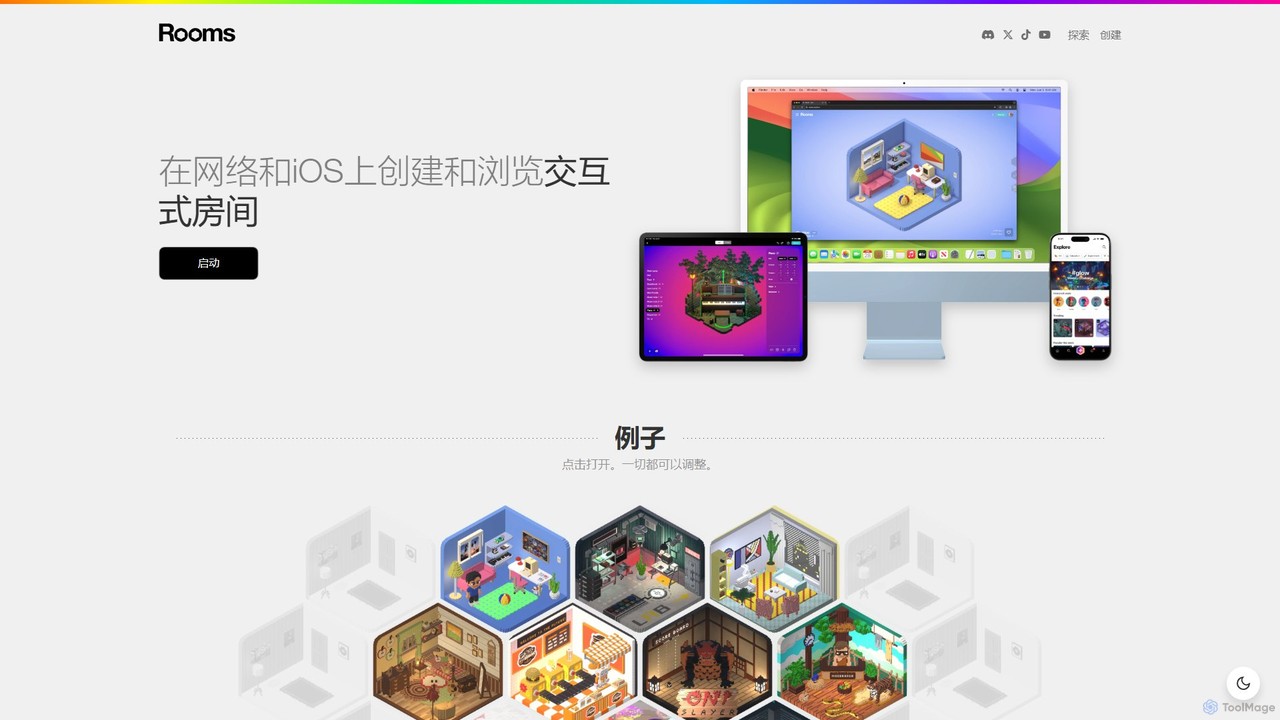
Rooms is a creative platform for building and exploring interactive 3D web-based rooms. With an intuitive editor, users …
Rooms is a creative platform for building and exploring interactive 3D web-based rooms. With an intuitive editor, users can design unique spaces, add dynamic objects, and define simple game logic without coding. It leverages AI to assist in asset creation, making it accessible for artists, designers, and hobbyists to create and share their own mini-metaverse experiences on the web and iOS.
About 3D Modeling
AI 3D Modeling tools are a class of software that uses artificial intelligence to generate or simplify the creation of three-dimensional digital models. These tools typically interpret text prompts, 2D images, or procedural rules to construct complex shapes and scenes automatically. They significantly accelerate the design process, enabling creators to produce prototypes, assets, and visualizations with remarkable speed. This technology lowers the technical barrier, making 3D creation more accessible than traditional manual modeling methods.
Core Features
- Text-to-3D Generation: Creates 3D models directly from descriptive text prompts.
- Image-to-3D Conversion: Transforms a single 2D image or sketch into a three-dimensional object.
- AI-Assisted Sculpting: Provides intelligent suggestions and automates repetitive detailing tasks.
- Procedural Generation: Automatically generates variations of models or entire scenes based on a set of rules.
- Automated Texturing (PBR): Applies realistic materials and textures to models based on simple inputs or analysis.
Use Cases
AI 3D Modeling is widely used in game development for rapid asset creation, in product design for quick prototyping, and in architecture for conceptual visualization. It also serves filmmakers and VFX artists by generating complex environmental elements or character models, empowering them to bring imaginative worlds to life more efficiently.
How to Choose
When selecting an AI 3D Modeling tool, consider the supported input methods (text, image, etc.) and the quality of the output (polygon count, texture resolution). Evaluate the available export formats (e.g., OBJ, FBX, GLB) for compatibility with your existing workflow. Also, assess the level of manual control and refinement options available after the initial AI generation.

3D ModelingUse Cases
Rapid Prototyping for Product Design
A product designer needs to explore multiple concepts for a new ergonomic chair quickly. Instead of spending days manually modeling each variation, they use an AI 3D modeling tool. By inputting text prompts like 'modern office chair with lumbar support and mesh back' and then refining with prompts like 'add adjustable armrests,' the designer generates a dozen distinct 3D concepts in under an hour. This allows the team to visualize and iterate on designs much faster, significantly shortening the conceptual phase and enabling better-informed decisions before committing to detailed CAD work.
Creating Game Assets from Concept Art
An indie game developer has detailed 2D concept art for a mythical creature but lacks the time and resources for complex 3D sculpting. They use an image-to-3D AI tool, uploading the artwork. The AI generates a base 3D mesh that captures the creature's form and key features. While the model requires some manual cleanup and rigging in a traditional 3D application, the AI has saved over 80% of the initial modeling time. This allows the small team to populate their game world with unique, high-quality assets far more efficiently than would be possible with manual methods alone.
Architectural Visualization from Floor Plans
An architect needs to present a conceptual 3D model of a residential building to a client on a tight deadline. Instead of building the model from scratch, they upload a 2D floor plan image to an AI 3D modeling tool. The AI interprets the layout, extrudes the walls, and adds basic placeholders for doors and windows, generating a complete 3D structure in minutes. This model serves as an excellent starting point for further refinement in dedicated architectural software, allowing the architect to focus on materials, lighting, and interior details rather than basic construction, thus delivering compelling visualizations faster.
Generating 3D Avatars for the Metaverse
A user wants to create a personalized 3D avatar for a virtual reality platform without learning complex character creation software. They use an AI tool that generates an avatar from a single photograph. By uploading a selfie, the AI analyzes facial features and generates a stylized 3D head and body that resembles the user. The user can then make minor adjustments to hairstyle, clothing, and accessories using simple sliders. The final avatar is exported in a compatible format (like VRM or FBX) and can be immediately used in their favorite virtual world, offering a highly personalized and accessible way to create a digital identity.
VFX Element Creation for Film
A VFX artist is tasked with creating a field of complex, otherworldly rock formations for a sci-fi film. Manually modeling hundreds of unique rocks would be prohibitively time-consuming. Instead, they use a text-to-3D tool with the prompt 'jagged crystalline rock formations with glowing blue veins.' The AI generates a variety of base models that fit the description. The artist selects the best ones, uses procedural tools to scatter them across a landscape, and then performs final texturing and lighting. This approach transforms a task that would take weeks into a matter of days, freeing up the artist to focus on the overall artistic direction of the shot.
Educational Content Creation for Classrooms
A history teacher wants to create an interactive lesson about ancient Roman architecture but lacks 3D modeling skills. Using an AI tool, they input the prompt 'a 3D model of the Roman Colosseum, simplified for educational use.' The tool generates a clean, accurate, and relatively low-polygon model. The teacher can then import this model into a presentation or an augmented reality application, allowing students to explore the structure from all angles on a tablet. This makes the lesson more engaging and memorable than simply showing 2D pictures, democratizing the creation of immersive educational materials.