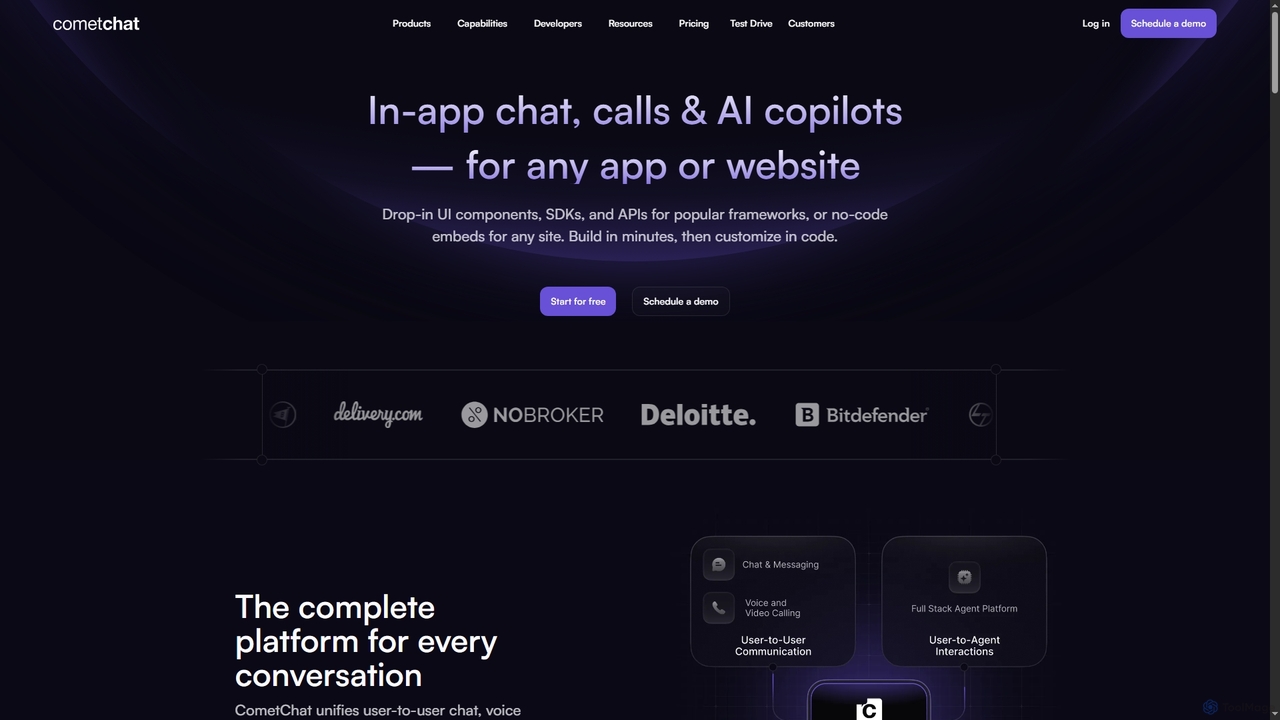
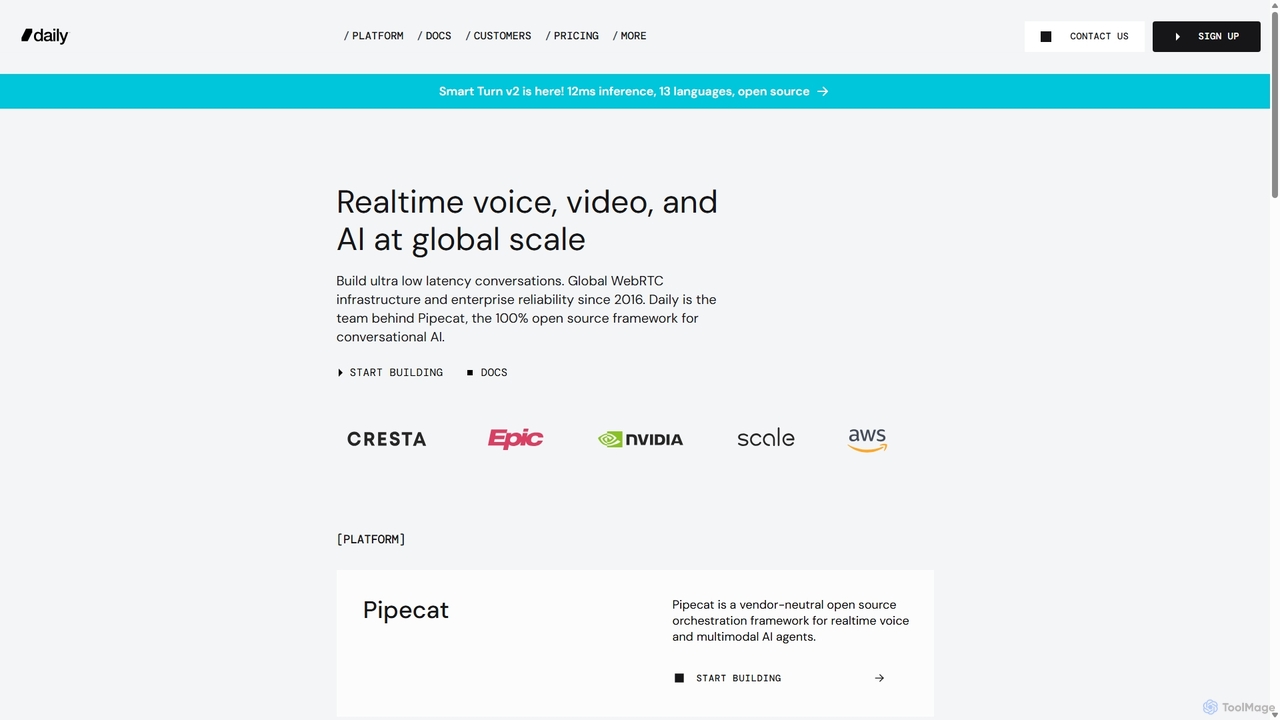
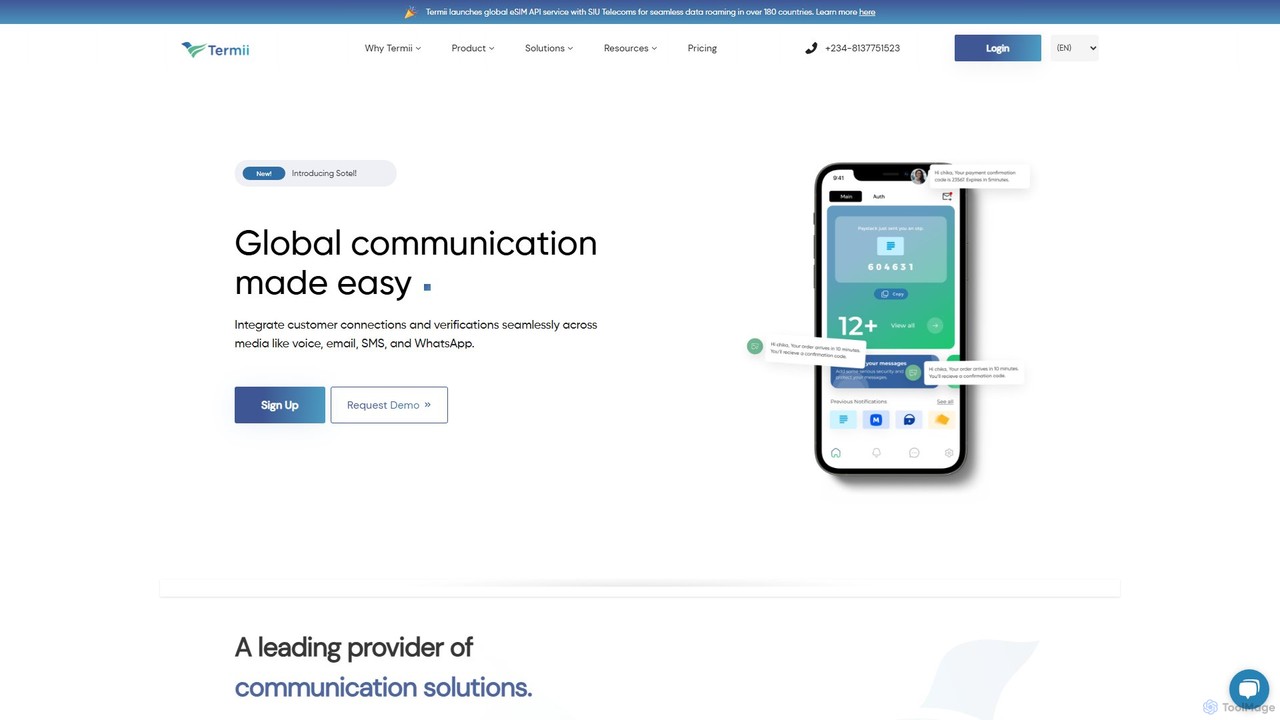
Communication APIs are a specialized category within developer tools that provide programmatic interfaces for integrating various communication functionalities directly into applications. These powerful APIs abstract away the complexities of underlying communication infrastructure, enabling developers to effortlessly add features like SMS, voice, video, and real-time chat without building the entire system from scratch. By offering robust, scalable, and secure communication channels, they empower businesses to build rich, interactive communication experiences, significantly enhancing user engagement, streamlining operational workflows, and fostering stronger customer relationships.
Core Features
- SMS & MMS Messaging: Programmatically send and receive text messages, including multimedia content, for critical notifications, two-factor authentication, and marketing campaigns.
- Voice & Programmable Calling: Integrate advanced voice call functionalities, interactive voice response (IVR) systems, intelligent call routing, and voicemail capabilities directly into applications.
- Video Conferencing & Streaming: Embed real-time video calls, live streaming events, and interactive video sessions, complete with screen sharing and recording, directly into web or mobile apps.
- Chat & Instant Messaging: Add secure, real-time text chat functionalities, group messaging, presence indicators, and file sharing for seamless in-app communication.
- Email Sending & Receiving: Automate transactional emails, marketing campaigns, and inbound email processing through robust API calls, ensuring high deliverability and tracking.
Applicable Scenarios
Communication APIs are indispensable across diverse industries. E-commerce platforms integrate SMS APIs for instant order confirmations and delivery updates, while leveraging email APIs for personalized marketing newsletters and abandoned cart reminders. Healthcare providers embed secure video APIs for confidential telehealth consultations and virtual patient visits. Customer service applications utilize chat APIs for real-time support and voice APIs for automated call routing and interactive self-service options, drastically improving response times and customer satisfaction. Furthermore, social networking apps use these APIs to enable in-app voice and video calls, fostering deeper user connections.
How to Choose
When selecting Communication APIs, several key factors warrant careful consideration. First, assess the specific communication channels required—whether it's SMS, voice, video, email, or a combination—and ensure the API provider offers comprehensive support for them. Evaluate the API's scalability to handle your current and future growth, along with its global coverage for your target audience. Ease of integration, including the availability of well-documented SDKs and clear API references, is crucial for developer productivity. Additionally, scrutinize pricing models, security features, compliance with relevant data protection regulations (e.g., GDPR, HIPAA), and the quality and responsiveness of developer support to ensure a reliable and future-proof solution.