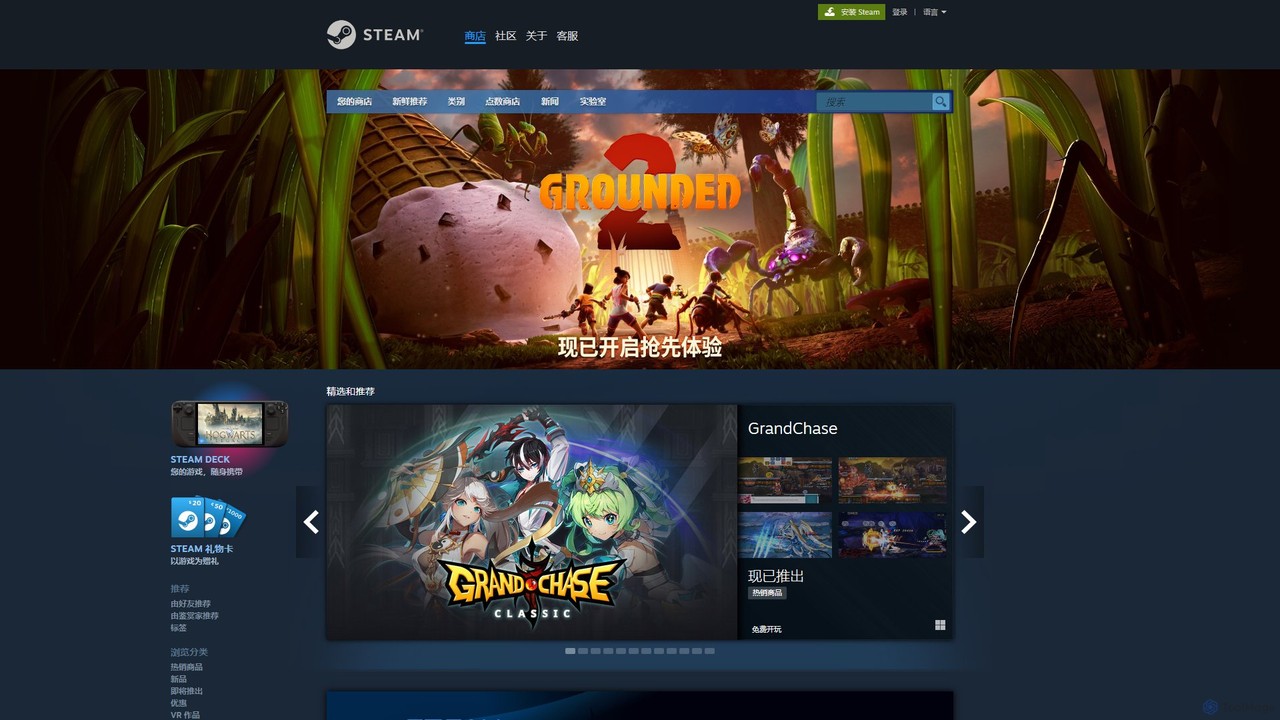
AI Game Distribution tools are a specialized category of developer utilities that leverage artificial intelligence to optimize the launch, marketing, and management of video games. These tools analyze vast datasets on market trends, player behavior, and competitor performance to provide actionable insights. They automate critical tasks such as generating marketing copy, identifying target audiences, and optimizing store listings. The primary value of these tools lies in empowering developers and publishers to make data-driven decisions, maximizing a game's visibility, player acquisition, and revenue potential in a competitive market.
Core Features
- Predictive Market Analysis: Utilizes AI to forecast sales potential, identify niche audiences, and recommend optimal pricing and launch windows.
- Automated ASO & Marketing: Generates optimized store descriptions, keywords, and social media content to improve discoverability on platforms like Steam and mobile app stores.
- Player Behavior Analytics: Tracks and predicts player engagement, retention, and churn, allowing for proactive community management and content updates.
- User Acquisition Intelligence: Identifies high-value player segments and suggests the most effective channels and creatives for advertising campaigns.
- Performance Dashboard: Consolidates sales, player, and marketing data into a unified view with AI-powered insights and performance reports.
Use Cases
These tools are primarily used by indie game developers, marketing managers at mid-to-large studios, and game publishers. For instance, an indie developer can use them to find an untapped market niche before launch, while a publisher can manage and optimize the marketing campaigns for a portfolio of games simultaneously. They are crucial for planning go-to-market strategies and managing live-service games post-launch.
How to Choose
When selecting an AI Game Distribution tool, consider the platforms it supports (e.g., Steam, iOS, Google Play, consoles). Evaluate the depth of its analytical capabilities—does it offer predictive modeling or just descriptive reports? Assess its automation features for marketing and ASO. Finally, consider the pricing model (subscription vs. revenue share) and its ability to integrate with your existing development and marketing stack.