Developer Tools Best in category 6 results Low Code Platform AI Tool

Popular AI tools in the Low Code Platform field of Developer Tools include Voiceflow、Variant、DataBrain、Zenith Innovations、Morph、Officely, etc., helping you quickly improve efficiency.

DataBrain

DataBrain

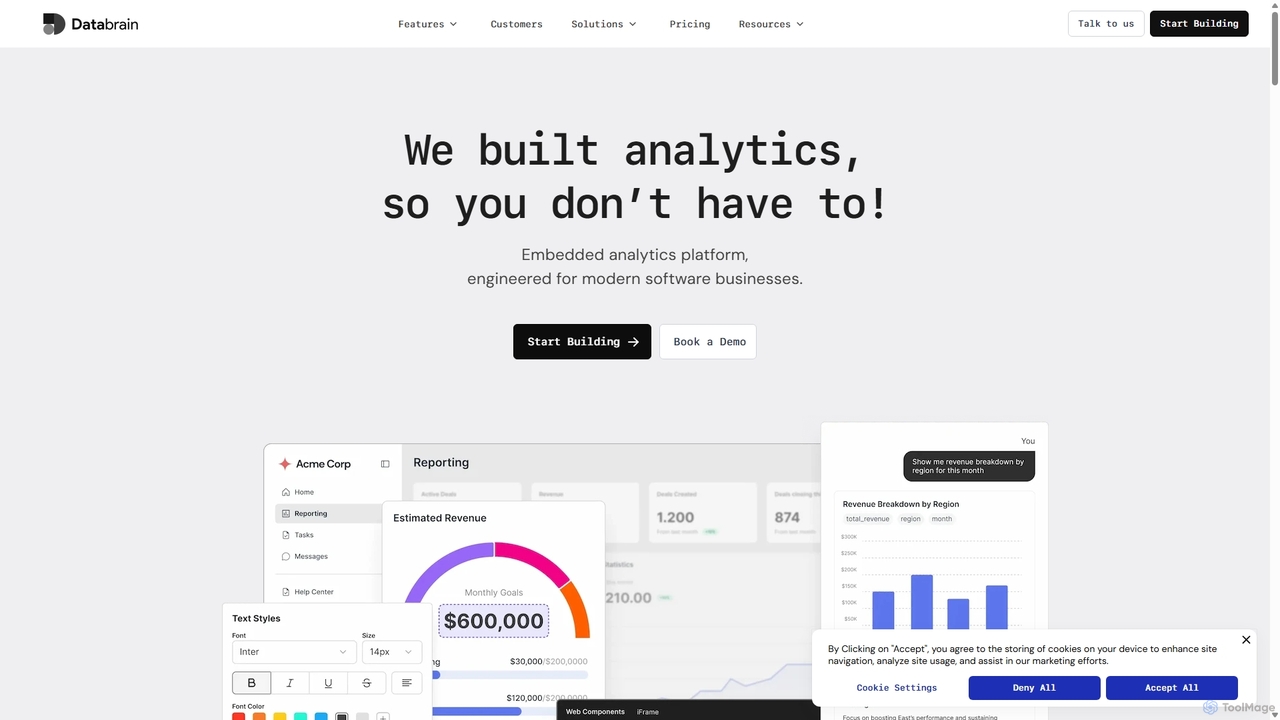
DataBrain is an AI-powered embedded analytics platform designed for modern software businesses. It enables companies to quickly build …

5.6K
Variant

Variant

Variant is an AI-powered creative suite designed to break free from linear workflows. It provides a dynamic, non-linear …

25.7K
Officely

Officely

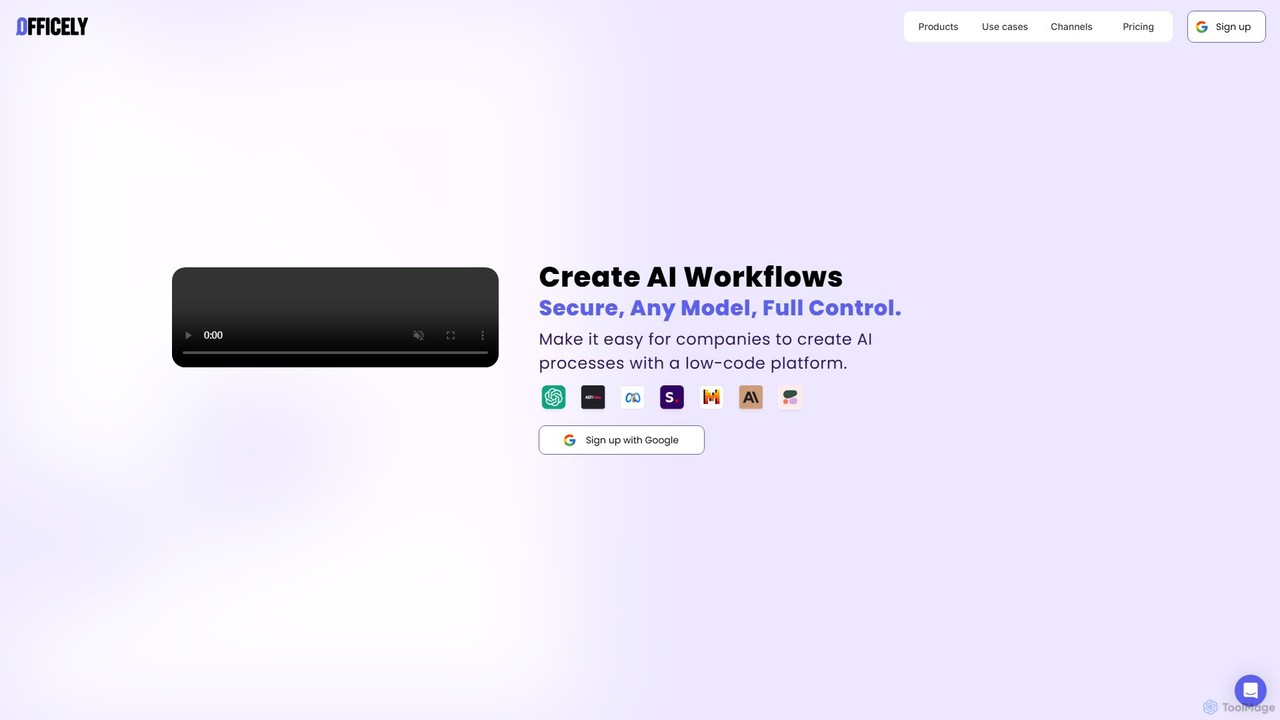
Officely is a low-code platform that enables businesses to create and deploy custom AI workflows and agents. It …

2.3K
Morph

Morph

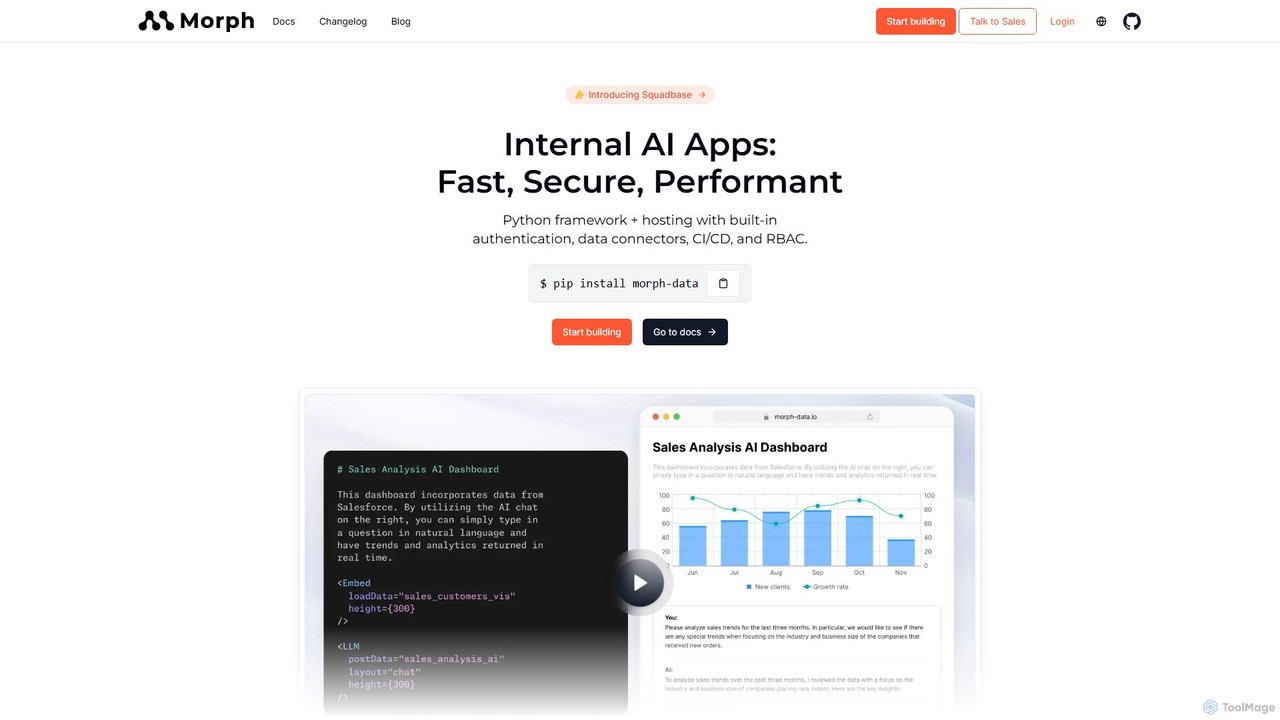
Morph is a Python-based framework and cloud platform for rapidly building and deploying secure, AI-powered internal data applications. …

3.6K
Voiceflow

Voiceflow

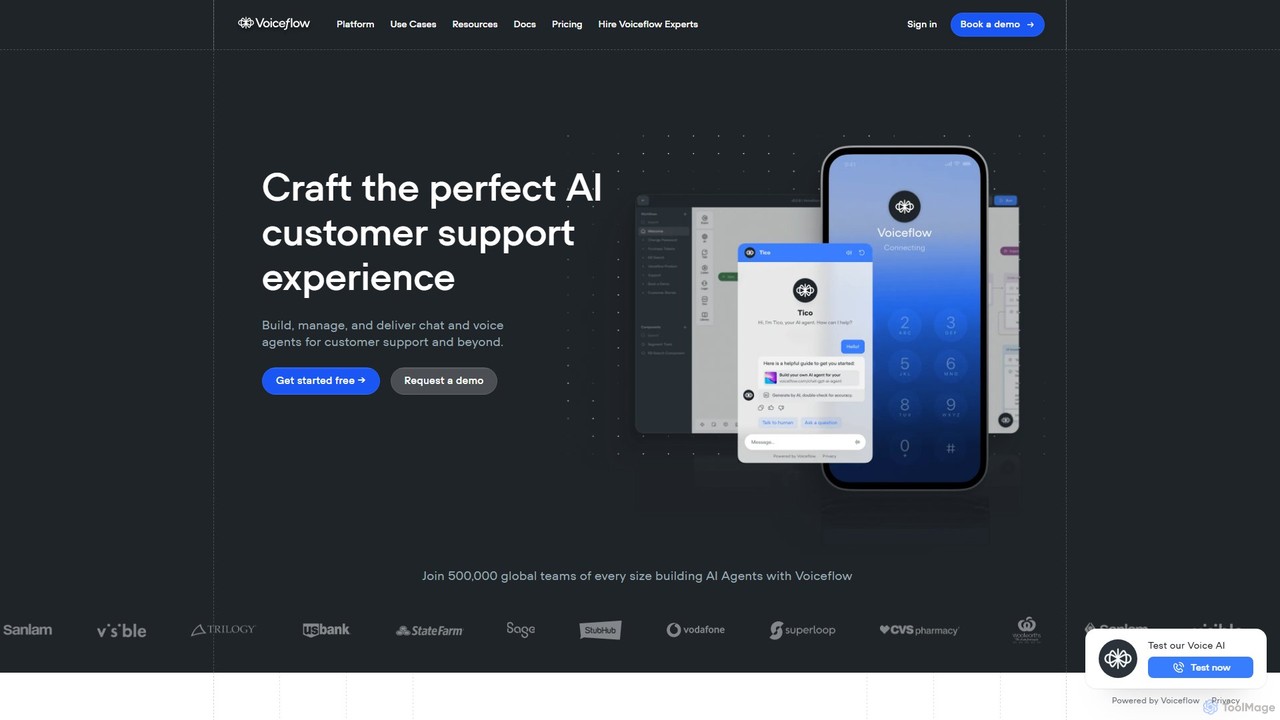
Voiceflow is a collaborative platform for product teams to design, build, and deploy advanced AI agents. Create human-like …

464.9K
Zenith Innovations

Zenith Innovations

Zenith Innovations is a certified Zoho Authorized Partner and IT consultancy specializing in streamlining business operations. They offer …

4.7K

About Low Code Platform

Low Code Platform is a category of developer tools designed to accelerate application development with minimal manual coding. These platforms utilize visual interfaces, drag-and-drop components, and pre-built templates, enabling both professional developers and citizen developers to build and deploy robust applications rapidly. They significantly reduce development time and costs, making complex software solutions more accessible for businesses of all sizes.

Core Features

  • Visual Development Environment: Intuitive drag-and-drop interfaces for designing user interfaces and application logic.
  • Pre-built Components & Templates: Libraries of reusable modules, connectors, and application templates for common functionalities.
  • Automated Workflow & Business Logic: Tools to visually define and automate business processes and data flows without writing extensive code.
  • Integration Capabilities: Seamless connectivity with existing databases, APIs, and third-party systems.
  • One-Click Deployment & Management: Simplified processes for deploying, monitoring, and managing applications across various environments.

Use Cases

Low Code Platforms are ideal for organizations seeking to quickly digitize operations, create custom business applications, or automate internal processes. They empower teams to respond faster to market demands and build tailored solutions without extensive coding expertise.

How to Choose

When selecting a Low Code Platform, consider its scalability, integration ecosystem, pricing model, and the specific types of applications it supports. Evaluate the learning curve for your team and the availability of community support or vendor services.

Low Code PlatformUse Cases

1

Rapidly Develop Internal Business Applications

For IT departments or business units needing custom tools like CRM, ERP extensions, or project management systems. Low Code Platforms allow developers and business analysts to visually design and deploy these applications in weeks instead of months, significantly reducing backlog and improving operational efficiency by providing tailored solutions for specific departmental needs.

2

Automate Complex Business Workflows

Operations managers or process owners can leverage Low Code Platforms to automate multi-step workflows, such as expense approvals, onboarding processes, or supply chain management. By visually mapping out logic and integrating with existing systems, organizations can eliminate manual tasks, reduce errors, and accelerate process completion times, leading to substantial productivity gains.

3

Create Customer-Facing Portals and Web Apps

Marketing or customer service teams can quickly build interactive customer portals, self-service applications, or event registration sites. Low Code Platforms provide pre-built UI components and integration capabilities to connect with customer data, enabling rapid deployment of engaging digital experiences that enhance customer satisfaction and reduce support load.

4

Modernize Legacy Systems and Databases

Enterprises with outdated legacy systems can use Low Code Platforms to build modern, user-friendly interfaces on top of existing databases. This allows for the extension of the lifespan of critical backend systems while providing employees with improved access and interaction, without the need for a complete, costly system overhaul.

5

Develop Mobile Applications for Field Teams

Field service teams or sales representatives often require mobile applications for data collection, reporting, or client interactions. Low Code Platforms enable the rapid creation of cross-platform mobile apps with offline capabilities and device-specific features, empowering mobile workforces with essential tools to enhance productivity and data accuracy on the go.

6

Build Data Dashboards and Reporting Tools

Business intelligence analysts or department heads can utilize Low Code Platforms to create custom data dashboards and reporting tools. By connecting to various data sources and visually designing interactive reports, they can gain real-time insights into key performance indicators, facilitating data-driven decision-making without relying heavily on specialized BI developers.

Low Code PlatformFrequently Asked Questions