ToolMage
Sign in

Best 2 Monetization AI tools for Developer Tools

Popular Monetization AI tools in Developer Tools include Botsnap and ADS4GPTs, helping you work more efficiently.

Paid

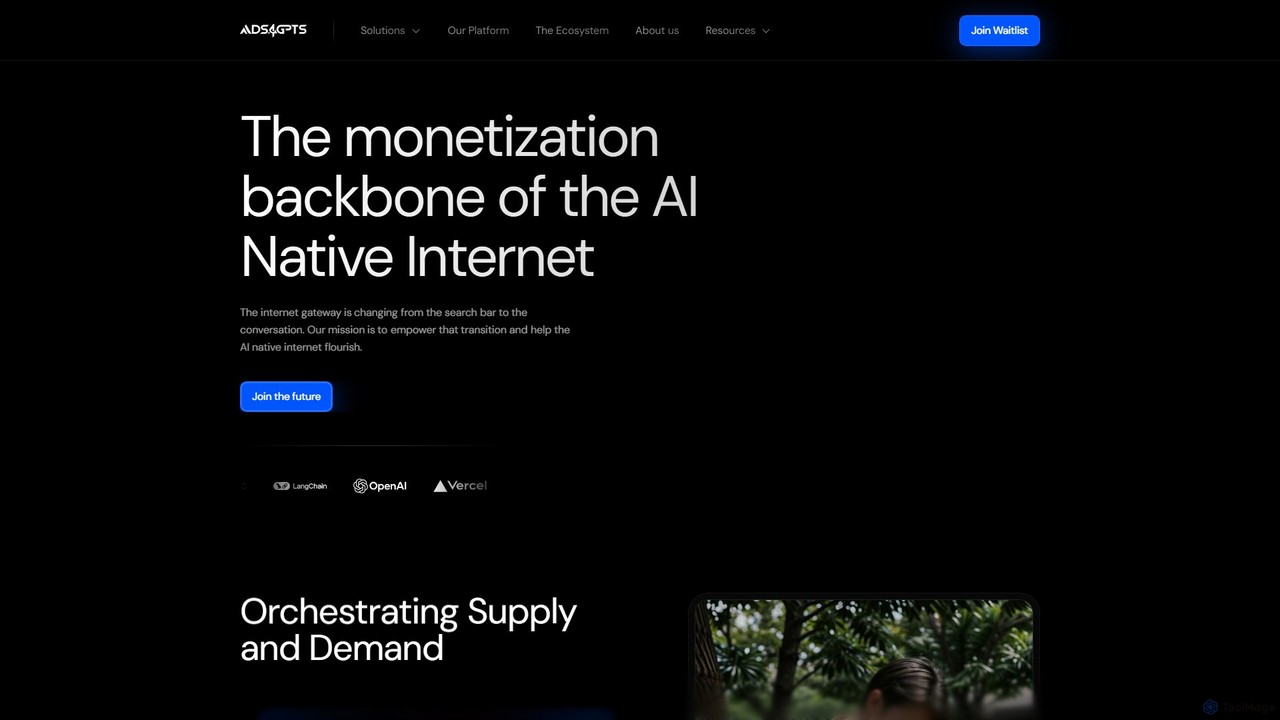
ADS4GPTs

ADS4GPTs is a pioneering AI-native advertising platform designed to be the monetization backbone for the new conversational internet. It enables AI application developers to generate revenue through seamless, privacy-first ads, while offering advertisers unique access to highly engaged, intent-driven audiences within AI chat experiences.

Platforms
Visits 4KFavorites 112Likes 112
Freemium

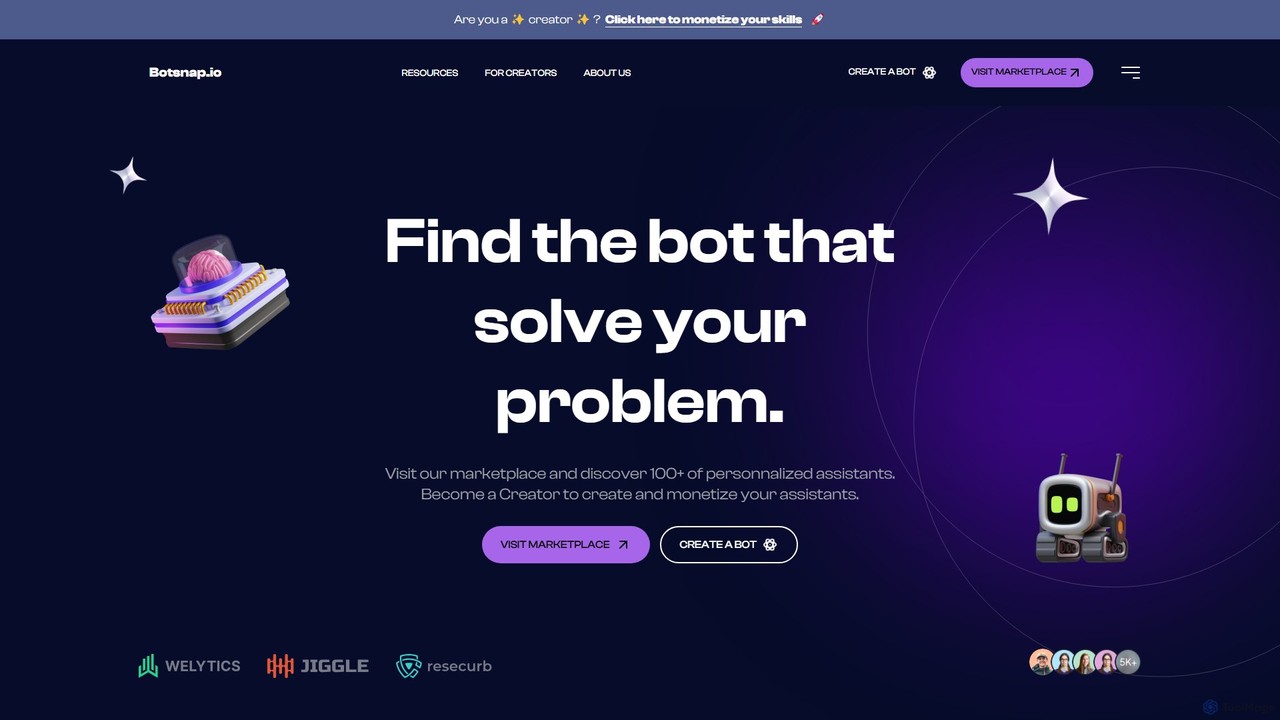
Botsnap

Botsnap is a premier marketplace and review platform for custom GPT AI assistants. It serves as an unofficial GPT store, allowing users to discover, review, and find the perfect AI bots for their needs, while empowering creators to showcase and monetize their creations.

Monetization
Visits 4.2KFavorites 125Likes 117

About Monetization

AI Monetization tools are a specialized category of developer tools designed to integrate billing and payment systems into AI applications. These platforms provide APIs and SDKs to manage complex revenue models like subscriptions, usage-based billing, and one-time purchases. They enable developers to automate payment collection, invoicing, and revenue tracking, allowing them to focus on core product development. This is crucial for commercializing AI services, from SaaS platforms to API-based products.

Core Features

  • Subscription Management: Create and manage multi-tiered subscription plans with different features and pricing.
  • Usage-Based Billing: Automatically track and bill users based on consumption metrics like API calls, data processed, or tokens used.
  • Payment Gateway Integration: Securely connect with various payment processors like Stripe, PayPal, and Adyen to handle global transactions.
  • Invoicing and Tax Compliance: Generate automated invoices and handle complex tax calculations for different regions.
  • Revenue Analytics: Provide dashboards and reports to monitor key financial metrics such as MRR, churn, and customer lifetime value.

Use Cases

These tools are essential for developers and businesses building commercial AI products. For instance, a company offering an AI-powered API can implement pay-as-you-go billing. A SaaS business with an AI writing assistant can use them to manage monthly and annual subscription tiers. Mobile app developers can also integrate these tools to sell premium AI features as in-app purchases.

How to Choose

When selecting an AI Monetization tool, consider the billing models it supports (subscriptions, metered, etc.). Evaluate its integration capabilities, including the quality of its API documentation and SDKs for your tech stack. Assess its scalability to handle growing transaction volumes and its support for global currencies and tax regulations. Finally, compare the pricing structures and transaction fees to ensure they align with your business model.

Featured tool rankings

Monetization use cases

1

Implementing Subscription Tiers for an AI SaaS

A startup founder developing an AI-powered content generation platform needs to offer tiered access (e.g., Free, Pro, Business) to users. Instead of building a complex billing system from scratch, they integrate a monetization tool. Using its API, they define different subscription plans, each with specific limits on word generation, feature access, and team members. The tool handles the entire user journey: secure checkout, recurring monthly or annual payments, and automatic upgrades or downgrades, allowing the founder to focus on improving the AI model.

2

Monetizing an AI API with Usage-Based Billing

A data science team develops a proprietary AI model for image recognition and wants to offer it as a commercial API. They use a monetization platform to implement a pay-as-you-go model. The platform's SDK is integrated into their service to meter each API call. Customers are then automatically billed at the end of the month based on their total usage. This model provides a low barrier to entry for new users and ensures that revenue scales directly with the value customers derive from the service.

3

Selling AI Feature Credits via In-App Purchases

A mobile app developer adds a new AI-powered 'Magic Retouch' feature to their photo editing application. To monetize this premium feature without forcing a full subscription, they use a monetization SDK to sell credit packs (e.g., 100 credits for $4.99). Each use of the 'Magic Retouch' feature consumes a set number of credits. The SDK handles the entire in-app purchase flow through the Apple App Store and Google Play Store, including payment processing and credit balance management, simplifying the process for the developer.

4

Automating Enterprise Licensing and Invoicing

An AI analytics company sells its software to large corporations with custom annual contracts. Managing these complex deals, including custom pricing, seat-based licensing, and quarterly invoicing, is a significant operational burden. By adopting a monetization platform, they can automate the entire enterprise sales cycle. The platform allows them to create custom quotes, manage contract terms, automatically generate and send invoices on the correct schedule, and track payment statuses, freeing up their sales and finance teams to focus on strategic growth.

5

Managing Payouts in an AI Model Marketplace

A platform developer creates a marketplace where AI developers can upload and sell their custom models to other businesses. A key challenge is managing the revenue split and payouts to hundreds of individual creators. They integrate a monetization tool with marketplace capabilities. This tool automatically calculates the platform's commission for each sale, tracks the earnings for each developer, and handles the mass payouts to creators worldwide in their local currencies, ensuring compliance and reducing administrative overhead.

6

Offering a Hybrid Billing Model for an AI Tool

The product manager for an AI-powered video editing tool wants to cater to different user segments. They decide on a hybrid model: a base monthly subscription for core features, plus usage-based charges for premium, resource-intensive tasks like 4K rendering. Using a flexible monetization platform, they configure this complex billing logic. The system seamlessly tracks both the recurring subscription fee and the metered usage each month, presenting a single, clear invoice to the customer. This approach maximizes revenue by aligning price with value for both casual and power users.

Monetization FAQ

What are AI Monetization tools?

AI Monetization tools are specialized software platforms, APIs, or SDKs that help developers integrate payment and billing systems into their AI applications. They go beyond simple payment gateways by managing complex revenue models like tiered subscriptions, pay-as-you-go usage, and hybrid billing. These tools automate tasks such as invoicing, tax calculation, and revenue analytics, allowing developers to focus on building their AI product rather than complex financial infrastructure.

How to choose the right AI Monetization tool?

Choosing the right tool depends on your specific needs. Consider the following factors:

  • Billing Models: Ensure the tool supports the models you need, such as subscriptions, metered usage (pay-as-you-go), one-time payments, or a hybrid approach.
  • Integration: Check for well-documented APIs and SDKs that are compatible with your application's programming language and framework.
  • Scalability: Select a platform that can handle your expected growth in transaction volume and user base without performance issues.
  • Global Reach: If you have international customers, verify its support for multiple currencies, payment methods, and regional tax compliance.
  • Pricing: Analyze the transaction fees, monthly costs, and any hidden charges to understand the total cost of ownership.
What's the difference between a monetization platform and a payment gateway like Stripe?

A payment gateway like Stripe is a foundational component that securely processes transactions. A monetization platform is a more comprehensive solution built on top of one or more payment gateways. While a payment gateway handles the raw transaction, a monetization platform adds a layer of business logic to manage the entire customer revenue lifecycle. This includes features like subscription management, metered billing for usage, dunning (handling failed payments), automated invoicing, and detailed financial analytics. In essence, a payment gateway moves money, while a monetization platform manages the commercial relationship with the customer.

What are the most common billing models for AI applications?

The most common billing models for AI applications are designed to align the price with the value delivered. Key models include:

  • Subscription Tiers: A recurring fee (monthly/annually) for access to different levels of features, usage limits, or support. Common for AI SaaS products.
  • Usage-Based (Pay-as-you-go): Customers are billed based on consumption, such as per API call, per token processed, or per minute of computation. Ideal for AI APIs and infrastructure services.
  • Credit-Based: Users purchase a pack of credits upfront and consume them to access specific premium features. Often used in consumer apps.
  • Hybrid Model: A combination of a base subscription fee plus overage charges for exceeding usage limits. This provides predictable revenue while capturing value from high-volume users.
Why do developers need monetization tools instead of building their own billing system?

Building a robust billing system is deceptively complex and resource-intensive. Developers use monetization tools to avoid these challenges:

  • Complexity: Handling subscriptions, prorations, usage metering, and global tax compliance requires significant engineering effort and ongoing maintenance.
  • Security: Processing payments requires strict adherence to security standards like PCI DSS to protect sensitive customer data. Monetization platforms are built to be compliant.
  • Time to Market: Using a pre-built solution allows developers to launch and start generating revenue much faster than building a system from scratch.
  • Scalability and Reliability: These platforms are designed to handle high transaction volumes and ensure uptime, which is critical for business continuity.

By outsourcing this non-core function, developers can focus their limited resources on what they do best: building and improving their AI application.