Developer Tools Best in category 1 results Security & Testing AI Tool

Popular AI tools in the Security & Testing field of Developer Tools include equixly, etc., helping you quickly improve efficiency.

equixly

equixly

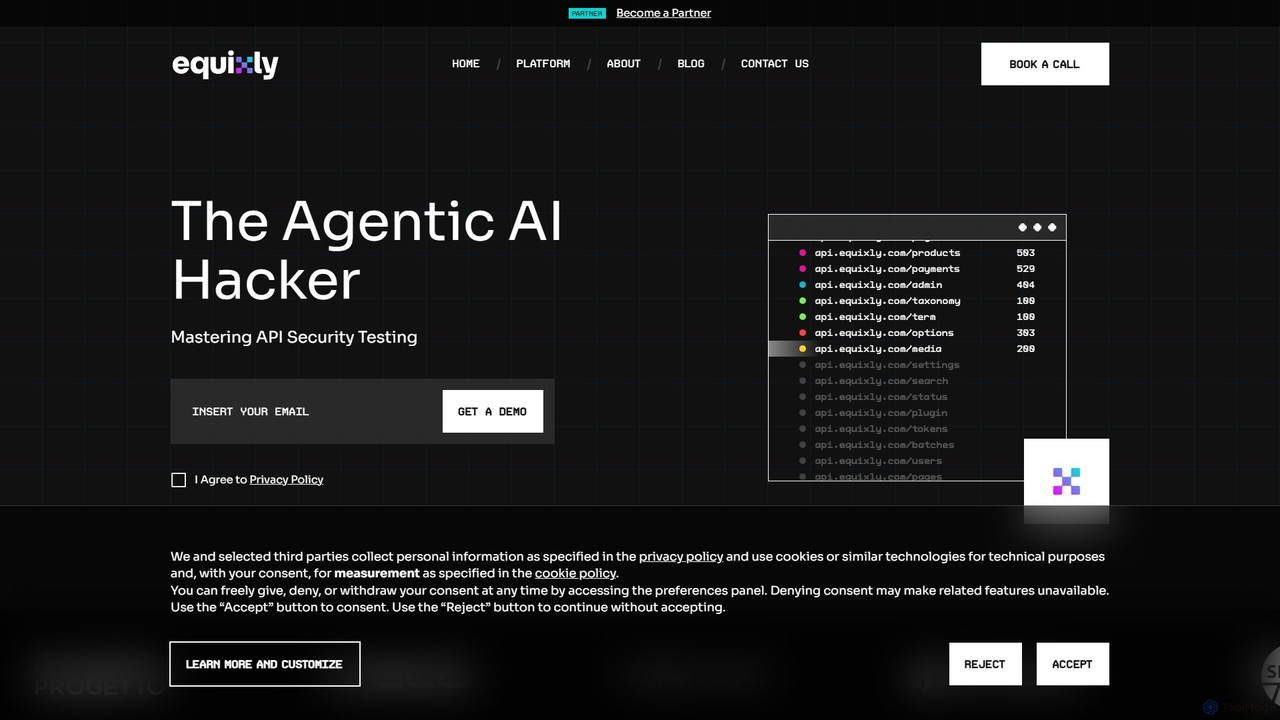
Equixly is an agentic AI hacker platform designed for mastering API security. It automates penetration testing by mapping …

21.0K

About Security & Testing

AI Security & Testing tools are AI-powered solutions designed to enhance the security, reliability, and performance of software systems and applications. These tools leverage machine learning and advanced algorithms to automate vulnerability detection, threat analysis, performance monitoring, and quality assurance processes. They help developers and QA teams identify and mitigate risks, ensure code quality, and optimize system behavior throughout the software development lifecycle, moving beyond traditional methods by learning from data and adapting to evolving challenges.

Core Features

  • Automated Vulnerability Scanning: AI-driven identification of security flaws in code, configurations, and dependencies, including common issues like SQL injection and XSS.
  • Intelligent Test Case Generation: AI creates diverse and effective test cases, including edge cases, to maximize test coverage and uncover hidden bugs efficiently.
  • Performance Anomaly Detection: AI monitors system metrics to detect unusual patterns that indicate performance bottlenecks, resource exhaustion, or potential failures in real-time.
  • Threat Intelligence & Prediction: AI analyzes vast amounts of security data to predict emerging threats and recommend proactive countermeasures, enhancing defensive strategies.
  • Code Quality Analysis: AI reviews code for adherence to best practices, potential bugs, and maintainability issues, providing actionable suggestions for improvement.

Applicable Scenarios

These tools are crucial for organizations integrating security and quality into every stage of development. They are widely used in DevSecOps pipelines for continuous security and testing, enabling rapid feedback loops. Large-scale application development benefits from automated, comprehensive testing across complex systems. Cloud-native environments utilize these tools for continuous security posture management and compliance auditing, ensuring robust and compliant deployments.

How to Choose

When selecting AI Security & Testing tools, consider the scope of coverage, such as static, dynamic, or interactive application security testing (SAST, DAST, IAST), and the types of performance or functional testing supported. Evaluate integration capabilities with your existing CI/CD tools, IDEs, and bug tracking systems. Assess the transparency and customizability of the AI models for your specific application contexts and compliance needs. Finally, prioritize tools that offer clear, actionable reporting and effective remediation guidance.

Security & TestingUse Cases

1

Automated API Security Testing

Developers integrate AI tools into their development workflows to automatically scan APIs for common vulnerabilities like broken authentication, injection flaws, and misconfigurations. This ensures secure communication endpoints and robust API design early in the development cycle, preventing security loopholes before deployment and reducing manual review effort.

2

Predictive Bug Detection in CI/CD Pipelines

QA engineers embed AI-powered testing tools within CI/CD pipelines to analyze new code changes and historical data. The AI predicts potential bugs and identifies high-risk areas, prioritizing test execution and generating targeted test cases. This significantly reduces the time spent on debugging and accelerates release cycles by catching issues proactively.

3

Real-time Performance Monitoring & Anomaly Alerting

Operations teams deploy AI monitoring solutions to continuously track application performance metrics across various environments. The AI learns baseline behavior and instantly detects unusual spikes, drops, or patterns indicative of performance bottlenecks or potential failures. This proactive alerting helps prevent outages and optimizes resource allocation, ensuring application stability.

4

Security Compliance & Configuration Auditing

Security analysts leverage AI tools to automatically audit cloud infrastructure, container configurations, and application settings against industry standards (e.g., GDPR, HIPAA, PCI DSS) and internal security policies. The tools identify non-compliant configurations and misconfigurations, providing actionable recommendations for remediation and maintaining a strong security posture.

5

Intelligent Fuzz Testing for Application Robustness

Security researchers and penetration testers utilize AI-driven fuzzing tools to generate a vast array of malformed, unexpected, or random inputs for applications. This process uncovers crashes, memory leaks, buffer overflows, and other vulnerabilities that traditional testing methods might miss, significantly enhancing the application's resilience against malicious attacks.

6

Automated Regression Test Suite Optimization

QA leads and test managers employ AI to analyze existing regression test suites, identifying redundant or overlapping tests and suggesting optimizations. Based on code changes, usage patterns, and historical defect data, the AI recommends new, high-impact test cases or prioritizes existing ones, ensuring efficient and comprehensive regression testing while reducing execution time.

Security & TestingFrequently Asked Questions