Developer Tools Best in category 4 results Task Management AI Tool

Popular AI tools in the Task Management field of Developer Tools include Taurin、MYPOP、Feta、KanShareBan, etc., helping you quickly improve efficiency.

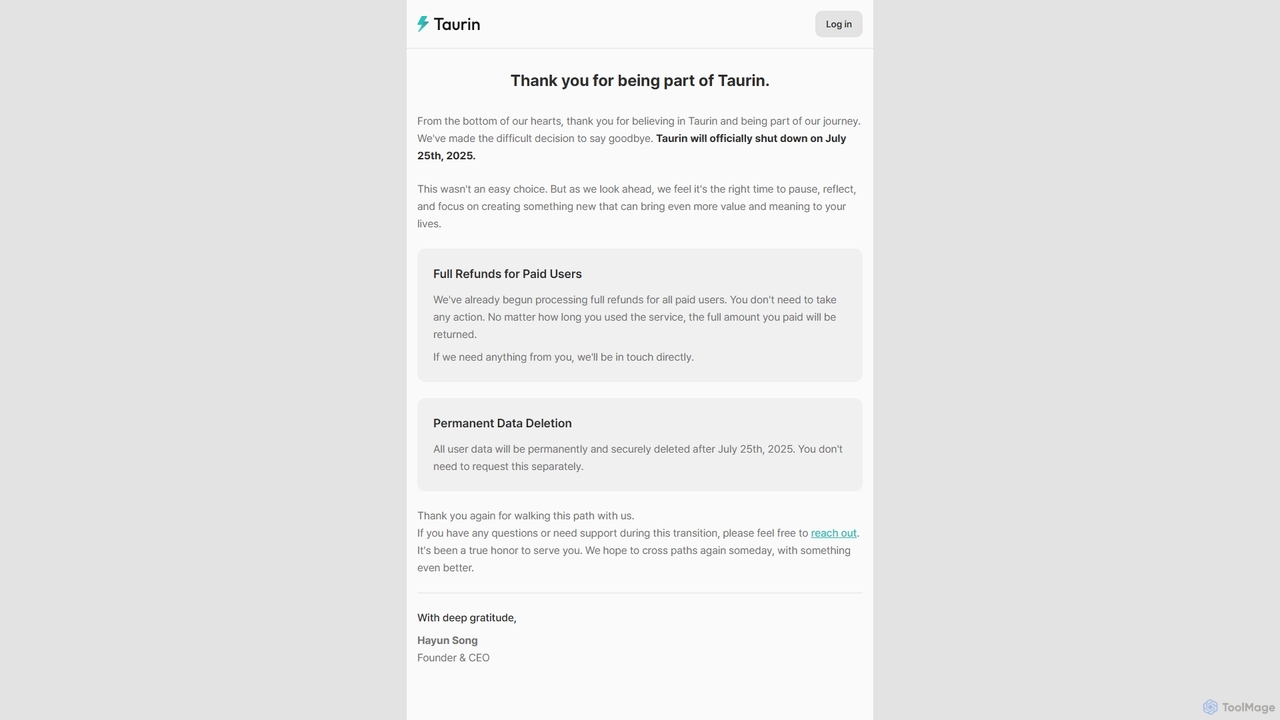
Taurin

Taurin

Taurin was an AI-powered project management and team collaboration platform designed to automate workflows, optimize task allocation, and …

2.5K
MYPOP

MYPOP

MYPOP is an AI Agent and Agile Coach for product teams. It integrates with tools like Jira, Slack, …

2.3K
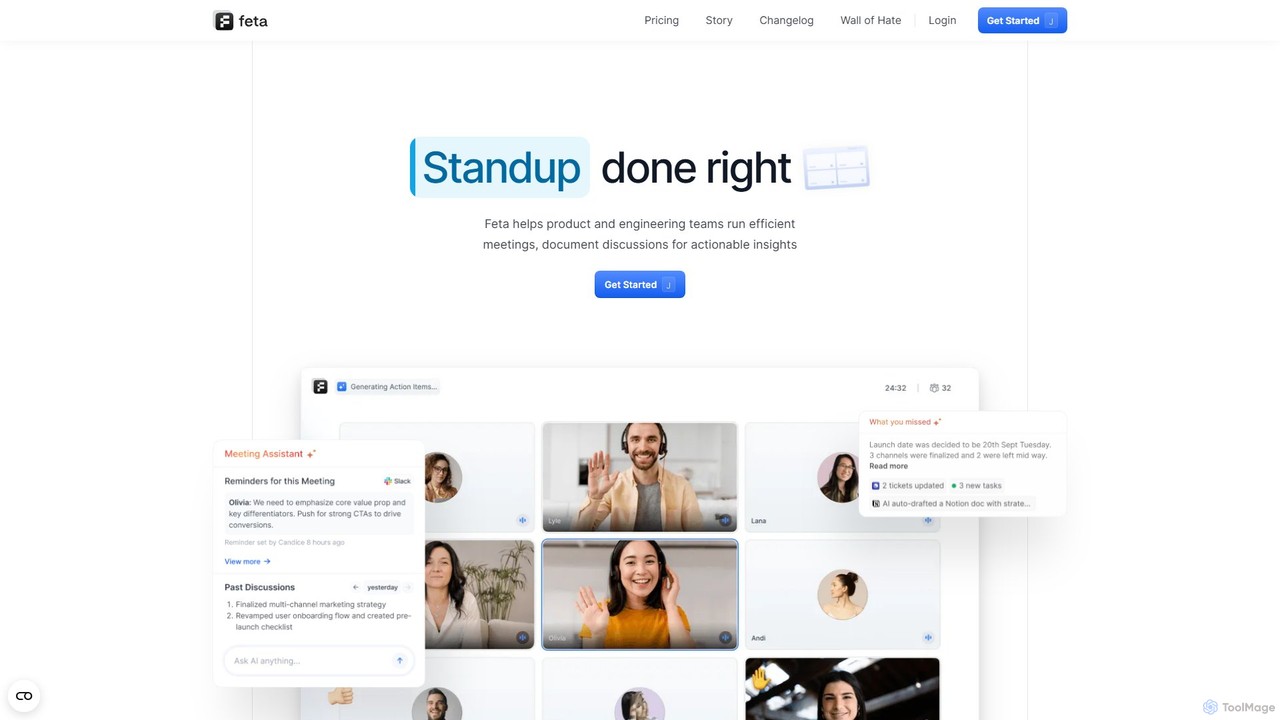
Feta

Feta

Feta is an AI-powered meeting assistant designed to enhance agile team meetings like stand-ups, retrospectives, and syncs. It …

2.1K
Free
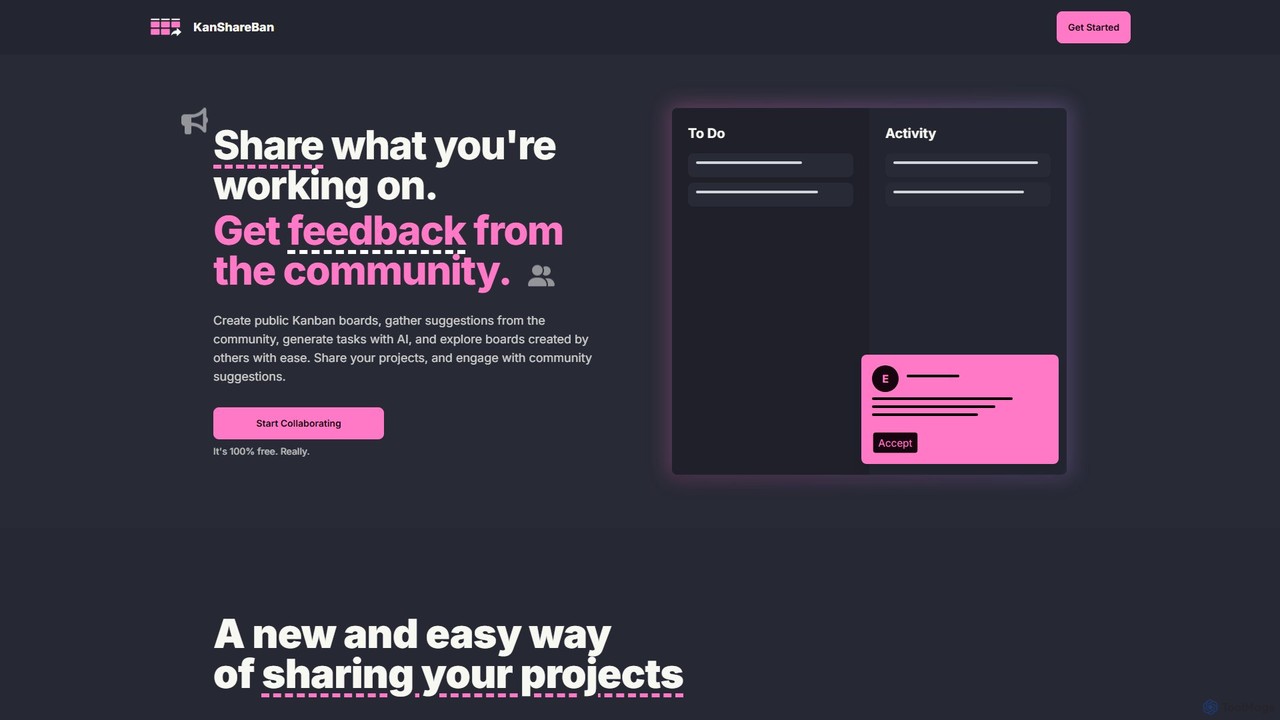
KanShareBan

KanShareBan

A collaborative platform that combines public Kanban boards with AI-powered task generation. Share your projects, get valuable feedback …

2.0K

About Task Management

Task Management tools are specialized AI-powered platforms designed to help individuals and teams plan, organize, track, and execute tasks efficiently. As a crucial component within developer tools, these systems leverage AI to automate routine actions, provide intelligent insights into project progress, and optimize workflow. They enable seamless collaboration, ensure accountability, and streamline complex development cycles from ideation to deployment, enhancing overall productivity and project visibility.

Core Features

  • Intelligent Task Prioritization: AI algorithms analyze deadlines, dependencies, and resource availability to suggest optimal task sequences.
  • Automated Workflow Creation: Automatically generate and assign tasks based on predefined triggers or project templates, reducing manual setup.
  • Predictive Analytics: Forecast project completion times and identify potential bottlenecks by analyzing historical data and current progress.
  • Natural Language Processing (NLP): Allow users to create, update, and query tasks using conversational language, simplifying interaction.
  • Cross-Platform Integration: Seamlessly connect with version control systems, communication platforms, and other developer tools for a unified workflow.

Applicable Scenarios

Software development teams utilize these tools for agile sprint planning, bug tracking, and managing feature development pipelines. Project managers in IT departments leverage them to oversee complex software projects, ensuring timely delivery and resource allocation. Individual developers also use them to organize personal coding tasks, manage learning paths, and track progress on side projects.

How to Choose

When selecting a Task Management tool, consider its integration capabilities with existing developer ecosystems (e.g., GitHub, Jira). Evaluate the level of AI assistance offered, such as automated prioritization or predictive analytics, and ensure it aligns with your team's needs. Assess scalability for future growth and compare pricing models based on user count or feature sets. Finally, prioritize user-friendly interfaces and robust reporting features for clear project oversight.

Task ManagementUse Cases

1

Optimizing Agile Sprint Planning

For software development teams, AI Task Management tools streamline agile sprint planning. Project managers can input user stories and epics, and the AI suggests optimal task breakdowns, estimates effort, assigns tasks based on team member availability and skill sets. This reduces planning time by up to 30% and ensures a balanced workload across the team, leading to more predictable sprint outcomes.

2

Automating Bug Tracking and Resolution

QA engineers and developers use these tools to automate the lifecycle of bug reports. When a bug is logged, the AI can automatically categorize it, assign it to the most relevant developer based on code ownership or past fixes, and even suggest potential solutions by analyzing similar historical issues. This accelerates bug resolution, minimizing downtime and improving software quality.

3

Coordinating Feature Development Across Teams

Product managers overseeing complex features that span multiple development teams (frontend, backend, mobile) rely on AI Task Management. The tools provide a centralized view of all related tasks, highlight inter-team dependencies, and alert managers to potential delays. This ensures synchronized efforts and a smoother, more efficient feature release process.

4

Personalized Developer Workflow Management

Individual developers leverage AI task managers to organize their daily coding tasks, learning objectives, and personal projects. The AI can prioritize tasks based on deadlines and dependencies, remind them of upcoming commitments, and even suggest relevant resources or documentation for specific coding challenges, boosting personal productivity and focus.

5

Predictive Project Timeline Management

For IT project leads, these tools offer predictive analytics to manage project timelines. By continuously analyzing task completion rates, resource utilization, and potential risks, the AI can forecast project completion dates with higher accuracy. It proactively identifies tasks that are falling behind schedule and suggests adjustments, helping to prevent costly delays.

6

Streamlining Client Project Delivery for Agencies

Development agencies use AI Task Management to manage multiple client projects simultaneously. The tools help allocate developer resources across projects, track client-specific requirements, and provide transparent progress updates to stakeholders. This ensures projects stay on budget and on schedule, improving client satisfaction and agency efficiency.

Task ManagementFrequently Asked Questions