ToolMage
Sign in

Best 396 E Commerce AI tools

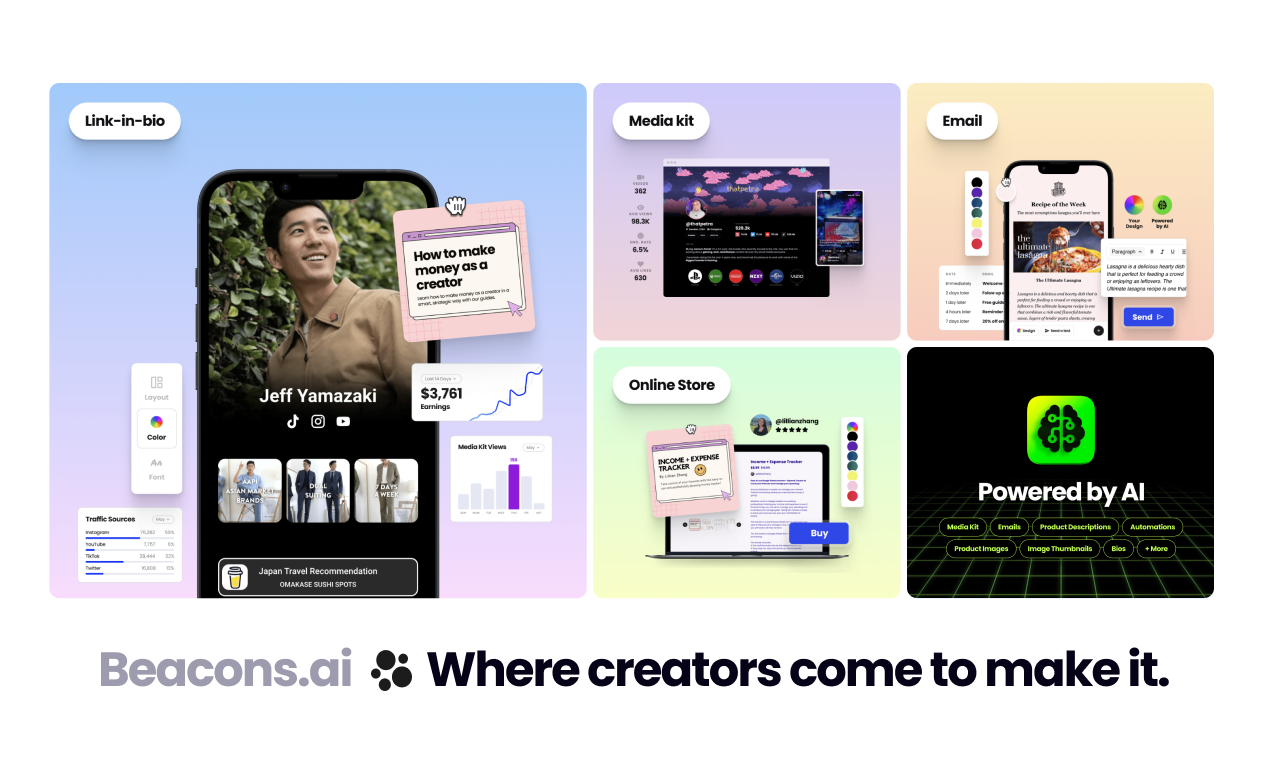
Popular E Commerce AI tools include remove.bg, Beacons, Photoroom, Klaviyo, ezremove, Jimdo, PicWish, Bookmark, Booth.ai, and Gorgias, helping you work more efficiently.

Bookmark
Freemium

Bookmark

Bookmark is an AI-powered website builder that uses its design assistant, AiDA, to create professional, fully-functional websites in minutes. Users answer a few questions, and AiDA generates a unique website with relevant content and images, which can then be customized with a drag-and-drop editor.

Store Builder
Visits 3.5MFavorites 105Likes 123
OpenWidget
Free

OpenWidget

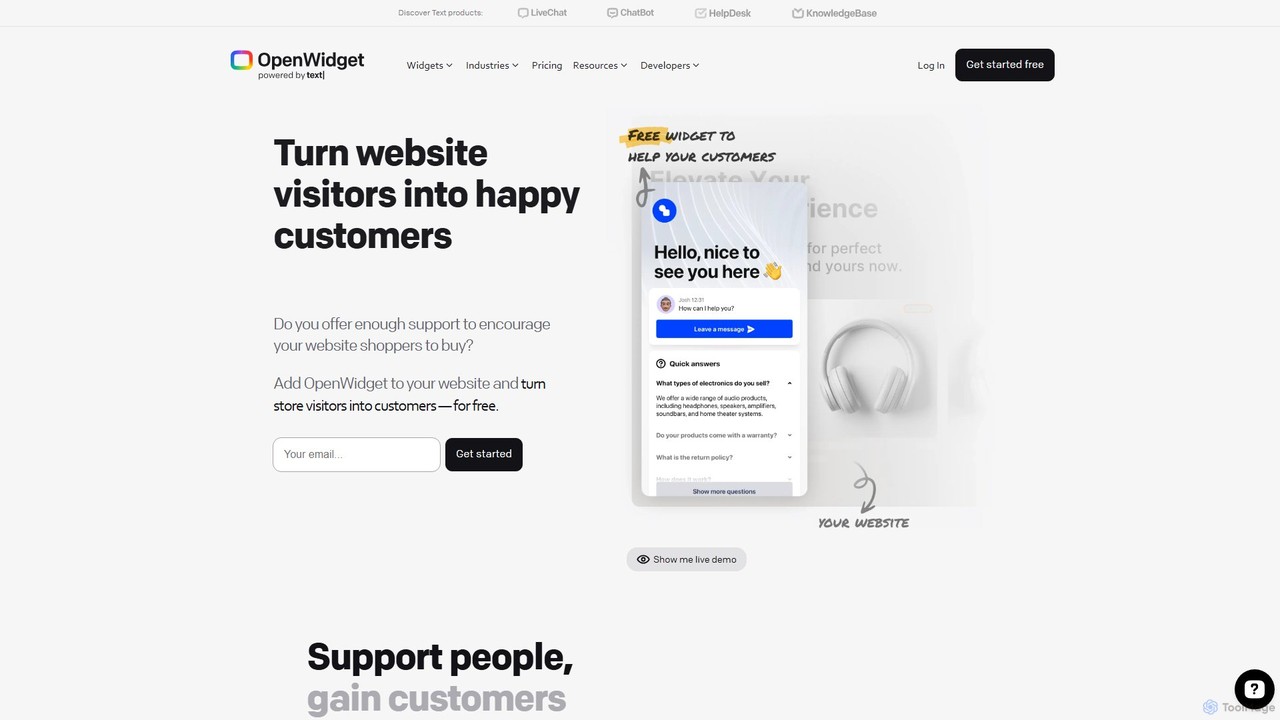
OpenWidget is a free suite of website widgets designed to enhance customer relations and boost sales. It offers various tools, including contact forms, AI product recommendations, FAQ templates, and chat integrations, all easily installable on any website. Powered by simplicity and AI, it helps businesses turn visitors into loyal customers without any cost.

Live Chat
Visits 58.8KFavorites 145Likes 138
Jimdo
Freemium

Jimdo

Jimdo is an intuitive website builder designed for small businesses, freelancers, and entrepreneurs. It uses AI-powered technology to help users create professional websites, online stores, or portfolios in minutes without any coding knowledge. Featuring customizable templates, integrated SEO tools, and e-commerce functionality, Jimdo simplifies the process of building a strong online presence, allowing business owners to focus on growth.

Online Store Builder
Visits 4.1MFavorites 146Likes 154
Kintsugi
Freemium

Kintsugi

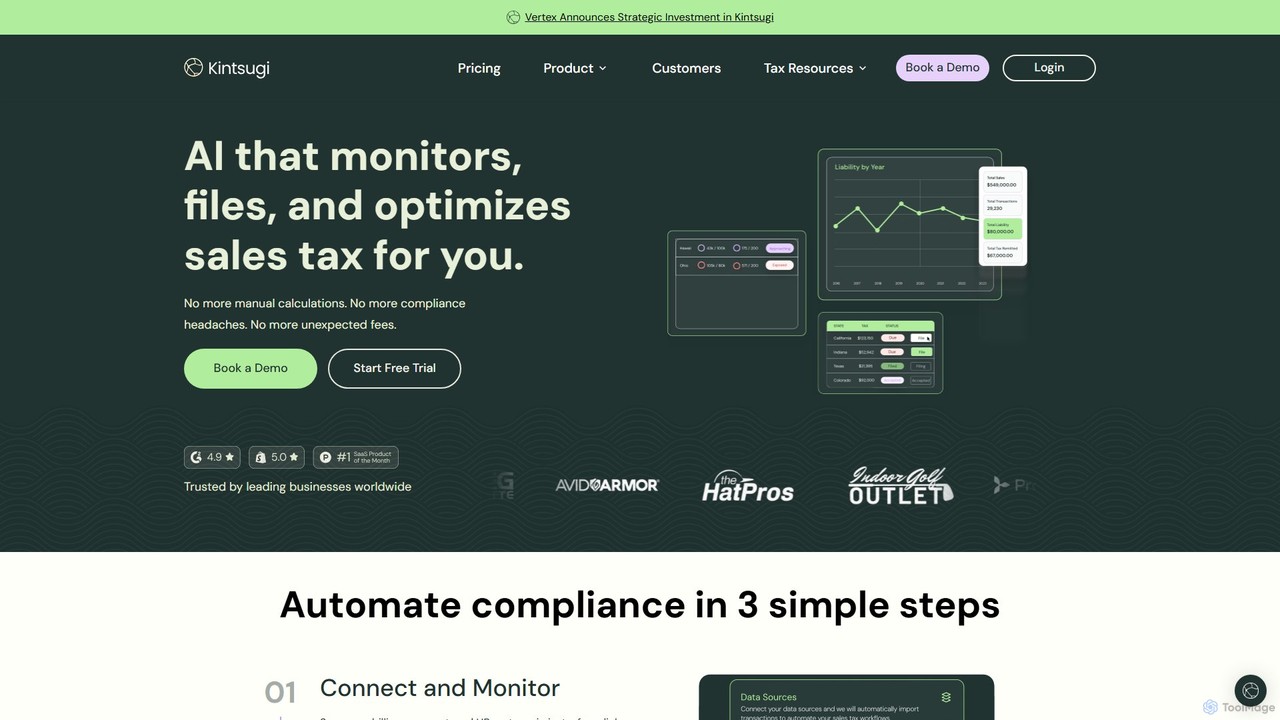
Kintsugi is an AI-powered platform that automates global sales tax compliance. It monitors transactions, manages nexus tracking, calculates taxes, and handles filing and remittance, integrating seamlessly with e-commerce, billing, and HR systems to simplify tax management for businesses of all sizes.

Automation
Visits 36.5KFavorites 132Likes 127
Squirai
Freemium

Squirai

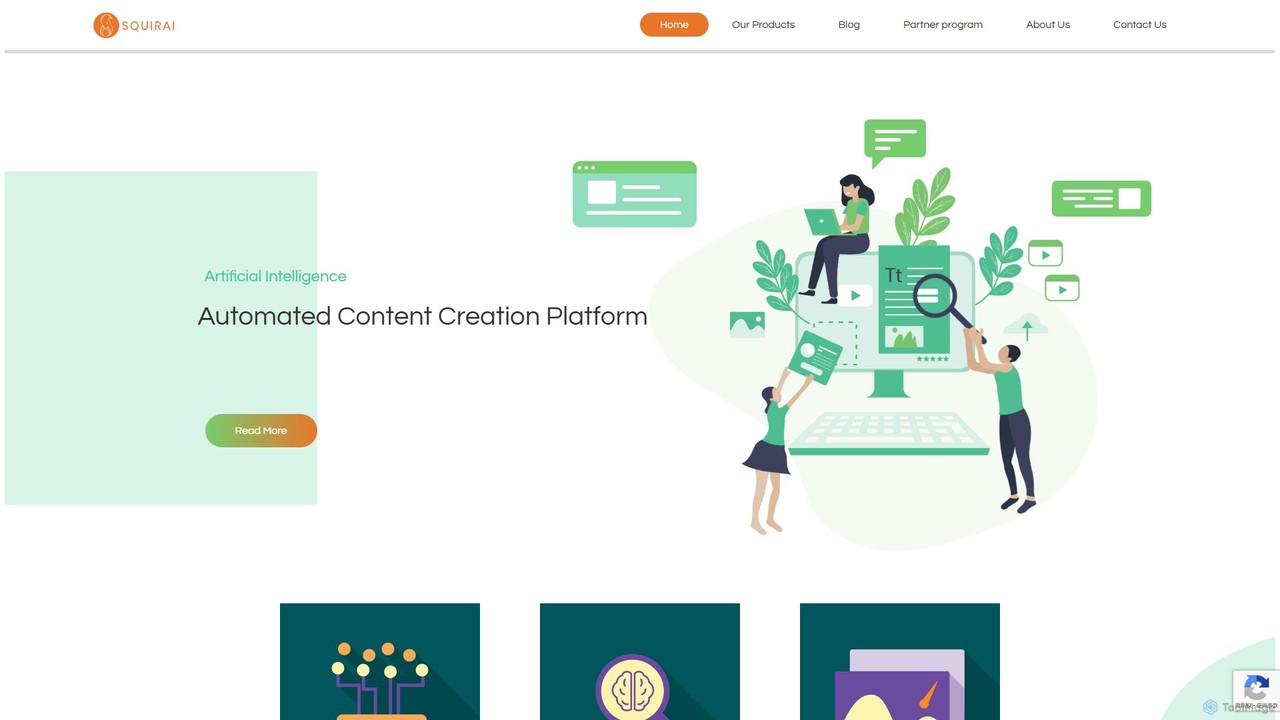
Squirai is an AI-powered content creation platform designed for e-commerce, particularly Shopify merchants. It automates the generation of SEO-optimized product descriptions, enhances website SEO, and optimizes product images to boost sales and online visibility.

Product Descriptions
Visits 7.5KFavorites 128Likes 145
Gadget
Freemium

Gadget

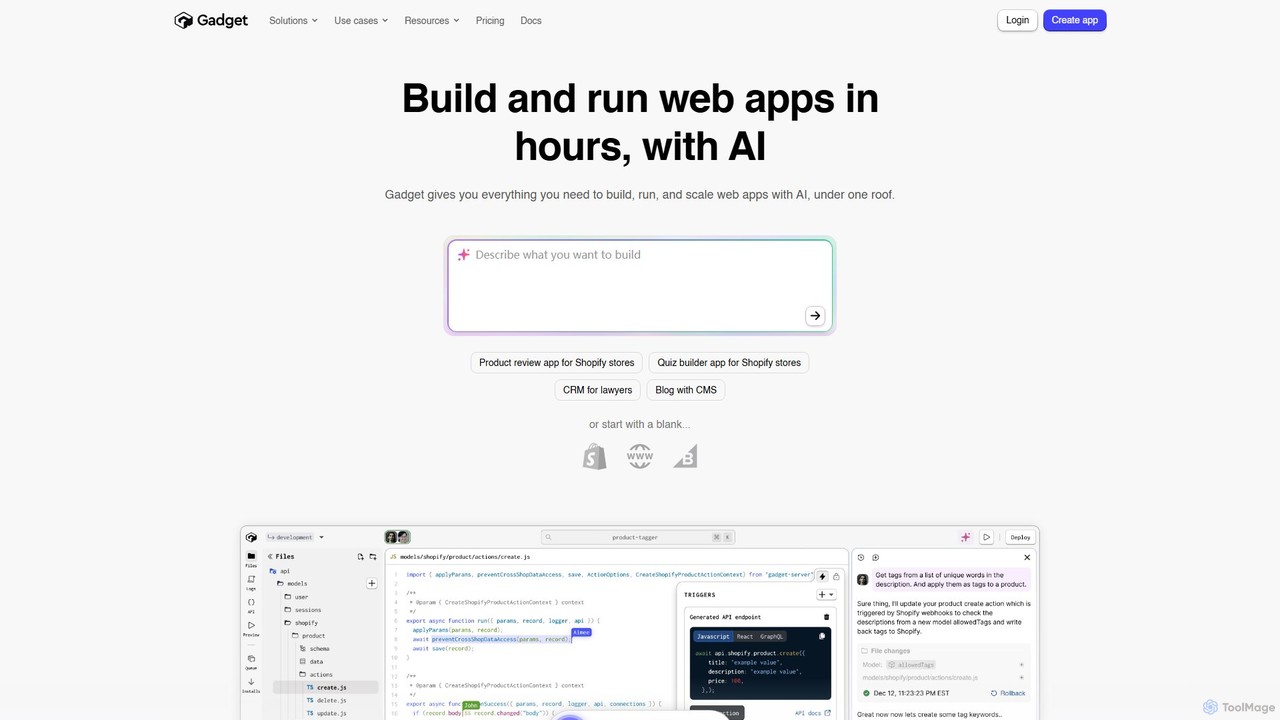
Gadget is an all-in-one, serverless development platform designed to accelerate full-stack web application development, especially for the Shopify ecosystem. It automates backend infrastructure, including databases, APIs, and authentication, allowing developers to build and launch scalable apps, like Shopify apps, significantly faster. An integrated AI assistant further streamlines the coding process.

Backend
Visits 53.4KFavorites 132Likes 128
Vexels
Freemium

Vexels

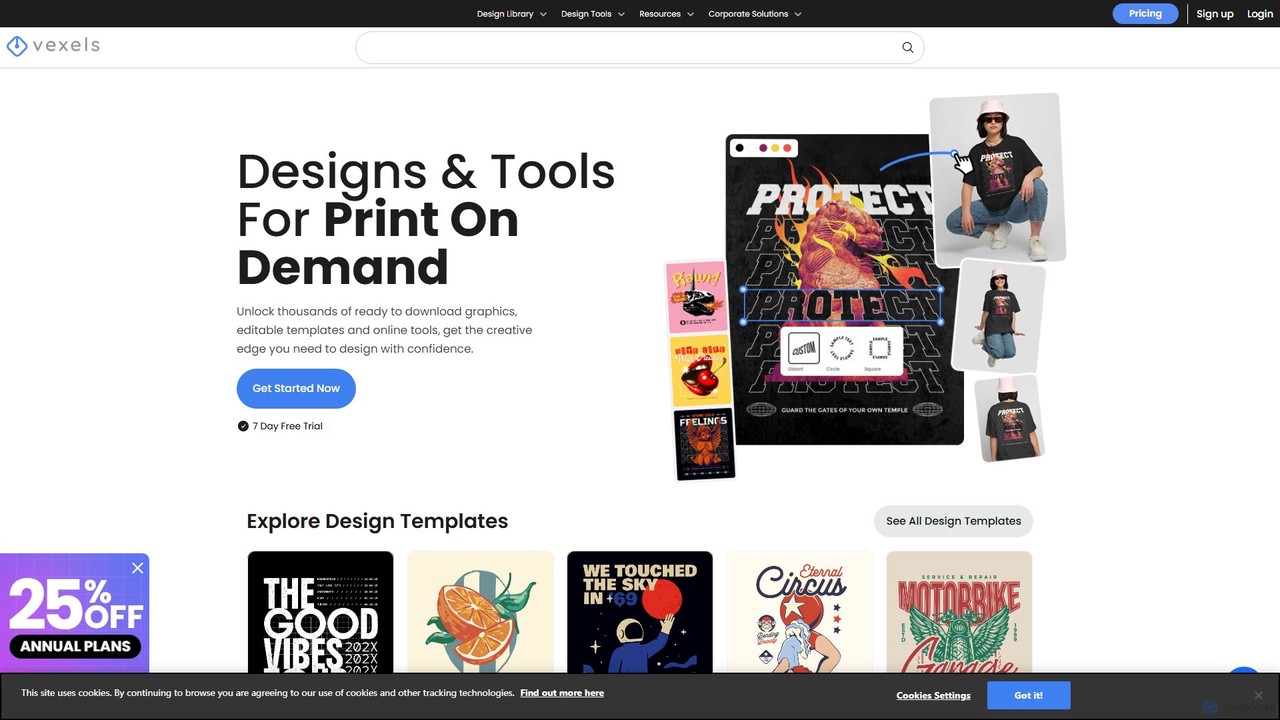
Vexels is an all-in-one design platform for print-on-demand (POD) businesses. It provides a massive library of ready-to-use graphics, editable templates, and a suite of powerful online tools, including an AI Design Generator, T-Shirt Maker, and Mockup Generator, to help users create and sell professional merchandise with ease.

Image Generation
Visits 762.8KFavorites 152Likes 167
smartwebi
Freemium

smartwebi

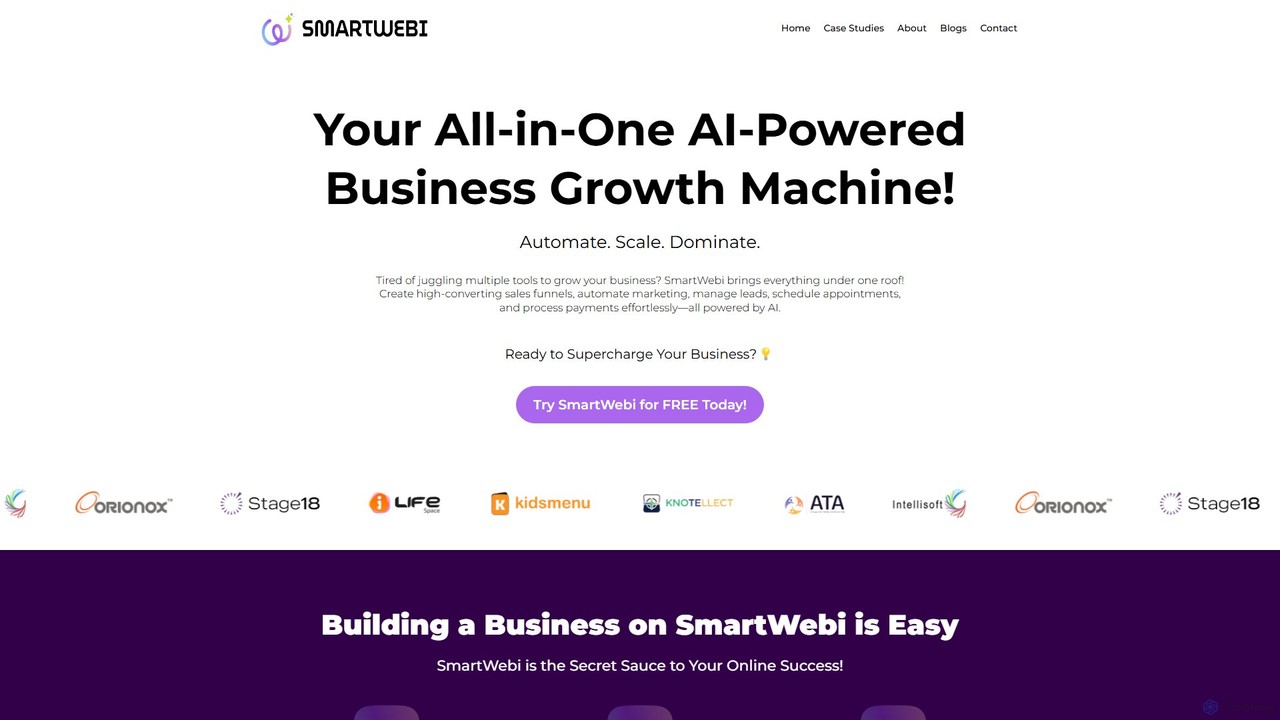
smartwebi is an all-in-one, AI-powered business growth platform designed to automate marketing, build sales funnels, manage customer relationships, and sell products. It integrates websites, CRM, e-commerce, and automation tools into a single dashboard, helping businesses scale efficiently without juggling multiple applications.

Crm
Visits 6.3KFavorites 112Likes 123
Made By AI
Freemium

Made By AI

Made By AI is a free AI image generator that transforms your text prompts into stunning, high-quality images. It uniquely integrates a print-on-demand service, allowing you to instantly order your creations on merchandise like t-shirts and hats. Features include image upscaling, background removal, and various art styles.

Image Generation
Visits 7.3KFavorites 159Likes 149
Underline.AI
Freemium

Underline.AI

Underline.AI is an all-in-one AI creative marketer platform designed to streamline your entire online presence. It generates high-quality, SEO-optimized content for blogs, websites, social media, and ads. With deep Shopify integration, customizable brand voices, and a handy Chrome extension, it helps businesses, marketers, and agencies create consistent, compelling content effortlessly, from research to results.

Product Descriptions
Visits 5.6KFavorites 124Likes 140
bgremover
Freemium

bgremover

bgremover by Stockphotos.com is an AI-powered tool that automatically removes backgrounds from images in seconds. Simply upload your image to get a clean, transparent PNG. It's ideal for e-commerce, marketing, and creative projects, offering high-precision results for people, products, and graphics. It provides a free trial and flexible pay-as-you-go plans.

Editing
Visits 14.1KFavorites 153Likes 139
Customily
Paid

Customily

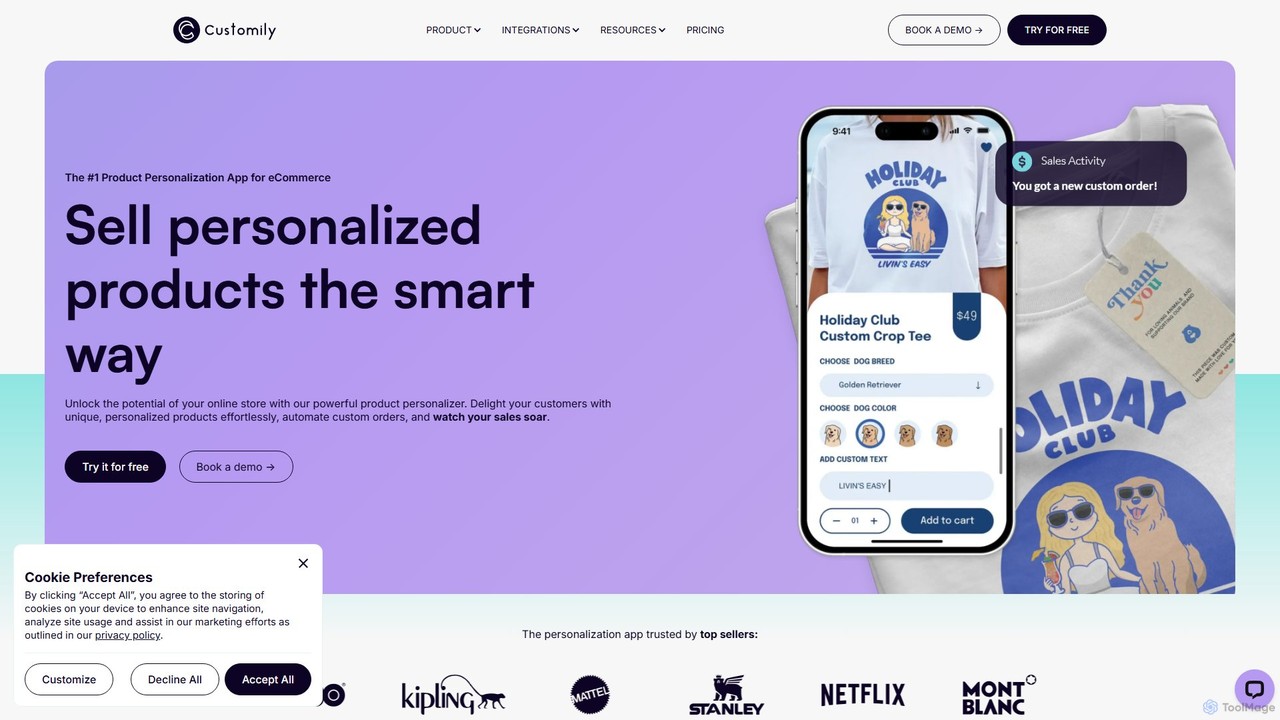
Customily is a leading product personalization software for e-commerce businesses. It allows online stores to offer customers advanced customization options with live previews, automating the creation of print-ready files to streamline fulfillment and boost sales.

Product Design
Visits 193.3KFavorites 142Likes 133

About E Commerce

E Commerce AI tools are a category of software solutions that leverage artificial intelligence to automate and optimize online retail operations. These tools utilize technologies like machine learning, natural language processing (NLP), and predictive analytics to analyze customer data and streamline processes. Their primary value lies in enhancing the customer experience, increasing sales conversions, and improving operational efficiency. By automating repetitive tasks and providing data-driven insights, they empower online businesses to make smarter decisions and compete more effectively.

Core Features

  • Personalized Recommendations: Analyzes user behavior and purchase history to suggest relevant products, increasing cross-selling and up-selling opportunities.
  • Customer Service Automation: Deploys AI-powered chatbots and virtual assistants to handle customer inquiries, track orders, and provide 24/7 support.
  • Dynamic Pricing: Automatically adjusts product prices based on real-time market demand, competitor pricing, and inventory levels to maximize revenue.
  • Inventory Forecasting: Uses predictive analytics to forecast product demand, helping to optimize stock levels and prevent stockouts or overstocking.
  • Fraud Detection: Identifies and flags suspicious transaction patterns in real-time to minimize financial losses from fraudulent activities.

Use Cases

These tools are widely used by online retailers of all sizes, from small businesses on platforms like Shopify to large enterprise marketplaces. Key users include e-commerce managers seeking to optimize store performance, marketing teams aiming to personalize campaigns, and operations specialists focused on supply chain efficiency. They are applicable across various sectors, including fashion, electronics, and consumer goods.

How to Choose

When selecting an E Commerce AI tool, consider its integration capabilities with your existing platform (e.g., Shopify, Magento, WooCommerce). Evaluate the specific features offered and ensure they align with your primary business goals, whether it's improving customer support or optimizing pricing. Assess the tool's scalability to handle your business growth and consider the level of technical expertise required for implementation and management.

Featured tool rankings

E Commerce use cases

1

Generate SEO-Friendly Product Descriptions

An e-commerce manager responsible for a catalog with thousands of products uses an AI tool to automate description writing. By inputting key product attributes like material, dimensions, and features, the AI generates unique, engaging, and SEO-optimized descriptions for each item in multiple languages. This process reduces the time spent on manual content creation from weeks to hours, ensures brand voice consistency, and improves product visibility on search engines, leading to increased organic traffic.

2

Create Personalized Email Marketing Campaigns

A marketing specialist uses an AI platform to analyze customer segments based on past purchases, browsing behavior, and cart abandonment data. The tool automatically generates personalized email content, including tailored product recommendations and subject lines. This allows the specialist to launch highly targeted campaigns at scale, resulting in significantly higher open rates, click-through rates, and ultimately, increased sales revenue compared to generic email blasts.

3

Provide 24/7 AI-Powered Customer Support

An online store owner implements an AI chatbot on their website to handle customer service. The chatbot is trained on the store's FAQ and product data, allowing it to instantly answer common questions like 'Where is my order?' or 'What is your return policy?'. It can also guide users to products and escalate complex issues to human agents. This provides immediate, round-the-clock support, improving customer satisfaction and freeing up the support team to focus on high-value interactions.

4

Optimize Product Pricing Dynamically

A category manager for a large online retailer uses a dynamic pricing tool to stay competitive. The AI continuously monitors competitor prices, market demand, inventory levels, and even factors like time of day. Based on this data, it automatically adjusts the prices of thousands of products to maximize profit margins without sacrificing sales volume. This replaces manual, time-consuming price checks and allows the business to react instantly to market changes.

5

Enable Visual Search for Product Discovery

A fashion e-commerce brand integrates an AI visual search tool into its website and mobile app. A customer can upload a photo of an outfit they saw on social media, and the AI instantly analyzes the image to find similar dresses, shoes, and accessories in the store's catalog. This creates an intuitive, 'search by photo' shopping experience that reduces friction in the discovery process, improves conversion rates, and helps customers find exactly what they are looking for without needing keywords.

6

Forecast Inventory Demand Accurately

An operations manager for an online electronics store uses an AI forecasting tool to optimize inventory. The system analyzes historical sales data, seasonality, promotional calendars, and market trends to predict future demand for each product. This allows the manager to make data-driven decisions on when and how much to reorder, preventing costly stockouts of popular items and reducing capital tied up in slow-moving inventory. The result is an improved supply chain and better cash flow management.

E Commerce FAQ

What are AI E-commerce tools?

AI E-commerce tools are software applications that use artificial intelligence to enhance and automate various aspects of online retail. They leverage technologies like machine learning and natural language processing to perform tasks such as personalizing product recommendations, automating customer service with chatbots, optimizing pricing, and forecasting inventory. The primary goal is to create a more efficient, personalized, and profitable shopping experience for both the business and the customer.

How do I choose the right AI tool for my e-commerce business?

To choose the right tool, first identify your primary goal (e.g., increase sales, reduce support costs). Then, consider these factors:

  • Integration: Ensure the tool integrates smoothly with your e-commerce platform (like Shopify, WooCommerce, or Magento).
  • Features: Match the tool's features to your specific needs. Do you need a recommendation engine, a chatbot, or a pricing optimizer?
  • Scalability: Select a tool that can grow with your business traffic and product catalog.
  • Ease of Use: Evaluate how much technical expertise is needed. Many tools offer no-code solutions, while others may require developer support.
What are the main benefits of using AI in e-commerce?

The main benefits include:

  • Enhanced Customer Experience: AI delivers personalized recommendations, 24/7 support via chatbots, and intuitive search functions, making shopping easier and more enjoyable.
  • Increased Sales and Revenue: Through personalization, dynamic pricing, and optimized marketing, AI helps convert more visitors into customers and increases average order value.
  • Improved Operational Efficiency: AI automates repetitive tasks like writing product descriptions, managing inventory, and detecting fraud, freeing up human resources for strategic work.
  • Data-Driven Insights: AI tools analyze vast amounts of data to provide predictive insights on customer behavior and market trends, enabling smarter business decisions.
Are AI e-commerce tools difficult to implement?

The implementation difficulty varies. Many modern AI tools are designed for non-technical users, offering simple plugins or one-click integrations for popular platforms like Shopify and WooCommerce. These can often be set up in minutes. However, more advanced or custom enterprise-level solutions may require collaboration with developers for API integration and data synchronization. It's best to check the specific requirements of a tool before committing.

What specific tasks can AI automate in an online store?

AI can automate a wide range of tasks in an online store, including:

  • Content Creation: Generating unique product descriptions, titles, and marketing copy.
  • Customer Support: Answering frequently asked questions and handling order inquiries 24/7 via chatbots.
  • Personalization: Displaying personalized product recommendations and search results for each visitor.
  • Pricing and Promotions: Adjusting prices dynamically based on market data and identifying optimal discount strategies.
  • Security: Detecting and blocking fraudulent transactions in real-time.