Tresl
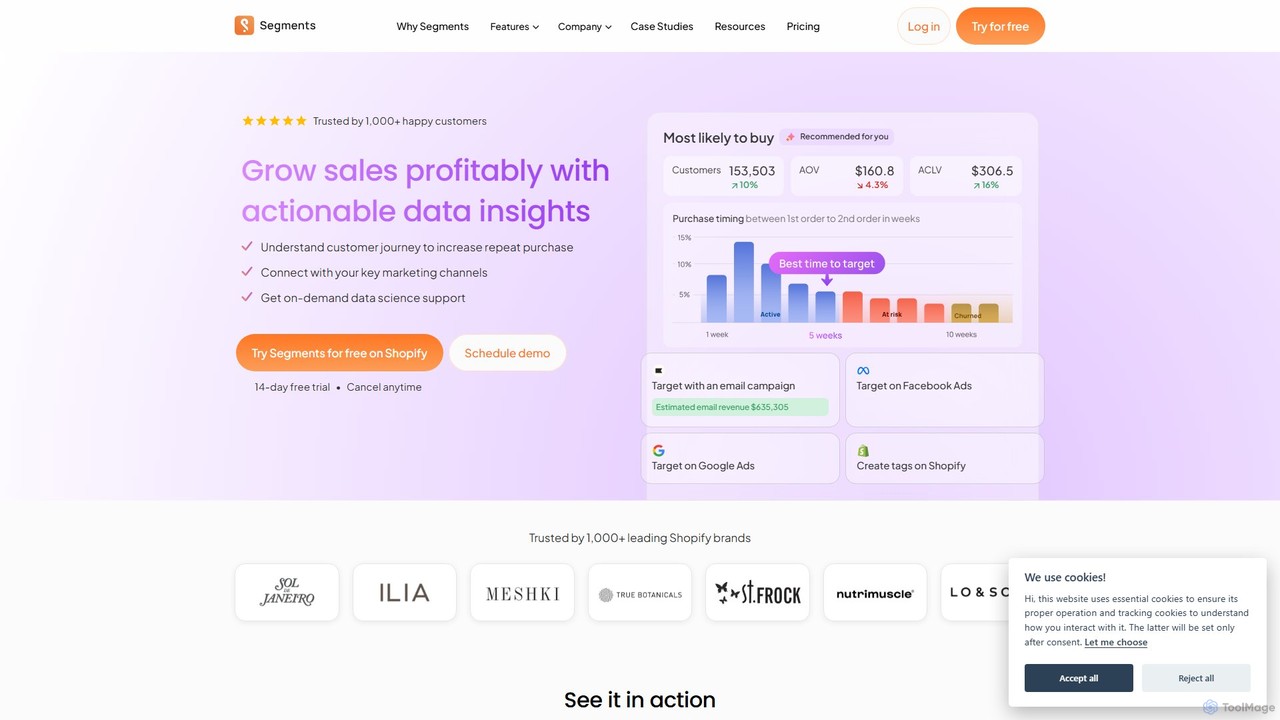
Tresl is an AI-powered customer segmentation and analytics platform for Shopify stores. It uses natural language processing (SegmentsGPT …
Tresl is an AI-powered customer segmentation and analytics platform for Shopify stores. It uses natural language processing (SegmentsGPT & ReportGPT) to help marketers create hyper-targeted customer segments, uncover deep insights, and sync audiences across marketing channels like Klaviyo, Meta, and Google to boost retention and ROI.
ChatKPI
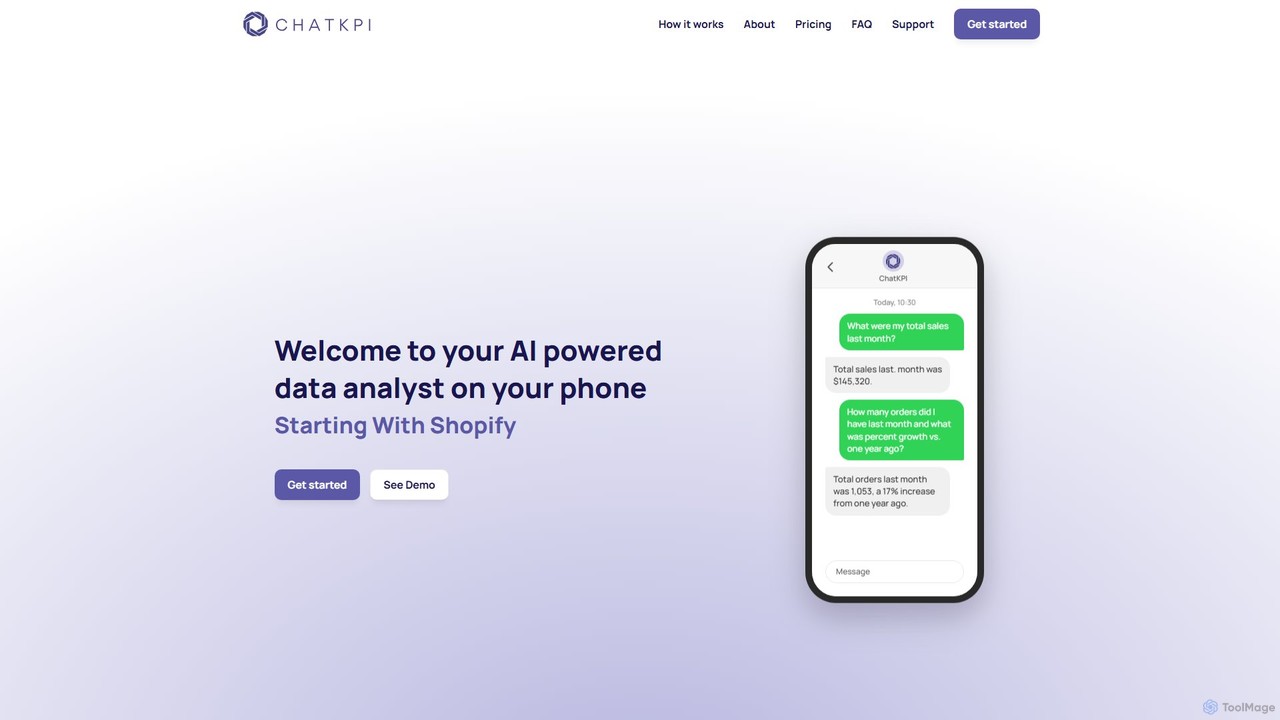
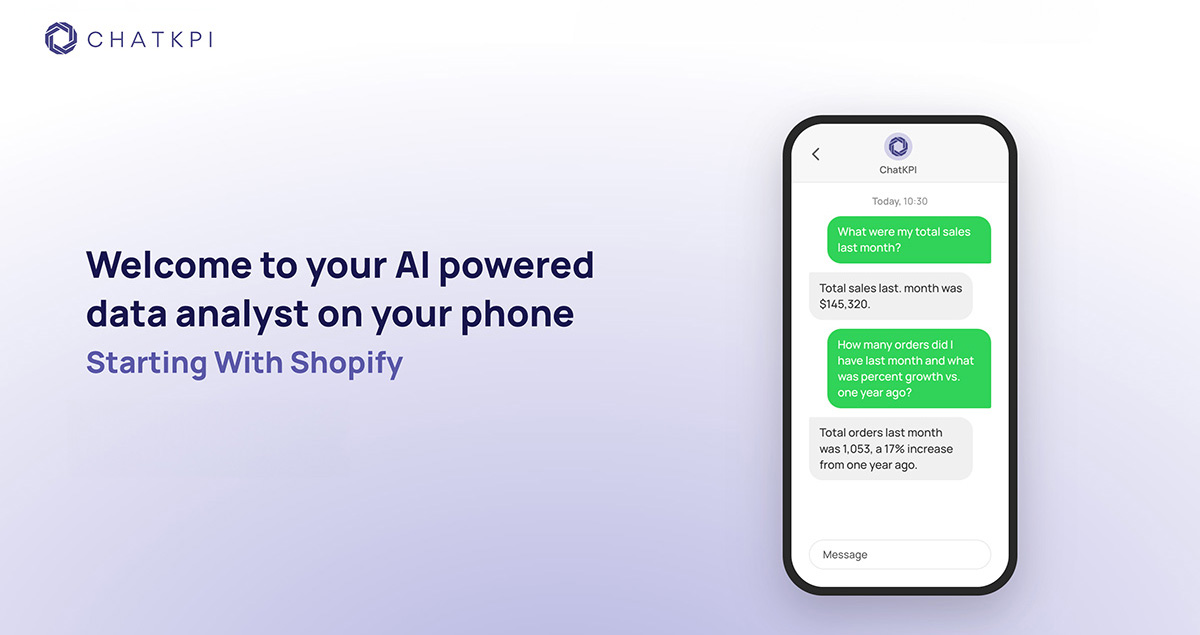
ChatKPI is an AI-powered data analyst for Shopify stores. It allows business owners to get real-time metrics and …
ChatKPI is an AI-powered data analyst for Shopify stores. It allows business owners to get real-time metrics and insights about sales, products, and customers simply by sending a text message. Ask questions in natural language and receive instant, easy-to-understand answers, graphs, and reports.
About Analytics
AI Analytics tools for Ecommerce are specialized platforms that leverage artificial intelligence and machine learning to process vast amounts of online retail data. These tools go beyond traditional descriptive reporting, offering advanced capabilities like predictive modeling, prescriptive insights, and automated anomaly detection. They empower ecommerce businesses to understand customer behavior, optimize operations, personalize experiences, and make data-driven decisions to drive growth and profitability. By transforming raw data into actionable intelligence, AI analytics helps retailers stay competitive in a dynamic market.
Core Features
- Sales Trend Prediction: Forecasts future sales based on historical data, seasonality, and market trends to optimize inventory and marketing.
- Customer Behavior Analysis: Identifies purchasing patterns, browsing habits, and engagement metrics to segment customers and personalize offers.
- Inventory Optimization: Recommends optimal stock levels, identifies slow-moving items, and predicts demand fluctuations to minimize carrying costs and stockouts.
- Marketing Campaign Performance: Evaluates the effectiveness of various marketing channels and campaigns, attributing conversions and optimizing ad spend.
- Dynamic Pricing Strategy: Adjusts product prices in real-time based on demand, competitor pricing, and inventory levels to maximize revenue.
Use Cases
Ecommerce businesses utilize AI analytics to gain a competitive edge. For instance, online retailers employ these tools to predict peak shopping seasons, allowing them to proactively adjust staffing, inventory, and promotional strategies. They also use AI to identify high-value customer segments for targeted loyalty programs, enhancing customer lifetime value.
How to Choose
When selecting an AI analytics tool for ecommerce, consider its integration capabilities with existing platforms (CRM, ERP, marketing automation), the depth of its predictive and prescriptive insights, and the clarity of its data visualization. Evaluate its scalability to handle growing data volumes, the ease of use for non-technical users, and its compliance with data privacy regulations like GDPR or CCPA.
AnalyticsUse Cases
Predictive Sales Forecasting for Inventory Management
An ecommerce operations manager utilizes AI analytics to forecast sales for the upcoming quarter, considering historical data, seasonal trends, and external market indicators. By accurately predicting demand for specific products, they can optimize inventory levels, reducing carrying costs and preventing stockouts. This proactive approach ensures products are available when customers want them, minimizing lost sales opportunities and improving supply chain efficiency.
Personalized Product Recommendations
An online retailer employs AI analytics to analyze individual customer browsing history, purchase patterns, and demographic data. The AI then generates highly personalized product recommendations on the website, in emails, and through ads. This significantly enhances the customer shopping experience, leading to higher conversion rates, increased average order value, and improved customer loyalty by presenting relevant items at the right time.
Customer Churn Prediction and Retention
A subscription-based ecommerce business uses AI analytics to identify customers at high risk of churning. By analyzing factors like reduced engagement, decreased purchase frequency, or negative feedback, the AI flags these customers. The marketing team can then implement targeted retention strategies, such as personalized offers, proactive customer service outreach, or exclusive content, significantly reducing churn rates and preserving customer lifetime value.
Optimizing Marketing Campaign Performance
An ecommerce marketing team leverages AI analytics to track the real-time performance of various digital marketing campaigns across different channels (social media, email, paid ads). The AI identifies which campaigns and channels are driving the most conversions and highest ROI, and suggests budget reallocations. This allows marketers to optimize their spending, refine targeting, and improve overall campaign effectiveness, leading to more efficient customer acquisition.
Dynamic Pricing for Competitive Advantage
An ecommerce platform employs AI analytics to implement dynamic pricing strategies. The AI continuously monitors competitor pricing, market demand fluctuations, inventory levels, and customer behavior to adjust product prices in real-time. This ensures optimal pricing that maximizes profit margins while remaining competitive, allowing the business to respond instantly to market changes and capture more sales opportunities.
Fraud Detection and Prevention
Ecommerce security teams deploy AI analytics to detect and prevent fraudulent transactions. The AI analyzes vast amounts of transaction data, user behavior patterns, and device fingerprints to identify anomalies indicative of fraud, such as unusual purchase amounts, suspicious shipping addresses, or rapid successive orders. This proactive detection helps minimize financial losses, protect customer data, and maintain trust in the online shopping environment.