Ecommerce Best in category 1 results Competitor Analysis AI Tool

Popular AI tools in the Competitor Analysis field of Ecommerce include PPSPY, etc., helping you quickly improve efficiency.

PPSPY

PPSPY

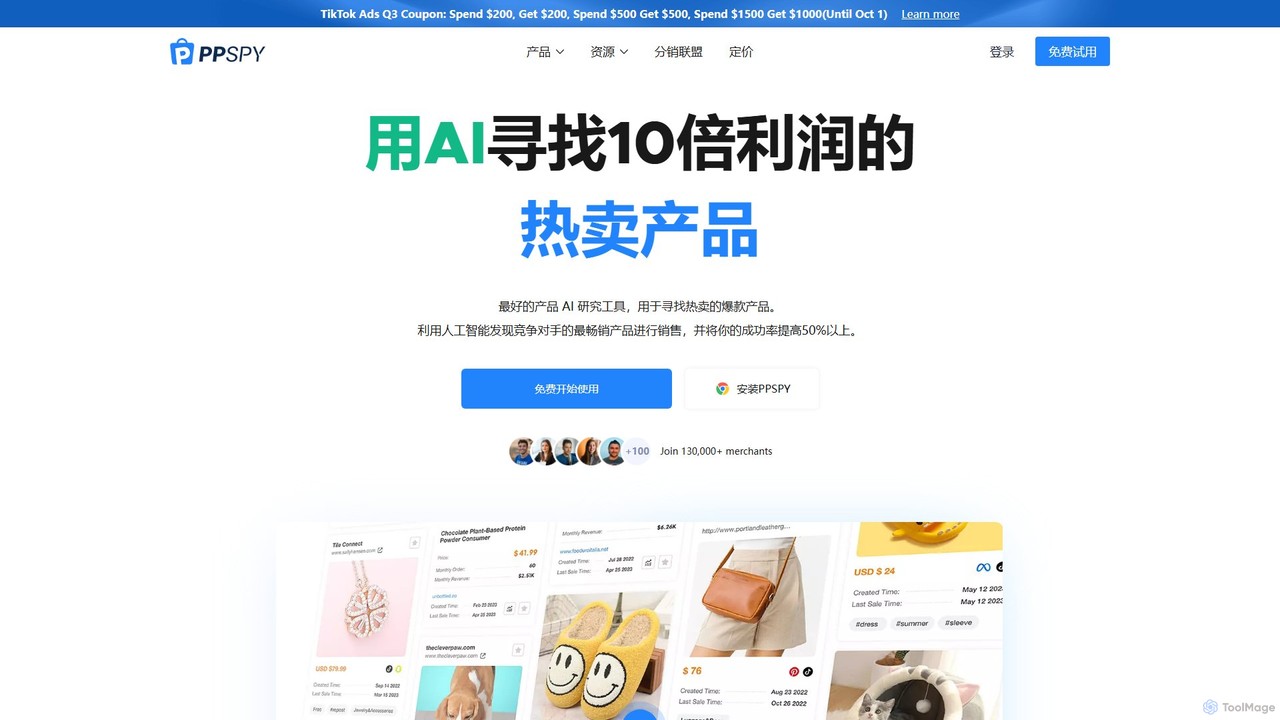
PPSPY is an AI-powered Shopify spy and data analysis platform for e-commerce merchants. It helps users discover winning …

405.7K

About Competitor Analysis

AI Competitor Analysis tools are specialized platforms designed to automatically monitor and analyze the strategies of rival ecommerce businesses. These tools leverage AI, machine learning, and data scraping to collect vast amounts of public data on pricing, product assortments, marketing campaigns, and customer sentiment. They transform this raw data into actionable insights, enabling online retailers to make informed, data-driven decisions to gain a competitive edge. By automating this intelligence gathering, businesses can react swiftly to market changes and proactively shape their strategies.

Core Features

  • Real-time Price Tracking: Continuously monitors competitor pricing, promotions, and shipping costs across thousands of SKUs.
  • Product Assortment Analysis: Tracks competitors' product catalogs, including new arrivals, best-sellers, and out-of-stock items.
  • Marketing & SEO Monitoring: Analyzes rivals' advertising campaigns, social media activities, keyword rankings, and backlink profiles.
  • Customer Review Analysis: Aggregates and analyzes customer feedback from various platforms to identify competitor strengths and weaknesses.

Use Cases

These tools are essential for ecommerce roles such as pricing managers, category managers, marketing strategists, and business owners. They are used to develop dynamic pricing strategies, identify gaps in the market for new products, benchmark marketing effectiveness, and understand consumer perception of competing brands. For instance, a retailer can use these tools to automatically adjust prices to match a competitor's flash sale or discover a trending product category to invest in.

How to Choose

When selecting an AI Competitor Analysis tool, consider the scope and accuracy of the data collected—does it cover your key competitors and regions? Evaluate its integration capabilities with your existing ecommerce platforms like Shopify or Magento. Assess the frequency of data updates (real-time vs. daily) and the quality of its analytics and reporting features. Finally, consider the tool's scalability to ensure it can grow with your business and product catalog.

Competitor AnalysisUse Cases

1

Formulating a Dynamic Pricing Strategy

An ecommerce pricing manager for an electronics retailer needs to stay competitive without sacrificing margins. They use a competitor analysis tool to continuously monitor the prices of the top 50 best-selling products across three major rivals. The tool's dashboard visualizes price changes in real-time. Based on predefined rules, such as 'maintain a price 2% lower than Competitor A but never below a 15% margin', the system suggests or automatically applies price adjustments, ensuring the retailer remains attractive to price-sensitive customers during peak shopping seasons.

2

Identifying Gaps in Product Assortment

A category manager for an online fashion store wants to expand their shoe collection. Instead of relying on intuition, they use an AI analysis tool to scan the product catalogs of four key competitors. The tool identifies 'eco-friendly vegan leather sneakers' as a top-performing category for two competitors, with high customer ratings and frequent mentions on social media. This data provides a strong business case for the manager to source and launch a similar product line, filling a gap in their own offering and capturing a growing market segment.

3

Monitoring Competitor Marketing Campaigns

A marketing team for a cosmetics brand notices a sudden spike in a competitor's social media engagement. Using a competitor analysis tool, they discover the rival has just launched a new influencer campaign on TikTok and Instagram, coupled with a '20% off' promo code. The tool provides details on the influencers involved, the content format, and audience reactions. Armed with this intelligence, the marketing team can quickly devise a counter-strategy, such as launching their own campaign with different influencers or offering a more compelling 'buy one, get one free' promotion to recapture customer attention.

4

Optimizing SEO Strategy by Analyzing Competitors

An SEO specialist for an online furniture store aims to increase organic traffic. They use a competitor analysis tool to track the keyword rankings of their top three competitors. The tool reveals a set of high-volume keywords related to 'sustainable home office furniture' where competitors rank on the first page, but their own store does not. It also analyzes the competitors' backlink profiles, showing they acquired links from popular interior design blogs. This insight allows the specialist to create targeted blog content and initiate an outreach campaign to similar blogs, directly challenging the competitors' SEO dominance in a valuable niche.

5

Improving Products by Analyzing Customer Reviews

A product manager for a company selling kitchen appliances wants to design a new coffee maker. They use a competitor analysis tool to aggregate thousands of customer reviews for the top five competing coffee makers. The AI-powered sentiment analysis feature highlights recurring complaints, such as 'the water tank is hard to clean' and 'the machine is too noisy'. It also identifies frequently praised features like 'fast brewing time'. This direct feedback allows the product manager to design a new model that specifically addresses the common pain points and incorporates the most-loved features, creating a product with a clear competitive advantage from day one.

6

Benchmarking Shipping and Promotion Policies

An operations manager for an online retailer wants to reduce cart abandonment rates, suspecting their shipping policies are a factor. They use a competitor analysis tool to systematically track the shipping fees, delivery time estimates, and return policies of five direct competitors. The analysis reveals that all major competitors offer 'free shipping on orders over $50,' while their store's threshold is $75. This data-backed insight provides a clear justification to lower their free shipping threshold, aligning with market expectations and likely improving conversion rates at checkout.

Competitor AnalysisFrequently Asked Questions