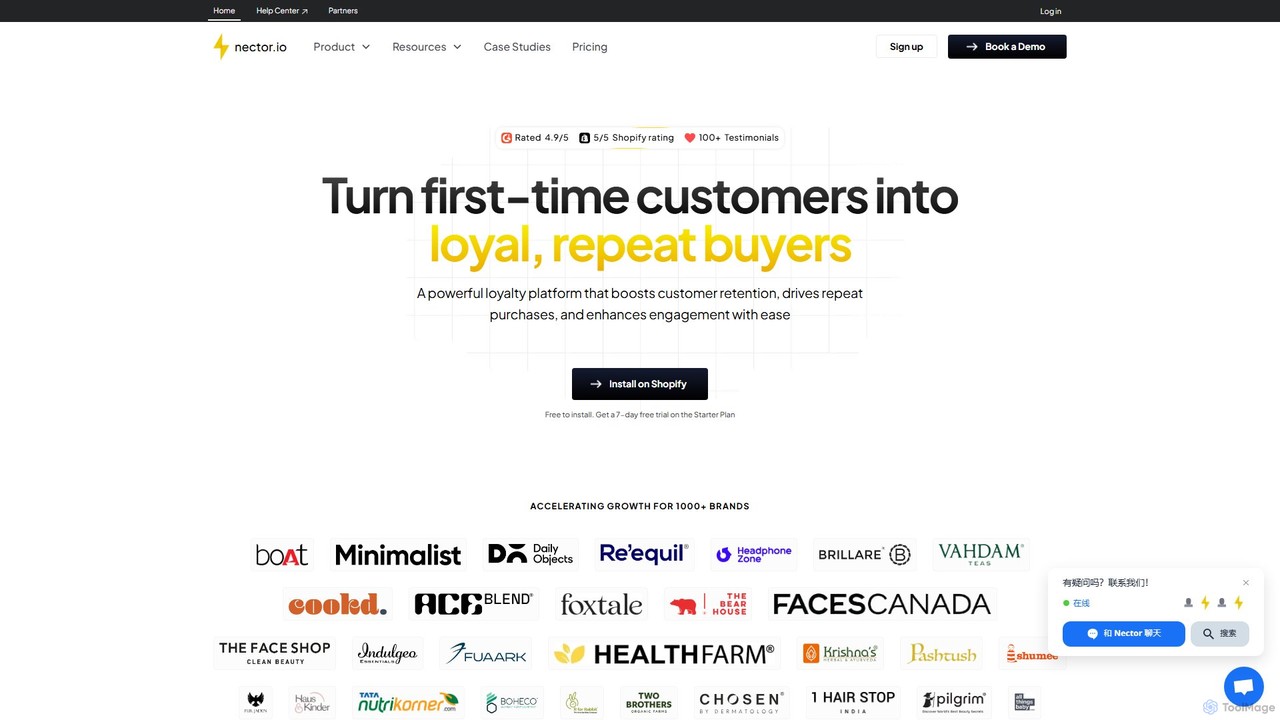
Customer Loyalty tools are AI-powered platforms designed to foster and maintain strong relationships with customers, encouraging repeat purchases and advocacy. These tools leverage data analytics, personalization, and automation to understand customer behavior, predict churn, and deliver targeted engagement strategies. They help businesses, especially in e-commerce, build lasting customer relationships, increase customer lifetime value (CLTV), and reduce acquisition costs. By automating personalized interactions and reward systems, they transform one-time buyers into loyal brand advocates.
Core Features
- Personalized Rewards Programs: Create and manage tiered loyalty programs, points systems, and exclusive offers tailored to individual customer preferences and purchase history.
- Customer Segmentation: Automatically group customers based on behavior, demographics, and engagement levels for targeted marketing and communication.
- Churn Prediction & Prevention: Utilize AI to identify customers at risk of leaving and trigger proactive re-engagement campaigns.
- Automated Engagement: Send personalized messages, birthday wishes, anniversary rewards, and post-purchase follow-ups to keep customers engaged.
- Feedback & Review Management: Collect and analyze customer feedback to improve products/services and identify loyal advocates for testimonials.
Applicable Scenarios
These tools are crucial for e-commerce retailers looking to incentivize repeat purchases and build brand communities. Subscription services use them to reduce churn by identifying at-risk subscribers and offering personalized incentives. Omnichannel brands ensure consistent loyalty experiences across online stores, mobile apps, and physical locations.
How to Choose
When selecting a Customer Loyalty tool, consider its integration capabilities with existing CRM and e-commerce platforms. Evaluate the depth of personalization it offers for segmentation and tailored rewards. Look for robust analytics and reporting features to track program performance and ROI. Finally, assess its scalability to grow with your business and handle increasing customer volumes.