Pidge
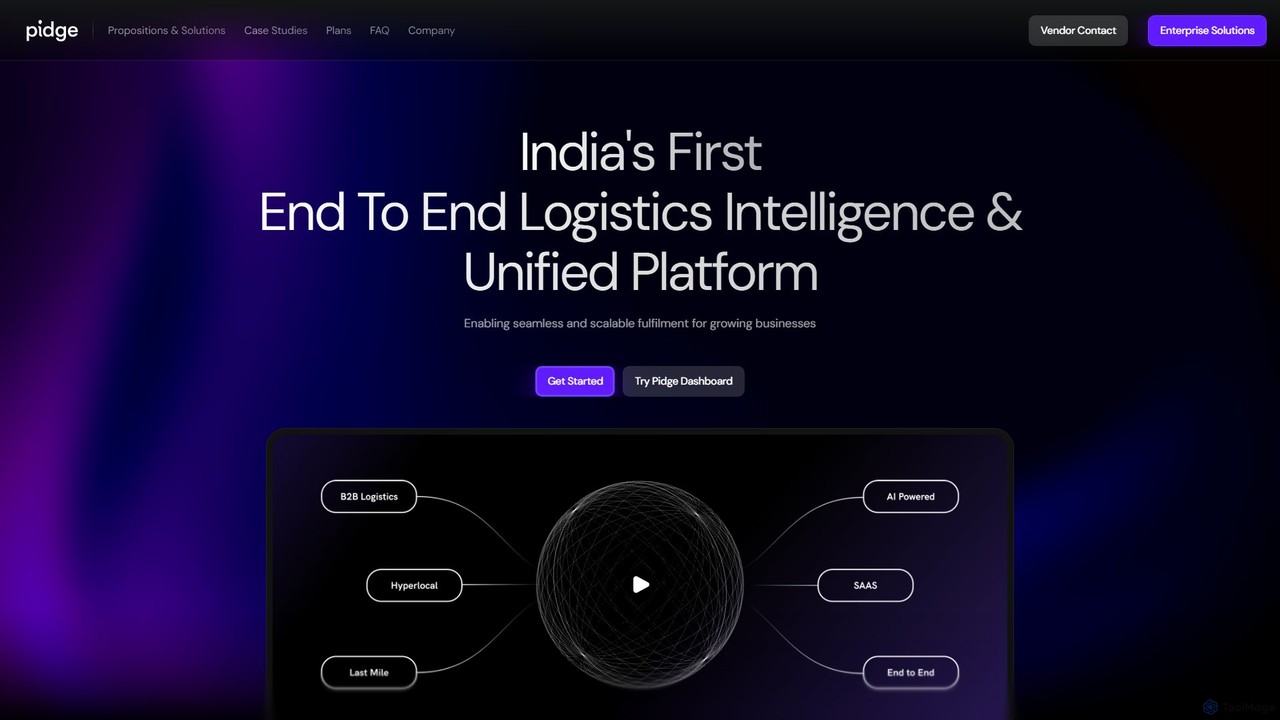
Pidge is an AI-powered logistics intelligence platform designed to streamline and optimize last-mile delivery for businesses. It offers …
Pidge is an AI-powered logistics intelligence platform designed to streamline and optimize last-mile delivery for businesses. It offers a unified dashboard for order management, real-time tracking, and rider management. Leveraging its 'Pidge Titan AI' engine, the platform automates order allocation, optimizes routes, and ensures high SLA adherence. Pidge supports businesses of all sizes, from local shops to large enterprises, by providing scalable, efficient, and data-driven fulfillment solutions.
Scrollengine
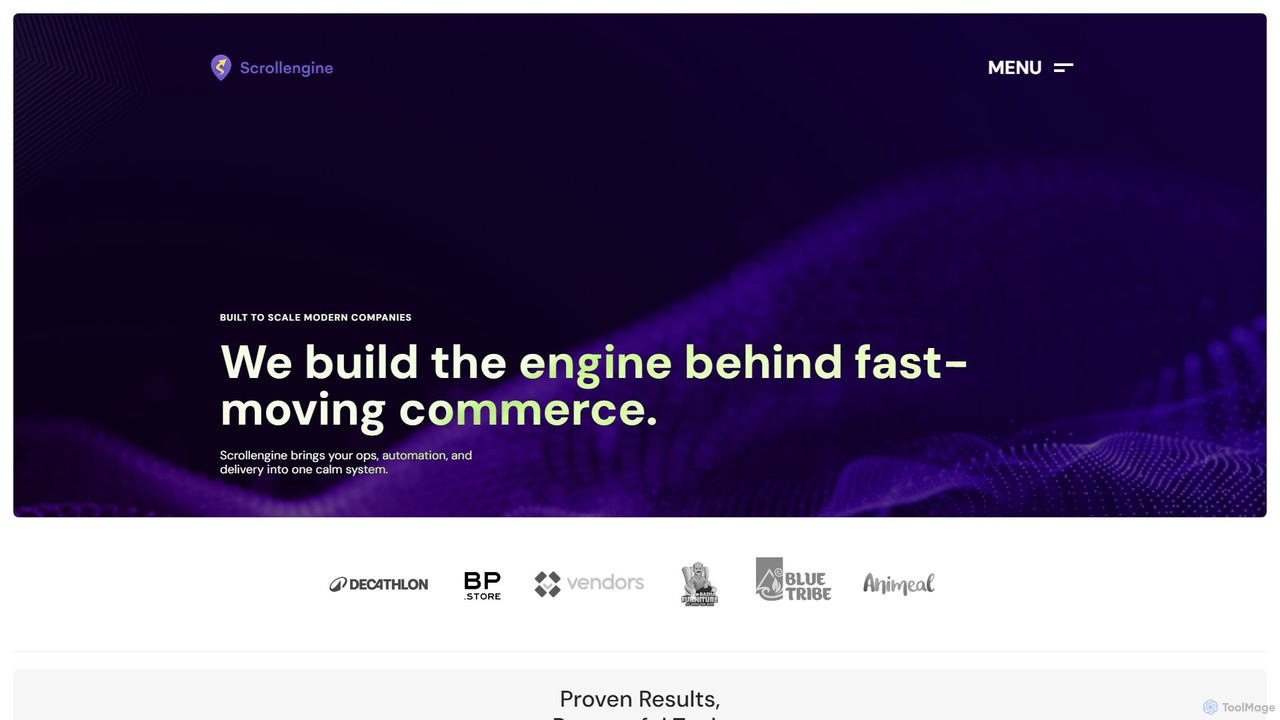
Scrollengine is an AI-powered logistics and operations platform designed for modern e-commerce businesses. It unifies local delivery, route …
Scrollengine is an AI-powered logistics and operations platform designed for modern e-commerce businesses. It unifies local delivery, route planning, store location services, and in-store assistance into a single, streamlined system. Ideal for Shopify merchants, it helps companies scale smarter, deliver faster, and reduce operational costs through intelligent automation.
About Delivery Management
AI Delivery Management tools are specialized platforms designed to automate and optimize the entire last-mile delivery process. Leveraging AI algorithms for route planning and real-time data analysis, these tools intelligently dispatch orders, track drivers, and manage proof of delivery. They are crucial for e-commerce businesses and logistics operations seeking to enhance efficiency, reduce operational costs, and improve customer satisfaction through timely and transparent deliveries.
Core Features
- AI Route Optimization: Automatically calculates the most efficient multi-stop routes based on traffic, delivery windows, and vehicle capacity.
- Real-Time Driver Tracking: Provides live visibility of driver locations on a map for dispatchers and customers.
- Electronic Proof of Delivery (ePOD): Enables drivers to capture digital signatures, photos, and notes via a mobile app to confirm delivery.
- Automated Dispatching: Intelligently assigns new orders to the best-suited driver based on location, workload, and skills.
- Customer Notifications: Sends automated alerts (SMS, email) to customers about their delivery status, including ETAs and confirmations.
Use Cases
These tools are essential for industries reliant on last-mile logistics. E-commerce retailers use them to manage their in-house or third-party delivery fleets, food delivery services rely on them for rapid order fulfillment, and field service companies utilize them to coordinate technician appointments and routes efficiently.
How to Choose
When selecting a Delivery Management tool, consider its integration capabilities with your existing e-commerce platform or ERP system. Evaluate the user-friendliness of the driver's mobile app, the sophistication of its route optimization engine, and its scalability to support your business growth. Also, compare pricing models, which may be based on the number of drivers, vehicles, or deliveries.
Delivery ManagementUse Cases
E-commerce Last-Mile Delivery Optimization
An e-commerce manager for an online furniture store uses a delivery management tool to coordinate daily deliveries across the city. The AI automatically plans the most efficient routes for five delivery trucks, considering traffic patterns and customer-specified time windows. This reduces fuel consumption by 15% and increases the number of successful on-time deliveries, significantly improving customer satisfaction scores and reducing support inquiries about delivery status.
Real-time Tracking for Food Delivery Services
A local restaurant chain implements a delivery management system to provide a superior customer experience. When an order is dispatched, the customer receives an SMS with a link to a live tracking map. This transparency reduces 'Where is my order?' calls by over 60%. The system also provides accurate ETAs, allowing the kitchen to time food preparation perfectly so it's hot and fresh when the driver arrives for pickup.
Digital Proof of Delivery for B2B Logistics
A wholesale distributor uses a delivery management platform to streamline its proof of delivery (POD) process. Drivers use a mobile app to capture a recipient's digital signature and take a photo of the delivered goods at the client's warehouse. This electronic POD is instantly uploaded to the system and attached to the invoice, eliminating paperwork, accelerating the billing cycle, and providing irrefutable evidence to resolve any potential delivery disputes.
Dynamic Dispatching for Field Service Technicians
A company providing HVAC repair services uses a delivery management tool to manage its team of technicians. When an urgent repair request comes in, the dispatcher sees all technicians' real-time locations and current job status. The system recommends the closest available technician with the right skills, allowing for immediate dispatch. This dynamic assignment reduces customer wait times and maximizes the number of service calls each technician can complete per day.
Fleet Performance Analytics for Cost Reduction
A fleet manager for a regional courier service leverages the analytics dashboard within their delivery management software. The system tracks key metrics like on-time delivery rates, time spent at each stop (dwell time), and mileage per vehicle. By identifying drivers with high idle times or inefficient routing habits, the manager can provide targeted training. This data-driven approach helps optimize overall fleet performance and reduce operational costs.
Automated Customer Communication and ETAs
An online grocery delivery service uses its management platform to proactively communicate with customers. The system automatically sends notifications at key stages: order confirmed, driver en route with a precise ETA, and delivery completed. If a driver is delayed due to unexpected traffic, the ETA is automatically updated and the customer is notified. This level of communication builds trust and significantly enhances the overall customer experience.