
Ecommerce Best in category 1 results Electronics AI Tool

Popular AI tools in the Electronics field of Ecommerce include Seeed Studio, etc., helping you quickly improve efficiency.

Seeed Studio

Seeed Studio

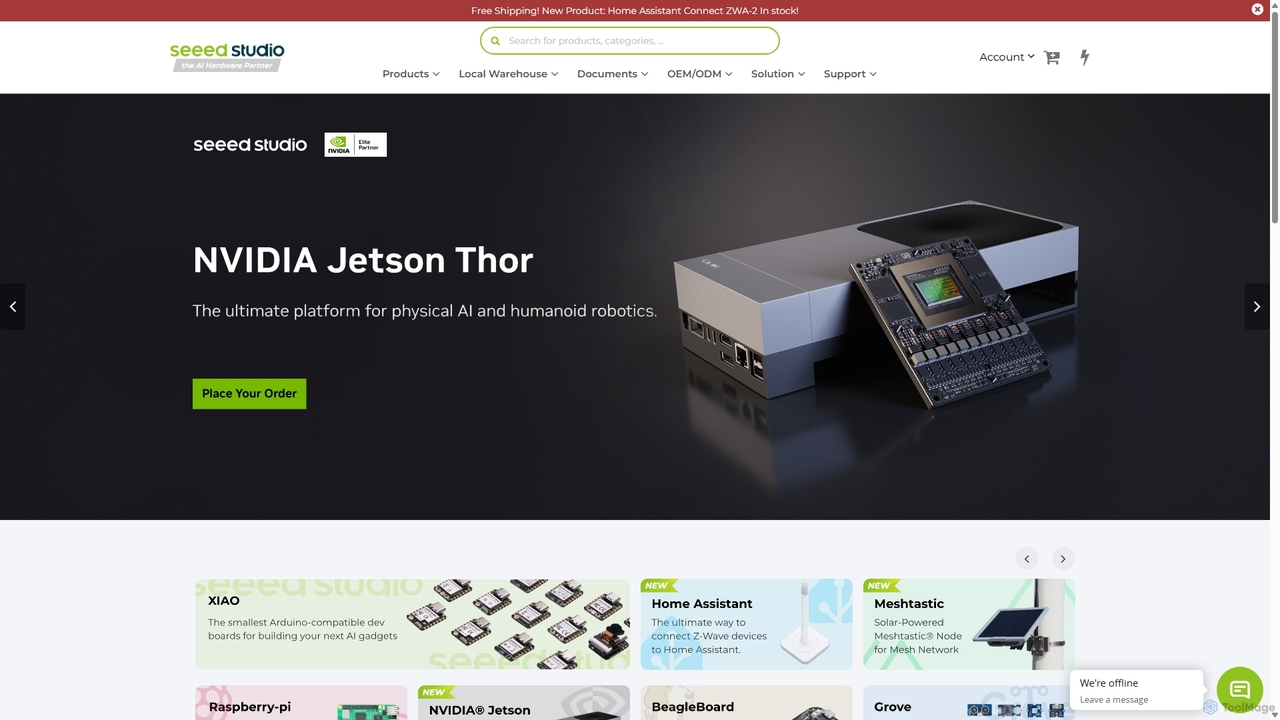
Seeed Studio is a leading IoT hardware platform for developers and businesses. It provides a vast range of …

1.3M

About Electronics

AI Electronics tools are a specialized category of ecommerce solutions designed to optimize the online sales of complex electronic products. They leverage machine learning to automate the generation of detailed technical specifications, analyze product compatibility, and provide intelligent customer support. These tools help merchants increase conversion rates and reduce returns by ensuring customers receive accurate, comprehensive information before purchasing. Unlike general ecommerce tools, they are trained on vast datasets of electronic components, compatibility matrices, and technical manuals.

Core Features

  • Specification Generation: Automatically creates detailed and structured technical specification sheets from model numbers or manufacturer data.
  • Compatibility Analysis: Intelligently checks and validates the compatibility between different electronic components, such as a CPU with a motherboard.
  • Dynamic Comparison Engine: Generates side-by-side comparison tables of similar products, highlighting key technical differences.
  • Technical Q&A Chatbots: Provides instant, accurate answers to complex customer questions about product features, ports, and standards.

Use Cases

These tools are primarily used by online retailers of consumer electronics, computer parts stores, and B2B suppliers of electronic components. For example, a PC parts website can use them to build a system configurator that prevents incompatible selections, while a smartphone retailer can use them to generate dynamic comparison pages for the latest models.

How to Choose

When selecting an AI Electronics tool, consider the scope and accuracy of its product database and its ability to cover your specific catalog. Evaluate its integration capabilities with your ecommerce platform (e.g., Shopify, Magento). Assess the sophistication of its compatibility logic and the customization options for its customer-facing features like chatbots and comparison tables.

ElectronicsUse Cases

1

Automated Generation of Technical Specifications

An ecommerce manager at a computer parts retailer uses an AI tool to process a new shipment of 200 different graphics cards and motherboards. Instead of manually entering dozens of data points for each product, the tool ingests manufacturer spec sheets (PDFs) and automatically populates the product pages with structured data like clock speeds, memory type, and port configurations. This reduces data entry time by over 90% and minimizes human error, ensuring customers see accurate information immediately.

2

Intelligent Product Compatibility Checker

A customer is building a custom PC on an ecommerce site. As they select a specific Intel Core i9 CPU, the integrated AI compatibility checker automatically filters the motherboard selection to show only compatible Z790 and B760 models. When they later choose a large GPU, the tool cross-references its dimensions with the selected PC case, warning them if there isn't enough physical clearance. This guided process prevents incorrect orders, reduces customer frustration, and significantly lowers return rates due to incompatibility.

3

Dynamic Product Comparison for Smartphones

A customer is undecided between three latest smartphone models. On the product category page, they select all three devices and click 'Compare'. An AI tool instantly generates a clean, side-by-side table. It doesn't just list raw specs; it highlights key differences, such as marking the superior camera resolution in green or flagging the model with longer battery life. This allows the customer to make a quick, informed decision based on the features most important to them, increasing the likelihood of a confident purchase.

4

AI-Powered Technical Support Chatbot

A potential customer is browsing for a new Wi-Fi router at 11 PM. They have a technical question: 'Does this router support WPA3 security and can it be configured in bridge mode?' Instead of waiting for business hours, they ask an AI chatbot on the site. The chatbot, trained on the product's technical manual, instantly confirms that WPA3 is supported and provides a link to the knowledge base article on configuring bridge mode. This immediate, accurate support helps close the sale outside of normal support hours.

5

Personalized Accessory Recommendations

A customer adds a new mirrorless camera to their shopping cart. Immediately, an AI recommendation engine analyzes the camera model and suggests relevant, compatible accessories. It doesn't just show generic items; it recommends a specific SD card fast enough for 4K video, a compatible external microphone, and a lens that matches the camera's mount. This cross-selling strategy not only increases the average order value but also enhances the customer experience by helping them build a complete, functional kit.

6

Generating SEO-Optimized Product Descriptions

An ecommerce content creator is tasked with writing descriptions for a new line of 50 different headphones. Using an AI writing tool specialized in electronics, they input the core specs for each model. The AI generates unique, SEO-friendly descriptions that not only list features like 'Active Noise Cancellation' but also translate them into user benefits, such as 'Immerse yourself in music without distractions on your daily commute.' This process accelerates content production tenfold and ensures each product page is optimized for search engines.

ElectronicsFrequently Asked Questions