Ecommerce Best in category 6 results Inventory Management AI Tool

Popular AI tools in the Inventory Management field of Ecommerce include Prediko、sostocked、Genie、yosoku、SkuFetch、Skipped, etc., helping you quickly improve efficiency.

SkuFetch

SkuFetch

SkuFetch is an e-commerce automation platform designed for dropshippers and retail arbitrage sellers. It specializes in product sourcing, …

2.9K
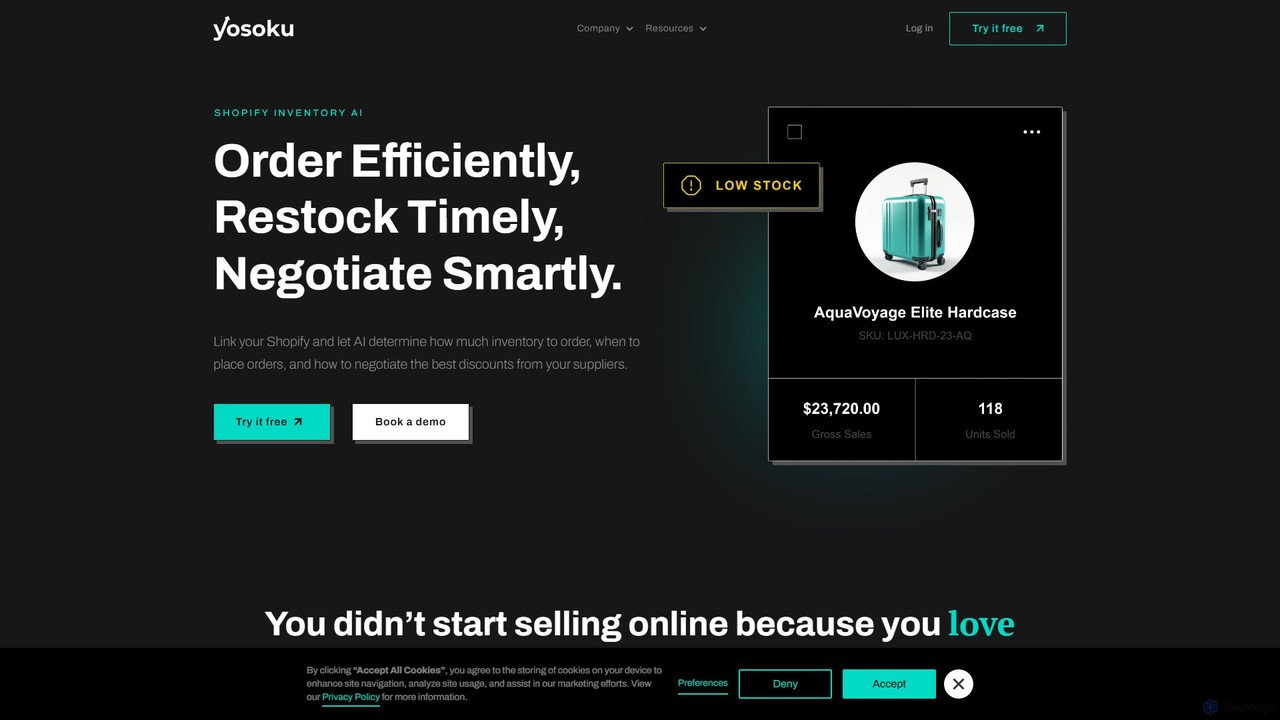
yosoku

yosoku

Yosoku is an AI-powered inventory management and demand forecasting platform for Shopify e-commerce businesses. It helps merchants optimize …

6.6K
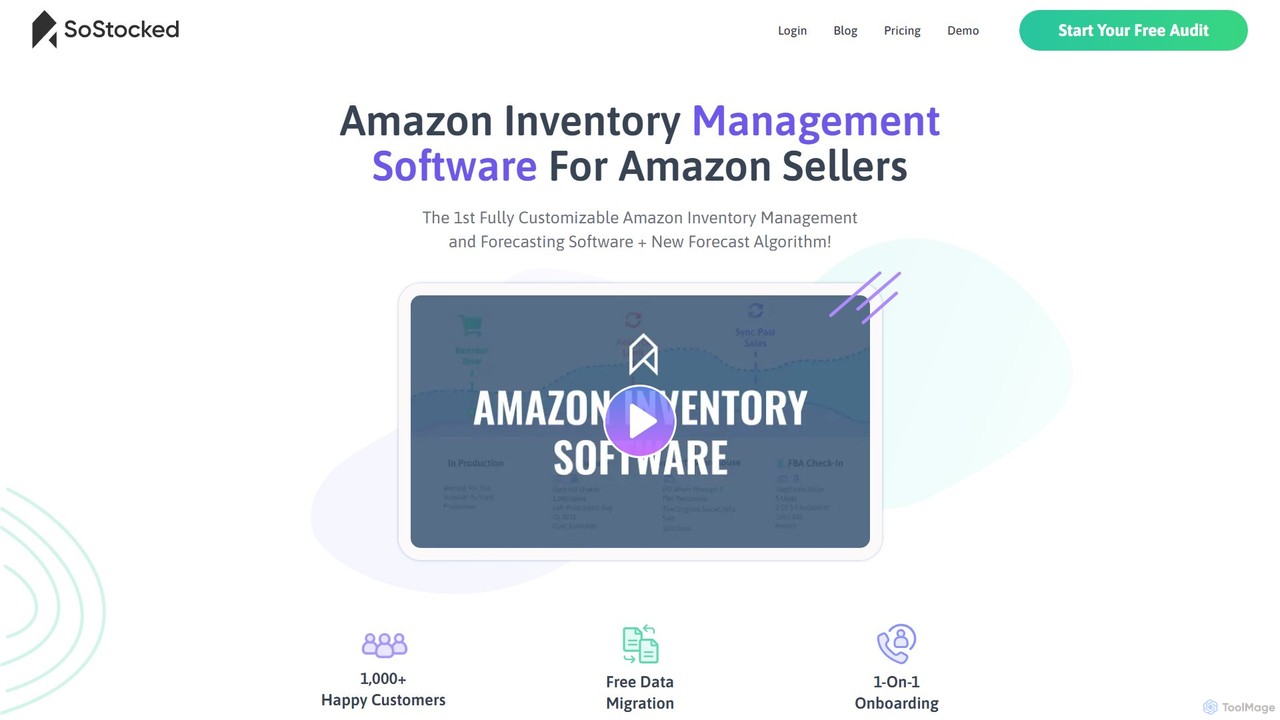
sostocked

sostocked

SoStocked is an advanced inventory management and forecasting software designed specifically for Amazon sellers. It helps prevent common …

17.0K
Skipped

Skipped

Skipped is an AI-powered collaborative commerce platform that connects brands and retailers in a shared fulfillment network. It …

2.8K
Genie

Genie

Genie is an AI-powered inventory management platform designed specifically for Shopify brands. It replaces cumbersome spreadsheets with an …

12.3K
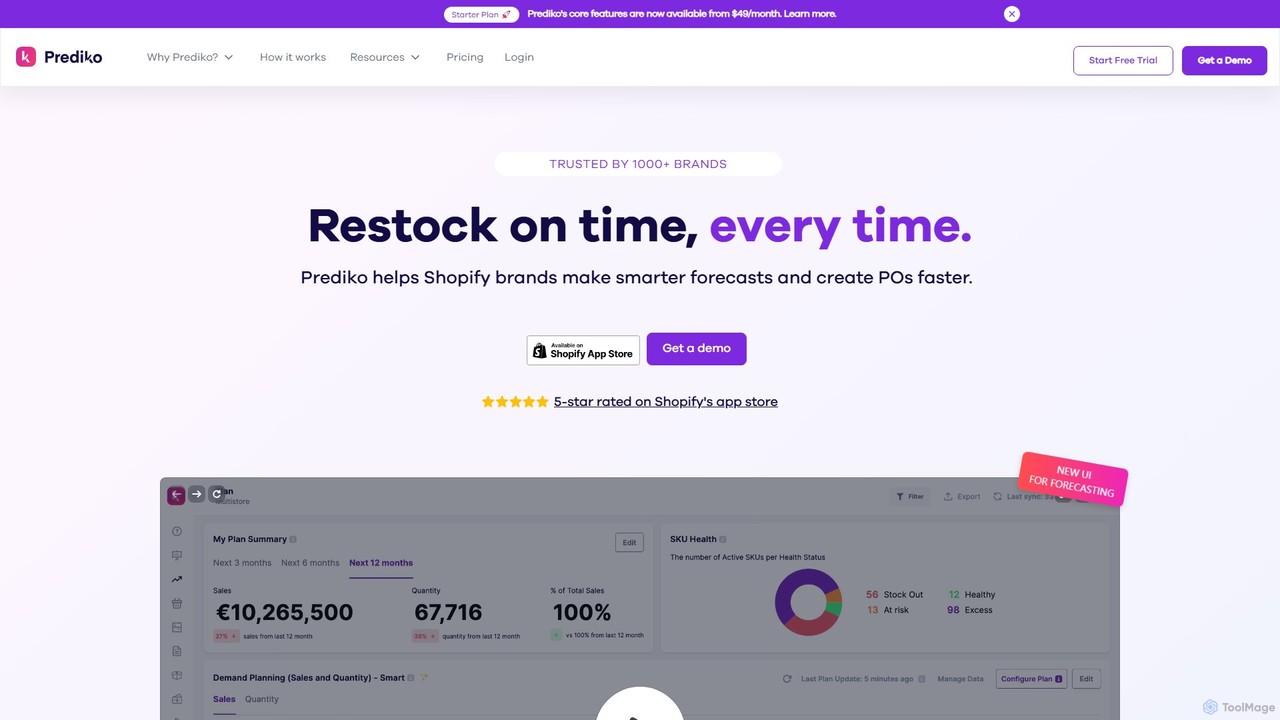
Prediko

Prediko

Prediko is an AI-powered inventory management and planning platform designed for Shopify brands. It uses AI to provide …

35.3K

About Inventory Management

AI-powered Inventory Management tools are designed to optimize stock levels, track goods, and automate supply chain processes for businesses, particularly within the e-commerce sector. These tools leverage machine learning and predictive analytics to forecast demand, minimize overstocking or stockouts, and streamline warehouse operations. They provide real-time visibility into inventory, enhance operational efficiency, and reduce carrying costs, directly impacting profitability. By integrating with sales platforms and logistics, they offer a comprehensive solution for dynamic stock control.

Core Features

  • Demand Forecasting: Predicts future sales based on historical data, seasonality, and market trends to optimize stock levels.
  • Automated Reordering: Automatically generates purchase orders when stock falls below predefined thresholds, preventing stockouts.
  • Real-time Tracking: Provides live updates on stock levels across multiple locations, including in-transit and warehouse inventory.
  • Warehouse Optimization: Suggests optimal storage locations and picking routes to improve efficiency and reduce labor costs.
  • Multi-channel Sync: Synchronizes inventory data across various sales channels (e-commerce stores, marketplaces) to prevent overselling.

Use Cases

E-commerce businesses managing thousands of SKUs across multiple warehouses, retailers needing to balance in-store and online stock, and manufacturers optimizing raw material and finished goods inventory all benefit. These tools are crucial for dynamic stock control in fast-paced retail and distribution environments.

How to Choose

Consider integration capabilities with existing e-commerce platforms and ERP systems, as seamless data flow is vital. Evaluate the accuracy of demand forecasting, especially for businesses with seasonal products. Assess scalability to ensure the solution can handle future growth in product volumes and sales channels. Finally, look for robust reporting and analytics features that provide actionable insights into inventory performance.

Inventory ManagementUse Cases

1

Streamlining E-commerce Stock for Peak Seasons

An online retailer uses AI inventory management to analyze past sales data, predict demand spikes for holiday seasons, and automatically adjust reorder points. This ensures popular items are always in stock, preventing lost sales due to stockouts, while minimizing excess inventory post-season, leading to improved customer satisfaction and reduced carrying costs.

2

Automating Inventory Across Multiple Warehouses

A growing distribution company with several warehouses leverages AI to intelligently allocate stock based on regional demand and shipping costs. The system automatically transfers inventory between locations and optimizes picking routes within each warehouse, significantly reducing fulfillment times and operational expenses while ensuring optimal stock distribution.

3

Minimizing Waste for Perishable Product Inventory

A grocery delivery service employs AI inventory tools to track expiration dates and predict consumption rates for fresh produce. The system prioritizes picking items with shorter shelf lives and suggests dynamic pricing adjustments or promotions for nearing-expiration stock, drastically cutting down on waste and improving product freshness for customers.

4

Efficiently Managing Product Returns and Restocking

An apparel brand utilizes AI inventory management to process returned items. The system quickly assesses product condition, determines if it can be restocked, refurbished, or disposed of, and automatically updates inventory levels. This streamlines the reverse logistics process, making returned items available for sale faster and reducing manual handling errors.

5

Predictive Raw Material Forecasting for Manufacturing

A small-batch manufacturer uses AI to forecast the demand for finished products and, subsequently, the required raw materials. By integrating with production schedules, the AI system ensures just-in-time delivery of components, reducing storage costs and preventing production delays caused by material shortages, leading to smoother operations.

6

Real-time Inventory Sync for Multi-channel Sales

A brand selling on its own website, Amazon, and Etsy uses AI inventory management to maintain a single, unified view of stock. When an item sells on one platform, the AI instantly updates availability across all other channels, preventing overselling and ensuring accurate stock counts for customers, thereby improving satisfaction and operational integrity.

Inventory ManagementFrequently Asked Questions