SellRaze
SellRaze is an AI-powered, all-in-one tool designed for online resellers to streamline their workflow. It enables users to …
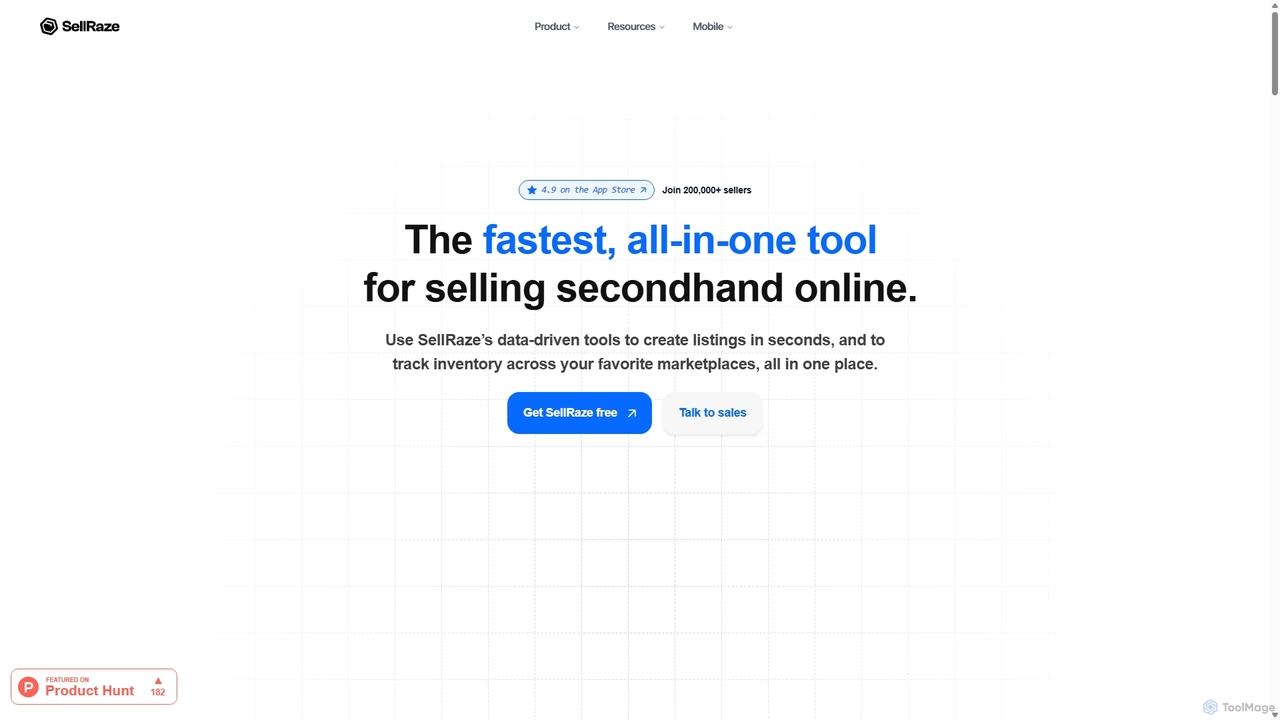
SellRaze is an AI-powered, all-in-one tool designed for online resellers to streamline their workflow. It enables users to create product listings in seconds from a photo, barcode, or text, and cross-list them across multiple marketplaces like eBay, Facebook, Depop, and Mercari. The platform centralizes inventory management, buyer communication, and sales tracking, helping sellers save time and increase revenue.
About Listing Management
Listing Management tools are AI-powered platforms designed to automate and optimize the creation, synchronization, and management of product listings across multiple e-commerce channels. These tools utilize artificial intelligence to generate compelling product descriptions, suggest relevant keywords, and ensure data consistency on platforms like Amazon, Shopify, and eBay. By centralizing control, they significantly reduce manual effort, minimize errors, and enhance product visibility in competitive online marketplaces. Advanced solutions can also analyze performance data to provide actionable insights for sales growth.
Core Features
- Multi-Channel Synchronization: Automatically updates product information, pricing, and inventory levels across all connected sales channels in real-time.
- AI Content Generation: Creates unique, SEO-friendly product titles, descriptions, and bullet points based on core product data.
- Keyword Optimization: Analyzes market trends and competitor data to recommend high-performing keywords for better search rankings.
- Bulk Editing: Allows for simultaneous updates to thousands of listings, such as price adjustments or adding new attributes.
- Performance Analytics: Provides a centralized dashboard to track key metrics like views, conversion rates, and sales per channel.
Use Cases
These tools are essential for multi-channel e-commerce sellers, brand managers with large product catalogs, and digital marketing agencies managing client stores. They are particularly valuable when launching new products across several platforms simultaneously, maintaining brand consistency, or optimizing a large number of existing listings to improve search performance and sales conversions.
How to Choose
When selecting a Listing Management tool, consider the following: First, verify its integration capabilities with the specific marketplaces and e-commerce platforms you use. Second, evaluate the quality and customization options of its AI content generation features. Third, assess its inventory management and synchronization reliability. Finally, consider the pricing model and whether it scales effectively with your number of SKUs and sales channels.

Listing ManagementUse Cases
Automate Multi-Channel Product Launches
An e-commerce manager launching a new product line uses a Listing Management tool to streamline the process. Instead of manually creating listings on Amazon, eBay, and their Shopify store, they input the core product data once. The AI then generates unique, platform-optimized titles and descriptions for each channel. This ensures brand consistency, maximizes search visibility from day one, and reduces the launch time from days to just a few hours, allowing the team to focus on marketing and promotion.
Optimize Existing Listings for Higher Search Ranking
A digital marketing specialist for an established brand uses an AI Listing Management tool to improve sales. The tool analyzes hundreds of existing product listings and compares them against top competitors on each marketplace. It identifies underperforming listings and suggests specific SEO improvements, such as adding high-volume keywords to titles or rewriting bullet points for clarity. By implementing these data-driven recommendations, the brand sees a measurable lift in search rankings and organic sales without increasing ad spend.
Centralize Inventory and Price Synchronization
A seller with a large inventory on multiple platforms like Walmart, Etsy, and their own website uses a Listing Management tool to prevent overselling. When an item sells on one channel, the tool automatically adjusts the stock count across all other channels in real-time. This centralized system ensures inventory accuracy, preventing canceled orders and negative customer reviews. The seller can also implement promotional pricing changes across all platforms simultaneously from a single dashboard, saving time and ensuring price consistency.
Generate High-Quality Product Descriptions at Scale
A dropshipping business needs to list hundreds of new products weekly. Manually writing unique descriptions is impossible at this scale. They use an AI Listing Management tool that connects to their supplier's data feed. For each new product, the AI automatically generates an engaging, SEO-friendly description, title, and key features based on technical specifications. This accelerates their time-to-market dramatically and ensures that every listing is well-written and optimized, improving their chances of making a sale.
Apply Bulk Edits for Product Information Updates
A brand manager needs to add a new compliance warning to thousands of existing product listings due to a change in regulations. Instead of manually editing each listing on every platform, which would take weeks, they use a Listing Management tool. They create a rule to append the new warning to the description field for all relevant products. The tool then applies this change across all connected channels in minutes, ensuring full compliance quickly and efficiently, and saving hundreds of hours of manual labor.
Analyze Listing Performance Across Platforms
An e-commerce analyst uses the tool's central dashboard to compare product performance across different marketplaces. They notice a product sells well on Amazon but has a low conversion rate on their website. The dashboard reveals that the website listing is missing key images and has a less effective description. Using these insights, they update the website listing to match the successful Amazon version. This data-driven optimization helps them identify and fix channel-specific issues, leading to increased sales and a better return on investment across their entire e-commerce operation.