
Freemium
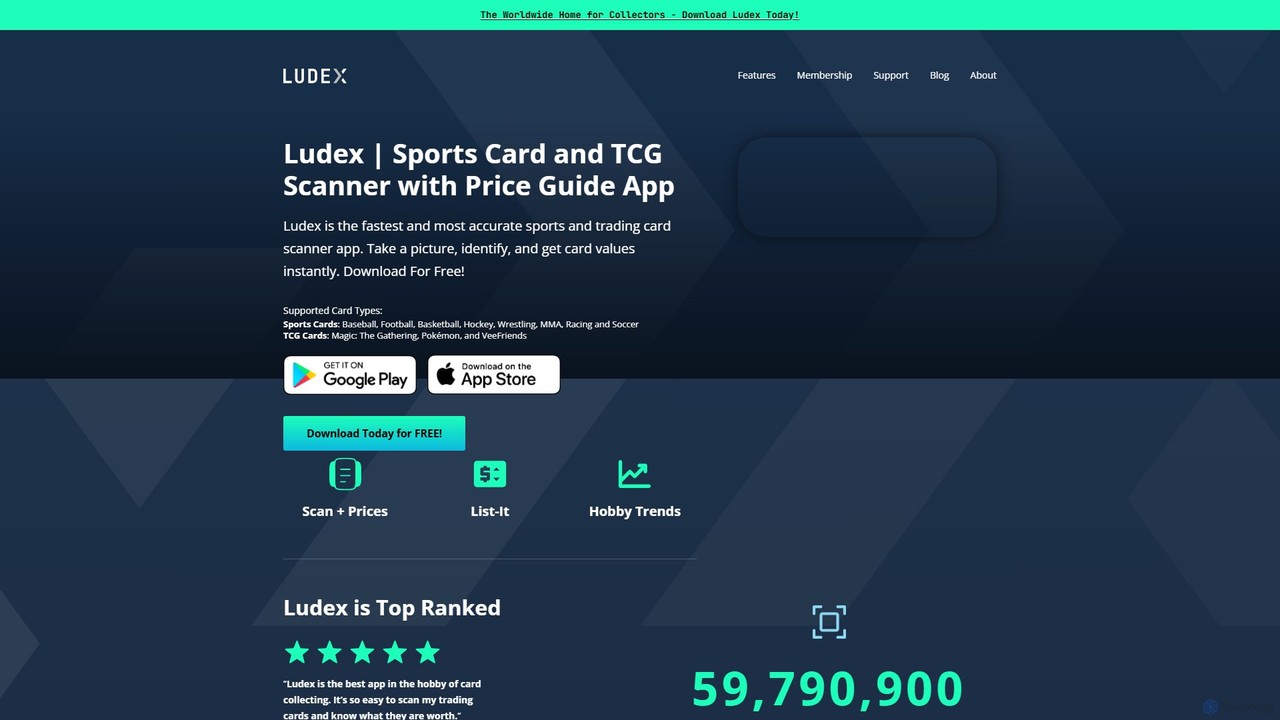
Popular Listing AI tools in Ecommerce include Ludex, helping you work more efficiently.
AI Listing tools are specialized solutions designed to automate and optimize the creation and management of product listings across various e-commerce platforms. Leveraging advanced artificial intelligence, these tools streamline tasks from data extraction and content generation to image optimization and keyword research. They empower e-commerce businesses to enhance product visibility, improve conversion rates, and maintain consistent, high-quality product information efficiently within the competitive online marketplace.
E-commerce managers and online sellers frequently use AI Listing tools to manage extensive product catalogs, ensuring consistency and optimization across various marketplaces. These tools are invaluable for businesses launching new products rapidly or those needing to update existing listings efficiently to respond to market trends and competitor actions.
When selecting an AI Listing tool, consider its compatibility with your primary e-commerce platforms, the quality and customization options for AI-generated content, and the level of automation offered. Evaluate its image optimization capabilities, keyword research accuracy, and integration with your existing inventory management or CRM systems to ensure a seamless workflow.
E-commerce content creators can use AI listing tools to instantly generate unique and engaging product descriptions for hundreds of items. By inputting basic product features, the AI crafts SEO-friendly content, saving significant time compared to manual writing and ensuring consistency across a large catalog.
Online retailers operating on Amazon, eBay, and their own Shopify store can leverage AI tools to automatically sync product information, inventory levels, and pricing across all channels. This prevents overselling, reduces manual data entry errors, and ensures customers see up-to-date information regardless of where they shop.
Sellers can utilize AI listing tools to automatically enhance product images. This includes background removal, resizing for specific platform requirements, and improving visual quality, leading to more professional-looking listings that attract more clicks and higher conversion rates without needing graphic design expertise.
Digital marketers and SEO specialists use AI listing tools to identify high-volume, relevant keywords for their products. The AI then suggests or automatically integrates these keywords into titles, descriptions, and bullet points, significantly improving the product's search ranking and visibility on marketplaces.
Business owners can employ AI listing tools to monitor competitor product listings, pricing strategies, and customer reviews. This provides actionable insights into market gaps, popular features, and optimal pricing points, allowing for data-driven adjustments to their own listings to gain a competitive edge.
E-commerce optimizers can use AI tools to conduct A/B tests on different listing elements, such as product titles, main images, or description variations. The AI tracks performance metrics like click-through rates and conversions, identifying the most effective elements to maximize sales and listing efficiency.
AI Listing tools are software solutions that use artificial intelligence to automate and optimize the process of creating, managing, and enhancing product listings on e-commerce platforms. They streamline tasks like content generation, image processing, and SEO optimization to improve product visibility and sales.
These tools significantly benefit sellers by saving time on manual data entry and content creation, improving listing quality and SEO to attract more customers, and ensuring consistency across multiple sales channels. They help increase conversion rates, reduce operational costs, and provide competitive insights for better decision-making.
Key factors include compatibility with your e-commerce platforms (e.g., Amazon, Shopify), the quality and customization options for AI-generated content, and the tool's image optimization capabilities. Also, consider its keyword research accuracy, multi-platform synchronization features, and ease of integration with your existing e-commerce ecosystem.
AI Listing tools automate repetitive tasks, generate optimized content, and provide data-driven insights, drastically reducing manual effort and improving efficiency. Traditional manual management relies on human input for every detail, which is time-consuming, prone to errors, and often lacks the advanced optimization capabilities that AI offers for competitive marketplaces.
Most advanced AI Listing tools are designed with robust integration capabilities. They typically offer direct APIs or connectors for popular e-commerce platforms like Shopify, WooCommerce, Amazon Seller Central, and eBay. This allows for seamless data flow, automated updates, and centralized management of all your product listings.