Testmarket
Testmarket is a dual-purpose platform connecting shoppers with brands. Shoppers discover exclusive deals, cashback offers, and free products …
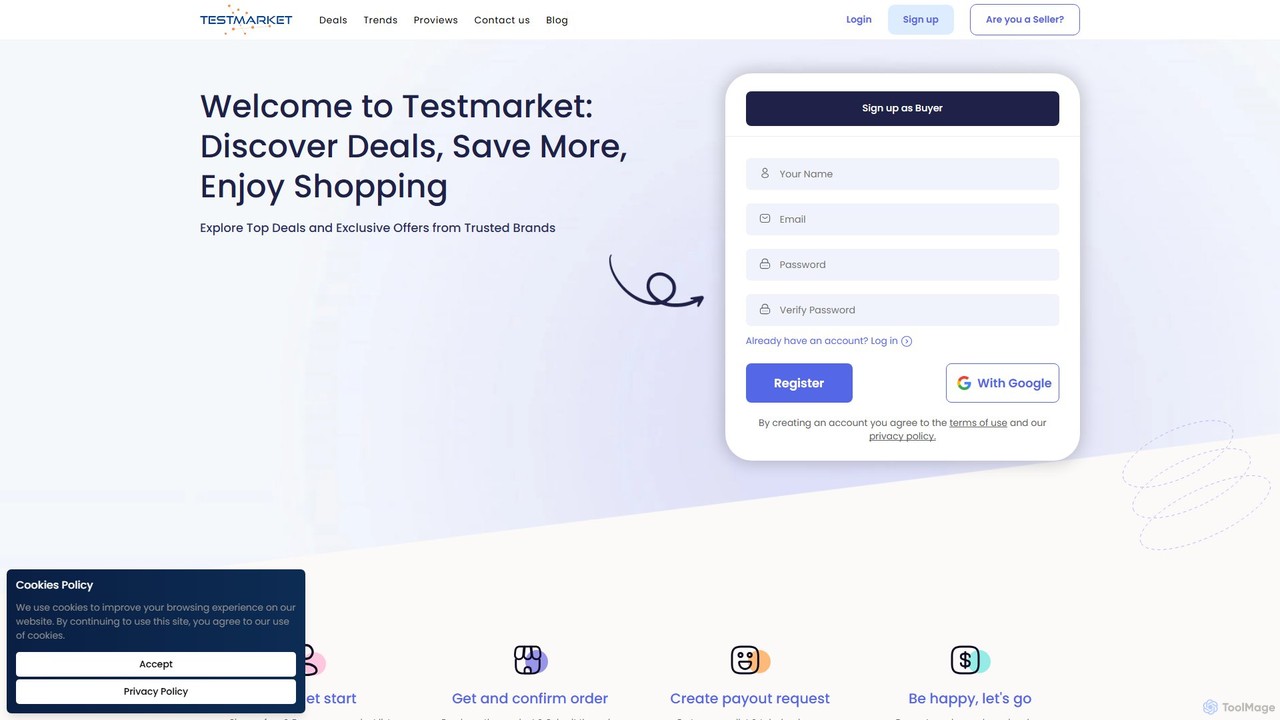
Testmarket is a dual-purpose platform connecting shoppers with brands. Shoppers discover exclusive deals, cashback offers, and free products from major retailers. For sellers, Testmarket leverages AI-powered analytics to enhance brand visibility, optimize product listings with strategic keywords, and drive sales growth. It's a marketplace for product testing and promotion, offering significant savings for consumers and data-driven marketing solutions for businesses.
About Marketing Analytics
Marketing Analytics tools are a specialized category of software that uses AI to analyze vast amounts of marketing data and generate actionable insights. These tools go beyond traditional reporting by automatically identifying patterns, predicting future outcomes, and recommending optimizations for marketing strategies. For ecommerce businesses, they are crucial for understanding customer behavior across multiple channels, maximizing return on ad spend (ROAS), and personalizing the shopping experience. They transform raw data from campaigns, social media, and website interactions into strategic intelligence.
Core Features
- Predictive Analytics: Forecast sales trends, customer lifetime value (CLV), and potential churn rates based on historical data.
- Multi-Touch Attribution: Analyze the entire customer journey to accurately assign credit to various marketing touchpoints that lead to a conversion.
- Automated Customer Segmentation: Use AI to group customers into dynamic segments based on behavior, purchase history, and demographics for targeted campaigns.
- Campaign Optimization Recommendations: Provide real-time suggestions to adjust ad spend, targeting parameters, and creative elements for better performance.
- Sentiment Analysis: Monitor brand perception and customer feedback by analyzing text from reviews, social media, and support tickets.
Use Cases
These tools are primarily used by ecommerce managers, digital marketers, and data analysts. They are essential for optimizing paid advertising campaigns on platforms like Google and Facebook, personalizing product recommendations on a website, and identifying emerging market trends from competitor and social media data. They help in making data-driven decisions to improve marketing effectiveness and drive revenue growth.
How to Choose
When selecting a Marketing Analytics tool, consider its integration capabilities with your existing ecommerce platform (e.g., Shopify, Magento) and marketing channels. Evaluate the depth of its analytical models, such as attribution and forecasting accuracy. Also, assess the user interface's complexity—whether it provides clear, actionable dashboards or requires a data science background to operate effectively.

Marketing AnalyticsUse Cases
Optimize Ad Campaign ROI
A digital marketer for an online fashion store uses an AI marketing analytics tool to analyze performance data from Google Ads and Instagram campaigns. The AI identifies that ads featuring user-generated content have a 30% higher conversion rate on weekends. Based on this insight, the tool automatically recommends reallocating the budget towards these high-performing ads during peak times, leading to a projected 15% increase in overall Return on Investment (ROI) without increasing the total ad spend.
Dynamic Customer Segmentation for Personalization
An ecommerce manager for a cosmetics brand wants to run a targeted email campaign. The tool analyzes customer purchase history and browsing behavior, automatically creating segments like 'High-Value Vegan Beauty Fans,' 'Potential Churn Risks,' and 'First-Time Visitors Interested in Skincare.' This allows for highly personalized email content and product recommendations, boosting email open rates by 25% and click-through rates by 40% compared to generic campaigns.
Forecast Demand and Manage Inventory
A manager for an electronics retailer uses predictive analytics to forecast demand for a new smartphone launch. By analyzing historical sales data for similar products, social media hype, and competitor activities, the AI predicts a 20% higher demand than initial manual estimates. This data-driven forecast allows the company to adjust inventory levels proactively, preventing stockouts during the crucial launch period and maximizing potential sales revenue.
Understand the Full Customer Journey with Attribution
A marketing team struggles to understand which channels contribute most to sales. The AI marketing analytics tool implements a multi-touch attribution model, analyzing all touchpoints from the first blog visit to the final purchase click. It reveals that while social media ads rarely lead to direct conversions, they are a critical first touchpoint for 40% of high-value customers. This insight prevents the team from incorrectly cutting the social media budget and helps them optimize the top-of-funnel strategy.
Analyze Competitor and Market Trends
A product manager for a home goods brand uses the tool to monitor competitor pricing and social media sentiment. The AI detects a rising trend in online discussions about 'sustainable home decor' and flags a competitor's successful campaign around this theme. It provides data-driven evidence showing a 50% increase in positive sentiment for the competitor's eco-friendly products. This insight prompts the brand to accelerate the launch of its own sustainable product line to capture market share.
Reduce Customer Churn with Proactive Insights
A subscription box company uses its marketing analytics tool to identify customers at risk of canceling. The AI analyzes signals like decreased login frequency, unopened marketing emails, and negative product reviews. It flags accounts with a high churn probability score. This allows the customer success team to proactively reach out with personalized incentives, such as a discount on the next box or a special gift, successfully reducing the monthly churn rate by 18%.