ToolMage
Sign in

Best 1 Mobile Commerce AI tools for Ecommerce

Popular Mobile Commerce AI tools in Ecommerce include wov, helping you work more efficiently.

wov
Freemium

wov

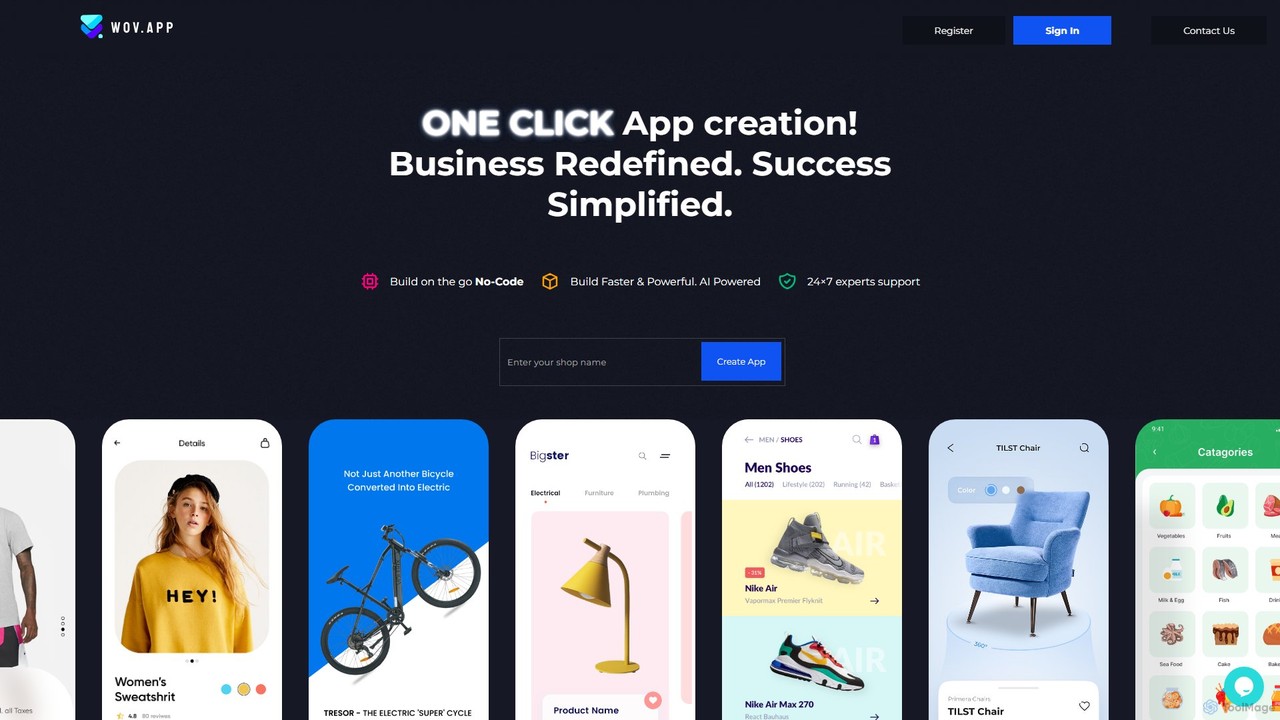
wov is an AI-powered, no-code platform that enables e-commerce businesses to create native mobile shopping apps for Android and iOS. It seamlessly integrates with Shopify, WooCommerce, and other major platforms, offering a drag-and-drop editor, customizable templates, and real-time previews. wov simplifies the entire process from design to publishing on the App Store and Google Play, making mobile commerce accessible to everyone.

No Code Platform
Visits 10.5KFavorites 151Likes 154

About Mobile Commerce

Mobile Commerce (M-commerce) refers to the buying and selling of goods and services using wireless handheld devices such as smartphones and tablets, representing a significant evolution within the broader e-commerce landscape. These tools leverage mobile-specific technologies like responsive design, in-app functionalities, and integrated payment systems to provide a seamless shopping experience on the go. They enable businesses to reach customers anytime, anywhere, fostering personalized engagement and driving sales through convenient mobile interactions. This approach capitalizes on device features like location services and push notifications for enhanced user experiences.

Core Features

  • Mobile-First Design: Optimized interfaces and user flows specifically for smaller screens and touch interactions.
  • Integrated Mobile Payments: Support for digital wallets (e.g., Apple Pay, Google Pay), one-click checkout, and secure in-app payment gateways.
  • Push Notifications & Alerts: Personalized messages for promotions, abandoned carts, order updates, and re-engagement.
  • Location-Based Services: Geo-targeting for localized offers, store locators, and proximity marketing.
  • Augmented Reality (AR) Shopping: Virtual try-on features and product visualization in real-world environments via mobile cameras.

Use Cases

Mobile Commerce tools are essential for retailers, small businesses, and service providers aiming to capture the growing mobile user base. They are used by fashion brands offering virtual try-on experiences, restaurants enabling mobile ordering and payment, and local shops sending geo-targeted promotions to nearby customers. These applications streamline the purchasing journey and enhance customer loyalty through convenient, personalized mobile interactions.

How to Choose

When selecting Mobile Commerce tools, prioritize mobile responsiveness and user experience on various devices. Evaluate the breadth of integrated payment options, including digital wallets and local payment methods. Consider the platform's ability to support push notifications, location-based services, and potential AR features. Finally, assess security protocols for mobile transactions and data privacy compliance to ensure a trustworthy shopping environment.

Mobile Commerce use cases

1

In-App Product Discovery and Purchase

A fashion retailer uses a dedicated mobile commerce app to allow customers to browse new collections, virtually try on clothes using AR, and complete purchases with one-tap payment. This enhances customer engagement and reduces friction in the buying process, leading to higher conversion rates and repeat business.

2

Social Media Selling and Checkout

A small business owner selling handmade jewelry integrates mobile commerce features directly into their Instagram Shop. Customers can discover products through posts, click to view details, and complete the purchase within the Instagram app or a linked mobile-optimized checkout, streamlining the path from discovery to sale.

3

Location-Based Promotions for Local Businesses

A coffee shop utilizes mobile commerce tools to send targeted push notifications to customers who are within a 1-mile radius of their store. These notifications offer special discounts or loyalty points for in-store purchases, driving foot traffic and increasing immediate sales during off-peak hours.

4

Augmented Reality (AR) for Home Furnishings

An online furniture store provides a mobile app that allows users to virtually place furniture items in their own homes using augmented reality. This helps customers visualize products in context, reducing uncertainty and returns, and significantly improving the mobile shopping experience before making a purchase.

5

Streamlined Mobile Ordering and Payment for Restaurants

A restaurant chain implements a mobile commerce solution enabling customers to browse menus, customize orders, and pay directly through their smartphone, either for pickup, delivery, or even at the table. This reduces wait times, improves order accuracy, and offers a convenient, contactless transaction experience.

6

Personalized Push Notifications for Re-engagement

An e-commerce brand uses mobile commerce analytics to identify customers who have abandoned their shopping carts or viewed specific products multiple times. They then send personalized push notifications with reminders, special offers, or related product recommendations, effectively recovering lost sales and fostering customer loyalty.

Mobile Commerce FAQ

What is Mobile Commerce (M-commerce)?

Mobile Commerce, or M-commerce, involves conducting commercial transactions using mobile devices like smartphones and tablets. It extends traditional e-commerce by leveraging mobile-specific features such as location services, push notifications, and integrated mobile payment systems to offer a convenient and personalized shopping experience on the go.

What are the key benefits of Mobile Commerce for businesses?

Mobile Commerce offers businesses several key benefits, including enhanced customer reach and accessibility, as users can shop anytime, anywhere. It enables personalized marketing through location-based services and push notifications, leading to higher engagement. Additionally, streamlined mobile payment options improve conversion rates and customer satisfaction, fostering loyalty in a competitive market.

How does Mobile Commerce differ from traditional E-commerce?

While both involve online transactions, Mobile Commerce specifically focuses on optimizing the shopping experience for mobile devices, whereas traditional E-commerce often refers to desktop-based online shopping. M-commerce leverages unique mobile features like touch interfaces, device cameras (for AR), GPS, and mobile payment wallets, offering a more immediate, personalized, and on-the-go purchasing journey compared to its desktop counterpart.

What are essential components for a successful Mobile Commerce strategy?

A successful Mobile Commerce strategy requires a mobile-first website or a dedicated mobile app with intuitive navigation and responsive design. Secure and diverse mobile payment options, including digital wallets, are crucial. Businesses also need robust analytics to track mobile user behavior, effective push notification campaigns for engagement, and strong security measures to protect customer data and transactions.

What are some common challenges in implementing Mobile Commerce?

Common challenges in Mobile Commerce include ensuring a seamless user experience across diverse mobile devices and operating systems, which can be complex. Security concerns, such as protecting sensitive payment information on mobile networks, are paramount. Additionally, managing app store presence, dealing with app fatigue, and integrating various mobile-specific technologies can pose significant hurdles for businesses.