Ecommerce Best in category 1 results Monetization AI Tool

Popular AI tools in the Monetization field of Ecommerce include LensAI, etc., helping you quickly improve efficiency.

LensAI

LensAI

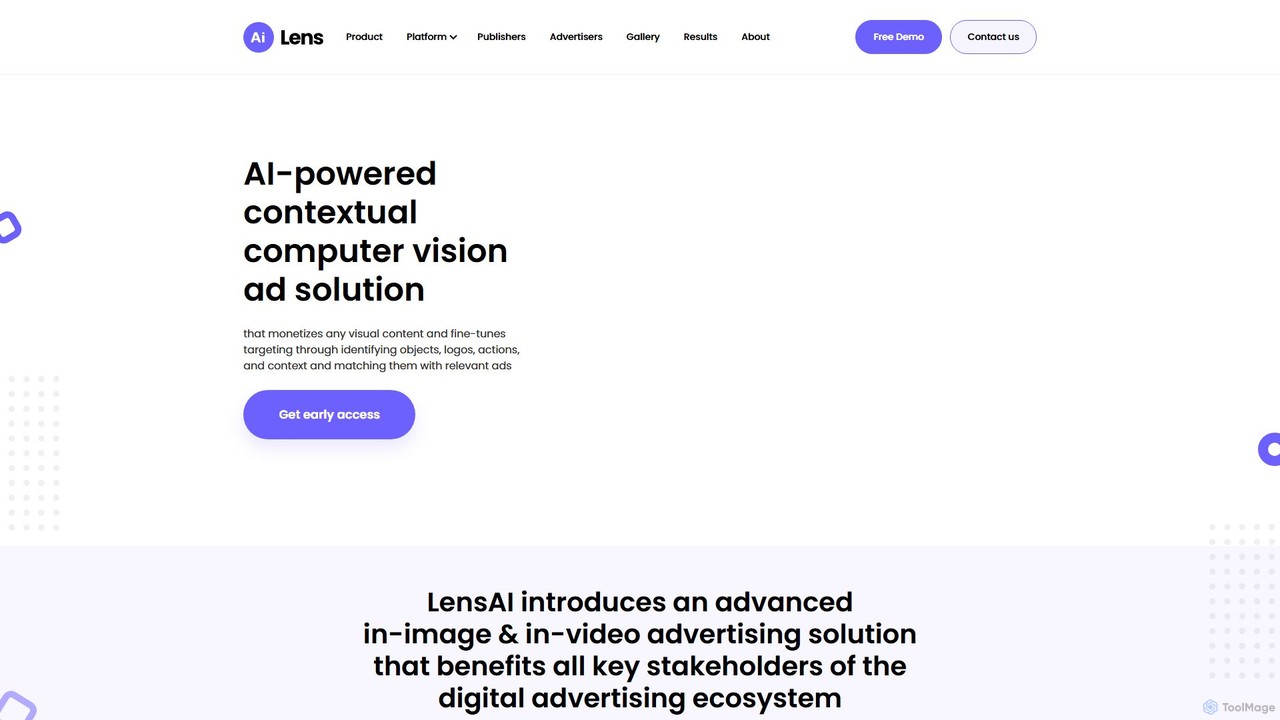
LensAI is an AI-powered contextual advertising platform that uses computer vision to place relevant, non-intrusive ads directly within …

6.0K

About Monetization

AI Monetization tools are a specialized category of software designed to automate and optimize revenue generation from digital products, content, or services. These platforms leverage machine learning to analyze user behavior, market data, and engagement patterns to identify the most effective monetization strategies. They enable creators and businesses to implement dynamic pricing, manage complex subscription models, and personalize offers to maximize income and customer lifetime value. This data-driven approach moves beyond simple payment processing to actively enhance revenue streams within the broader ecommerce ecosystem.

Core Features

  • Dynamic Pricing: Automatically adjusts prices based on real-time demand, user segmentation, and competitive analysis.
  • Subscription Management: Optimizes recurring revenue by predicting churn, personalizing plans, and automating billing cycles.
  • Intelligent Paywalls: Determines which content to place behind a paywall and for which audience segments to increase conversions.
  • Revenue Analytics & Forecasting: Provides predictive insights into future earnings and identifies new monetization opportunities.

Use Cases

These tools are ideal for SaaS companies, digital publishers, content creators, and app developers. For instance, a news website can use an intelligent paywall to offer premium articles to highly engaged readers, while a SaaS business can implement usage-based billing automatically.

How to Choose

When selecting a tool, consider its integration capabilities with your existing platforms (e.g., CMS, CRM), the sophistication of its AI models, its supported monetization models (subscriptions, one-time payments, etc.), and the clarity of its analytics dashboard.

MonetizationUse Cases

1

Automating Subscription Tiers for Content Creators

A newsletter author or video creator wants to offer exclusive content without manually managing payments and access levels. Using an AI monetization tool, they can set up multiple subscription tiers (e.g., Basic, Premium). The AI analyzes audience engagement to suggest optimal price points and feature combinations for each tier. The platform automatically handles recurring billing, grants content access based on the subscriber's level, and provides analytics on which tiers are most popular, allowing the creator to focus on content rather than administration.

2

Implementing Dynamic Pricing for SaaS Products

A SaaS company aims to maximize its revenue by offering tailored pricing. Instead of a fixed price, they use an AI monetization platform to implement dynamic pricing. The AI analyzes factors like feature usage, user's geographical location, and company size to present a customized price during checkout. For high-usage enterprise clients, the price might be higher, while a startup in an emerging market might see a lower price to encourage adoption. This strategy helps increase conversion rates and overall revenue by matching the price to the perceived value for each customer segment.

3

Optimizing In-App Purchase Offers for Mobile Games

A mobile game developer wants to increase revenue from in-app purchases (IAPs). They integrate an AI monetization SDK into their game. The AI tracks player behavior, such as skill level, time spent in-game, and previous purchase history. Based on this data, it triggers personalized IAP offers at opportune moments. For example, it might offer a discounted 'starter pack' to a new player struggling on a level, or a 'power-up bundle' to an advanced player before a difficult boss fight. This targeted approach significantly improves the conversion rate of IAPs compared to showing generic offers to all players.

4

Creating and Selling Digital Courses with Smart Paywalls

An online educator hosts a platform with various courses. To monetize their content effectively, they use an AI tool to manage access. The AI analyzes a visitor's browsing history on the site to determine their interest level. For casual browsers, it might offer a few lessons for free to generate leads. For highly engaged users who have watched multiple introductory videos, it will automatically present a paywall to purchase the full course. The system also manages different payment options, such as one-time purchases or monthly payment plans, optimizing the checkout process for higher sales.

5

Predicting and Reducing Subscription Churn

A subscription box service wants to reduce its customer churn rate. They use an AI monetization platform that analyzes customer data, including usage patterns, support ticket history, and payment information. The AI model identifies customers who are at a high risk of churning in the next billing cycle. The system can then automatically trigger retention campaigns, such as offering a personalized discount, a free upgrade for a month, or sending a survey to understand their dissatisfaction. This proactive approach helps the business retain valuable customers and maintain a stable recurring revenue stream.

6

Selling Digital Assets with Automated Licensing

A digital artist or designer creates assets like stock photos, 3D models, or design templates. They use an AI monetization platform to build a simple storefront. The platform handles secure payment processing and, crucially, automates the licensing process. Based on the buyer's selection (e.g., personal use, commercial use), the system automatically generates and delivers the correct license agreement along with the digital file. The AI can also suggest related assets to customers based on their purchase, creating upselling opportunities and increasing the average order value without manual intervention.

MonetizationFrequently Asked Questions