Ecommerce Best in category 1 results Page Builder AI Tool

Popular AI tools in the Page Builder field of Ecommerce include Shogun, etc., helping you quickly improve efficiency.

Shogun

Shogun

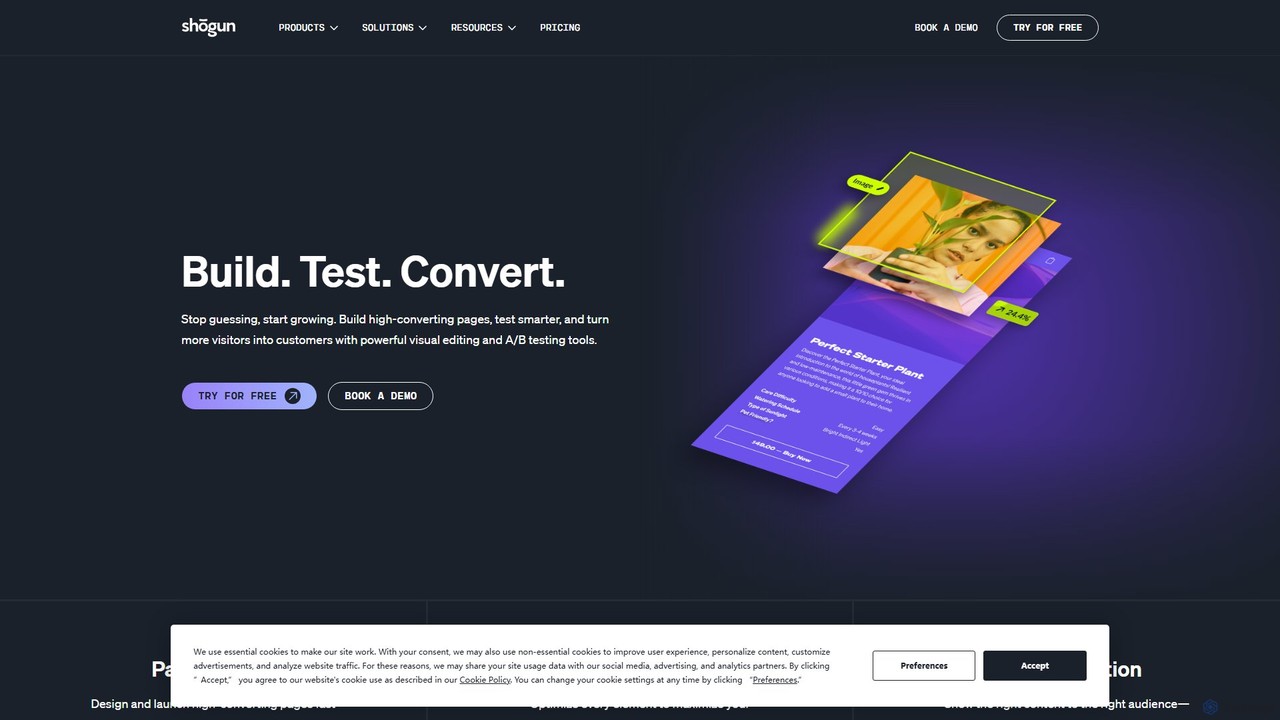
Shogun is a powerful visual page builder and conversion optimization platform for e-commerce stores. It allows merchants to …

85.2K

About Page Builder

AI Page Builders are tools that leverage artificial intelligence to automate and simplify the creation of web pages, particularly for ecommerce websites. They utilize machine learning models to generate layouts, suggest content, and optimize designs based on conversion goals. This enables users without technical expertise to quickly build professional, high-performing landing pages, product pages, and entire storefronts. Unlike traditional builders, AI-powered versions can offer data-driven recommendations to improve user engagement and sales.

Core Features

  • AI Layout Generation: Automatically creates page structures and element arrangements based on the specified page type and goals.
  • Content Suggestions: Generates persuasive headlines, product descriptions, and call-to-action text tailored to the target audience.
  • Conversion Optimization: Analyzes page elements and suggests improvements to increase conversion rates, such as button placement or color changes.
  • Automated Responsive Design: Ensures the created pages automatically adapt and look great on desktops, tablets, and mobile devices.
  • Style & Brand Adaptation: Learns from an existing website or brand guide to generate new pages that maintain brand consistency.

Use Cases

These tools are ideal for ecommerce store owners, digital marketers, and web designers. They are used to rapidly create high-converting landing pages for advertising campaigns, design unique product detail pages that stand out, and build seasonal or promotional sections of a store without writing any code.

How to Choose

When selecting an AI Page Builder, consider its integration capabilities with your ecommerce platform (e.g., Shopify, WooCommerce). Evaluate the sophistication of its AI features, such as the quality of content generation and the relevance of optimization suggestions. Also, assess the user interface's ease of use and the variety of available design templates or modules.

Page BuilderUse Cases

1

Create High-Converting Landing Pages for Ad Campaigns

An ecommerce marketer needs to launch a new landing page for a Google Ads campaign within hours. Using an AI Page Builder, they input the campaign goal, target audience, and key product features. The AI instantly generates several layout options with pre-written, persuasive headlines and call-to-action buttons. The marketer selects the best option, makes minor tweaks, and publishes the page, reducing the creation time from days to minutes and ensuring the design is optimized for conversions from the start.

2

Design Unique Product Detail Pages (PDPs)

A small business owner wants their product pages to stand out from competitors using standard templates. They use an AI Page Builder to create a custom PDP layout. The AI suggests a structure that highlights customer testimonials alongside product images and generates compelling product descriptions focusing on benefits. This allows the owner to build a unique, trustworthy page that better communicates the product's value, potentially increasing the add-to-cart rate without needing to hire a developer.

3

Rapidly Build Seasonal Promotion Pages

For a Black Friday sale, a marketing team needs to create ten different promotional pages targeting various customer segments. Instead of building each from scratch, they use an AI Page Builder. They create one master template, and the AI helps generate variations by suggesting different hero images, headlines, and product collections for each segment. This process enables the team to launch a highly targeted, multi-faceted campaign in a single day, a task that would have previously taken a week.

4

A/B Testing Page Layouts for Optimization

A conversion rate optimization (CRO) specialist wants to test whether a single-column or two-column layout performs better on their checkout page. They use an AI Page Builder to quickly generate both versions. The AI also suggests alternative call-to-action text for each version to test simultaneously. This accelerates the A/B testing setup process, allowing the specialist to gather data faster and make data-driven decisions to improve the checkout conversion rate without extensive design or development resources.

5

Personalize Storefronts for Different Audiences

An online fashion retailer wants to show different homepage content to new visitors versus returning customers. Using an AI Page Builder with personalization features, they set up rules to display different content blocks. For new visitors, the AI-powered page shows a welcome offer and best-selling items. For returning customers, it displays new arrivals and items related to their past purchases. This AI-driven personalization creates a more relevant shopping experience, helping to increase customer loyalty and overall sales.

6

Empower Non-Technical Staff to Update Content

A content manager for an online store needs to update the homepage banner and featured products weekly but lacks coding skills. The store implements an AI Page Builder. Now, the manager can simply describe the changes they want, such as 'Create a banner for a 20% off summer sale,' and the AI generates the visual element. This empowers non-technical team members to make timely updates independently, freeing up developer resources for more complex tasks and ensuring the site always reflects current promotions.

Page BuilderFrequently Asked Questions