Razorveda
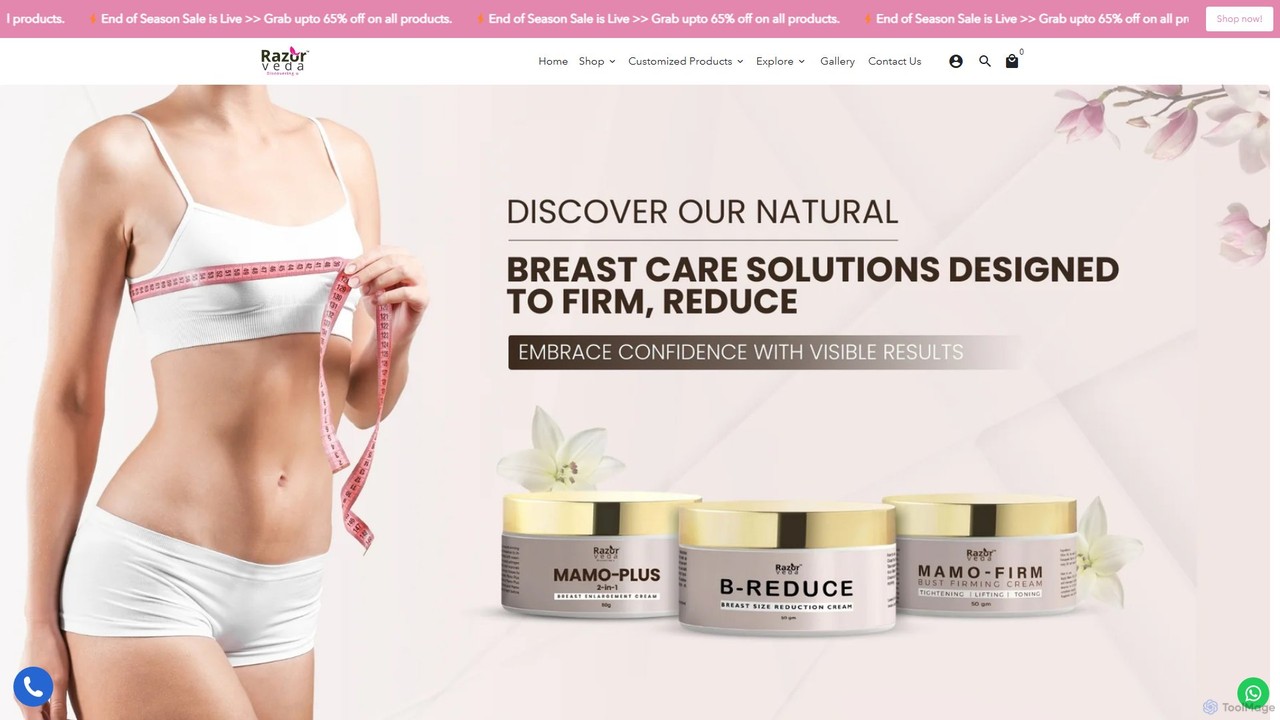
Razorveda is an AI-powered skincare and wellness advisor that provides hyper-personalized beauty routines. By analyzing your skin through …
Razorveda is an AI-powered skincare and wellness advisor that provides hyper-personalized beauty routines. By analyzing your skin through photos and a detailed questionnaire, it combines modern AI diagnostics with traditional Ayurvedic wisdom. It generates custom skincare regimens, recommends specific ingredients, and offers holistic lifestyle advice to help you achieve your skin goals effectively and scientifically.
Stailor
Stailor is an AI-powered fashion platform that revolutionizes online shopping. It provides personalized style recommendations, expert advice through …
Stailor is an AI-powered fashion platform that revolutionizes online shopping. It provides personalized style recommendations, expert advice through an AI chatbot, and exclusive discounts. By creating a unique fashion profile and taking a style quiz, users receive a curated shopping experience, eliminating endless scrolling and making it easy to find clothes that match their personal taste.
Giftwrap
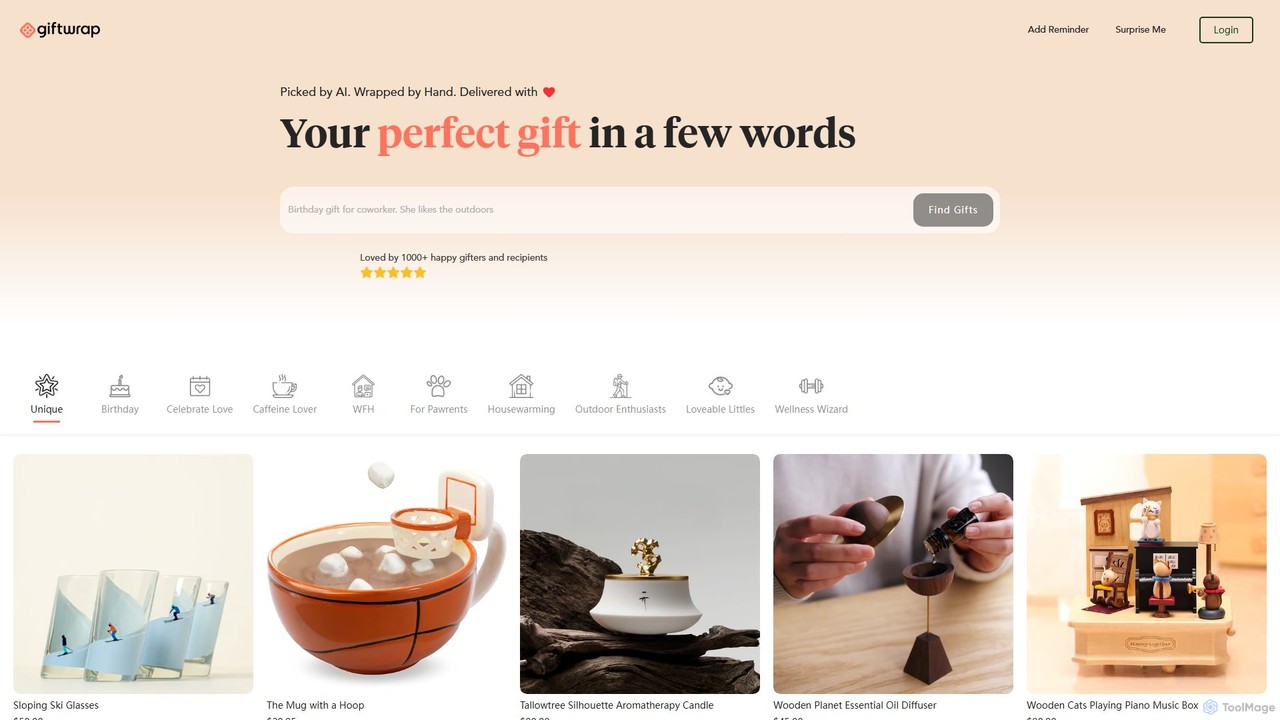
Giftwrap is an AI-powered gift recommendation engine and curated marketplace. Simply describe the person and the occasion in …
Giftwrap is an AI-powered gift recommendation engine and curated marketplace. Simply describe the person and the occasion in a few words, and the AI will generate a personalized list of unique and thoughtful gift ideas. It combines artificial intelligence for selection with a human touch for presentation.
Gyftter
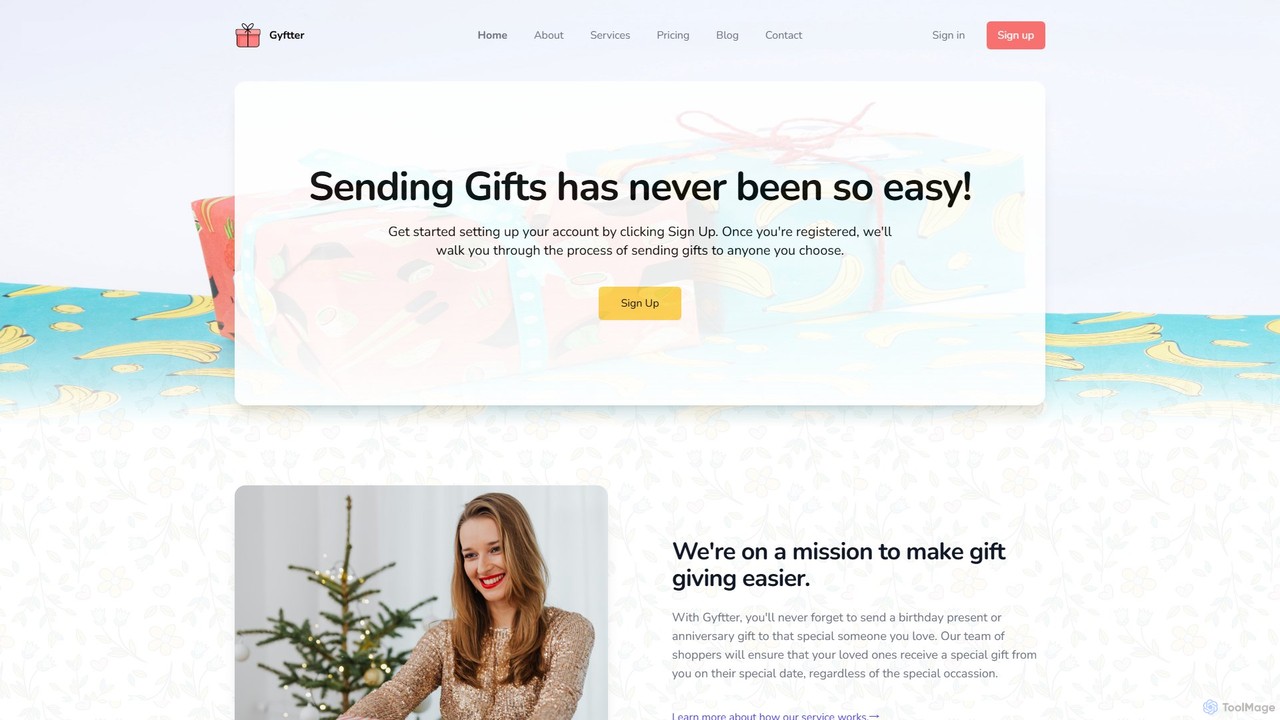
Gyftter is an AI-powered, automated gift-giving service designed to eliminate the stress of shopping for special occasions. By …
Gyftter is an AI-powered, automated gift-giving service designed to eliminate the stress of shopping for special occasions. By creating a profile for your loved ones, setting a budget, and defining events like birthdays or anniversaries, Gyftter's team of expert shoppers, guided by smart recommendations, selects, wraps, and ships the perfect gift on your behalf. It ensures you never miss an important date and that your gift arrives thoughtfully prepared and on time.
About Personalized Shopping
Personalized Shopping tools are a class of AI-powered software that tailors the e-commerce experience to each individual user. These tools analyze vast amounts of data, including browsing history, purchase patterns, and real-time on-site behavior, to predict user intent. By doing so, they dynamically adjust product recommendations, search results, and promotional offers. This approach transforms a generic online store into a personal boutique for every visitor, significantly boosting engagement and conversion rates.
Core Features
- Dynamic Product Recommendations: Suggests relevant items based on real-time user activity and historical data.
- Behavioral Analysis & Segmentation: Automatically groups users into micro-segments based on their actions and preferences for targeted marketing.
- Personalized Search & Navigation: Customizes search results and category sorting to match individual user interests.
- AI-Powered Merchandising: Optimizes the display of products across the site for each visitor to maximize revenue.
- Personalized Offers & Content: Delivers unique discounts, banners, and content tailored to specific user segments.
Use Cases
These tools are primarily used by e-commerce businesses across sectors like fashion, electronics, beauty, and home goods. Digital marketing teams and e-commerce managers leverage them to create tailored homepage experiences, targeted email campaigns with dynamic product blocks, and personalized on-site pop-ups to reduce cart abandonment.
How to Choose
When selecting a Personalized Shopping tool, evaluate its integration capabilities with your e-commerce platform (e.g., Shopify, Magento, BigCommerce). Assess the sophistication of its AI algorithms and the level of control you have over recommendation logic. Also, consider its data privacy compliance (GDPR, CCPA) and its built-in A/B testing features to validate personalization strategies.

Personalized ShoppingUse Cases
Creating Dynamic 'For You' Product Recommendations
An e-commerce manager for a fashion brand uses a personalized shopping tool to enhance the user experience. The AI analyzes a visitor's real-time clicks, items added to the cart, and past purchase history. Based on this data, it generates a unique 'Recommended for You' section on the homepage and product pages. This not only helps with product discovery but also effectively cross-sells complementary items, leading to a measurable increase in average order value and customer session duration.
Personalizing Email Marketing Campaigns
A digital marketer for an electronics store aims to improve email engagement. Using a personalization tool, they segment their audience based on behavior, such as 'users who viewed high-end headphones but didn't purchase'. The tool then dynamically populates marketing emails with personalized product suggestions, related accessories, and even a unique, time-sensitive offer. This targeted approach results in significantly higher open rates, click-through rates, and conversions compared to generic, one-size-fits-all email blasts.
Optimizing On-Site Search Results
An online bookstore uses a personalized shopping tool to re-rank search results for each user. When a customer who frequently buys science fiction novels searches for 'new releases', the AI algorithm prioritizes new sci-fi books at the top of their results. For another user interested in cookbooks, the same search query would yield different, more relevant results. This customization of search improves product discovery, reduces search abandonment, and directly contributes to higher sales by making it easier for customers to find what they are most likely to buy.
Recovering Abandoned Carts with Personal Offers
A subscription box company faces a high cart abandonment rate. They implement a personalization tool to trigger intelligent recovery emails. Instead of a generic 'You left something behind' message, the AI analyzes the user's profile and the items in the cart. It might offer a small, unique discount on a high-margin item or suggest a slightly cheaper alternative. This tailored approach feels less like a mass marketing tactic and more like a helpful nudge, effectively increasing the cart recovery rate and capturing otherwise lost revenue.
Tailoring Website Content and Banners
A home goods retailer uses personalization AI to dynamically change its homepage banner and featured content. A first-time visitor might see a general 'Welcome' offer. A returning customer from a cold climate who previously viewed winter bedding will be shown a banner for new flannel sheets and electric blankets. This content individualization makes the website feel more relevant and welcoming, encouraging users to explore deeper into the site and increasing the likelihood of a purchase on each visit.
A/B Testing Personalization Strategies
A user experience (UX) team wants to determine the most effective recommendation algorithm for their site. They use the personalization tool's built-in A/B testing feature to run an experiment. For two weeks, 50% of visitors are shown recommendations from 'Algorithm A' (based on collaborative filtering), while the other 50% see recommendations from 'Algorithm B' (based on top sellers). The tool tracks key metrics like conversion rate and average order value for each group, providing clear, data-driven evidence to decide which personalization strategy to implement site-wide.