
Ecommerce Best in category 1 results Price Tracker AI Tool

Popular AI tools in the Price Tracker field of Ecommerce include Moonsift, etc., helping you quickly improve efficiency.

Free
Moonsift

Moonsift

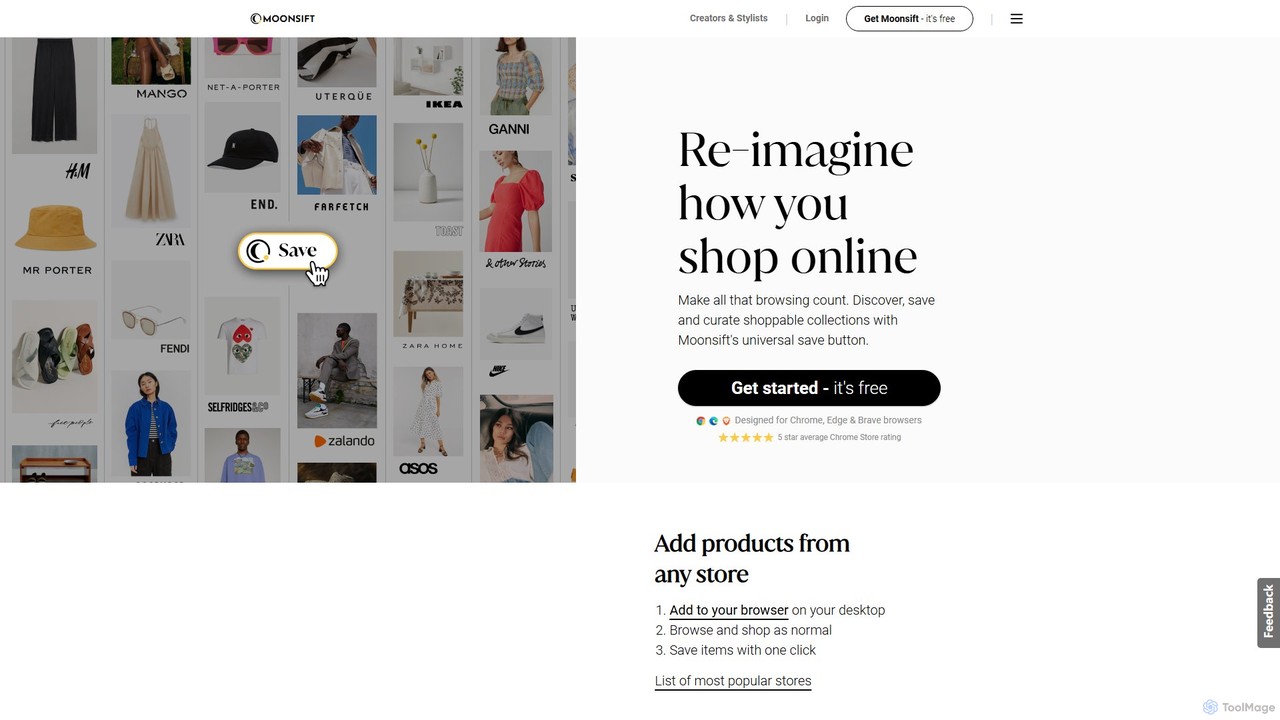
Moonsift is an AI-powered shopping assistant that revolutionizes your online shopping. It allows you to save products from …

269.1K

About Price Tracker

Price Tracker tools are specialized software solutions that automatically monitor, record, and analyze product price changes across various online platforms. Leveraging web scraping and data analysis technologies, these tools collect real-time and historical pricing data from competitor websites, marketplaces, and direct-to-consumer stores. This enables businesses to maintain competitive pricing strategies and helps consumers make informed purchasing decisions by identifying the best deals. They are a crucial component within the broader ecommerce toolkit for data-driven decision-making.

Core Features

  • Automated Price Monitoring: Continuously tracks prices of specific products or entire categories across multiple websites without manual intervention.
  • Historical Price Charts: Visualizes price fluctuation over time, helping to identify trends, seasonality, and optimal purchase times.
  • Real-time Alerts: Sends instant notifications via email or other channels when a price drops, increases, or a product comes back in stock.
  • Competitor Analysis: Compares your product prices directly against key competitors, highlighting opportunities for strategic adjustments.
  • Data Export & API Access: Allows users to export raw pricing data for further analysis or integrate tracking data into other business systems like dynamic pricing engines.

Use Cases

Price Trackers are widely used by ecommerce managers for competitive intelligence, marketing teams for optimizing promotional campaigns, and procurement specialists for monitoring supplier costs. Individual consumers also use them extensively for personal shopping to find the lowest prices on desired items, from electronics to travel tickets.

How to Choose

When selecting a Price Tracker, consider the scope of websites it can monitor, the frequency of price checks (from daily to near real-time), the customization options for alerts, and its ability to integrate with other platforms via API. Also, evaluate the quality of data visualization and reporting features to ensure they meet your analytical needs.

Price TrackerUse Cases

1

Competitive Pricing Analysis for Retailers

An ecommerce manager for an online electronics store uses a Price Tracker to monitor the prices of the top 50 best-selling smartphones on three major competitor websites. The tool is configured to scan prices every hour and send a daily summary report. By analyzing this data, the manager identifies that a key competitor consistently lowers prices on weekends. In response, they implement a 'Weekend Price Match' promotion, adjusting their own prices dynamically to remain competitive, which leads to a 15% increase in weekend sales for those specific products.

2

Consumer Deal Hunting for Major Purchases

A consumer planning to buy a new high-end camera sets up price alerts on a Price Tracker for that specific model across five major online retailers. They set a target price that is 20% below the current market average. Over the next two months, they receive several notifications about minor price drops. Finally, during a flash sale event, they receive an alert that the camera's price has dropped below their target. They make the purchase immediately, saving over $400 compared to the initial price, demonstrating how these tools empower consumers to time their purchases optimally.

3

Monitoring MAP Compliance for Brands

A brand manager for a luxury watch company uses a Price Tracker to enforce its Minimum Advertised Price (MAP) policy. The tool is set to monitor dozens of authorized online retailers and marketplaces for their products. When a retailer lists a watch below the MAP, the system automatically takes a screenshot as evidence and sends an immediate alert to the brand protection team. This automated monitoring allows the company to quickly identify and address violations, protecting their brand's premium positioning and ensuring fair competition among their retail partners.

4

Dynamic Pricing for E-commerce Stores

An online fashion retailer integrates a Price Tracker's API with their e-commerce platform. They set up rules to automatically adjust the prices of last season's collection based on competitor stock levels and pricing. For example, if a major competitor runs out of stock for a similar jacket, their system automatically increases the price of their own jacket by 5%. Conversely, if competitors drop prices, their system matches the lowest price to remain attractive. This dynamic approach helps maximize profit margins on popular items and clear out old inventory efficiently without constant manual oversight.

5

Market Research for New Product Launch

A product manager at a consumer electronics company is preparing to launch a new wireless earbud. Before setting the final price, they use a Price Tracker to monitor the entire wireless earbud category on major retail sites for three months. The tool gathers data on price points of competing products, promotional cycles, and discount depths. The historical price charts reveal that prices in this category are most stable in the quarter after the holiday season. Based on this insight, they decide to launch their product with an introductory price slightly below the market leader's to capture initial market share, and plan their first major promotion to coincide with a competitor's typical quiet period.

6

Optimizing Procurement for Manufacturing

A procurement manager for a furniture manufacturer needs to purchase large quantities of raw lumber. They use a Price Tracker to monitor the price of specific types of wood from multiple national and international suppliers. The tool tracks daily price fluctuations influenced by market demand, supply chain issues, and currency exchange rates. By analyzing the historical price data, the manager identifies a seasonal pattern where prices are lowest in late spring. They adjust their purchasing schedule to buy in bulk during this period, resulting in an annual cost saving of 8% on their primary raw material.

Price TrackerFrequently Asked Questions