Ecommerce Best in category 5 results Product Design AI Tool

Popular AI tools in the Product Design field of Ecommerce include PatternedAI、Package Design、Wondr AI、ClothingAI、Off/Script, etc., helping you quickly improve efficiency.

ClothingAI

ClothingAI

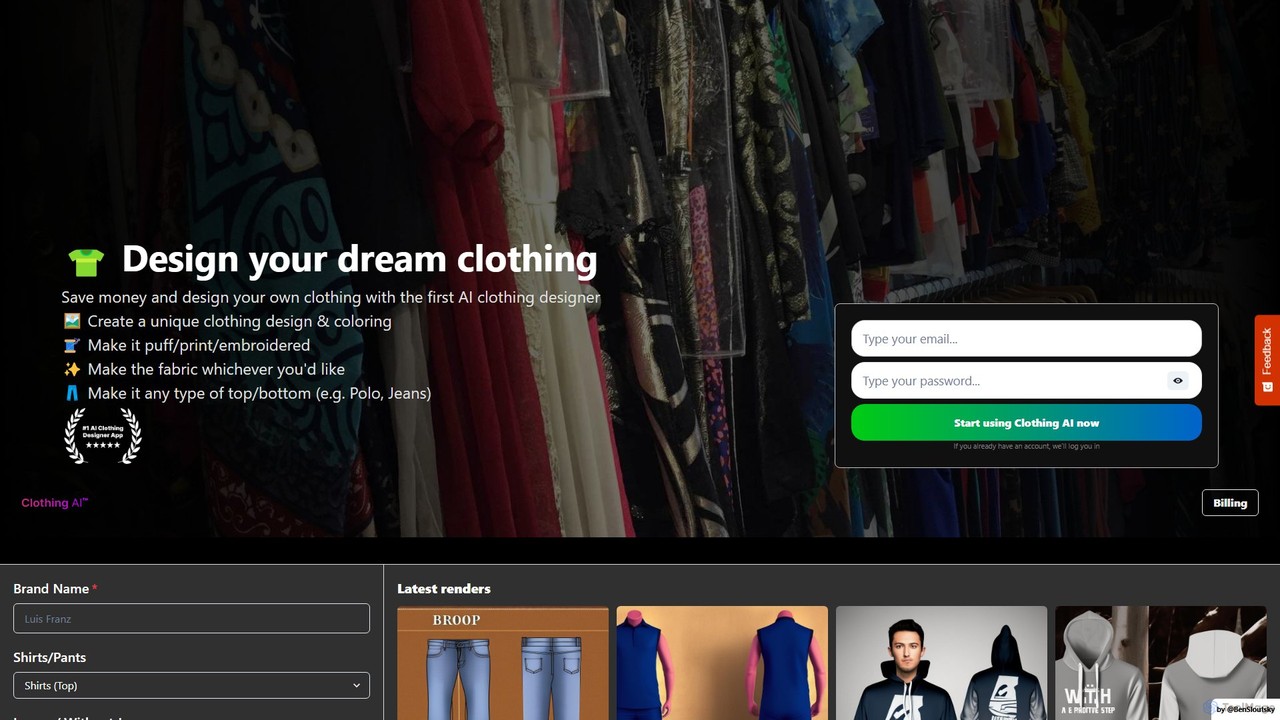
ClothingAI is a specialized AI fashion designer that transforms your ideas into unique clothing designs. Generate concepts for …

4.6K
Wondr AI

Wondr AI

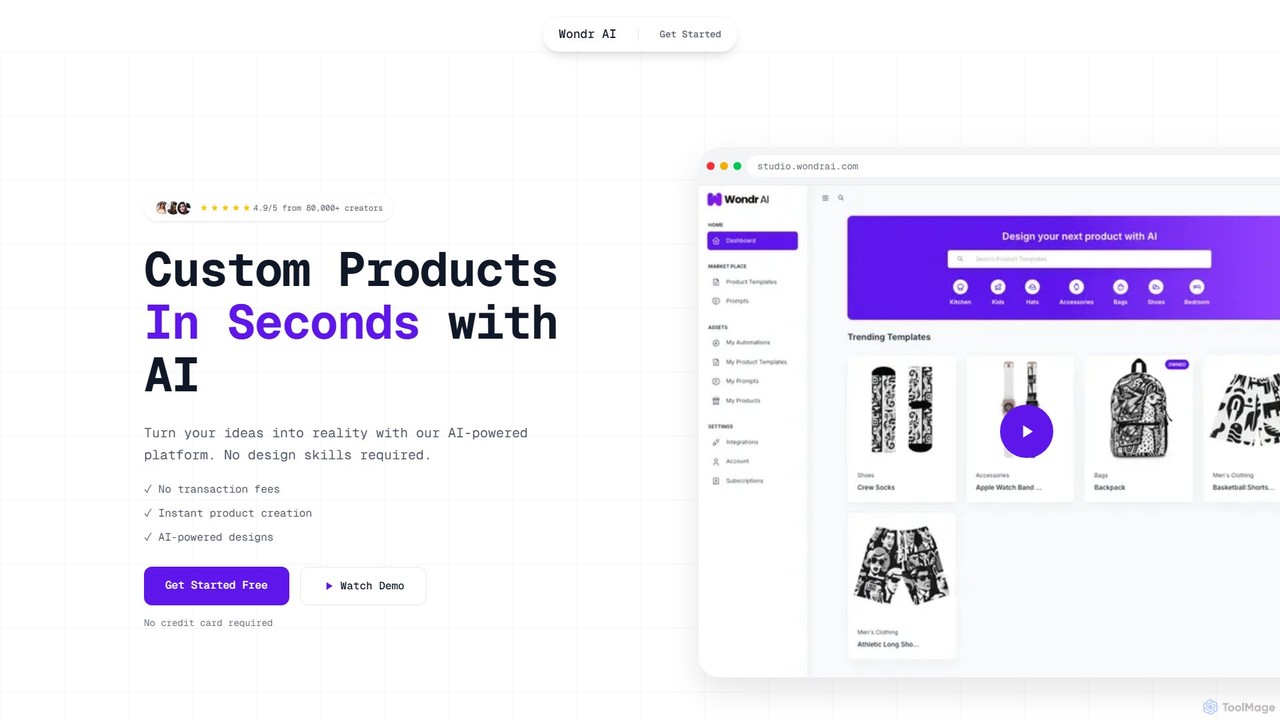
Wondr AI is an AI-powered platform designed for the Print-On-Demand (POD) industry. It enables creators and entrepreneurs to …

5.0K
Off/Script

Off/Script

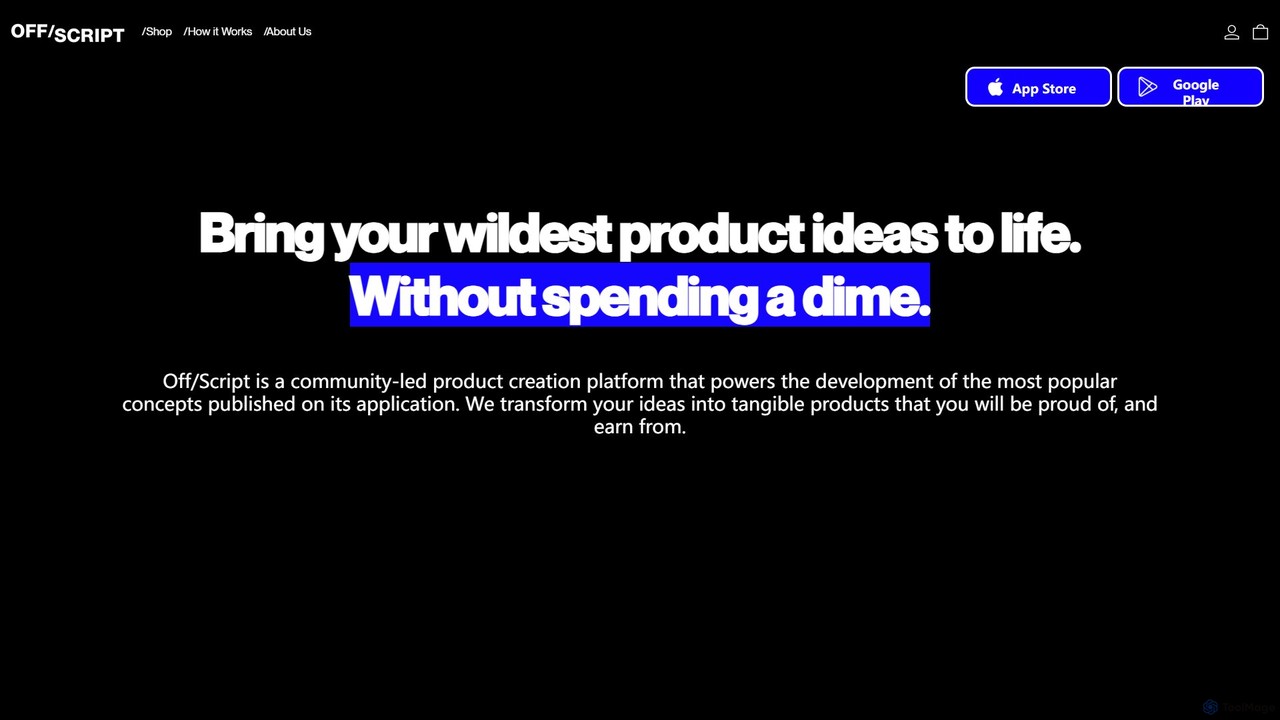
Off/Script is a community-led platform that uses AI to help creators design and launch physical products, like fashion …

2.9K
Package Design

Package Design

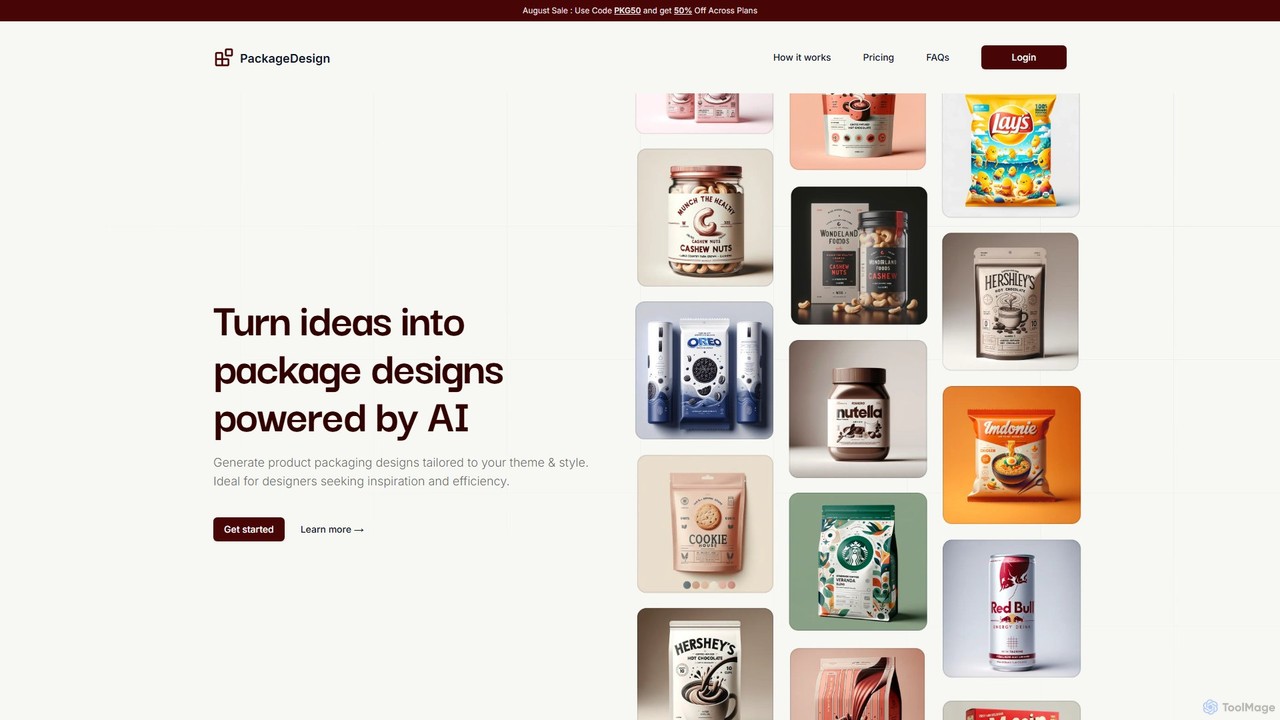
An AI-powered tool that transforms your ideas into unique, professional product packaging designs. Simply input your product details, …

6.2K
PatternedAI

PatternedAI

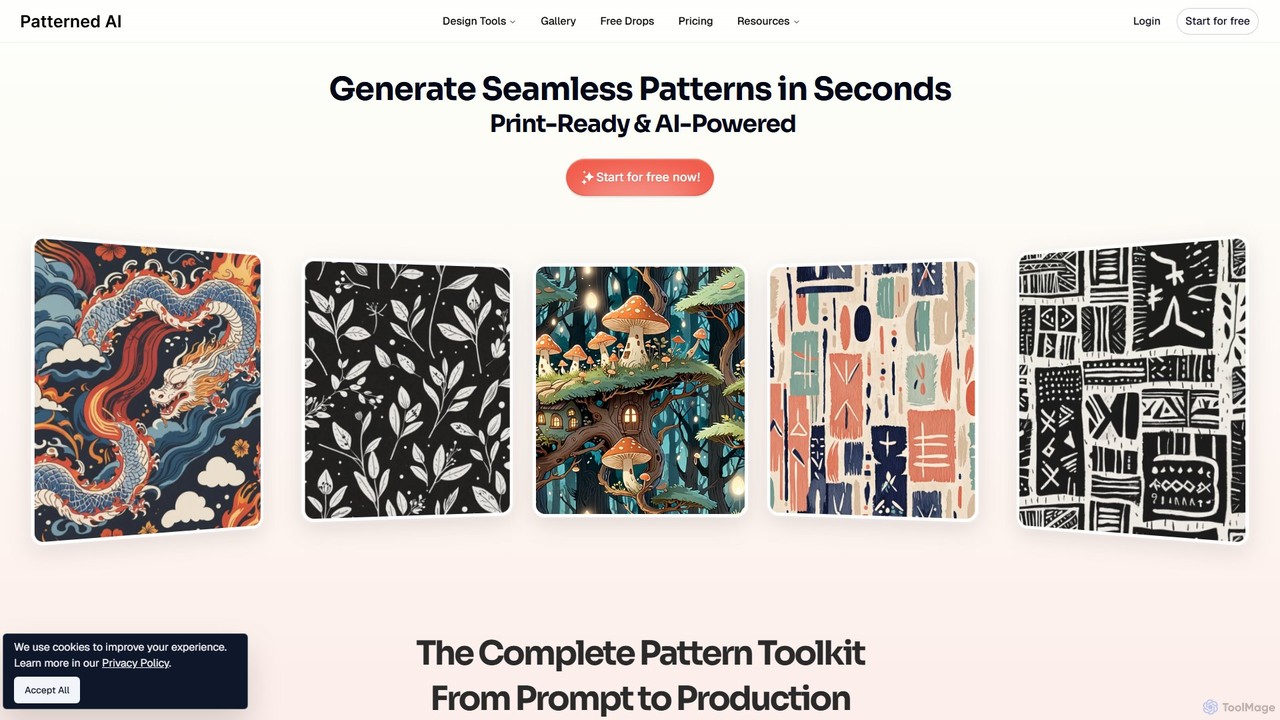
PatternedAI is an AI-powered platform for generating unique, seamless, and print-ready patterns in seconds. Designed for brands and …

79.4K

About Product Design

Product Design AI tools are intelligent software solutions that leverage artificial intelligence to assist and enhance various stages of the product development lifecycle. These tools utilize machine learning, generative AI, and data analytics to automate repetitive tasks, generate innovative design variations, analyze user feedback, and optimize product features. Their primary value lies in streamlining design workflows, accelerating iteration cycles, improving user experience, and enabling data-driven design decisions for both digital and physical products. They offer predictive insights and rapid prototyping capabilities, significantly reducing time-to-market and development costs.

Core Features

  • Generative Design: Automatically creates diverse design options and variations based on specified parameters and constraints.
  • User Feedback Analysis: Processes and extracts actionable insights from customer reviews, surveys, and usability test data.
  • Prototyping & Mockup Generation: Quickly generates interactive prototypes or high-fidelity mockups from basic inputs or wireframes.
  • Design System Management: Helps maintain consistency, scalability, and version control for design components and guidelines.
  • Predictive Analytics: Forecasts user preferences, market trends, and potential design performance to inform strategic choices.

Applicable Scenarios

These tools are invaluable for UI/UX designers iterating on interfaces, industrial designers exploring novel product forms, and product managers validating concepts. They enable rapid experimentation with layouts and features, optimize material usage, and provide data-backed insights for feature prioritization, accelerating the entire design process.

How to Choose

When selecting an AI product design tool, consider its integration capabilities with your existing design software (e.g., Figma, Sketch) and project management platforms. Evaluate the breadth and quality of its generative design features, the depth of its data analysis for user feedback, and its overall ease of use. Customization options and the ability to fine-tune AI outputs are also crucial for maintaining creative control.

Product DesignUse Cases

1

Rapid UI/UX Iteration for App Features

UI/UX designers leverage AI product design tools to quickly generate multiple layout, color scheme, and component variations for new mobile app features. By inputting design parameters and user flow requirements, the AI provides diverse options, allowing designers to rapidly test and refine interfaces based on simulated user feedback, significantly accelerating the design iteration process.

2

Personalized E-commerce Product Display

E-commerce platforms utilize AI to dynamically design and optimize personalized product recommendation interfaces for individual users. Based on browsing history, purchase patterns, and demographic data, the AI generates unique layouts and content arrangements that maximize engagement and conversion rates, creating a highly tailored shopping experience.

3

Automated Product Image Enhancement for Online Stores

Online retailers employ AI tools to automatically process and enhance hundreds of product images for their e-commerce listings. This includes background removal, lighting adjustments, color correction, and consistent sizing, ensuring high-quality, uniform visuals across all product pages without manual, time-consuming editing.

4

Generative Industrial Design for Custom Manufacturing

Industrial designers in sectors like automotive or consumer electronics use AI to explore thousands of unique product forms and material combinations. By defining functional constraints and aesthetic goals, the AI generates innovative designs, optimizing for factors like aerodynamics, ergonomics, or material efficiency, drastically shortening the ideation phase for custom products.

5

Data-Driven Feature Prioritization for Software Products

Product managers apply AI product design tools to analyze vast amounts of customer feedback, support tickets, and market research data. The AI identifies recurring pain points, emerging trends, and high-impact feature requests, providing data-backed insights that help prioritize development efforts and ensure new features align with user needs and business goals.

6

Automated Accessibility Auditing and Remediation

Design teams integrate AI tools to automatically scan UI designs for accessibility compliance, such as color contrast ratios, font legibility, and navigation flow for screen readers. The AI identifies potential issues and suggests specific improvements, helping designers create more inclusive products that meet WCAG standards without extensive manual checks.

Product DesignFrequently Asked Questions