Ecommerce Best in category 2 results Product Discovery AI Tool

Popular AI tools in the Product Discovery field of Ecommerce include Marqo、GroupBy, etc., helping you quickly improve efficiency.

Marqo

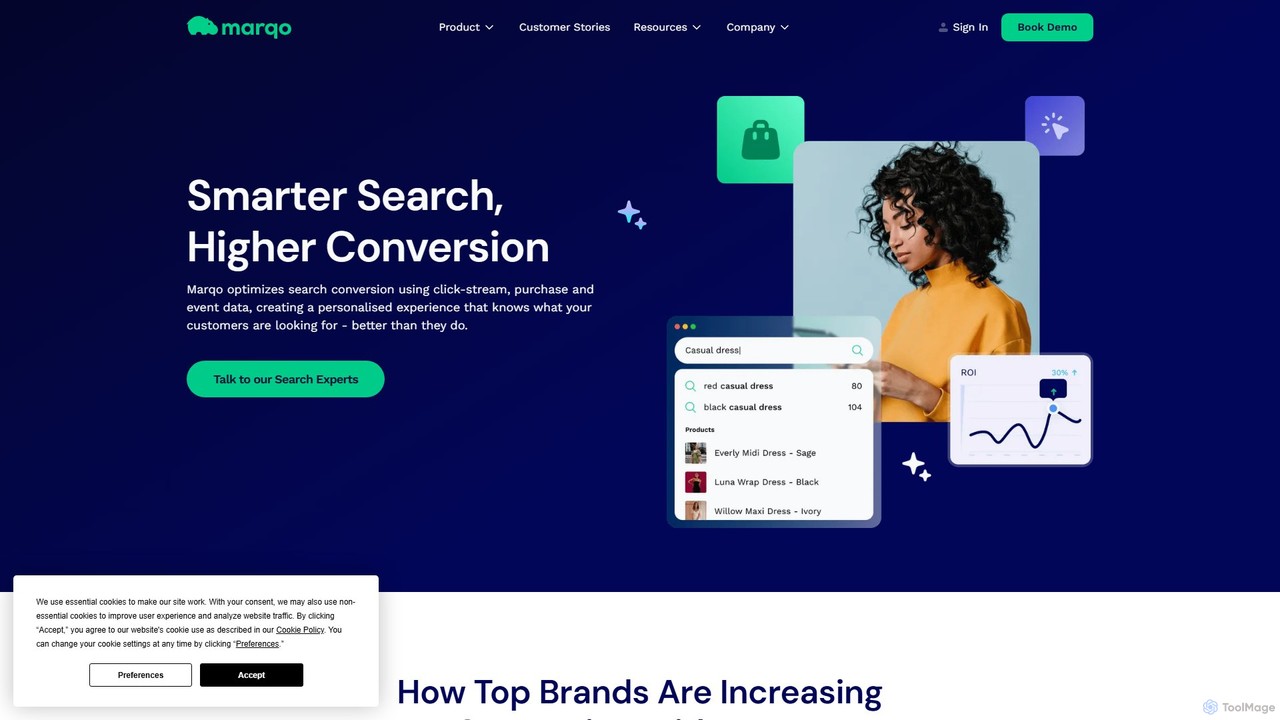
Marqo

Marqo is an AI-powered vector search engine designed for e-commerce. It replaces outdated keyword search with semantic, multimodal …

42.2K
GroupBy

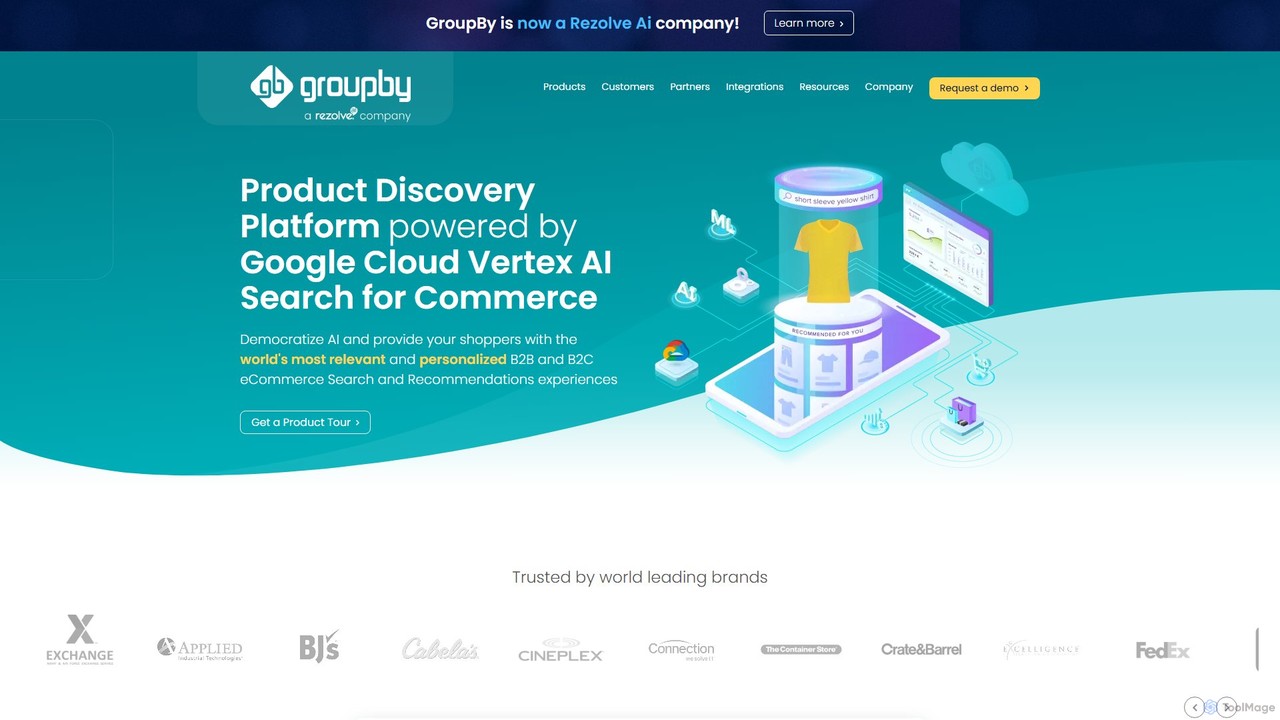
GroupBy

GroupBy is an AI-powered Product Discovery Platform for eCommerce, leveraging Google Cloud Vertex AI. It enhances online shopping …

8.4K

About Product Discovery

Product Discovery tools are AI-powered solutions designed to identify market opportunities, analyze consumer demand, and predict product success for businesses, particularly within e-commerce. These tools leverage machine learning and natural language processing to process vast datasets, uncovering emerging trends and unmet customer needs. They enable companies to make data-driven decisions, reducing risks and accelerating the launch of high-potential products.

Core Features

  • Market Trend Analysis: Identifies trending products, categories, and consumer interests across various platforms.
  • Competitor Intelligence: Analyzes competitor product portfolios, pricing strategies, and customer reviews to pinpoint gaps.
  • Demand Forecasting: Predicts future product demand based on historical data, seasonality, and external factors.
  • Customer Sentiment Analysis: Extracts insights from reviews and social media to understand preferences and pain points.
  • Product Idea Generation: Suggests new product concepts or improvements based on identified market opportunities.

Applicable Scenarios

E-commerce businesses seeking to expand their product lines, startups validating new product ideas, or established brands looking to optimize their offerings and stay ahead of market shifts will find these tools invaluable.

How to Choose

Consider the breadth of data sources, the accuracy of predictive analytics, integration capabilities with existing e-commerce platforms, and the clarity of insights provided. Evaluate the tool's ability to offer actionable recommendations rather than just raw data.

Product DiscoveryUse Cases

1

Identifying Niche Market Opportunities

An e-commerce startup uses AI product discovery to analyze search trends and social media discussions, uncovering underserved customer segments for sustainable pet products. This leads to the development of a new eco-friendly pet toy line, directly addressing a previously unrecognized market demand and gaining a competitive edge.

2

Optimizing Product Portfolio for Retailers

A large online retailer employs product discovery tools to evaluate the performance of existing products and identify underperforming items, while simultaneously suggesting new, high-demand products to add. This data-driven approach allows them to maximize inventory efficiency, reduce dead stock, and increase overall sales by aligning their offerings with current market preferences.

3

Validating New Product Concepts

A consumer electronics brand utilizes AI to gauge public interest and potential demand for a prototype smart home device by analyzing online discussions, competitor offerings, and patent trends. This crucial data informs their go/no-go decision for full-scale development, significantly reducing the risk of investing in products with low market appeal.

4

Enhancing Product Features Based on Feedback

A software-as-a-service (SaaS) company uses product discovery to analyze user reviews, support tickets, and forum discussions, identifying common pain points and feature requests. This data directly guides their product roadmap, ensuring new updates and functionalities address real user needs, leading to higher customer satisfaction and retention rates.

5

Predicting Fashion Trends for Apparel Brands

A fast-fashion brand leverages AI product discovery to scan social media, fashion blogs, and influencer content, predicting upcoming styles, colors, and fabric preferences. This allows them to rapidly design and produce collections that align with consumer preferences, minimizing unsold inventory and maximizing the timeliness of their offerings in a highly dynamic market.

6

Competitive Product Gap Analysis

A direct-to-consumer (DTC) brand uses product discovery to map out competitor offerings, pricing, and customer satisfaction scores across various channels. They identify specific product features or price points where competitors are weak or absent, allowing them to launch a differentiated product that fills a clear market void and captures new customer segments effectively.

Product DiscoveryFrequently Asked Questions