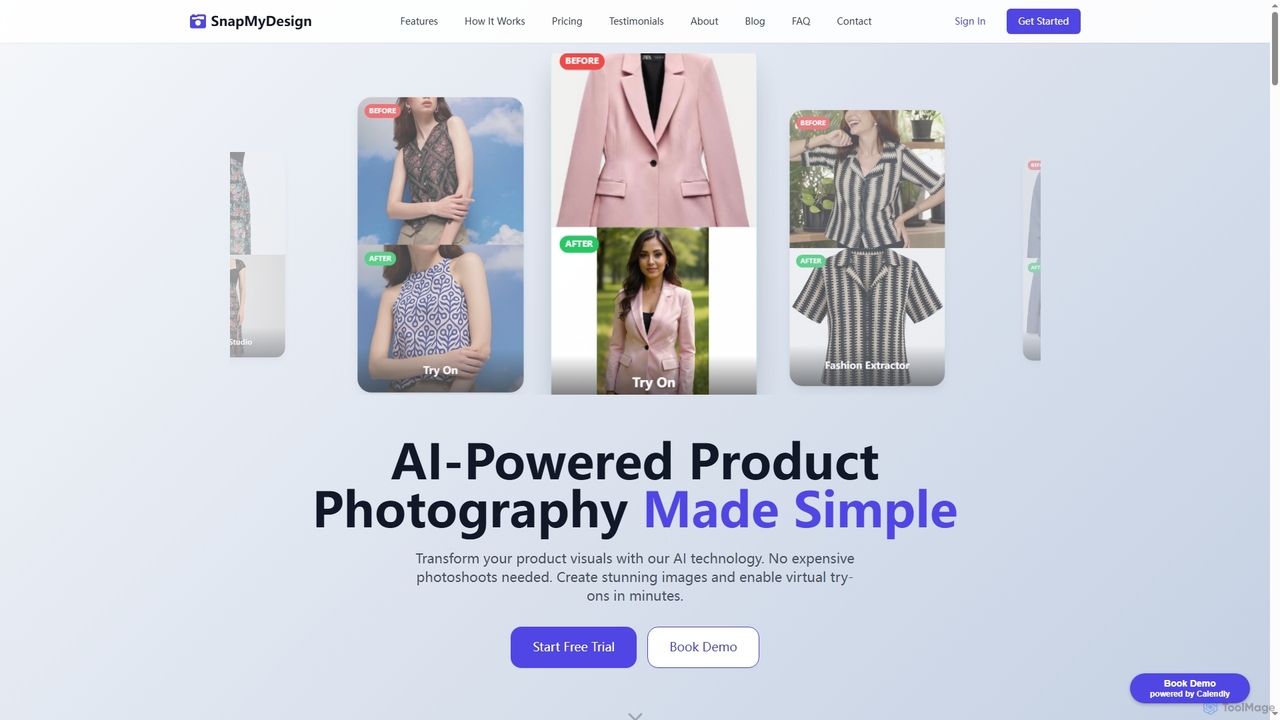
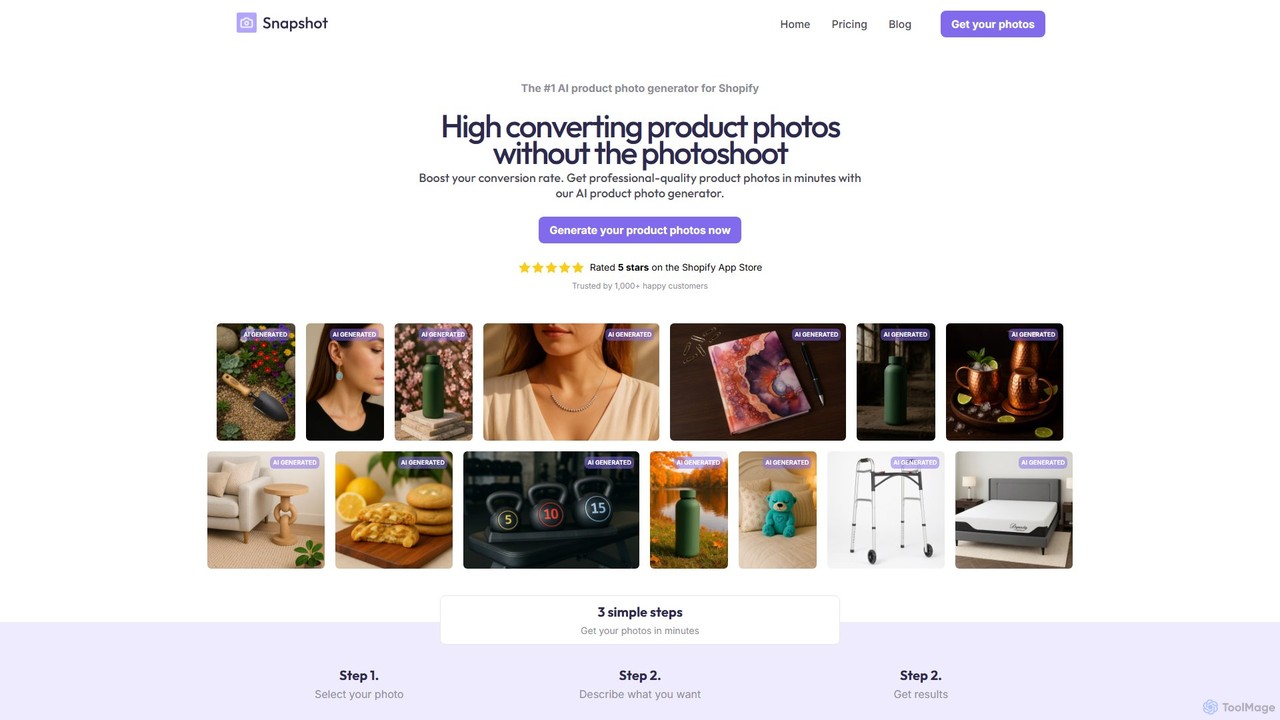
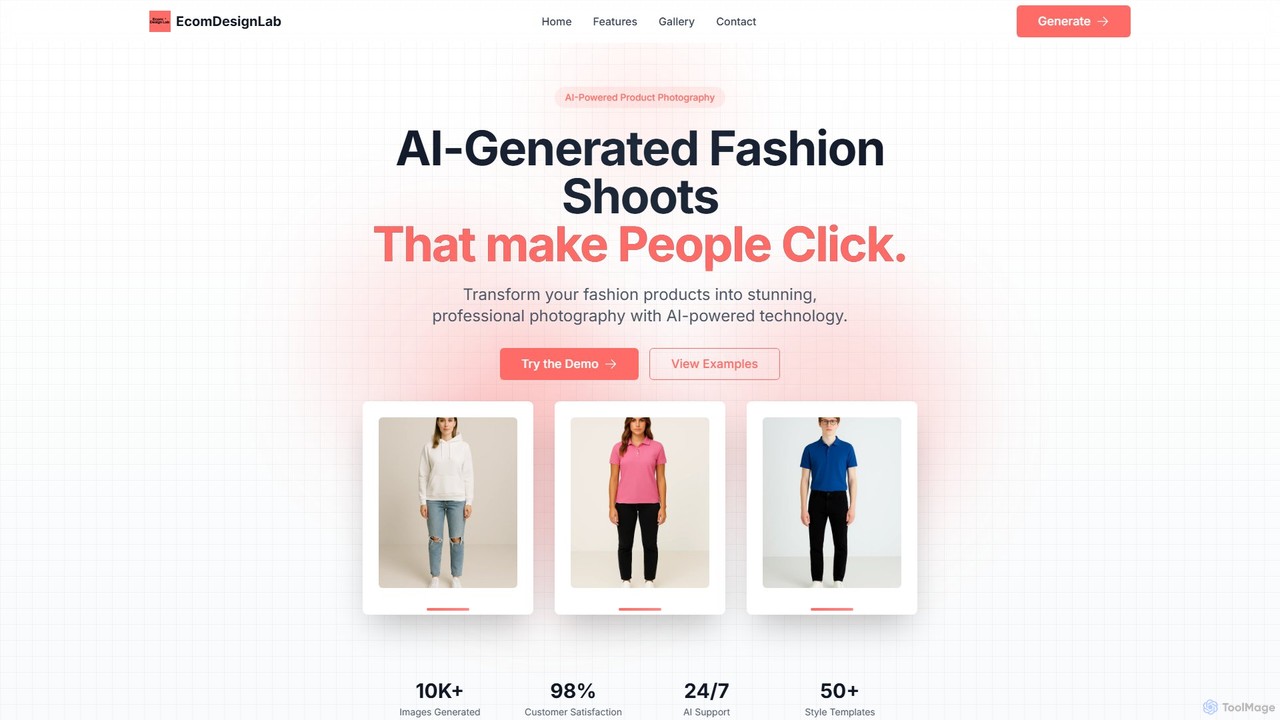
AI Product Photography tools are specialized applications that use generative AI to create high-quality, studio-level product images without a physical photoshoot. These tools typically take a user's existing product photo and place it into a new, AI-generated scene or apply professional lighting and shadows. This process dramatically reduces the cost, time, and logistical complexity of traditional photography, enabling e-commerce businesses to produce diverse visual assets at scale. They excel at creating clean catalog images, lifestyle shots, and social media content with remarkable speed and consistency.
Core Features
- AI Scene Generation: Creates custom backgrounds and complete environments from simple text prompts, placing the product in a relevant context.
- Template-Based Photoshoots: Offers a library of pre-designed professional scenes where users can instantly place their product images.
- Instant Background Removal: Automatically isolates the product from its original background with high precision for versatile use.
- Realistic Lighting and Shadows: Intelligently adds natural-looking shadows and reflections to make the product blend seamlessly into the new scene.
- Virtual Model Try-On: Generates images of apparel or accessories on a variety of AI-generated models, showcasing fit and style.
Use Cases
These tools are primarily used by e-commerce store owners, marketing teams, social media managers, and product designers. They are ideal for creating main product listing images for platforms like Shopify and Amazon, generating a high volume of ad creatives for digital campaigns, and producing professional mockups for websites and presentations. Small businesses and startups particularly benefit from the ability to create a polished brand image without a large budget.
How to Choose
When selecting an AI Product Photography tool, consider the following: First, evaluate the image quality and realism, paying close attention to the accuracy of shadows and textures. Second, assess the feature set—do you need text-to-image generation, pre-made templates, or batch processing capabilities? Third, consider the ease of use and workflow efficiency. Finally, compare pricing models, such as per-image credits versus monthly subscriptions, to find the most cost-effective option for your image volume.