Ecommerce Best in category 3 results Product Recommendations AI Tool

Popular AI tools in the Product Recommendations field of Ecommerce include obviyo、Glov.ai、redro.ai, etc., helping you quickly improve efficiency.

Glov.ai

Glov.ai

Glov.ai is a Stanford StartX-backed AI suite for e-commerce, utilizing over 130 AI-supervised "mini-robots" to increase conversion rates, …

3.8K
redro.ai

redro.ai

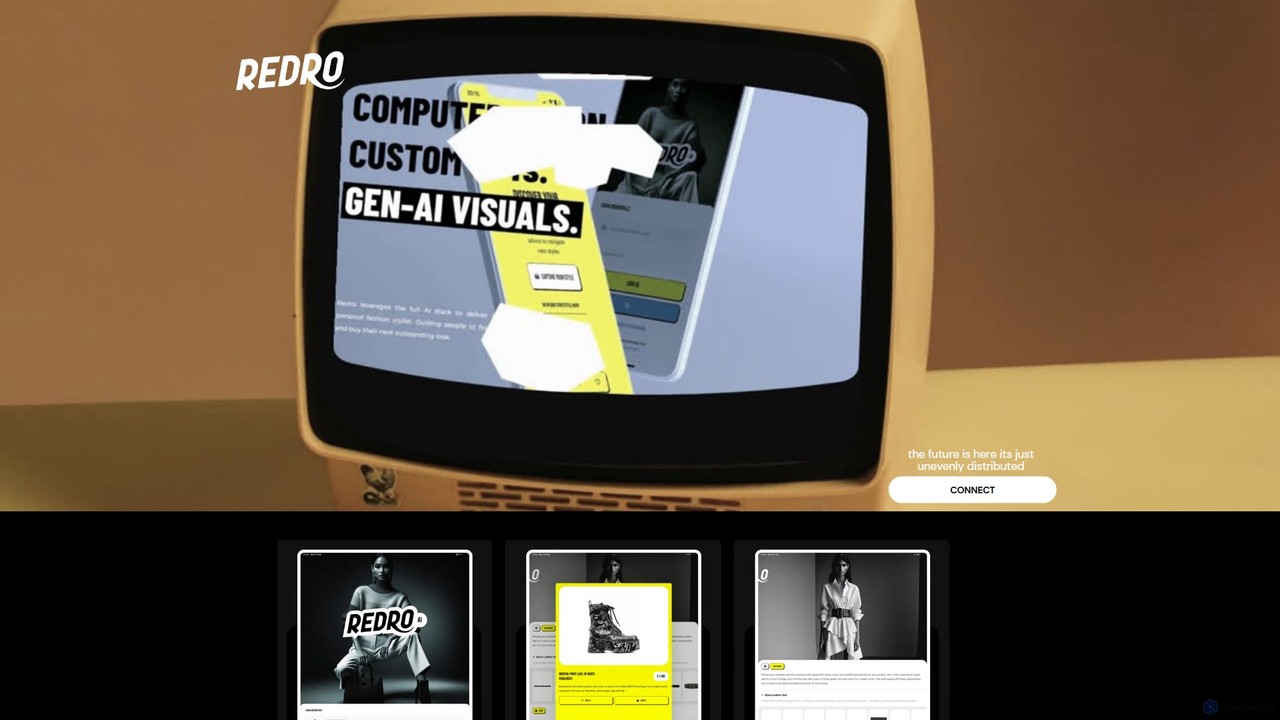
redro.ai is a dual-purpose AI platform for the fashion industry. It offers a B2B solution for brands to …

2.9K
obviyo

obviyo

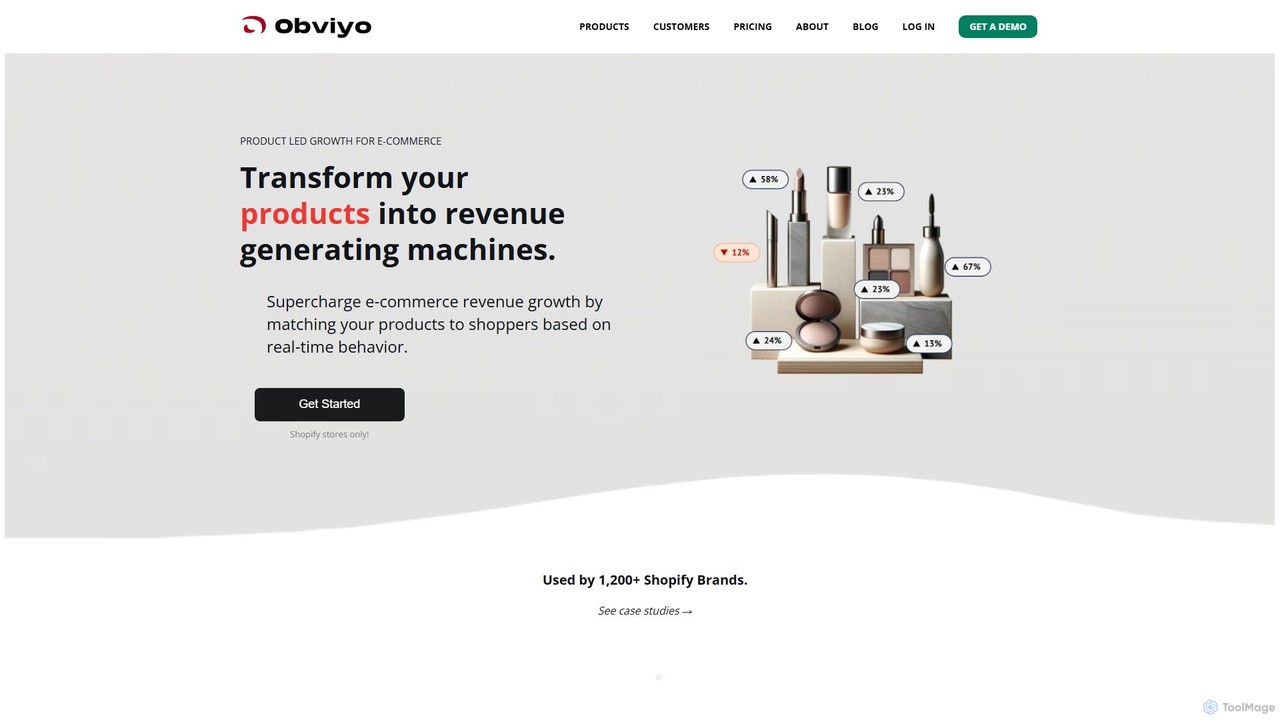
obviyo is an AI-powered Product-Led Growth platform designed exclusively for Shopify stores. It boosts e-commerce revenue by personalizing …

6.5K

About Product Recommendations

Product Recommendations are AI-powered tools specifically designed to personalize the online shopping experience for individual users. These sophisticated systems leverage advanced machine learning algorithms to analyze a vast array of data, including customer browsing behavior, past purchase history, demographic information, and detailed product attributes. Their primary function is to generate highly relevant and timely product suggestions, guiding users towards items they are most likely to be interested in. Within the broader Ecommerce landscape, these tools are not just a convenience; they are essential for enhancing customer engagement, significantly driving sales, and increasing the average order value by creating a tailored shopping journey for every visitor.

Core Features

  • Collaborative Filtering: This fundamental technique recommends products to a user based on the preferences and behaviors of other "similar" users, identifying hidden patterns in collective data.
  • Content-Based Filtering: By analyzing the characteristics and attributes of products a user has previously viewed, liked, or purchased, this method suggests new items that share similar features.
  • Hybrid Recommendation Engines: Combining the strengths of both collaborative and content-based approaches, these advanced engines provide more robust, accurate, and diverse suggestions, overcoming the limitations of single-method systems.
  • Real-time Personalization: These tools adapt product suggestions instantly based on a user's current browsing session, clicks, searches, and interactions, ensuring recommendations are always fresh and highly relevant to immediate intent.
  • A/B Testing & Optimization: Critical for continuous improvement, this feature allows businesses to test different recommendation algorithms, display strategies, and placement options to empirically determine which approaches maximize conversion rates and user satisfaction.

Applicable Scenarios

Online retailers extensively utilize product recommendation tools to dynamically populate sections like "Customers who bought this also bought" or "Related Products" on individual product pages, encouraging cross-selling and up-selling. E-commerce platforms also employ them to personalize homepage carousels, category pages, and search results, ensuring each visitor sees a unique and highly relevant product assortment. Furthermore, subscription box services leverage these systems to curate monthly selections tailored precisely to individual subscriber preferences and feedback, significantly enhancing customer satisfaction and retention.

How to Choose

When selecting an AI product recommendation tool, prioritize the sophistication and flexibility of its underlying algorithms, ensuring it supports a blend of collaborative, content-based, and hybrid models for comprehensive personalization. Evaluate its integration capabilities, verifying seamless connectivity with your existing e-commerce platform (e.g., Shopify, Magento, WooCommerce) and CRM systems. Consider its scalability to efficiently handle your growing product catalog and increasing user traffic without performance degradation. Finally, assess the level of customization and control offered, including options for fine-tuning recommendation rules, excluding specific products, and robust A/B testing functionalities to continuously optimize performance.

Product RecommendationsUse Cases

1

Personalized Homepage Product Carousels

E-commerce managers utilize AI product recommendation tools to dynamically populate homepage carousels with products tailored to each visitor's browsing history, past purchases, and inferred preferences. This personalization ensures that returning customers are greeted with highly relevant items, increasing engagement and the likelihood of them exploring new products or making a purchase, thereby boosting conversion rates.

2

Cross-Selling and Up-Selling on Product Pages

Online store owners deploy product recommendation engines to display relevant cross-sell items (e.g., "Customers who bought this also bought...") or up-sell suggestions (e.g., "Upgrade to the premium version") directly on product detail pages. This strategic placement encourages customers to add more items to their cart or choose higher-value products, significantly boosting the average order value and overall revenue.

3

Abandoned Cart Recovery with Smart Recommendations

Marketing teams integrate AI product recommendation engines into their abandoned cart recovery email campaigns. Instead of generic reminders, these emails include personalized suggestions for complementary products or alternative items based on the abandoned cart's contents and the user's browsing history. This intelligent approach significantly increases the chances of converting an abandoned cart into a completed purchase.

4

Personalized Email Marketing Content

Digital marketers leverage product recommendation APIs to embed highly relevant product suggestions directly into newsletters and promotional emails. By analyzing subscriber data and past interactions, the AI ensures that each recipient receives product recommendations tailored to their specific interests, leading to higher click-through rates, increased engagement, and ultimately, more conversions from email campaigns.

5

New Product Discovery and Trend Spotting

Retail analysts and product managers use AI recommendation systems not only to suggest existing products but also to identify emerging trends and introduce users to new arrivals that align with their inferred tastes. This helps in effective new product launches and ensures that customers are always aware of relevant additions to the catalog, fostering a sense of discovery and keeping the shopping experience fresh.

6

Personalized Content for Subscription Boxes

Subscription box service providers leverage AI product recommendation tools to curate monthly selections tailored precisely to individual subscriber preferences, feedback, and past box ratings. By analyzing a rich dataset of user interactions, the AI ensures that each subscriber receives a highly personalized and delightful assortment of products, significantly enhancing customer satisfaction and reducing churn rates.

Product RecommendationsFrequently Asked Questions