Ecommerce Best in category 2 results Product Sourcing AI Tool

Popular AI tools in the Product Sourcing field of Ecommerce include Keychain、Stylesi, etc., helping you quickly improve efficiency.

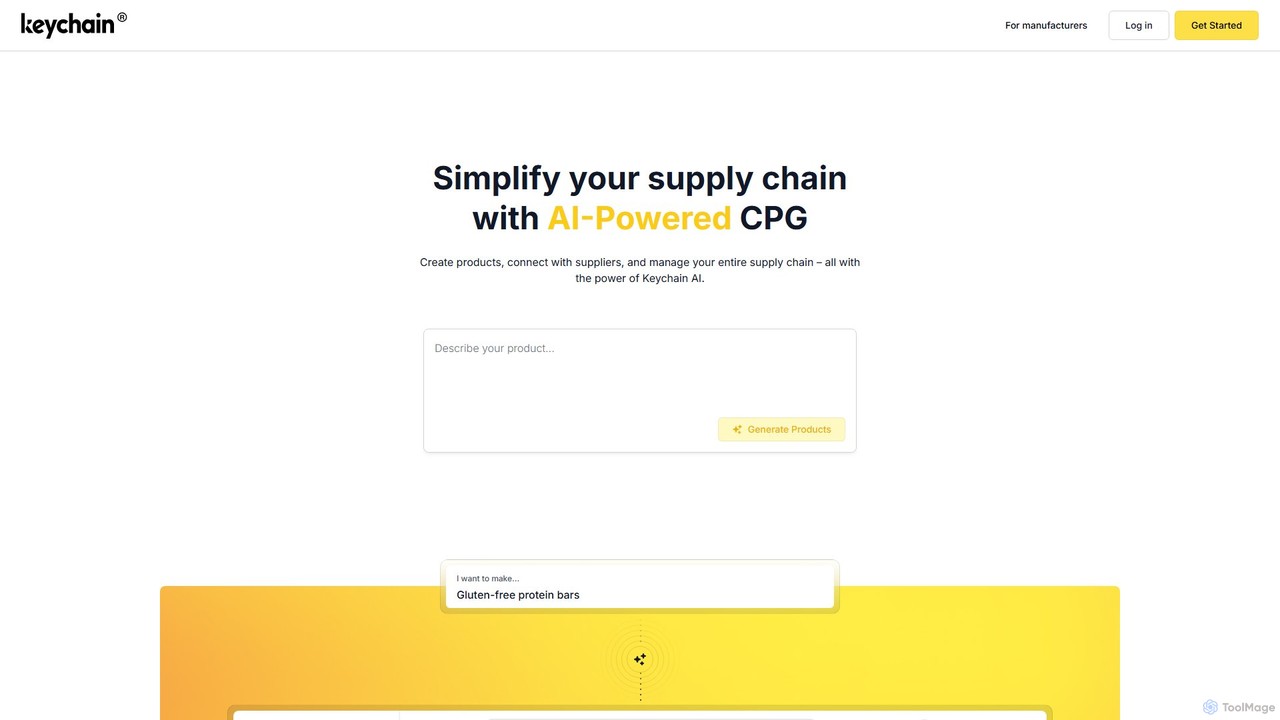
Keychain

Keychain

Keychain is an AI-powered platform for the Consumer Packaged Goods (CPG) industry. It simplifies the supply chain by …

139.9K
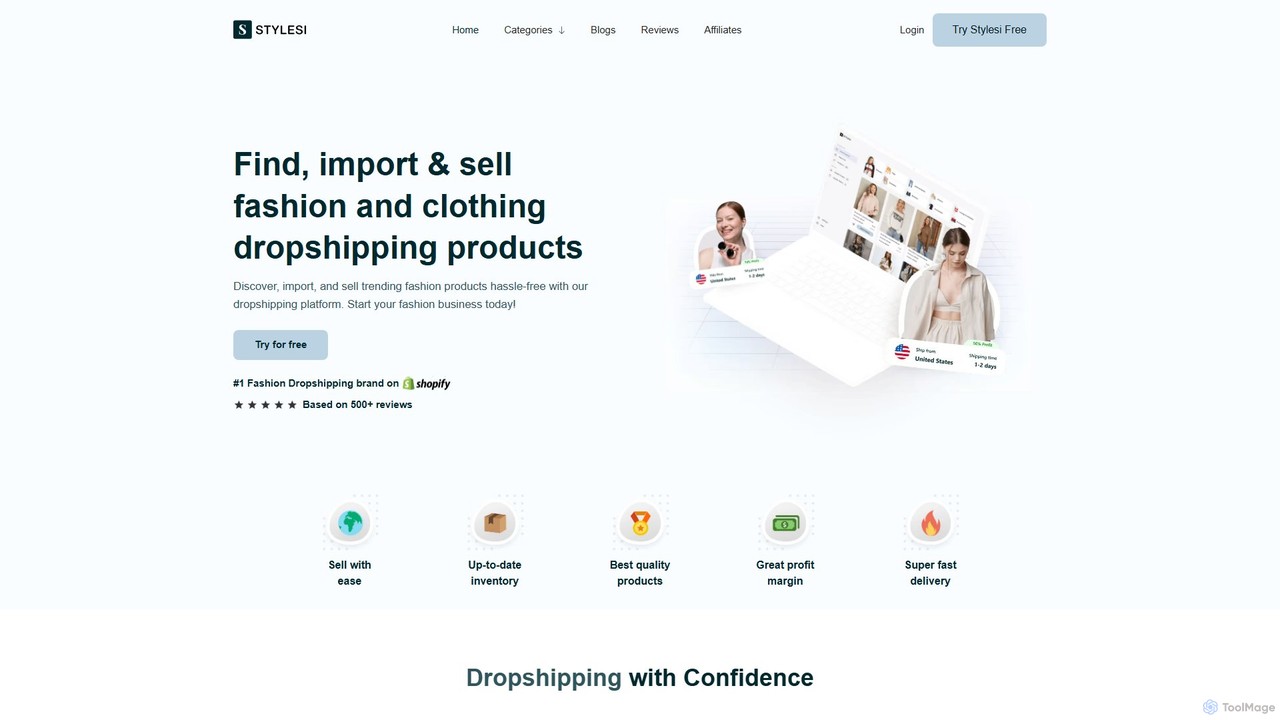
Stylesi

Stylesi

Stylesi is an AI-powered dropshipping platform specializing in the fashion industry. It enables e-commerce entrepreneurs to discover, import, …

25.4K

About Product Sourcing

AI Product Sourcing tools are specialized platforms that use artificial intelligence to identify profitable products for online retail. These tools analyze vast datasets, including market trends, sales velocity, competitor activity, and supplier metrics, to uncover high-potential opportunities. They empower e-commerce entrepreneurs and businesses to make data-driven decisions, significantly reducing the risk and time associated with manual product research. By automating the discovery process, these platforms provide a competitive edge in the dynamic e-commerce landscape.

Core Features

  • Trend Analysis & Prediction: Identifies emerging product trends and forecasts future demand using machine learning algorithms.
  • Profitability Calculation: Automatically estimates potential profit margins by factoring in product cost, shipping fees, and marketplace commissions.
  • Supplier Vetting: Analyzes supplier data, including reliability, shipping times, and reviews, to recommend trustworthy partners.
  • Competitor Intelligence: Assesses the competitive landscape for a product niche, including sales volume and pricing strategies of top sellers.
  • Niche Discovery: Uncovers underserved or low-competition market segments with high growth potential.

Use Cases

These tools are primarily used by dropshippers, Amazon FBA sellers, private label brand owners, and retail buyers. For instance, a dropshipper can quickly find a trending product with reliable suppliers, while an FBA seller can validate a niche for a new private label brand by analyzing historical sales data and competition levels.

How to Choose

When selecting an AI Product Sourcing tool, consider the data sources it covers (e.g., Amazon, AliExpress, Shopify). Evaluate the depth of its analytics, from basic trend spotting to comprehensive profitability breakdowns. Check for integrations with your e-commerce platform and ensure the pricing model aligns with your business scale. Finally, assess the user interface for ease of use.

Product SourcingUse Cases

1

Finding a Winning Product for Dropshipping

An aspiring dropshipper uses an AI tool to analyze real-time data from platforms like AliExpress. They set filters for high-profit margins, low competition, and a positive trend score. The tool identifies a 'portable blender' as a winning product, providing a list of vetted suppliers, estimated shipping costs, and target audience insights. This allows them to launch their Shopify store with a data-validated product, minimizing risk and accelerating their path to profitability.

2

Researching a Private Label Product for Amazon FBA

An Amazon FBA seller aims to launch a private label brand. They use an AI sourcing tool to scan Amazon's database for niches with high demand but low review counts. The tool highlights 'eco-friendly yoga mats' as a viable opportunity, providing data on keyword search volume, estimated monthly sales, and top competitors' revenue. It also analyzes customer reviews of existing products to identify common complaints, such as 'slippery surface,' offering crucial insights for product improvement.

3

Identifying Niche Market Opportunities

A marketing agency uses an AI product sourcing tool to discover underserved niches for its clients. By analyzing social media trends and search data, the tool highlights a growing interest in 'sustainable pet accessories.' It provides a detailed report on related keywords, audience demographics, and potential product ideas like biodegradable waste bags and recycled material toys. This insight allows the agency to advise their client to enter a specific, high-intent market before it becomes saturated.

4

Validating a New Product Idea with Data

An inventor has a concept for an innovative travel pillow. Before investing in manufacturing, they use an AI sourcing tool to validate market demand. The tool analyzes competitor sales, search trends for 'ergonomic travel pillow,' and customer reviews of existing products. The data confirms a market gap for their specific design features and suggests a viable price point, giving them the confidence and data-backed evidence to proceed with production and seek investment.

5

Optimizing Retail Store Inventory

A manager of a small retail chain uses an AI tool to inform their seasonal inventory sourcing. The tool analyzes their historical POS data alongside broader market trends and social media sentiment. It predicts a surge in demand for 'oversized linen shirts' and identifies wholesale suppliers with high ratings and fast shipping. This allows the manager to stock popular items proactively, avoid overstocking on less desirable products, and improve overall sales performance.

6

Sourcing from Reliable Suppliers

An established e-commerce store owner is experiencing issues with their current supplier's shipping delays. They use an AI product sourcing platform that includes a supplier vetting module. The tool analyzes supplier performance metrics like order fulfillment rate, shipping times, and customer reviews across multiple platforms. It recommends three alternative suppliers with higher reliability scores and comparable pricing, helping the owner switch partners smoothly and improve customer satisfaction.

Product SourcingFrequently Asked Questions