Ai Tools Best in category 1 results B2B AI Tool

Popular AI tools in the B2B field of Ai Tools include Keychain, etc., helping you quickly improve efficiency.

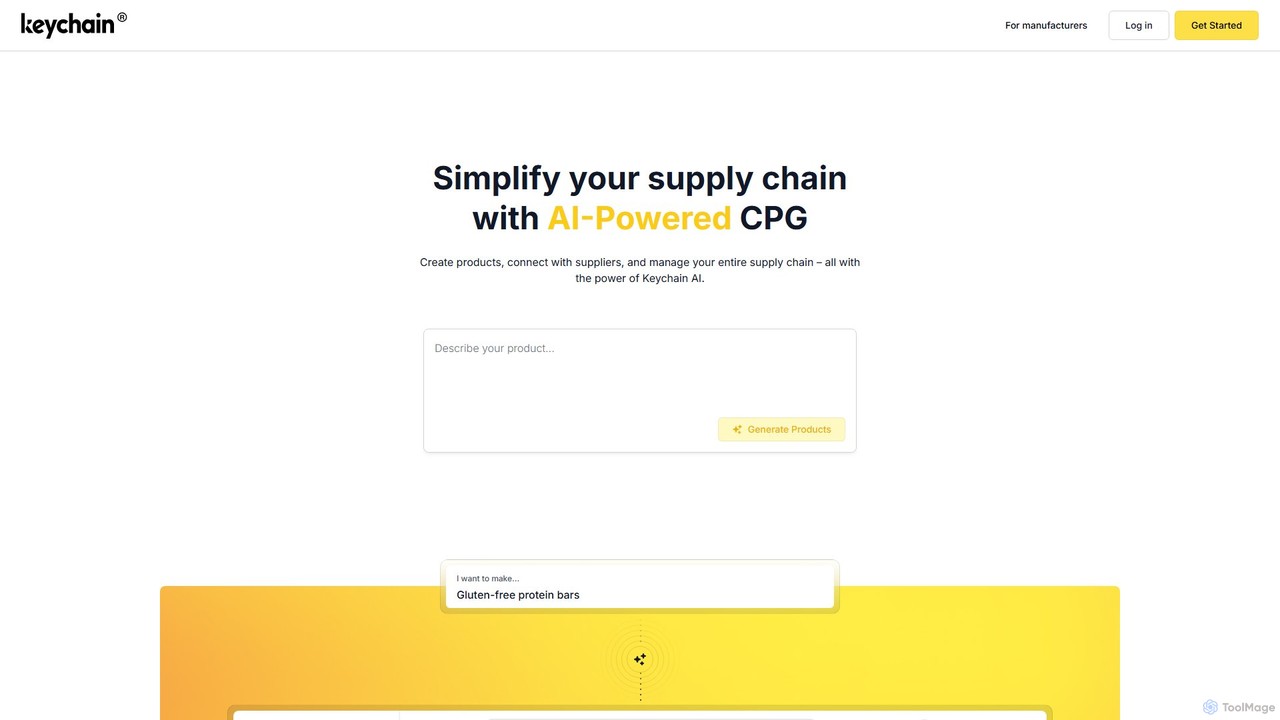
Keychain

Keychain

Keychain is an AI-powered platform for the Consumer Packaged Goods (CPG) industry. It simplifies the supply chain by …

139.3K

About B2B

B2B AI tools are a class of artificial intelligence solutions designed specifically to optimize business-to-business operations. These tools leverage machine learning and data analysis to address the unique challenges of B2B commerce, such as long sales cycles, complex decision-making units, and high-value transactions. They primarily focus on automating and enhancing processes in sales, marketing, and customer relationship management. By providing deep insights into accounts and predicting market trends, B2B AI tools help companies improve lead quality, personalize outreach, and build stronger client relationships.

Core Features

  • Predictive Lead Scoring: Analyzes data to identify and prioritize leads most likely to convert into high-value customers.
  • Sales Intelligence Automation: Gathers and organizes crucial information about prospects and accounts to inform sales strategies.
  • Account-Based Marketing (ABM) Personalization: Creates and delivers tailored marketing campaigns for specific target companies.
  • B2B Sales Forecasting: Uses historical data and market signals to generate accurate revenue and sales pipeline predictions.
  • Automated Contract Analysis: Reviews business contracts to identify risks, obligations, and key clauses quickly.

Applicable Scenarios

These tools are essential for sales teams, B2B marketers, and account managers in sectors like enterprise software, manufacturing, and professional services. For instance, a sales manager can use them to forecast quarterly revenue more accurately, while a marketing team can automate the personalization of content for a list of target enterprise accounts.

Selection Criteria

When choosing a B2B AI tool, prioritize its integration capabilities with your existing CRM and ERP systems. Evaluate the quality and source of its data, as well as its compliance with industry regulations like GDPR. Also, consider the tool's scalability to support your company's growth and the level of customization available to fit your specific industry needs.

B2BUse Cases

1

Automate Lead Qualification and Scoring

A Sales Development Representative (SDR) in a SaaS company uses a B2B AI tool to manage a high volume of inbound leads. The AI automatically enriches lead data with firmographic information and analyzes behavioral signals from website interactions. It then applies a predictive scoring model to rank each lead, allowing the SDR to focus their efforts exclusively on the top 10% of prospects who are most likely to close, significantly increasing conversion rates and sales efficiency.

2

Personalize Account-Based Marketing (ABM) Campaigns

A B2B marketing manager targets a list of 50 high-value enterprise accounts. Using an AI-powered ABM platform, they analyze the digital footprint of each target company, identifying key decision-makers and their specific pain points. The AI then recommends personalized content and messaging for each account. This allows the marketing team to launch highly relevant, automated campaigns across multiple channels, resulting in higher engagement rates and faster progression through the sales funnel.

3

Optimize B2B Sales Forecasting Accuracy

A sales director for a manufacturing firm needs to provide an accurate quarterly revenue forecast. They use a B2B AI tool that integrates with their CRM. The tool analyzes historical sales data, deal progression, seasonality, and external market indicators. It generates a dynamic forecast that is 30% more accurate than manual predictions, enabling better resource planning, inventory management, and more confident reporting to stakeholders.

4

Enhance B2B Customer Support with AI Chatbots

An enterprise software provider implements an AI chatbot on its support portal. Unlike simple B2C bots, this B2B chatbot is trained on technical documentation and can handle complex, multi-step troubleshooting queries from business clients. It resolves 60% of tier-1 support tickets instantly, 24/7. For more complex issues, it gathers necessary diagnostic information before seamlessly handing over the case, along with the full context, to a human agent, reducing resolution time significantly.

5

Streamline Procurement and Supplier Management

A procurement manager at a large corporation uses an AI tool to analyze spending across hundreds of suppliers. The AI identifies opportunities for cost savings by consolidating purchases and flags potential supply chain risks based on geopolitical and financial data. It also automates the process of vetting new suppliers by analyzing their compliance records and performance history, reducing manual research time by over 70% and enabling more strategic sourcing decisions.

6

Generate Technical Content for B2B Audiences

A content marketer for a cybersecurity firm needs to create in-depth white papers and technical blog posts to attract enterprise IT decision-makers. They use a B2B AI writing assistant trained on a vast corpus of technical documents. By providing an outline and key data points, the AI generates a well-structured, technically accurate draft. This accelerates the content creation process, allowing the marketer to produce high-quality, expert-level content at scale to fuel their lead generation efforts.

B2BFrequently Asked Questions