Ecommerce Best in category 2 results Returns Management AI Tool

Popular AI tools in the Returns Management field of Ecommerce include REVER、Saara, etc., helping you quickly improve efficiency.

Saara

Saara

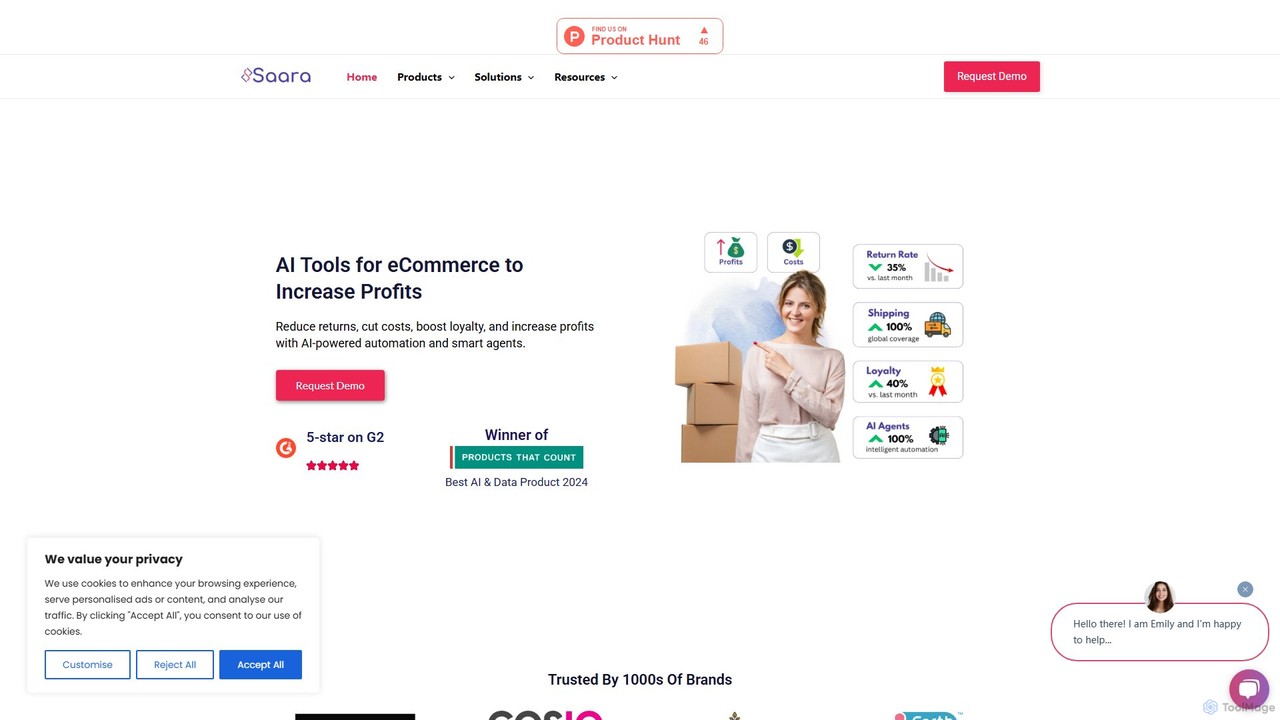
Saara is an AI-powered platform for eCommerce businesses designed to maximize profits by reducing returns, cutting operational costs, …

9.5K
REVER

REVER

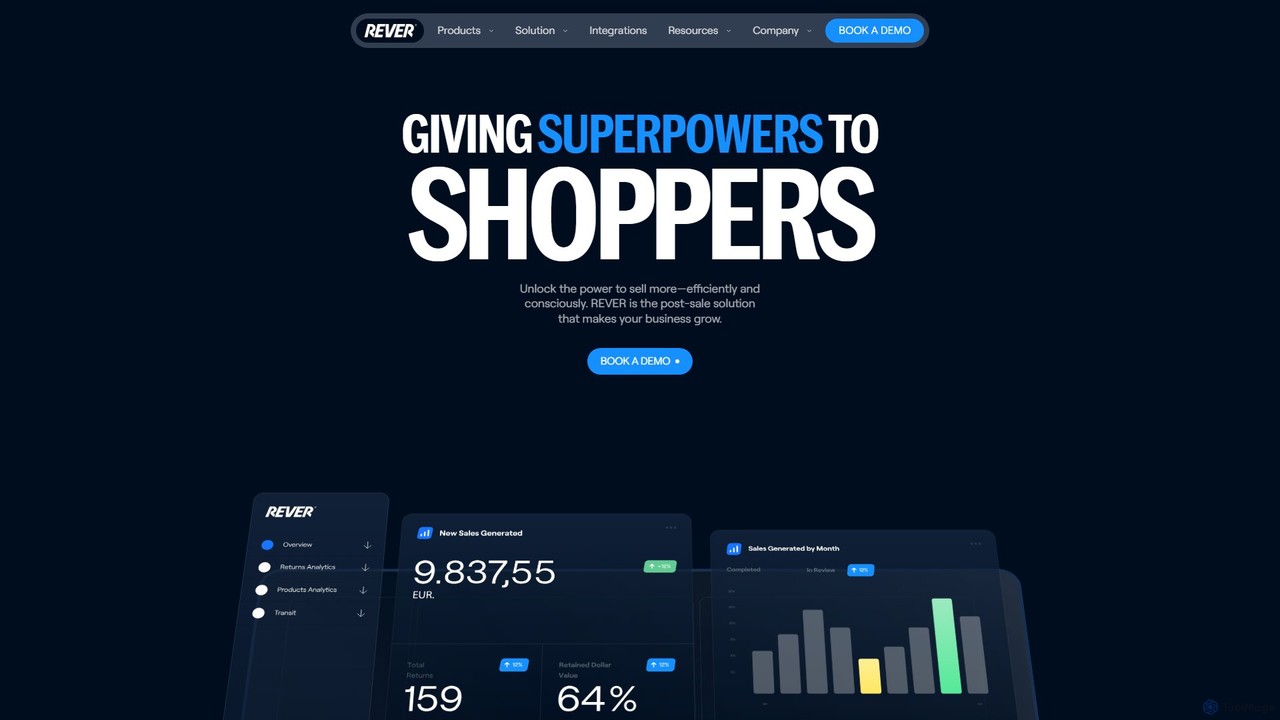
REVER is an AI-powered returns management platform for e-commerce businesses. It streamlines the entire returns process, from automation …

122.7K

About Returns Management

AI Returns Management tools are a specialized category of software designed to automate and optimize the entire product return lifecycle for ecommerce businesses. These platforms use AI-driven workflows to manage return requests, generate shipping labels, track reverse logistics, and process refunds or exchanges efficiently. By centralizing the returns process, they help merchants reduce operational costs, enhance the post-purchase customer experience, and gather valuable data to minimize future returns. This focused approach transforms returns from a costly problem into an opportunity for customer retention and business intelligence.

Core Features

  • Automated Returns Portal: Provides a self-service, branded portal for customers to initiate returns and exchanges 24/7.
  • Intelligent Disposition Logic: Uses AI and custom rules to automatically route returned items to the optimal destination (restock, refurbish, liquidate, or recycle).
  • Automated Refund & Exchange Processing: Instantly processes refunds, store credit, or new exchange orders upon return verification.
  • Return Data Analytics: Collects and analyzes data on return reasons, product performance, and customer behavior to identify trends and areas for improvement.
  • Logistics Integration: Connects with major shipping carriers to automate label generation and tracking for returned shipments.

Use Cases

These tools are essential for direct-to-consumer (DTC) brands, online retailers, and multi-channel merchants seeking to streamline their post-purchase operations. Industries with high return rates, such as fashion, footwear, and electronics, benefit significantly. Roles like Ecommerce Managers, Operations Specialists, and Customer Support Leaders use these platforms to manage workflows and analyze performance.

How to Choose

When selecting an AI Returns Management tool, consider its integration capabilities with your ecommerce platform (like Shopify, BigCommerce, or Magento) and logistics providers. Evaluate the flexibility of its rule engine to customize return policies, fees, and window periods. Assess the depth of its analytics and reporting features to ensure you can gain actionable insights. Finally, consider the user experience of the customer-facing portal and the pricing model's scalability with your business growth.

Returns ManagementUse Cases

1

Streamlining Customer Self-Service Returns

An online fashion retailer implements an AI returns management portal to enhance their post-purchase experience. Previously, customers had to email support to initiate a return, leading to delays and high support costs. Now, customers can visit a branded returns page, enter their order details, select items to return, and choose between a refund, store credit, or an exchange for a different size. The system instantly generates a prepaid shipping label, reducing the average return processing time from 3 days to just a few minutes and cutting related support tickets by 60%.

2

Intelligent Disposition of Returned Goods

An electronics seller uses an AI returns platform to optimize their reverse logistics. Based on the return reason (e.g., 'defective', 'unwanted gift', 'wrong item'), product category, and condition, the system's rule engine automatically decides the item's destination. High-value, unopened items are routed directly back to the primary fulfillment center for immediate restocking. Defective items are sent to a certified repair facility, while low-value open-box items are directed to a liquidation partner. This automated routing maximizes recovery value and reduces manual sorting labor by over 75%.

3

Reducing Return Rates with Data Insights

A home goods brand notices a high return rate for a specific set of bed sheets. Using the analytics dashboard in their returns management tool, they filter returns for this product and discover the most common reason cited is 'color not as expected'. The operations team reviews the product photos on their website and realizes the lighting used makes the sheets appear brighter than they are. After reshooting the product photos with more accurate color representation, returns for that specific item drop by 30% over the next quarter, directly improving profitability.

4

Automating Product Exchanges to Retain Revenue

A direct-to-consumer footwear company aims to reduce refunds and retain more revenue. They configure their AI returns tool to prominently feature exchange options. When a customer initiates a return for a pair of shoes due to 'wrong size', the portal immediately displays available sizes for a one-click exchange. It even allows for 'Shop Now' functionality, where customers can apply their return credit to any other product on the site, often leading to a higher-value purchase. This strategy converts 40% of potential refunds into exchanges or new sales, significantly boosting customer lifetime value.

5

Identifying and Flagging Fraudulent Returns

A retailer of high-value electronics uses their returns management platform to combat return fraud. The AI analyzes return patterns, flagging accounts with unusually high return frequencies, returns of different items than what was purchased (item swapping), or returns consistently made at the very end of the policy window. When a return is flagged, it is automatically routed to a specialized support agent for manual review before a refund is issued. This system has helped the company identify and prevent thousands of dollars in fraudulent refund claims each month, protecting their bottom line.

6

Integrating Returns into a 3PL Workflow

A growing DTC brand that outsources fulfillment to a third-party logistics (3PL) provider uses an AI returns tool to sync operations. When a customer initiates a return via the online portal, the API integration automatically creates an expected inbound shipment notification in the 3PL's warehouse management system (WMS). When the 3PL receives and inspects the package, they update its status in their WMS, which instantly triggers the returns platform to process the customer's refund or exchange. This seamless integration eliminates manual data entry, reduces communication errors, and speeds up the entire return-to-refund cycle by 48 hours.

Returns ManagementFrequently Asked Questions