
Ecommerce Best in category 1 results Search & Recommendation AI Tool

Popular AI tools in the Search & Recommendation field of Ecommerce include raventic, etc., helping you quickly improve efficiency.

raventic

raventic

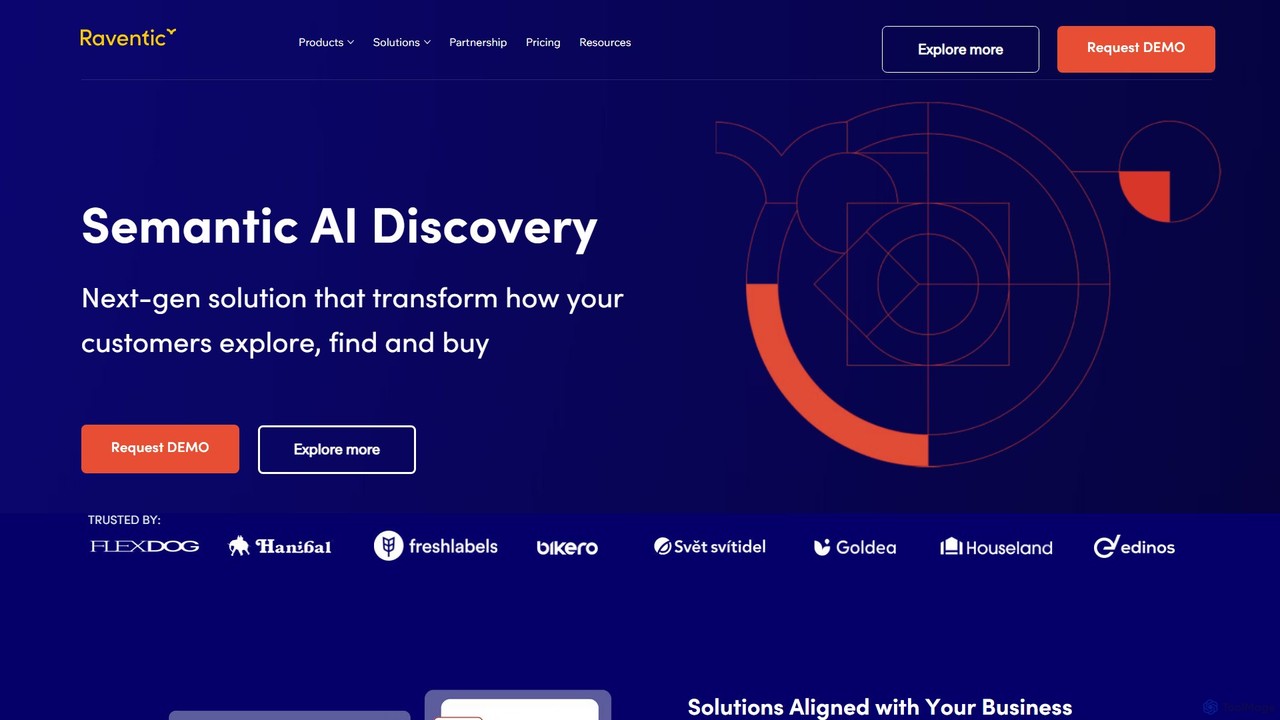
Raventic is a semantic AI platform for e-commerce, enhancing product discovery with intelligent search and personalized recommendations. It …

7.3K

About Search & Recommendation

AI Search & Recommendation tools are a specialized category of ecommerce solutions designed to enhance the online shopping experience. They leverage machine learning and natural language processing to understand user intent beyond simple keywords. This results in highly relevant product discovery and personalized suggestions, directly boosting conversion rates and customer loyalty. These systems analyze user behavior, purchase history, and even visual cues to create a dynamic and intuitive shopping journey.

Core Features

  • Personalized Recommendations: Tailors product suggestions based on individual browsing history, purchases, and real-time behavior.
  • Semantic Search: Understands the meaning and context behind search queries, handling synonyms, typos, and long-tail questions.
  • Visual Search: Allows users to find products by uploading an image or using a photo, matching items based on visual attributes.
  • Behavioral Analytics: Tracks user interactions to continuously refine search results and recommendation algorithms.
  • Merchandising Rules: Provides retailers with controls to promote specific products, brands, or categories within search results and recommendations.

Use Cases

These tools are essential for online retailers of all sizes, from small Shopify stores to large enterprise marketplaces. Ecommerce managers, marketers, and merchandisers use them to optimize product discovery, implement upselling and cross-selling strategies on product pages and at checkout, and reduce the frequency of "no results found" pages, thereby improving the overall customer journey.

How to Choose

When selecting a tool, evaluate its integration capabilities with your ecommerce platform (e.g., Shopify, Magento, BigCommerce). Assess the sophistication of its personalization algorithms and whether it supports A/B testing. Also consider its scalability to handle your traffic and product catalog size, and the level of control it offers for creating custom merchandising rules.

Search & RecommendationUse Cases

1

Dynamic 'You Might Also Like' Sections

An ecommerce manager for an online fashion retailer uses an AI tool to automatically generate personalized 'You Might Also Like' sections on product detail pages. The AI analyzes the current product's attributes (style, color, brand) and the user's browsing history to display highly relevant alternatives and complementary items. This strategy directly increases the average order value by encouraging customers to explore more products they are likely to purchase.

2

Intelligent Search Bar with Autocomplete

An online electronics store with a large catalog implements an AI-powered search bar. When a customer starts typing 'wireles headphon...', the search bar instantly suggests popular products like 'Wireless Headphones for Gaming' and 'Noise-Cancelling Wireless Earbuds,' along with specific models. This intelligent autocomplete guides the user to the right product faster, reduces search friction, and significantly lowers the bounce rate from the search page.

3

Personalized Homepage Product Carousels

A marketing manager for a home goods store uses an AI recommendation engine to display different product carousels on the homepage for new versus returning visitors. New visitors see site-wide best-sellers and trending items. Returning visitors see carousels titled 'Picked for You' and 'Recently Viewed,' which are populated with items related to their past purchases and browsing behavior. This personalization creates a unique experience that drives engagement and repeat purchases.

4

'Shop the Look' with Visual Search

A user uploads a photo of a fully furnished room they saw on social media to a furniture store's website. The visual search tool identifies individual items in the image (e.g., mid-century modern sofa, industrial coffee table). It then displays visually similar products from the store's inventory for each identified item. This provides a powerful new product discovery path, allowing customers to find what they want without needing to know specific keywords or product names.

5

Targeted Upsell & Cross-sell at Checkout

An online grocery store implements an AI recommendation engine on its cart and checkout pages. When a customer adds pasta to their cart, the system suggests pasta sauce, parmesan cheese, or a specific wine pairing. If a customer adds a premium brand of coffee, it might suggest a slightly more expensive, higher-rated alternative as an upsell. This targeted strategy increases the basket size and introduces customers to new products just before they complete their purchase.

6

Reducing 'No Results Found' Pages

A B2B parts supplier uses an AI search tool that understands synonyms, industry jargon, and typos. If a user searches for 'alum screw' instead of 'aluminum screw,' or uses a part number with a typo, the system recognizes the intent and displays the correct products. This semantic understanding prevents the frustrating 'no results found' page, improving the user experience and preventing lost sales due to simple search errors.

Search & RecommendationFrequently Asked Questions