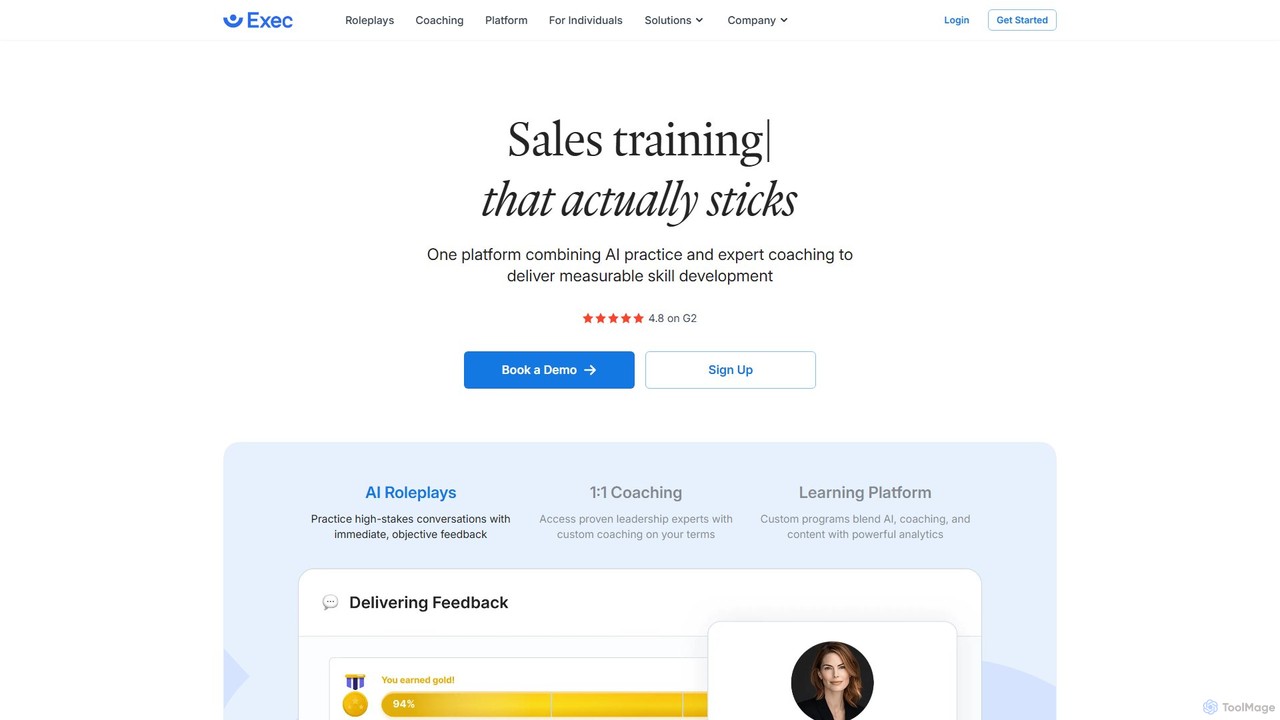
Corporate Learning AI tools are specialized platforms that leverage artificial intelligence to enhance employee training and development within organizations. These tools utilize machine learning, natural language processing, and adaptive algorithms to deliver personalized, efficient, and scalable learning experiences. They aim to optimize skill acquisition, improve knowledge retention, and foster a culture of continuous professional growth across the workforce. By automating content creation, personalizing learning paths, and providing insightful analytics, they transform traditional corporate education.
Core Features
- Personalized Learning Paths: AI analyzes individual performance and learning styles to recommend tailored content and progression.
- AI-Powered Content Generation: Automatically creates or curates training materials, quizzes, and simulations based on specific learning objectives.
- Adaptive Assessments: Dynamically adjusts difficulty and question types in real-time to accurately gauge learner comprehension.
- Intelligent Tutoring & Coaching: Provides instant feedback, answers questions, and offers guidance to learners through conversational AI.
- Performance Analytics & Insights: Tracks learner progress, identifies skill gaps, and provides data-driven recommendations for program improvement.
Use Cases
Corporate Learning AI tools are primarily used by HR departments, learning & development (L&D) teams, and corporate trainers. They are deployed in scenarios such as onboarding new employees, upskilling existing staff in new technologies, ensuring compliance training, and fostering leadership development. These tools help organizations deliver consistent, high-quality training at scale, reducing costs and improving overall workforce competency.
How to Choose
When selecting Corporate Learning AI tools, consider the breadth of content generation capabilities, the sophistication of personalization algorithms, and integration with existing HRIS or LMS systems. Evaluate the platform's ability to provide actionable analytics, its scalability for your organization's size, and the level of support for diverse learning formats (e.g., video, interactive simulations). User-friendliness for both administrators and learners is also crucial.