ToolMage
Sign in

Best 8 Course Platform for Education

Popular Course Platform in Education include ThriveCart, Mighty Networks, Sutra, marketsy, LearnHouse, Creativable, UUKI, and Intellectra, helping you work more efficiently.

Creativable
Freemium

Creativable

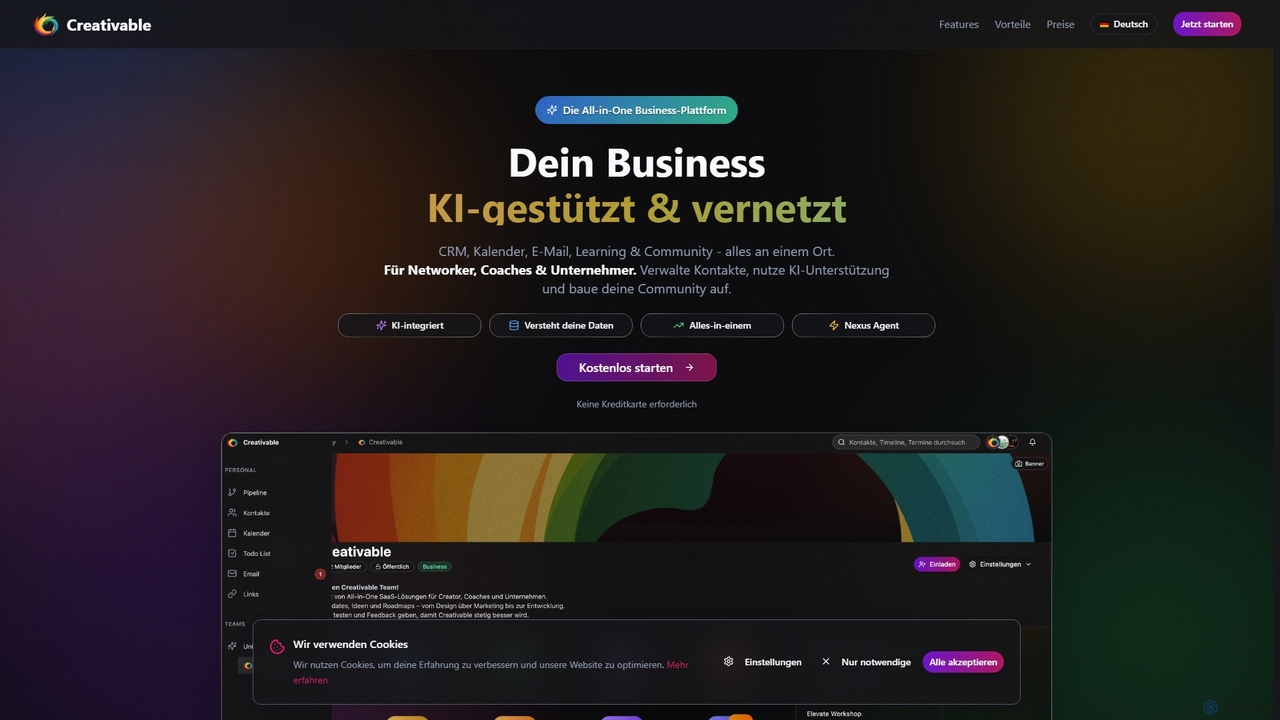
Creativable is an all-in-one, AI-powered business platform for coaches, network marketers, and entrepreneurs. It integrates CRM, community management, scheduling, email, and an e-learning platform to streamline business operations and boost productivity.

Course Platform
Visits 4.1KFavorites 114Likes 101
marketsy
Paid

marketsy

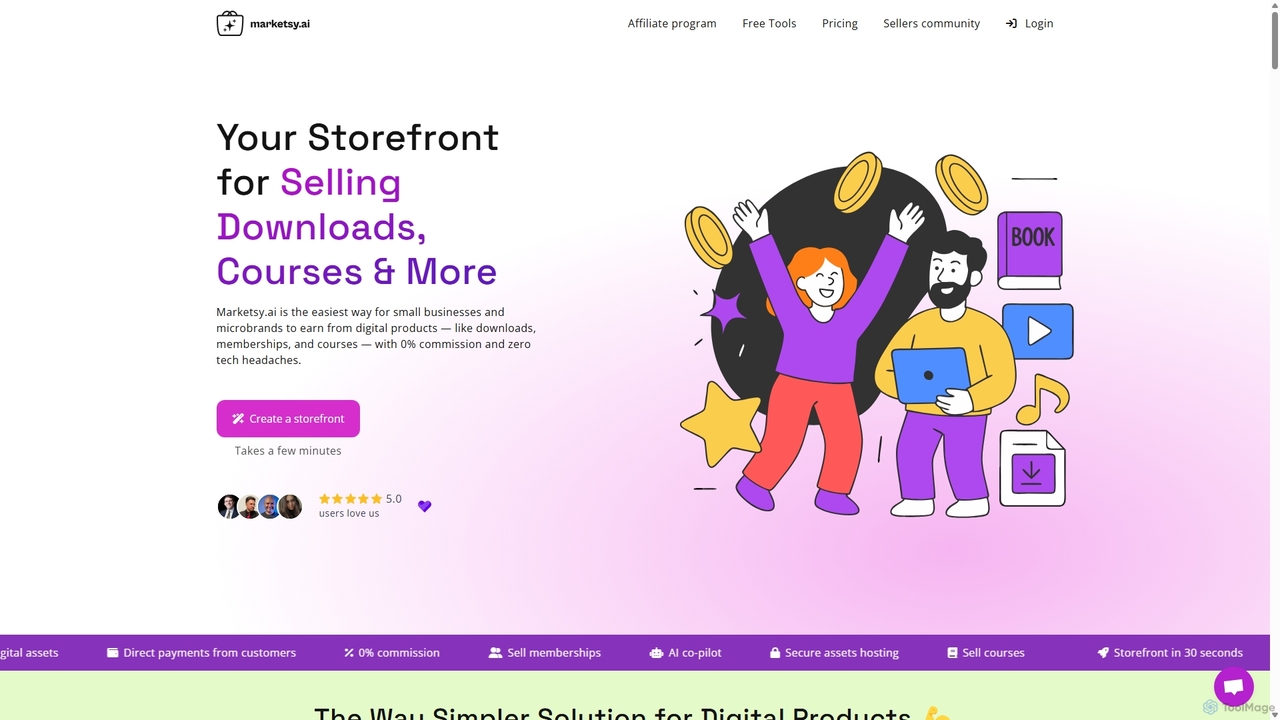
Marketsy is an AI-powered e-commerce platform designed for creators and small businesses to sell digital products like downloads, courses, and memberships. It offers a streamlined experience to create a fully functional online store in minutes with 0% commission fees, an AI co-pilot for content creation, and direct payment integrations with Stripe and PayPal.

Store Builder
Visits 24.5KFavorites 115Likes 107
ThriveCart
Paid

ThriveCart

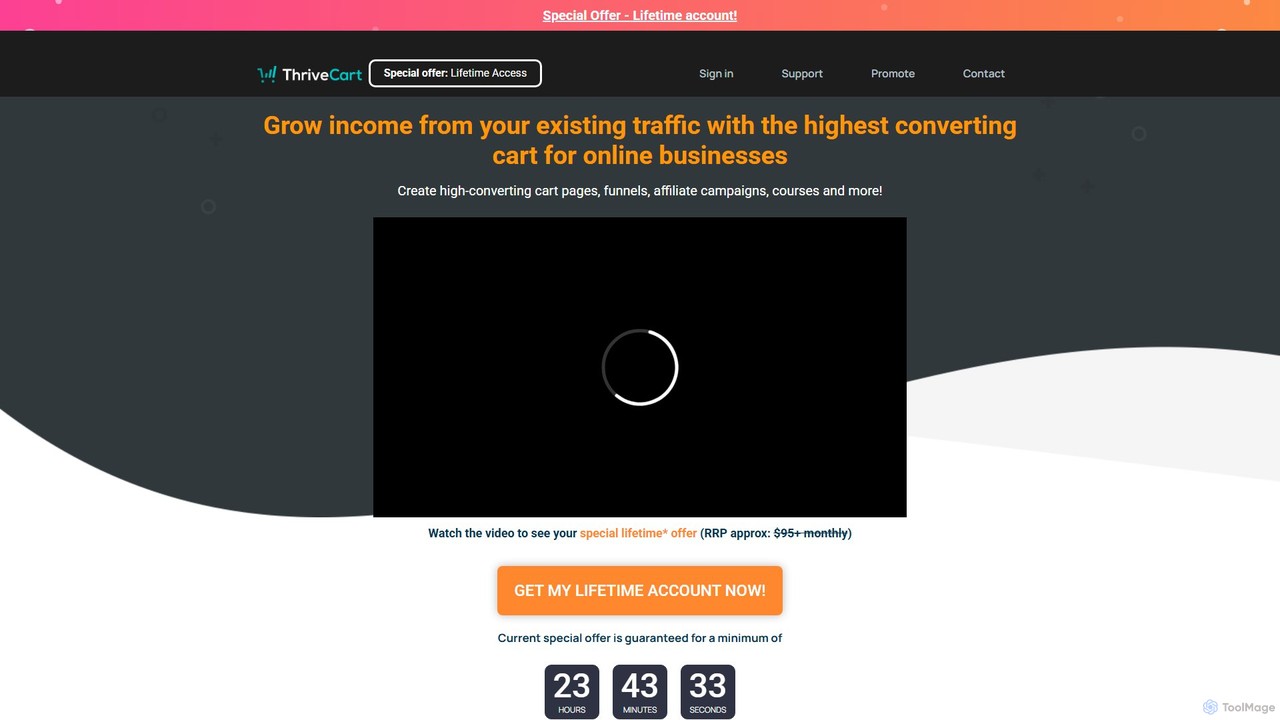
ThriveCart is a powerful, all-in-one shopping cart platform designed to boost online sales for businesses. It enables the creation of high-converting checkout pages, sales funnels, affiliate programs, and online courses. With intelligent analytics and automation, it helps maximize revenue from existing traffic through features like one-click upsells and order bumps, all available for a one-time lifetime payment.

Affiliate Management
Visits 2.6MFavorites 139Likes 140
Mighty Networks
Freemium

Mighty Networks

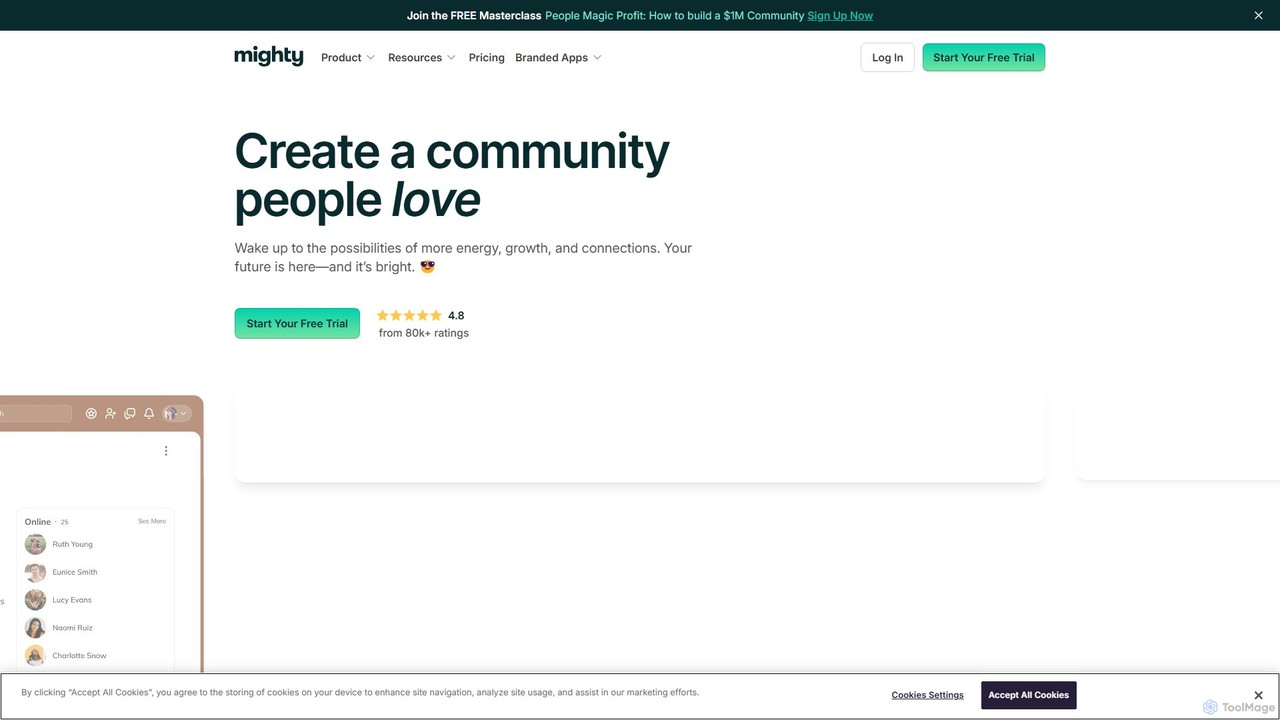
Mighty Networks is an all-in-one, AI-powered platform for creators and brands to build vibrant online communities, courses, and memberships. It combines an AI Cohost for easy setup and management with robust features for engagement, gamification, livestreaming, and monetization, enabling users to create independent, thriving digital spaces.

Community Building
Visits 784.9KFavorites 97Likes 102
LearnHouse
Freemium

LearnHouse

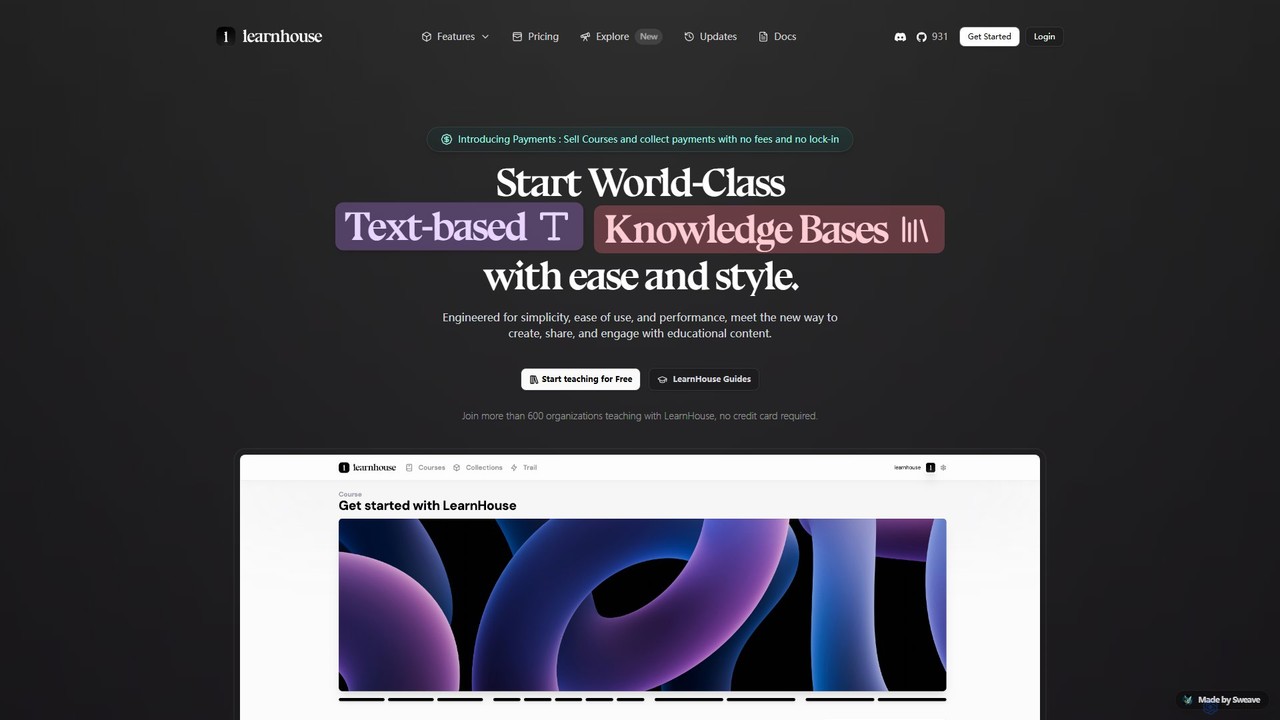
LearnHouse is a modern, open-source learning management system (LMS) designed for creating, managing, and selling online courses. It features an AI copilot for teachers and students, a block-based course editor, and direct Stripe integration for fee-free course sales. As a powerful alternative to platforms like Udemy and Teachable, it offers full control, customization, and both cloud-hosted and self-hosted options, making it ideal for educators, businesses, and developers.

E Commerce
Visits 10.5KFavorites 127Likes 130
Sutra
Freemium

Sutra

Sutra is a social learning platform designed for creators and organizations to build courses and communities focused on meaningful connection. It uniquely combines course creation, community management, and event organization with an AI-powered conversational feature to foster deep, transformational learning experiences.

Community Building
Visits 74.9KFavorites 98Likes 99
Intellectra
Freemium

Intellectra

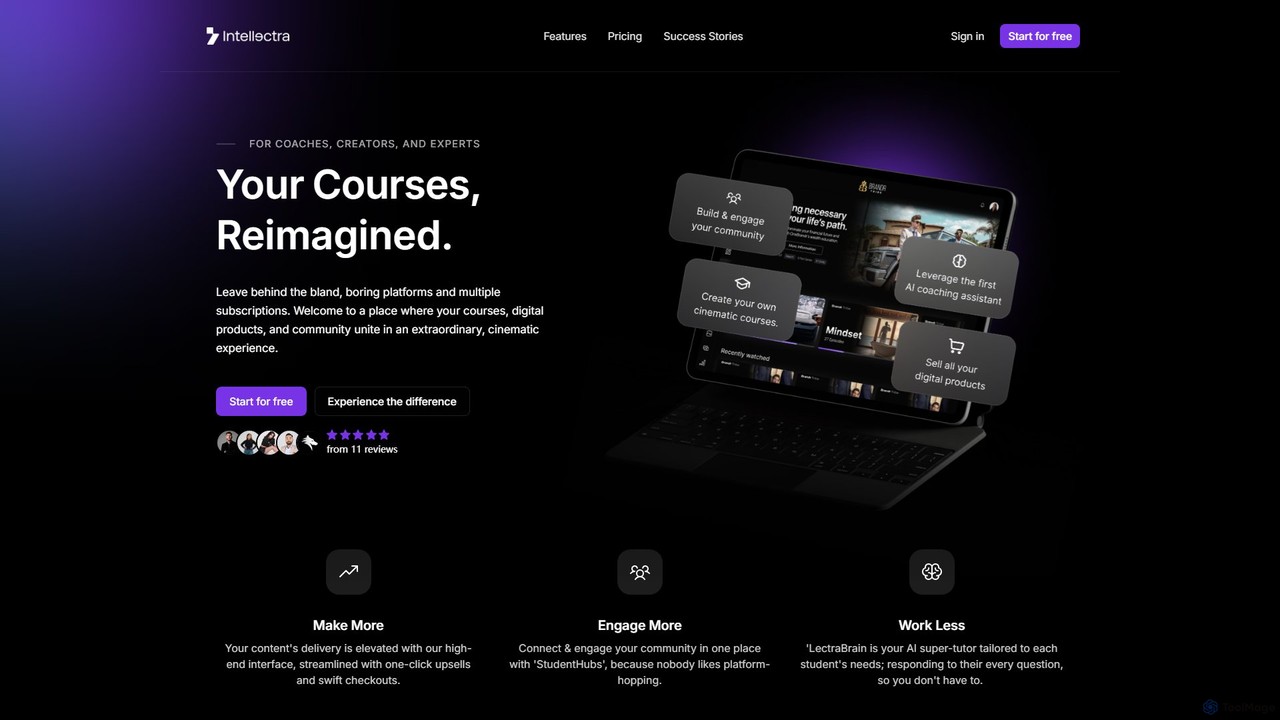
Intellectra is an all-in-one platform for coaches, creators, and experts to build and sell online courses, digital products, and communities. It offers a cinematic, high-end user experience, replacing the need for multiple subscriptions. Key features include an AI-powered tutor 'LectraBrain' to answer student questions, integrated community hubs ('StudentHubs'), and powerful monetization tools like one-click upsells and affiliate programs. It's designed to help creators engage their audience, increase sales, and reduce administrative work.

Creator Economy
Visits 4KFavorites 154Likes 159
UUKI
Freemium

UUKI

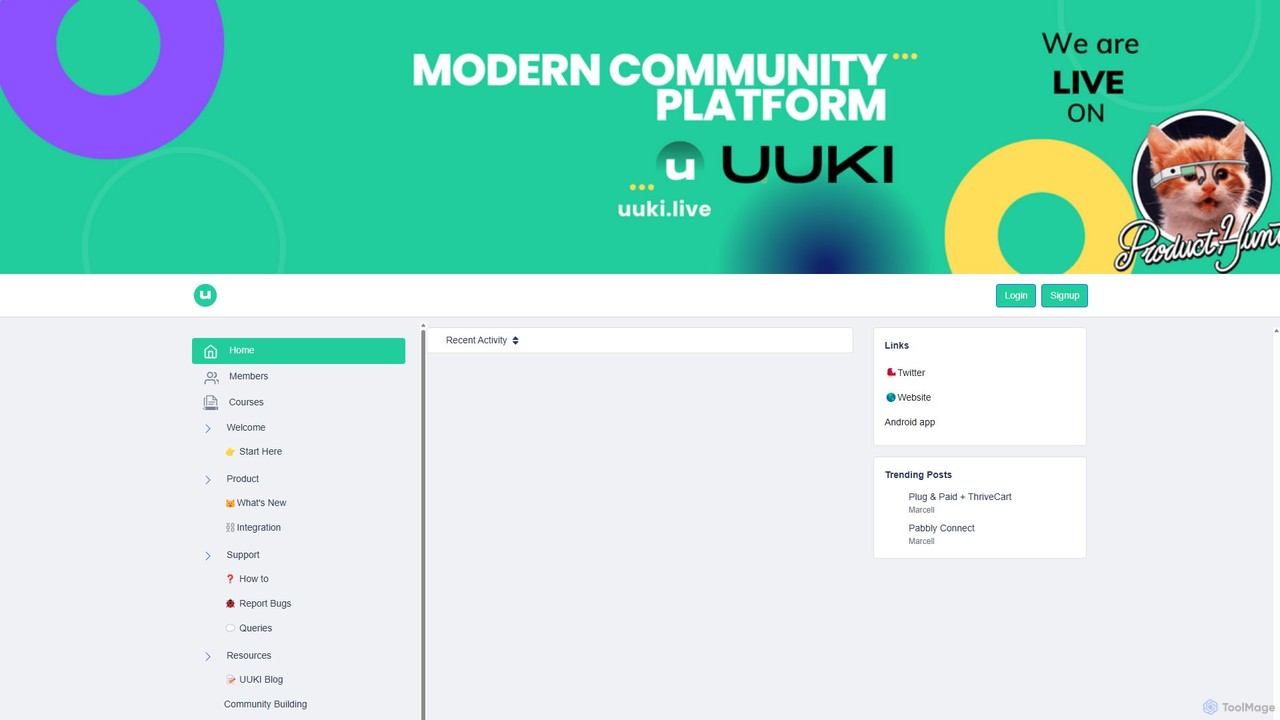
UUKI is an all-in-one community platform for creators, brands, and Web3 projects. It enables you to build, grow, and monetize your audience by combining discussions, memberships, online courses, and events in a single, white-labeled space. It also features modern capabilities like NFT-gated access for exclusive content.

Community Building
Visits 4KFavorites 125Likes 133

About Course Platform

AI Course Platforms are tools that use artificial intelligence to automate the creation, management, and personalization of online educational content. They leverage models like GPT to generate course outlines, lesson text, quizzes, and video scripts from simple prompts or existing documents. This enables educators and businesses to build engaging, adaptive learning experiences tailored to individual student needs and performance. Unlike traditional Learning Management Systems (LMS), these platforms focus on dynamic content generation and data-driven personalization at scale.

Core Features

  • Automated Content Creation: Generates entire course structures, including modules, lessons, quizzes, and assignments, from a single topic or document.
  • Personalized Learning Paths: Adapts the sequence and difficulty of content for each learner based on their real-time performance and knowledge gaps.
  • Intelligent Assessment: Automatically creates and grades quizzes and assignments, providing instant, constructive feedback to students.
  • AI-Powered Tutoring: Offers 24/7 support through AI chatbots that can answer questions, explain complex concepts, and guide learners.
  • Performance Analytics: Provides deep insights into student engagement, comprehension levels, and overall course effectiveness.

Use Cases

These platforms are ideal for corporate training departments, online education providers, and individual course creators. For instance, a company can use an AI Course Platform to quickly convert technical manuals into interactive training for new employees. An online coach can scale their business by automatically generating course materials for different client segments.

How to Choose

When selecting an AI Course Platform, evaluate the scope of its content generation capabilities (text, video, quizzes), the sophistication of its personalization engine, integration options with other tools like video hosting services, and the pricing model (per user or per course). Also, consider the user interface's ease of use for both creators and learners.

Featured tool rankings

Course Platform use cases

1

Automating Corporate Compliance Training

A Human Resources manager at a large corporation is tasked with creating mandatory annual compliance training for 500 employees. Instead of spending weeks writing scripts and designing quizzes, they upload the company's 80-page policy document into an AI Course Platform. The AI instantly generates a 10-module interactive course, complete with video lesson summaries, real-world scenario questions, and a final assessment. This reduces the course creation time from one month to two days, ensuring consistent and engaging training across the organization.

2

Creating Personalized Tutoring for Students

An online education company wants to offer adaptive math tutoring. They use an AI Course Platform to create a foundational algebra course. As a student works through the problems, the AI analyzes their answers in real-time. If a student struggles with a concept like factoring polynomials, the platform automatically presents them with more explanatory videos and simpler practice problems on that specific topic. Conversely, if a student masters a topic quickly, the AI advances them to more challenging material, creating a truly personalized learning path for every user.

3

Scaling Course Creation for Solo Entrepreneurs

A subject matter expert in digital marketing wants to sell online courses but lacks the time for content production. They use an AI Course Platform and provide it with a link to their blog and a rough outline. The AI drafts an entire 8-module course, including lesson text, key takeaways, and quiz questions for each module. It even suggests video script ideas based on their most popular blog posts. This allows the entrepreneur to focus on recording videos and marketing, enabling them to launch a professional-quality course in weeks instead of months.

4

Developing Interactive Language Learning Modules

A language learning app developer aims to create more engaging practice modules. Using an AI Course Platform's API, they integrate an AI tutor into their app. The AI can generate endless unique practice sentences based on a student's vocabulary level. It also powers a conversational practice feature where students can speak to the AI, which provides real-time feedback on pronunciation and grammar. This creates a dynamic and endlessly variable learning experience that goes beyond static, pre-written exercises.

5

Enhancing University Lectures with AI Summaries

A university professor wants to improve student accessibility and study resources for a complex history course. After each lecture, she uploads the audio recording to an AI Course Platform. The platform automatically generates an accurate transcript, a concise summary of key themes, and a list of important dates and figures mentioned. These resources are then posted for students, providing valuable study aids, especially for those who may have missed a class or for non-native English speakers. This saves the professor hours of manual summarization work each week.

6

Building an Interactive Customer Onboarding Program

A SaaS company needs to educate new users on its complex software. They use an AI Course Platform to build a self-paced onboarding course. The course includes short video tutorials and interactive tasks within a simulated software environment. The AI monitors user progress and identifies where they get stuck. If a user fails a task multiple times, the AI automatically triggers a pop-up with a helpful tip or a link to a more detailed guide. This proactive support system improves user competency, reduces support tickets, and increases long-term customer retention.

Course Platform FAQ

What is an AI Course Platform?

An AI Course Platform is a specialized software tool that uses artificial intelligence to streamline the creation and delivery of online courses. Unlike a traditional Learning Management System (LMS) that primarily hosts static content, an AI platform can automatically generate course materials like text, quizzes, and video scripts from a simple prompt. It also enables personalized learning paths, adapting the content to each student's performance for a more effective educational experience.

How to choose the right AI Course Platform?

To choose the right platform, consider these factors:

  • Content Generation Needs: Do you need to create full courses from scratch, or just generate quizzes and summaries? Assess the depth of the AI's content creation features.
  • Personalization Level: Evaluate how well the platform can adapt learning paths. Does it offer simple branching logic or true AI-driven adaptation based on performance?
  • Integrations: Check if it connects with your existing tools, such as video hosting platforms (Vimeo, Wistia), payment gateways, or other business software.
  • User Experience: The platform should be intuitive for both the course creator and the end-user (the student). Request a demo to test the interface.
What's the difference between an AI Course Platform and a traditional LMS?

The key difference lies in content creation and personalization. A traditional Learning Management System (LMS) is a passive repository for content that you create manually. An AI Course Platform is an active partner in creation, capable of generating course materials for you. Furthermore, while an LMS typically delivers a one-size-fits-all experience, an AI platform dynamically adjusts the learning path for each individual, making education more personalized and efficient.

Who can benefit from using an AI Course Platform?

A wide range of users can benefit:

  • Corporate Trainers: To quickly develop and deploy training modules for onboarding, compliance, or skill development, saving significant time and resources.
  • Online Educators & Coaches: To scale their business by automating content creation, allowing them to serve more students without sacrificing quality.
  • Academic Institutions: To provide supplementary materials, personalized tutoring, and more accessible learning resources for their students.
  • SaaS Companies: To build effective and interactive customer onboarding programs that reduce churn and improve product adoption.
Can AI completely replace human instructors on these platforms?

No, AI is best viewed as a powerful assistant, not a replacement. It excels at automating repetitive and time-consuming tasks like drafting content, creating quizzes, and providing initial feedback. This frees up human instructors to focus on higher-value activities that require empathy, critical thinking, and real-world experience, such as mentoring students, leading complex discussions, and providing nuanced, personalized guidance. The most effective use combines AI's efficiency with human expertise.