ToolMage
Sign in

Best 7 Gamified Learning AI tools for Education

Popular Gamified Learning AI tools in Education include AI Game Generator, femaleswitch, Intract, DailyWiser, feedscope, GuessPrompt, and EduPlay, helping you work more efficiently.

AI Game Generator
Paid

AI Game Generator

AI Game Generator is an innovative platform that transforms your ideas and marketing concepts into playable HTML5 games in minutes. Leverage AI to create engaging 2D and 3D games for campaigns, education, or rapid prototyping without extensive coding.

Interactive Content
Visits 15.7KFavorites 100Likes 80
femaleswitch
Freemium

femaleswitch

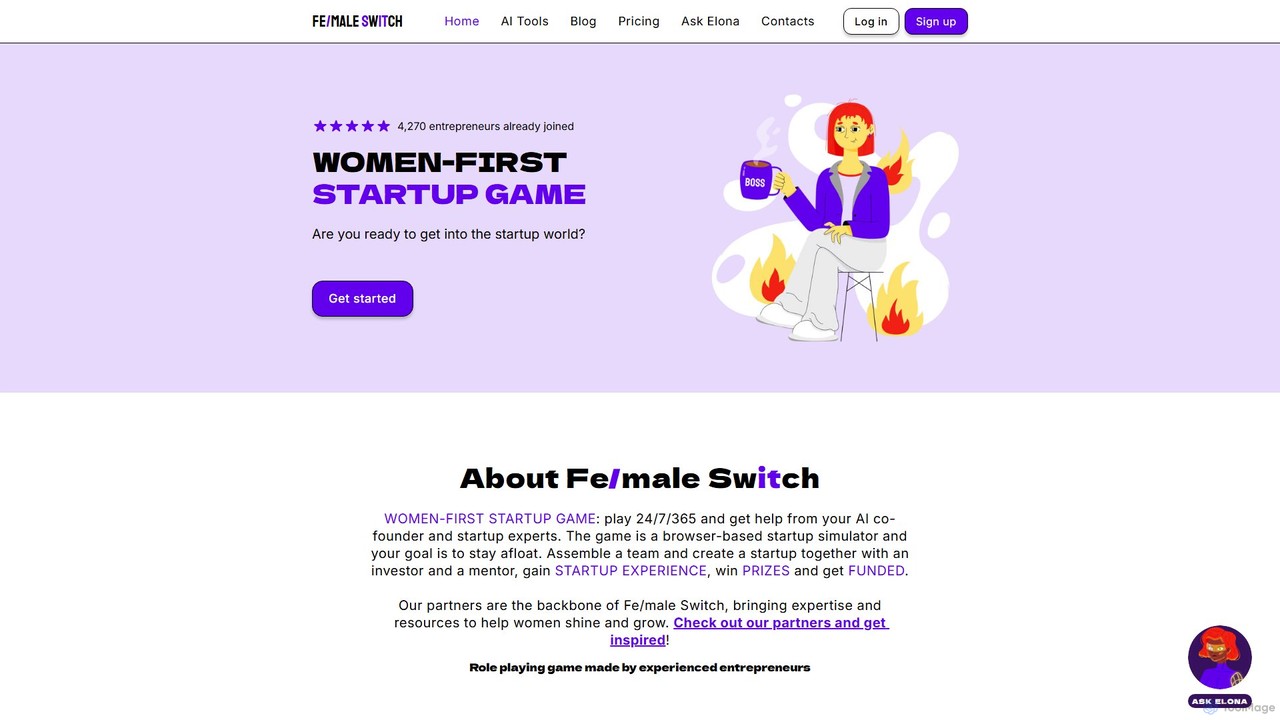
femaleswitch is a women-first, AI-powered startup simulator game. It offers a risk-free, gamified environment for aspiring female entrepreneurs to learn business skills, validate ideas, and build a virtual startup from concept to first customer, guided by an AI co-founder and expert mentors.

Entrepreneurship
Visits 9.5KFavorites 123Likes 139
Intract
Freemium

Intract

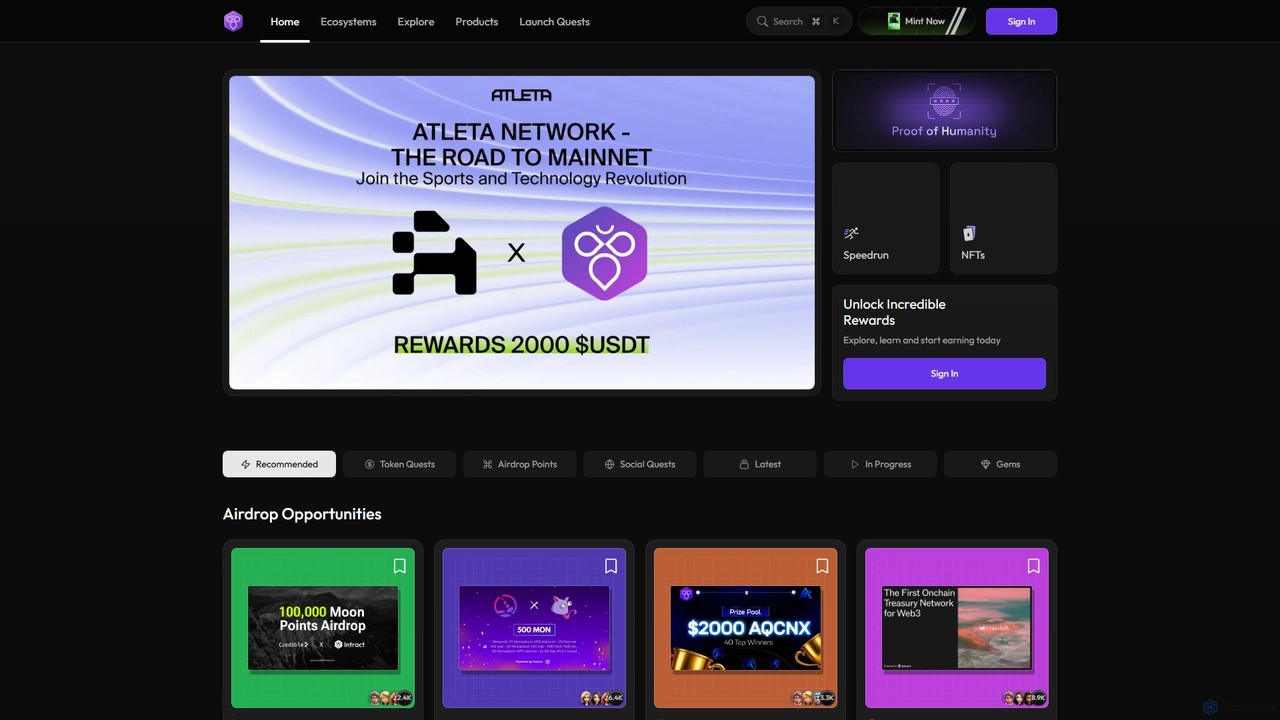
Intract is a leading Web3 learning and discovery platform that guides users through the world of crypto with gamified quests. Participate in tasks from top Web3 projects, learn about new technologies, and earn rewards like crypto and NFTs in a fun, interactive environment.

Airdrops
Visits 5.5KFavorites 123Likes 126
DailyWiser
Freemium

DailyWiser

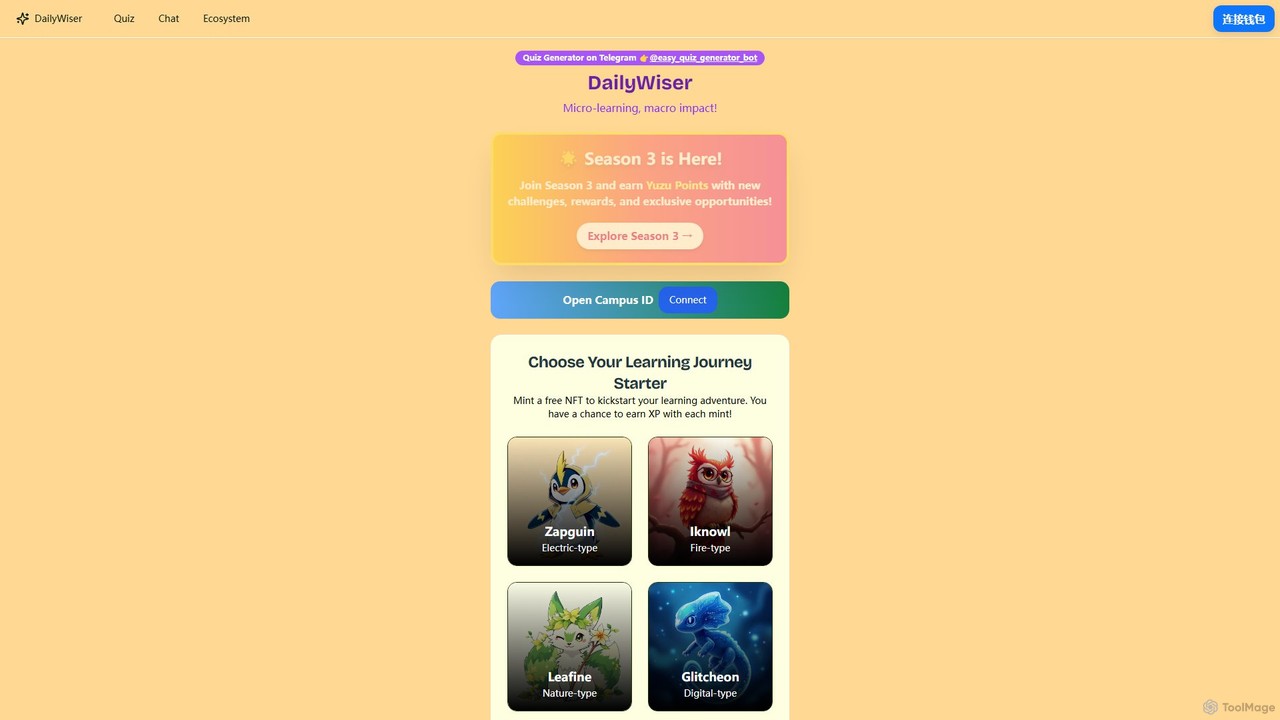
DailyWiser is a gamified, learn-to-earn platform on the Open Campus EDU Chain. It incentivizes learning through daily quizzes, challenges, and NFT minting. Users can earn points and convert them into crypto rewards ($EDU), making education an engaging and profitable journey into Web3 and other diverse subjects.

Gamified Learning
Visits 5.3KFavorites 138Likes 115
feedscope
Free

feedscope

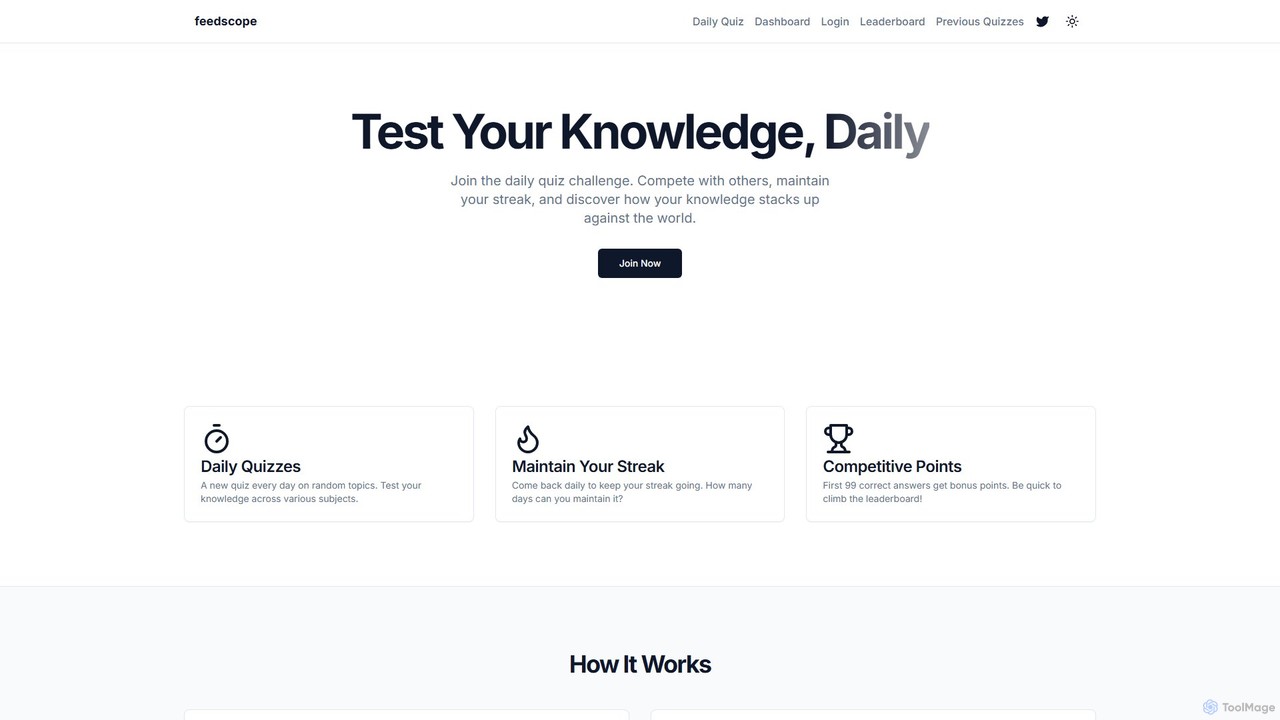
feedscope was an experimental daily quiz platform designed to test knowledge through competitive challenges. Users engaged in daily trivia on random topics, competed for high scores on a leaderboard, and maintained participation streaks. Although the project has been discontinued, it serves as an excellent case study in rapid development and gamified user engagement.

Competition
Visits 5.1KFavorites 126Likes 127
GuessPrompt
Free

GuessPrompt

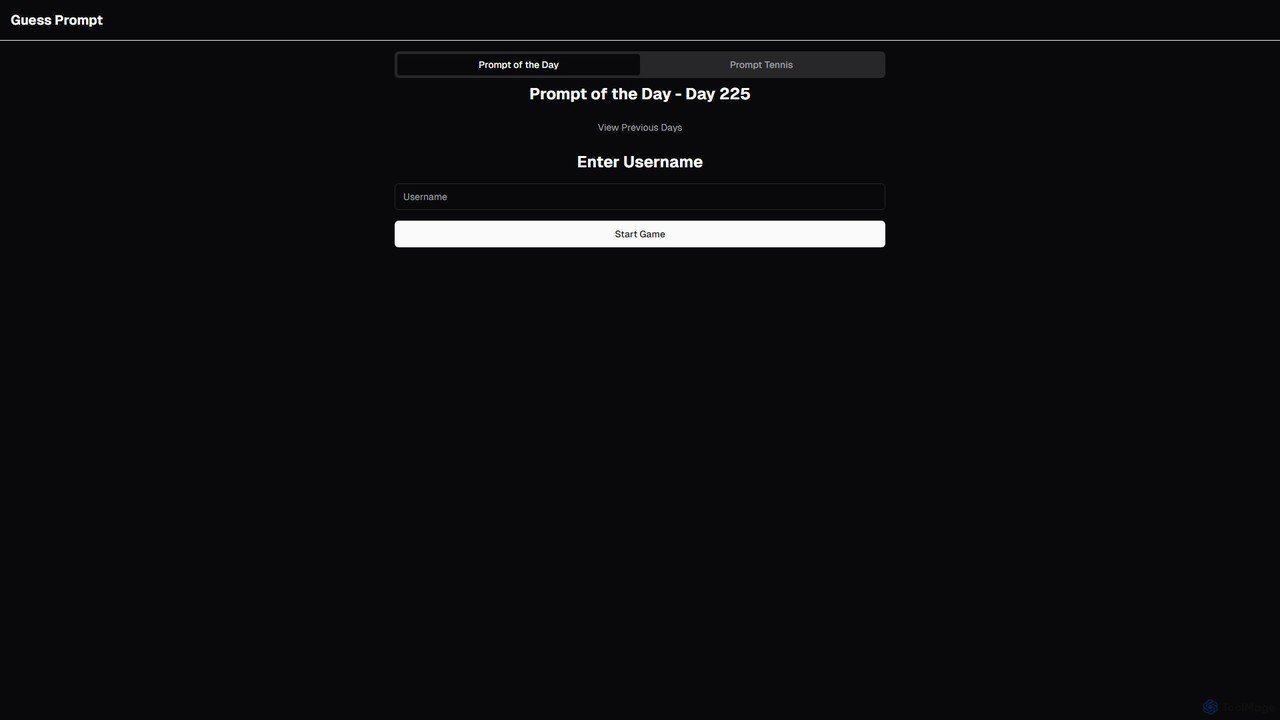
GuessPrompt is an engaging online game designed to help you master the art of AI prompt engineering. Each day, you're presented with an AI-generated image and challenged to guess the prompt that created it. Through fun, interactive gameplay like 'Prompt of the Day,' you can sharpen your prompting skills, learn new techniques, and compete with a global community. It's the perfect training ground for AI artists, prompt engineers, and enthusiasts.

Gamified Learning
Visits 5KFavorites 124Likes 110
EduPlay
Freemium

EduPlay

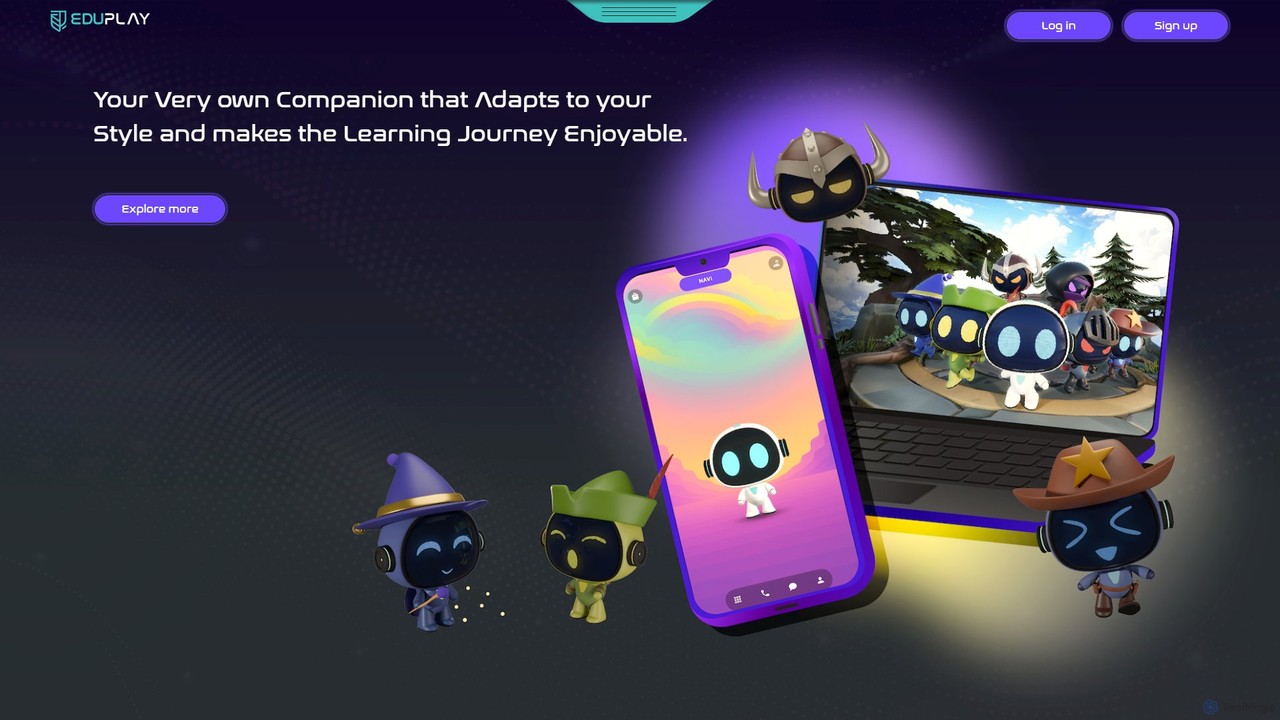
EduPlay is an AI-powered educational platform that revolutionizes learning through gamification and personalization. Featuring NAVI, an emotionally intelligent AI companion, it creates tailored learning paths that adapt to each student's pace and style. EduPlay makes learning enjoyable and effective by integrating rewards, levels, and interactive content, fostering both academic growth and essential life skills for a future-ready generation.

Gamified Learning
Visits 4.6KFavorites 136Likes 129

About Gamified Learning

Gamified Learning tools are a class of AI-powered educational software that integrates game mechanics to make learning more engaging and effective. These platforms utilize elements like points, badges, leaderboards, and narrative challenges, often powered by AI to create personalized learning paths. They are designed to boost user motivation, improve knowledge retention, and transform traditional study into an interactive experience. The AI component frequently adapts the difficulty and content in real-time based on user performance, ensuring an optimal learning curve.

Core Features

  • Adaptive Difficulty: The AI automatically adjusts the complexity of tasks and questions to match the user's skill level, preventing boredom or frustration.
  • Personalized Feedback Systems: Provides instant, AI-driven guidance, explanations, and corrections to help learners understand their mistakes.
  • Progress Tracking & Rewards: Visually represents learning journeys through points, badges, skill trees, and unlockable content to maintain motivation.
  • Interactive Storytelling: Embeds educational content within an engaging narrative or quest, giving context and purpose to learning activities.
  • Performance Analytics: Offers detailed insights for learners and educators on progress, strengths, and areas needing improvement.

Applicable Scenarios

These tools are widely used in corporate training for employee onboarding and compliance, in K-12 and higher education to supplement classroom instruction, and by individuals for language acquisition or mastering professional skills like coding. They excel in subjects that benefit from repetition and active participation.

Selection Criteria

When choosing a Gamified Learning tool, evaluate the depth of its gamification mechanics beyond simple points. Assess the quality and relevance of the educational content for your specific goals. Prioritize platforms with strong AI-powered features like adaptive learning paths and personalized feedback. Also, consider its integration capabilities with existing learning management systems (LMS).

Gamified Learning use cases

1

Engaging Corporate Compliance Training

An HR manager needs to ensure all employees complete mandatory annual security training, which is often perceived as dull. Using a gamified learning platform, they can transform the content into an interactive narrative-based module. Employees play as agents navigating security scenarios, making choices that lead to different outcomes and earning points for correct decisions. An AI-powered system adapts the scenarios based on an employee's role and previous mistakes, reinforcing critical knowledge. This approach results in higher completion rates, better information retention, and a more positive attitude towards mandatory training.

2

Mastering a New Language with Daily Challenges

An individual learner wants to learn Spanish for an upcoming trip. Instead of traditional flashcards, they use a gamified language app. The app presents vocabulary and grammar through daily quests, mini-games, and conversational challenges with AI chatbots. The user earns experience points (XP) to level up, maintains a daily practice streak for bonus rewards, and competes with friends on a weekly leaderboard. The AI adjusts the difficulty of new words and concepts based on their performance in quizzes, ensuring they are constantly challenged but not overwhelmed. This makes language learning feel like a game, encouraging consistent daily practice and leading to faster fluency.

3

Making K-12 Math Practice Fun

A middle school teacher wants to increase student engagement in math homework. They integrate a gamified learning tool into their curriculum. The platform presents algebra problems as quests in a fantasy world where students must solve equations to defeat monsters or unlock treasure. The AI provides hints when a student is stuck and offers immediate, positive feedback for correct answers. Students can customize their avatars and see their progress on a class leaderboard, fostering friendly competition. This method transforms repetitive practice into an exciting adventure, leading to increased homework completion rates and a deeper understanding of mathematical concepts.

4

Interactive Onboarding for New Software Users

A software company wants to reduce customer support tickets from new users struggling with their complex product. They develop a gamified onboarding process within the application. New users are guided through a series of 'missions' that teach them core features one by one. Completing a mission, like creating their first project, unlocks a badge and the next set of features. An AI assistant provides contextual tips and encouragement. This structured, rewarding process helps users build confidence and master the software faster, leading to higher user retention and a significant decrease in basic support queries.

5

Personal Finance Education Through Simulation

A financial literacy educator aims to teach young adults about budgeting and investing in a practical, risk-free way. They use a gamified simulation tool where each user manages a virtual portfolio and a monthly budget. Users make decisions like paying bills, saving, and investing in a simulated stock market. The AI engine models market fluctuations and provides personalized reports on their financial health, highlighting good decisions and potential pitfalls. Leaderboards show who has grown their virtual net worth the most, adding a competitive edge. This hands-on experience provides a concrete understanding of financial concepts that is more impactful than reading a textbook.

6

Reinforcing Medical Terminology for Students

A medical student needs to memorize a vast amount of complex anatomical and pharmacological terms for their board exams. They use a gamified learning app that employs spaced repetition and fast-paced quizzes. The AI algorithm tracks which terms the student struggles with and presents them more frequently in different formats (e.g., multiple choice, fill-in-the-blank). The student can challenge classmates to timed quiz battles, earning points and climbing a program-wide leaderboard. This competitive and adaptive system makes the arduous task of memorization more manageable and effective, improving long-term recall and boosting exam performance.

Gamified Learning FAQ

What are AI Gamified Learning tools?

AI Gamified Learning tools are educational platforms that use game design elements like points, badges, and leaderboards to increase learner engagement and motivation. The 'AI' component enhances this by personalizing the experience. AI can adapt the difficulty of questions in real-time, provide intelligent feedback, and create customized learning paths based on a user's performance. The primary goal is to make learning feel less like a chore and more like an enjoyable challenge, which often leads to better knowledge retention and skill acquisition.

How to choose the right Gamified Learning platform?

Choosing the right platform depends on your specific needs. Consider the following factors:

  • Learning Objectives: What specific skills or knowledge do you want to impart? Ensure the platform's content and structure align with your goals.
  • Target Audience: Is it for children, university students, or corporate employees? The game mechanics and user interface should be appropriate for the intended users.
  • Depth of Gamification: Look for meaningful game mechanics beyond simple points. Features like adaptive challenges, narrative elements, and collaborative tasks are more effective.
  • AI Personalization: Evaluate how the AI adapts the experience. Does it offer personalized feedback, adjust difficulty, and recommend content based on user progress?
  • Integration and Analytics: Check if it can integrate with your existing systems (like an LMS) and if it provides robust analytics to track learner progress and effectiveness.
What's the difference between Gamified Learning and traditional e-learning?

The core difference lies in engagement and methodology. Traditional e-learning primarily focuses on delivering content, often through passive formats like videos, PDFs, and standard quizzes. Its main goal is information transfer. Gamified Learning, on the other hand, focuses on the learning process itself. It actively seeks to motivate the user by embedding content within game-like structures, using rewards, challenges, and narratives to drive progress. While both can exist online, gamified learning is inherently more interactive and designed to leverage psychological drivers of motivation to improve retention and completion rates.

Who can benefit from using Gamified Learning tools?

A wide range of individuals and organizations can benefit from gamified learning. Key groups include:

  • K-12 and University Students: It makes subjects like math, science, and languages more engaging and helps reinforce classroom learning through interactive practice.
  • Corporate Employees: For mandatory training (e.g., compliance, security) and professional development, it increases completion rates and knowledge retention.
  • Lifelong Learners: Individuals learning a new skill, such as coding or a new language, find the motivational elements help them stay consistent with their studies.
  • Educators and Trainers: These tools provide new ways to engage learners and offer detailed analytics to track student performance and identify areas where they struggle.
How does AI specifically enhance gamified learning?

AI elevates gamified learning from a static, rule-based system to a dynamic and personalized experience. While basic gamification might offer the same set of points for everyone, AI introduces:

  • Adaptive Learning Paths: AI analyzes a user's performance and adjusts the sequence and difficulty of content, ensuring the learner is always optimally challenged.
  • Intelligent Feedback: Instead of just 'correct' or 'incorrect', an AI can provide specific hints, explain the reasoning behind an answer, and identify patterns in a user's mistakes.
  • Dynamic Content Generation: AI can create new problems, scenarios, or quiz questions on the fly, providing a virtually endless supply of practice material tailored to the user's needs.
  • Behavioral Analytics: AI can predict when a learner might become disengaged and can intervene with a new challenge or reward to maintain motivation.